At 02:47 UTC on 29 August 2026, the Ukrainian port city of Odessa experienced a severe disruption of its power grid after at least two Russian‑origin Onyx supersonic missiles struck the metropolitan area. The strikes, reported by the open‑source monitoring channel GeoPWatch, triggered widespread outages across residential and industrial zones, underscoring the escalating reach of long‑range Russian weaponry into Ukraine’s southern heartland.
"Power outages reported in Odessa following strikes by at least two 'Onyx' supersonic missiles," GeoPWatch, 02:47 UTC, https://t.me/GeoPWatch/39066
Missile and Rocket Activity Across the Front
In addition to the Onyx attack, Russian forces launched a salvo of cruise missiles from the city of Belgorod, Russia, aimed at the strategic hub of Dnipro. GeoPWatch confirmed the launch at 00:05 UTC, noting that multiple cruise missiles were detected traveling westward. While no immediate casualty figures were released, the trajectory of these weapons highlights a concerted effort to pressure Ukraine’s central industrial corridor.
"Multiple cruise missile launches have been detected from Belgorod, towards Dnipro," GeoPWatch, 00:05 UTC, https://t.me/GeoPWatch/39062
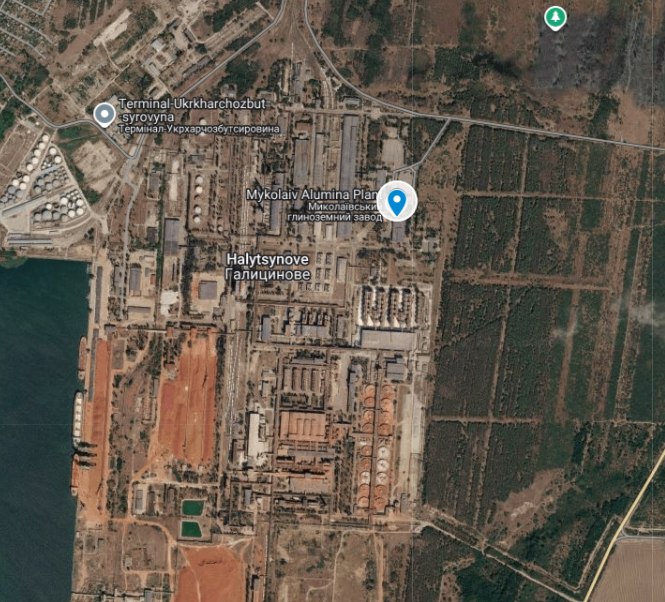
Further south, Russian air assets deployed KAB precision‑guided bombs against the Alumina Plant area in Halytsynove, Mykolaiv Oblast. The strike, documented by the Telegram channel monitor_the_situation at 00:05 UTC, coincided with reports of Russian ground units advancing into Ukrainian‑controlled Kherson Oblast near Mykolaiv. No civilian casualties were reported, but the targeting of industrial infrastructure signals an intent to degrade Ukraine’s manufacturing capacity.
"Russian KAB bombs hit the Alumina Plant area in Halytsynove, Mykolaiv Oblast," monitor_the_situation, 00:05 UTC, https://t.me/monitor_the_situation/28745
Drone Warfare Escalates on Both Sides
At 01:35 UTC, Russian unmanned aerial vehicles (UAVs) conducted a low‑altitude attack on a truck parking facility in Izmail, Odesa Oblast. According to the Izmail District Administration, the strike killed one civilian and injured several others. The incident, reported by the channel intelslava, included video footage of the drones descending on the parking area, illustrating the continued use of small‑scale UAVs to target logistics nodes.
"Russian drones struck a truck parking area in Izmail, Odesa Oblast. One person was killed and several others were injured," intelslava, 01:35 UTC, https://t.me/intelslava/93438
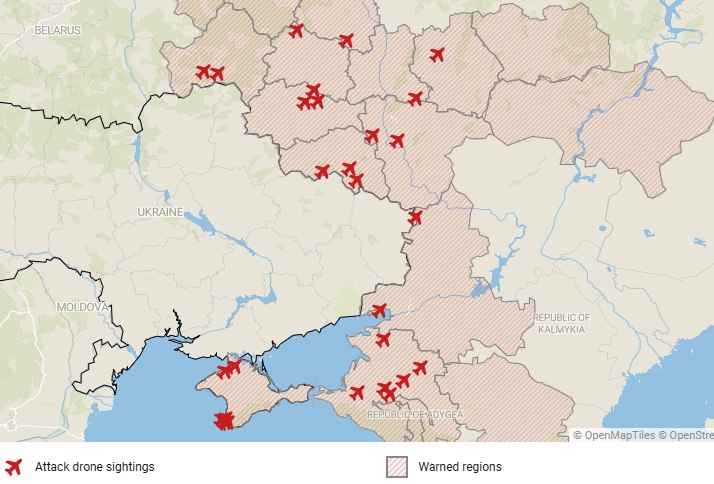
In a mirrored escalation, Ukrainian forces launched a massive drone raid into Russian territory, focusing on sites in Moscow. The monitor_the_situation channel posted a photo at 00:15 UTC indicating that “hundreds of drones” were dispatched toward multiple Russian installations. While exact damage assessments remain pending, the operation demonstrates Kyiv’s growing capability to project UAV attacks deep into Russian airspace.
"Ukrainian forces are conducting a widespread drone attack into Russia, with local channels reporting hundreds of drones targeting Russian sites," monitor_the_situation, 00:15 UTC, https://t.me/monitor_the_situation/28746
Ground Movements and Territorial Shifts
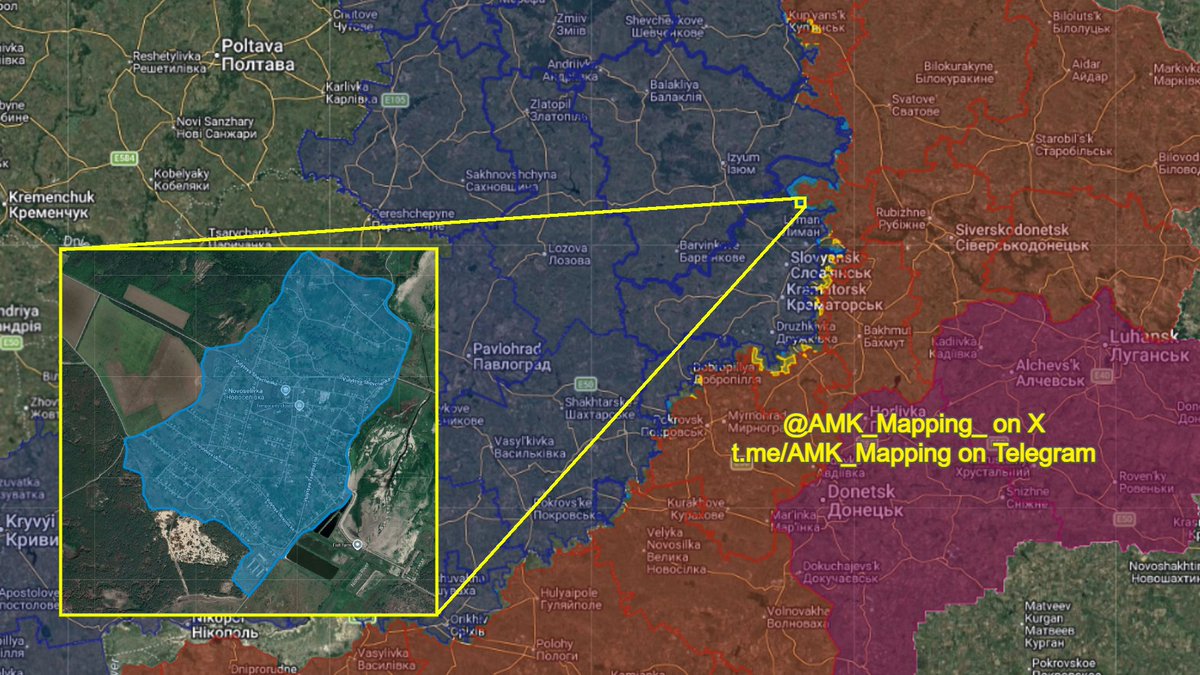
Amid the aerial and missile exchanges, Ukrainian ground forces achieved a notable tactical victory in the Donetsk Oblast. At 01:42 UTC, Ukrainian troops recaptured the village of Novoselivka after a six‑month contest in the Lyman direction. The retaking of Novoselivka, confirmed by monitor_the_situation, marks a setback for Russian forces entrenched in the region and reflects Ukraine’s ongoing counter‑offensive momentum.
"Ukrainian forces retook Novoselivka after a six‑month battle in the Lyman direction, a setback for Russian troops in Donetsk Oblast," monitor_the_situation, 01:42 UTC, https://t.me/monitor_the_situation/28751
The recapture did not involve reported casualties in the immediate statement, but the prolonged engagement suggests significant attrition on both sides over the preceding months.
Strategic Implications
The confluence of high‑precision missile strikes, proliferating drone attacks, and fluid ground movements on 29 August underscores a marked intensification of hostilities across multiple domains. The Onyx supersonic missiles, capable of hypersonic speeds and maneuverability, represent a qualitative upgrade in Russia’s long‑range strike arsenal, threatening critical civilian infrastructure in coastal cities. Simultaneously, the deployment of cruise missiles from Belgorod toward Dnipro illustrates a coordinated effort to pressure Ukraine’s central industrial heartland.
Ukrainian drone operations targeting Moscow signal a strategic shift toward reciprocal deep‑strike capabilities, potentially raising the risk of escalation beyond the contested border zones. The Izmail UAV attack, while limited in scale, demonstrates Russia’s continued reliance on low‑cost drones to disrupt supply chains and civilian logistics.
On the ground, the recapture of Novoselivka provides Kyiv with a foothold that could serve as a staging point for further advances in Donetsk, while also imposing logistical challenges on Russian defensive lines. The absence of reported civilian casualties in the recent missile and drone attacks does not preclude future humanitarian impacts, especially given the vulnerability of power infrastructure in Odessa and industrial sites in Mykolaiv.
Overall, the events of 29 August reflect a multi‑layered escalation, with each side leveraging advanced weaponry and asymmetric tactics to achieve both tactical and strategic objectives. Continued monitoring of missile trajectories, UAV sortie volumes, and territorial changes will be essential for assessing the trajectory of the conflict in the coming weeks.