Ukraine’s Air Force announced on 27 August that it intercepted 233 of 258 Russian missiles and drones launched overnight, marking the most extensive aerial defence effort recorded in the conflict to date. The strikes were reported across fifteen locations nationwide, ranging from the capital Kyiv to the southern front in Kherson. The Ukrainian statement, posted on the Monitor the Situation channel, highlighted the effectiveness of integrated air‑defence systems and the rapid response of fighter units.
"Ukraine Air Force Reports 233 Russian Missiles and Drones Downed" – Monitor the Situation, 27 Aug 2026
Scale of the Interception Campaign
The intercepted arsenal included a mix of cruise missiles, short‑range ballistic missiles, and a variety of unmanned aerial systems (UAS) such as Shahed, Gerbera and Parodiya drones. According to the same source, Ukrainian air‑defence units shot down 134 of 162 Russian drones in a separate but concurrent operation, confirming a coordinated defensive posture against a multi‑vector assault.
New Iskander‑1000 Missiles Target Kyiv
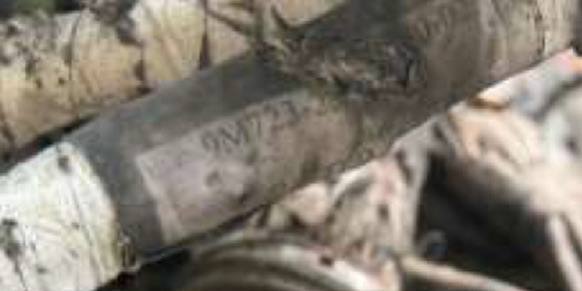
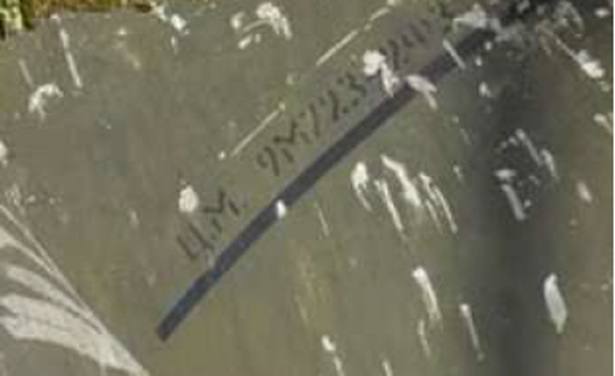
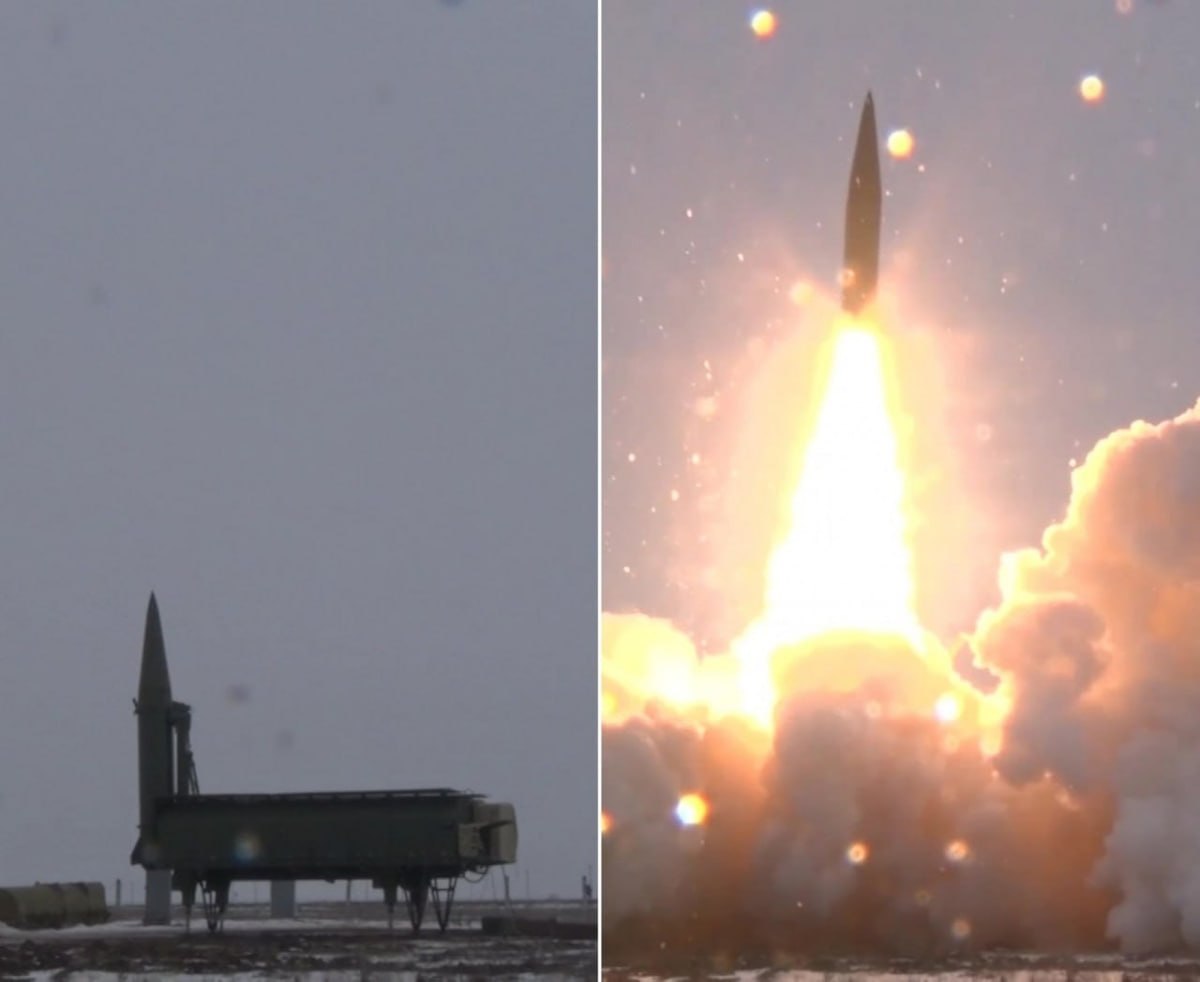
In parallel with the massive aerial barrage, Ukrainian intelligence (HUR) confirmed the first use of Russia’s upgraded Iskander‑1000 (9M723‑2) ballistic missile against Kyiv. The missile, part of the “Bora‑M” system, carries a high‑explosive fragmentation or cluster warhead and is reported to have a range of up to 550 km, extending Russia’s strike envelope deeper into Ukrainian territory. The launch was documented by intelslava, which noted the missile’s impact on a strategic target in the capital, though casualty figures were not immediately released.
"Russians have used upgraded Iskander‑1000 ballistic missiles against Kiev for the first time" – intelslava, 27 Aug 2026
Additional Rocket and Missile Attacks
Beyond the Iskander‑1000 strike, Russian forces employed a modified S‑400 ballistic missile against the AB TECHNOLOGIES factory in Kyiv, a site linked to drone production. The attack, reported by Monitor the Situation, caused significant structural damage but no confirmed fatalities. In Donetsk, Ukrainian forces launched a large‑scale counter‑strike using FP‑5 Flamingo, Storm Shadow/SCALP‑EG, and possibly AGM‑158A JASSM cruise missiles, targeting an underground parking facility and an industrial building. The Ukrainian offensive demonstrated a growing capability to strike deep within Russian‑held areas.
Drone‑Driven Kinetic Events Across the Front
Russian loitering munitions and combat drones continued to inflict damage. A Geran‑4 drone strike ignited fires at the Fozzy Group and Rozetka logistics depots in Boryspil, while a Geran‑4 jet‑drone hit a building in Lozova that Russian officials claimed housed the Ukrainian 156th Mechanised Brigade command post. In Kherson, an FPV drone struck a civilian bus, injuring three passengers. Meanwhile, a Russian Shahed drone damaged Kyiv’s Lobanovskyi Dynamo Stadium, underscoring the persistent threat to civilian infrastructure.
Ukrainian Counter‑Movements
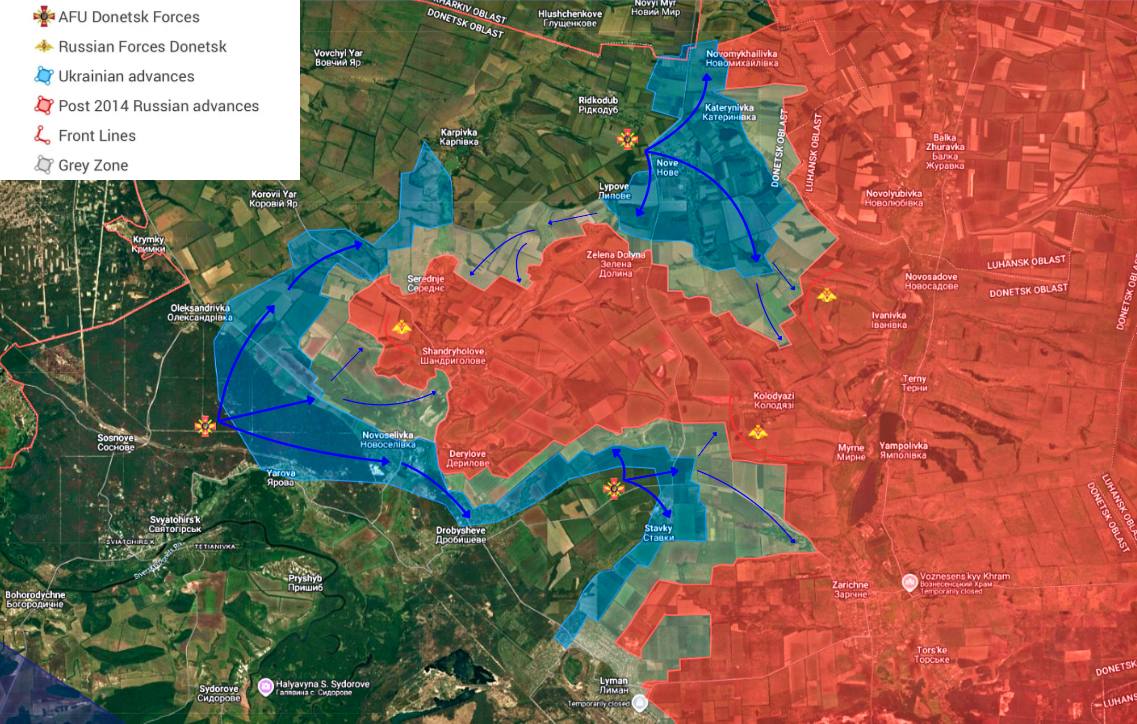
On the ground, Ukrainian forces reported recapturing multiple villages near Lyman in Donetsk Oblast, advancing toward Kolodyazi and threatening to encircle Russian units west of the settlement. Simultaneously, Russian reconnaissance elements suffered heavy losses near the Dnipro River in Kherson, as documented by Monitor the Situation, indicating intensified contestation over river crossing points.
Regional Spill‑over and Airspace Violations
Russian drone activity extended beyond Ukraine’s borders. Five Russian UAVs entered Moldovan airspace during the night, later returning to Ukrainian airspace, a breach reported by GeoPWatch. In the broader region, Sudan downed a Turkish‑made Rapid Support Forces drone over the Blue Nile, reflecting the wider destabilising impact of drone proliferation.
Implications for Ukraine’s Defence Posture
The successful interception of the majority of Russian aerial assets demonstrates the maturation of Ukraine’s integrated air‑defence network, which now combines legacy Soviet systems with Western‑supplied Patriot and NASAMS platforms. However, the introduction of the Iskander‑1000 and modified S‑400 missiles signals a Russian intent to overcome these defences with longer‑range, higher‑velocity weapons. Continued drone attacks on logistics hubs and civilian sites highlight the need for enhanced counter‑UAS capabilities and protective measures for critical infrastructure.