On 26 August 2026 a series of kinetic actions intensified the conflict footprint inside the Russian Federation. The most lethal incident occurred in Tambov, where a Ukrainian‑launched unmanned aerial vehicle (UAV) caused civilian fatalities and destroyed a major commercial facility. Subsequent attacks targeted industrial infrastructure in Tula Oblast, while Russian forces announced a strategic shift in air‑defence assets, converting S‑400 launchers to fire RM‑48U guided missiles against Ukrainian targets.
Tambov Drone Attack
At 09:36 local time a hostile UAV penetrated air‑space over Tambov, a city in central Russia. The drone released munitions that ignited a fire at a Wildberries logistics centre, a key distribution hub for the nation’s largest online retailer. The blaze rapidly engulfed the warehouse, leading to the death of three civilians and extensive material loss. Tambov Governor Yevgeny Pervyshov confirmed the facility was "completely destroyed by fire" and emphasized the attack’s impact on regional supply chains.
"The Wildberries logistics centre is completely destroyed by fire," Governor Pervyshov said, highlighting the severity of the strike.
According to AlJazeera, the incident underscores Ukraine’s expanding use of UAVs to strike economic targets deep within Russian territory, a tactic aimed at disrupting commercial activity and eroding public confidence.
Damage at Novomoskovsk Azot Chemical Plant
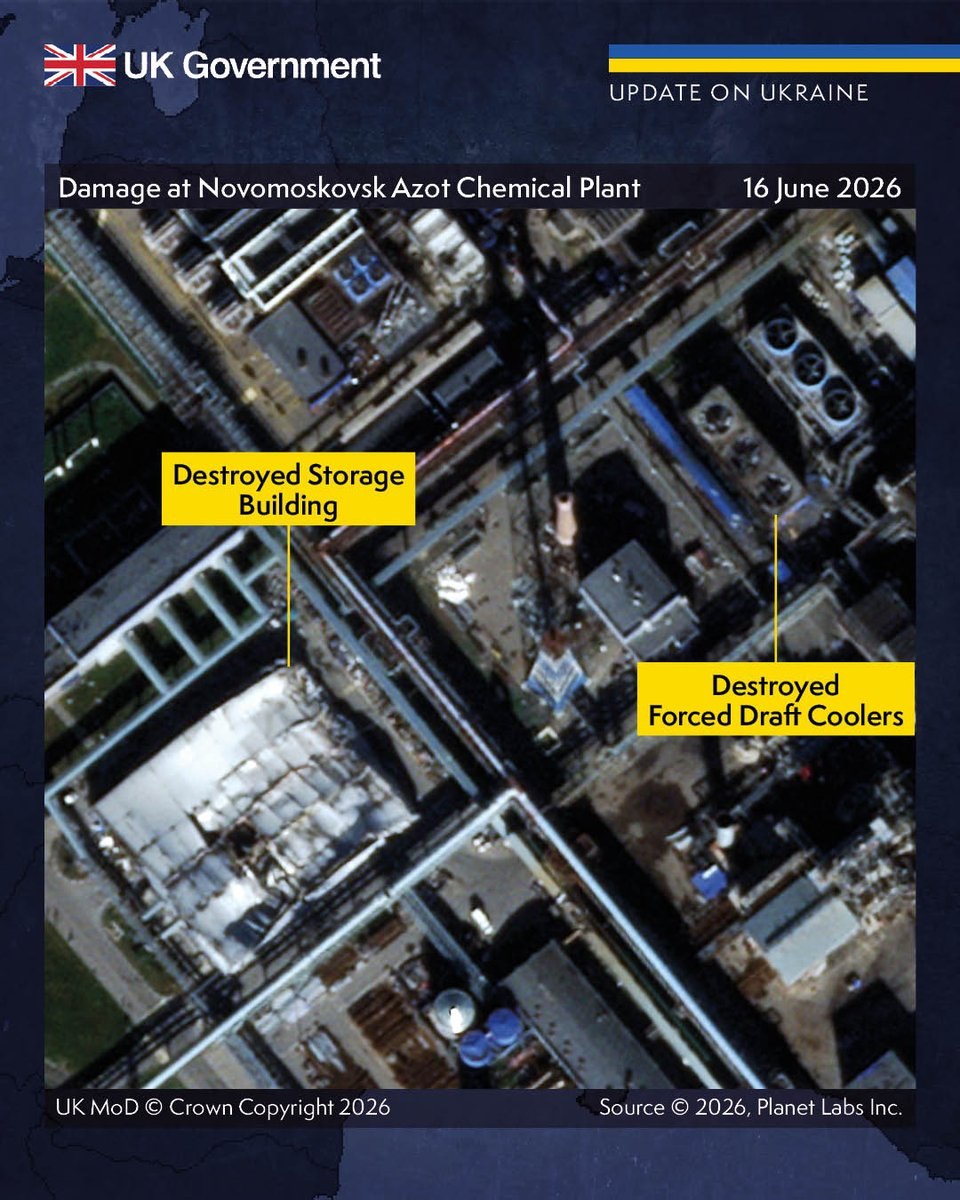
Later that day, at 15:27, satellite imagery released by UK Defence Intelligence, and circulated via the Monitor The Situation channel, showed visible damage at the Novomoskovsk Azot chemical plant in Novomoskovsk, Tula Oblast. The imagery revealed scorch marks and structural deformation consistent with a UAV strike. While no immediate casualty figures were released, the plant’s operational capacity is likely compromised, raising concerns about potential environmental and public‑health repercussions.
The Monitor The Situation post identified the responsible party as Ukrainian forces, noting the broader pattern of drone attacks on Russian industrial sites. The UK Defence Intelligence attribution adds a multinational verification layer, linking the incident to ongoing Ukrainian offensive operations against Russian strategic assets.
Conversion of S‑400 Launchers to RM‑48U Guided Missiles
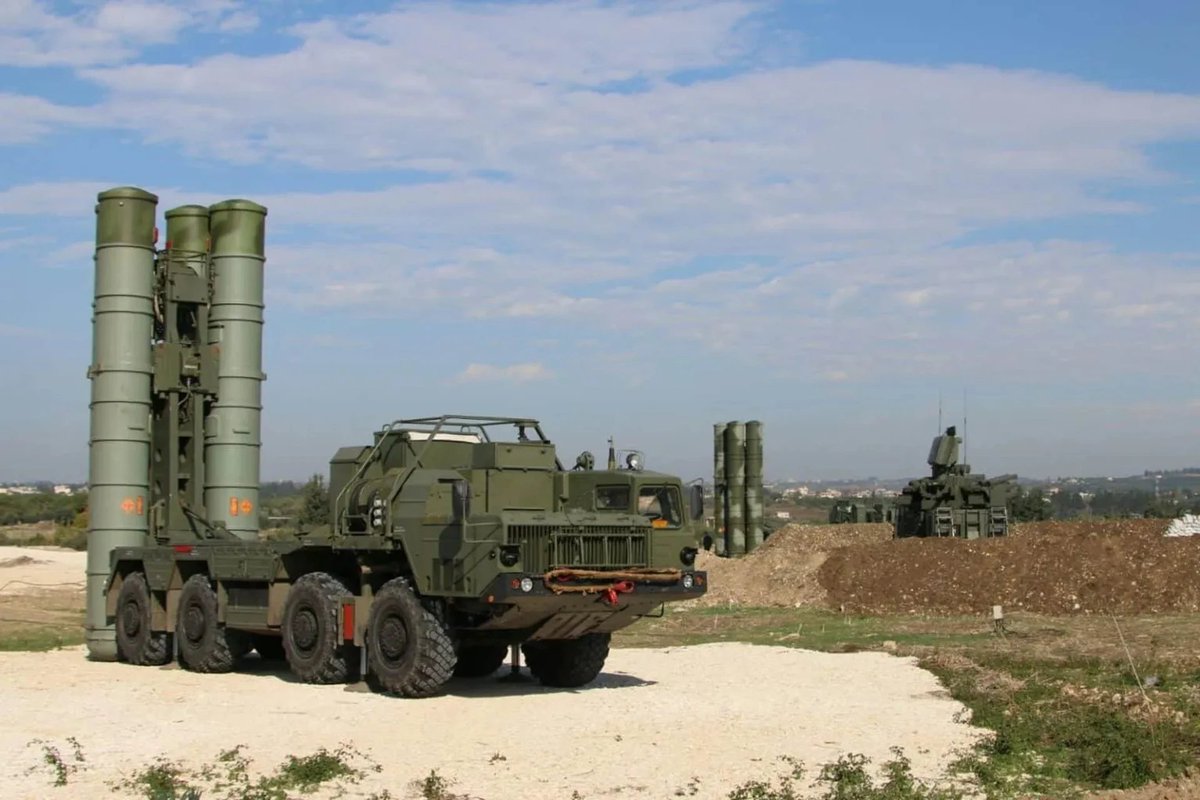
In a separate development, the Hawar United Report (HUR) documented Russia’s modification of up to 17 S‑400 air‑defence launchers to fire RM‑48U guided missiles, a capability previously reserved for dedicated surface‑to‑surface systems. Five missile groups were deployed across the Bryansk and Rostov regions, with 46 RM‑48U missiles launched in early July— a marked increase from the typical monthly rate of 15.
The conversion reflects a strategic adaptation, allowing Russia to leverage its extensive S‑400 inventory for offensive strikes against Ukrainian positions. HUR estimates that Russia currently holds approximately 400 RM‑48U missiles, with production plans to raise the stockpile to 500 units. This shift may alter the tactical balance on the front, as the RM‑48U offers extended range and precision guidance.
Analysts note that repurposing air‑defence assets for strike missions could reduce Russia’s defensive coverage against aerial threats, potentially exposing critical infrastructure to further UAV incursions. The dual‑use approach also signals Moscow’s intent to maximize existing hardware amid constraints on new missile production.
Implications and Context
The coordinated timing of these events illustrates a multi‑dimensional pressure campaign against Russian territory. Ukrainian UAV operations have demonstrated the ability to reach deep‑inside targets, inflicting both human casualties and economic disruption. Simultaneously, Russia’s decision to re‑engineer S‑400 systems underscores a reactive posture, seeking to augment offensive firepower while risking gaps in air‑defence coverage.
Both sides are leveraging technology to expand the conflict’s geographic scope. The documented incidents provide concrete evidence of escalating kinetic activity within Russian borders, a trend that may influence future diplomatic and military calculations.