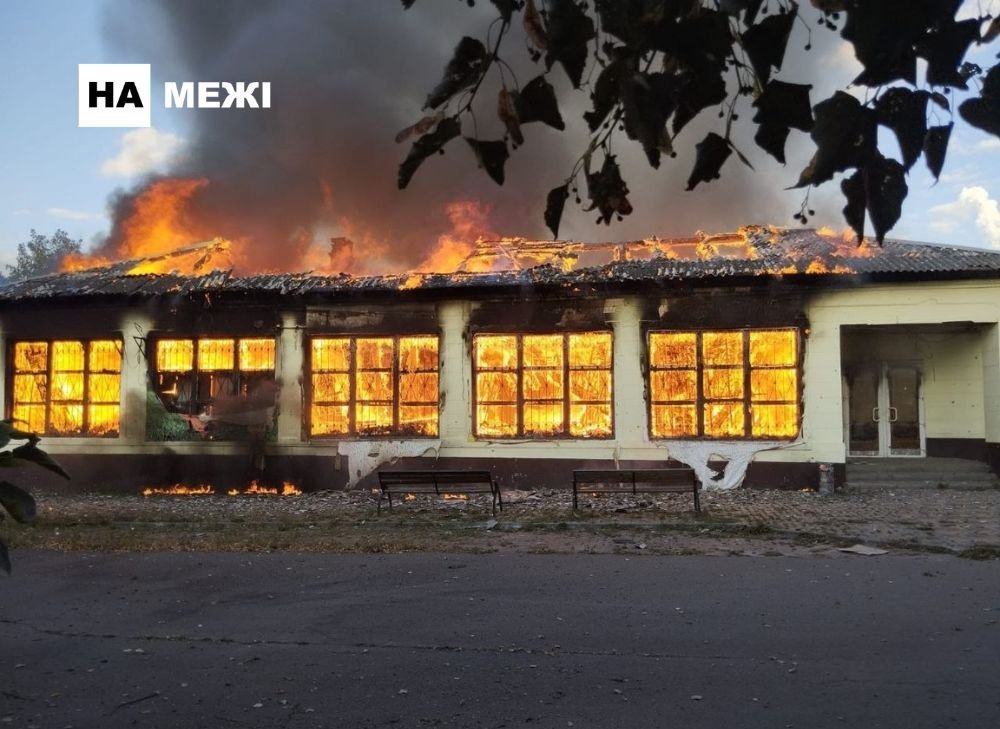
On August 24‑25, Russian forces conducted a series of strikes across the Chernihiv and Sumy regions that resulted in the deaths of eleven civilians and injured 165 others, according to the monitoring channel monitor_the_situation. The attacks, classified as significant (S3), underscore a renewed emphasis on high‑intensity kinetic actions in northern Ukraine, raising the risk of further civilian harm as the conflict enters its third year.
Air‑Delivered Munitions Target Critical Infrastructure
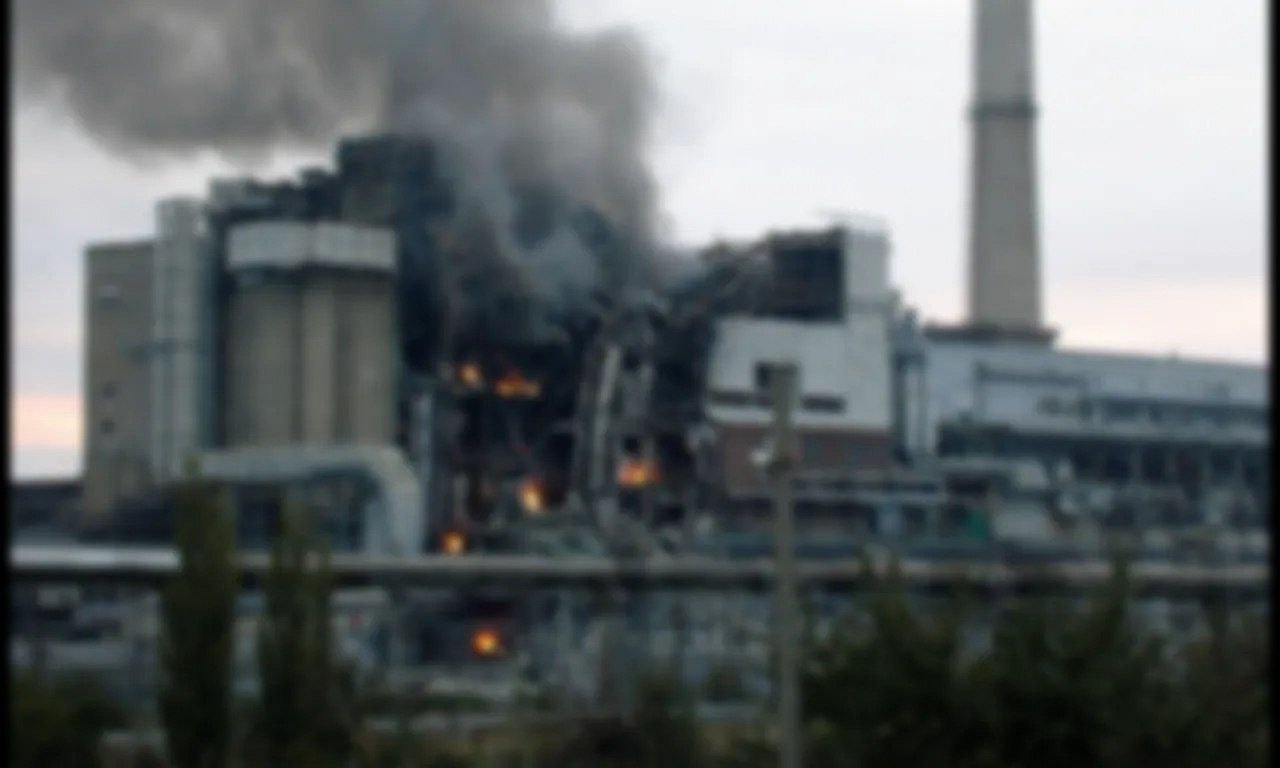
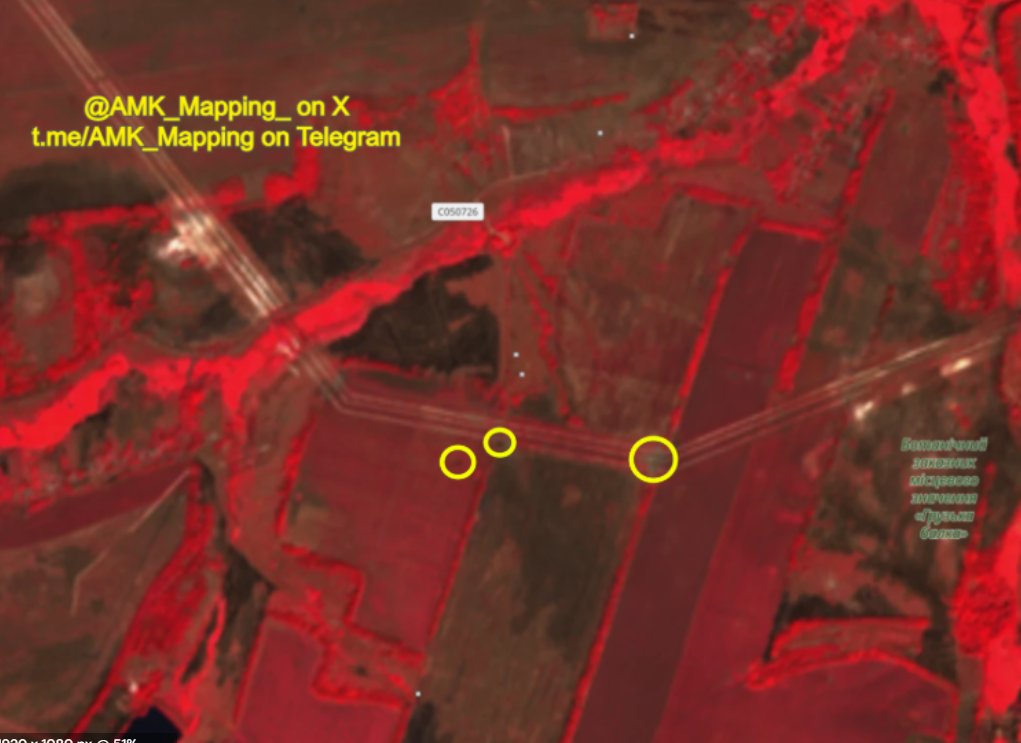
Throughout the day, Russian air assets deployed a variety of precision weapons against Ukrainian energy and defensive installations. In Kherson, a Russian KAB glide bomb struck the Kherson Thermal Power Plant, causing extensive damage to the facility’s generation capacity (intelslava). The same class of weapon was used in Donetsk Oblast, where three KAB‑500 glide bombs hit the New Donbas defensive line near Zolotyi Kolodyaz, reinforcing Russian pressure on the eastern front (monitor_the_situation).
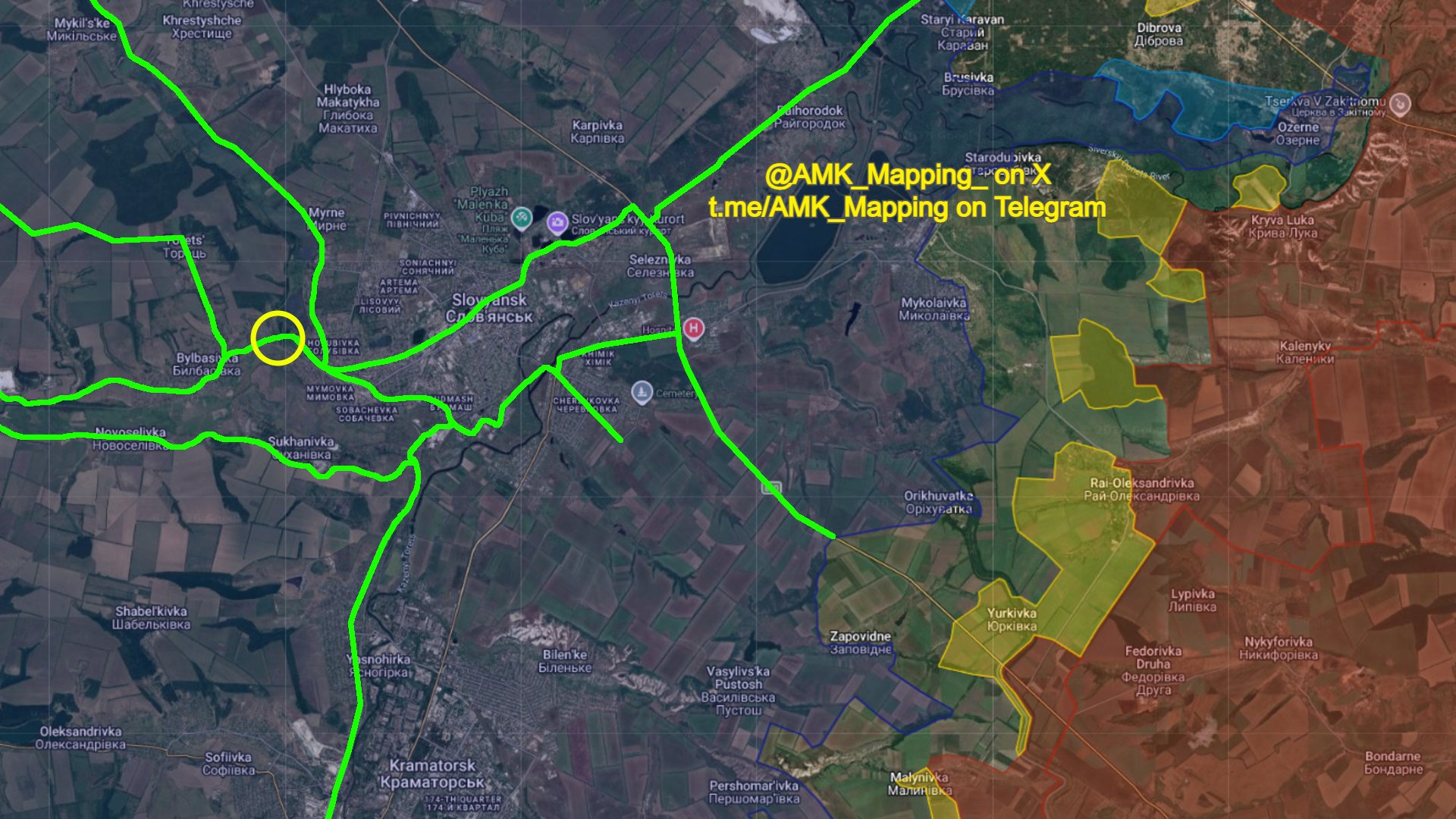
Further north, a KAB glide bomb impacted a bridge near Slavyansk in Luhansk Oblast, creating two small craters but leaving the structure passable (CIG_telegram). While the physical damage was limited, the strike marks the fourth bridge attack in Slavyansk since early August, indicating a systematic effort to disrupt logistics.
UAV Operations Escalate on Both Sides
Ukrainian drone activity intensified over the Crimean peninsula, with multiple reports of UAVs attacking districts of Sevastopol and nearby settlements (GeoPWatch). Russian forces responded with small‑arms fire in an attempt to down the intruding aircraft (GeoPWatch), highlighting the contested airspace over the strategically vital Black Sea port.
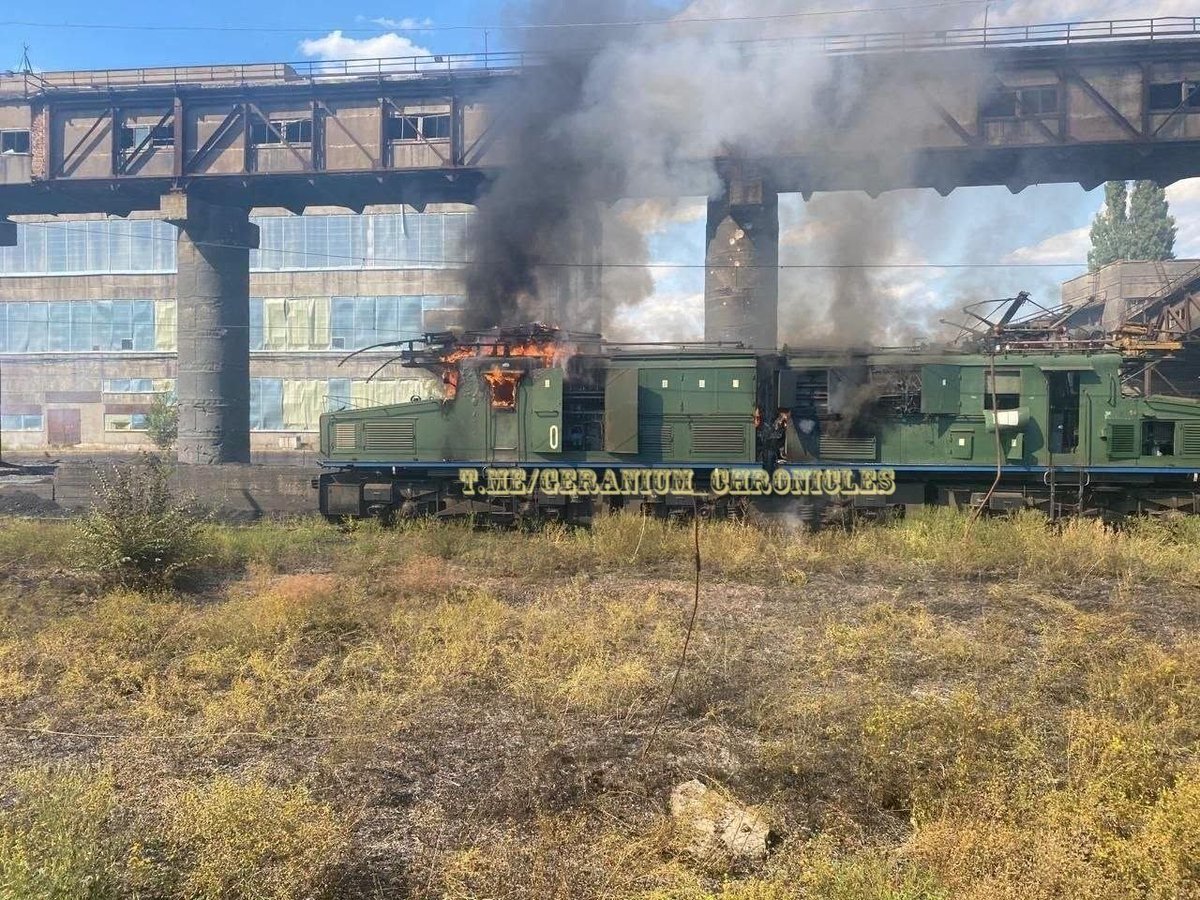
Conversely, Russian UAVs continued to target Ukrainian infrastructure. A Geran‑5 loitering missile was observed over Chernihiv, striking a warehouse and demonstrating the growing deployment of Russian cruise‑missile drones (intelslava). In the Kharkiv region, a Geran‑2/4 drone ignited a large fire at a gas facility, threatening energy supplies and civilian safety (monitor_the_situation). Additionally, an FPV drone struck a Ukrainian locomotive near Marhanets in Dnipropetrovsk Oblast, disrupting rail logistics (monitor_the_situation).
Russian Air Defenses Counter Ukrainian Drones
Russian air defense units, specifically the 50th Separate Unmanned Systems Brigade “Varyag,” successfully intercepted Ukrainian drones over Kherson Oblast (intelslava). The footage released by the brigade shows multiple engagements, indicating an increasingly capable Russian anti‑drone posture in the south.
Ground Movements and Counter‑Offensives
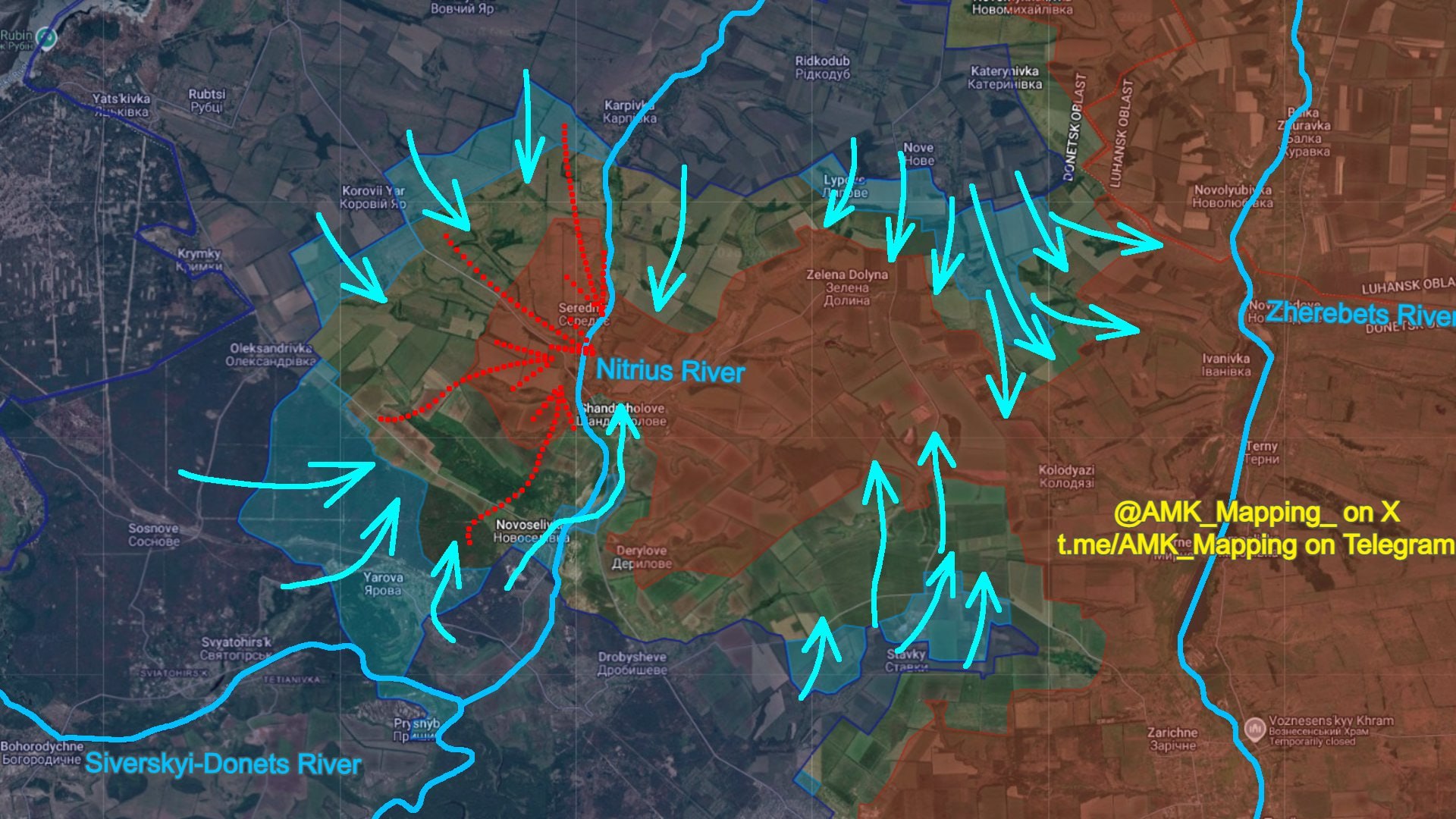
Ukrainian forces reported advances around Krasny Lyman in Luhansk Oblast, prompting a partial Russian withdrawal and a subsequent wave of KAB‑500 glide‑bomb strikes on recaptured positions (CIG_telegram). The maneuver reflects a broader Ukrainian effort to compress the Russian salient in the region, with the potential to threaten supply lines if the pincers close.
Explosions and Depot Fires
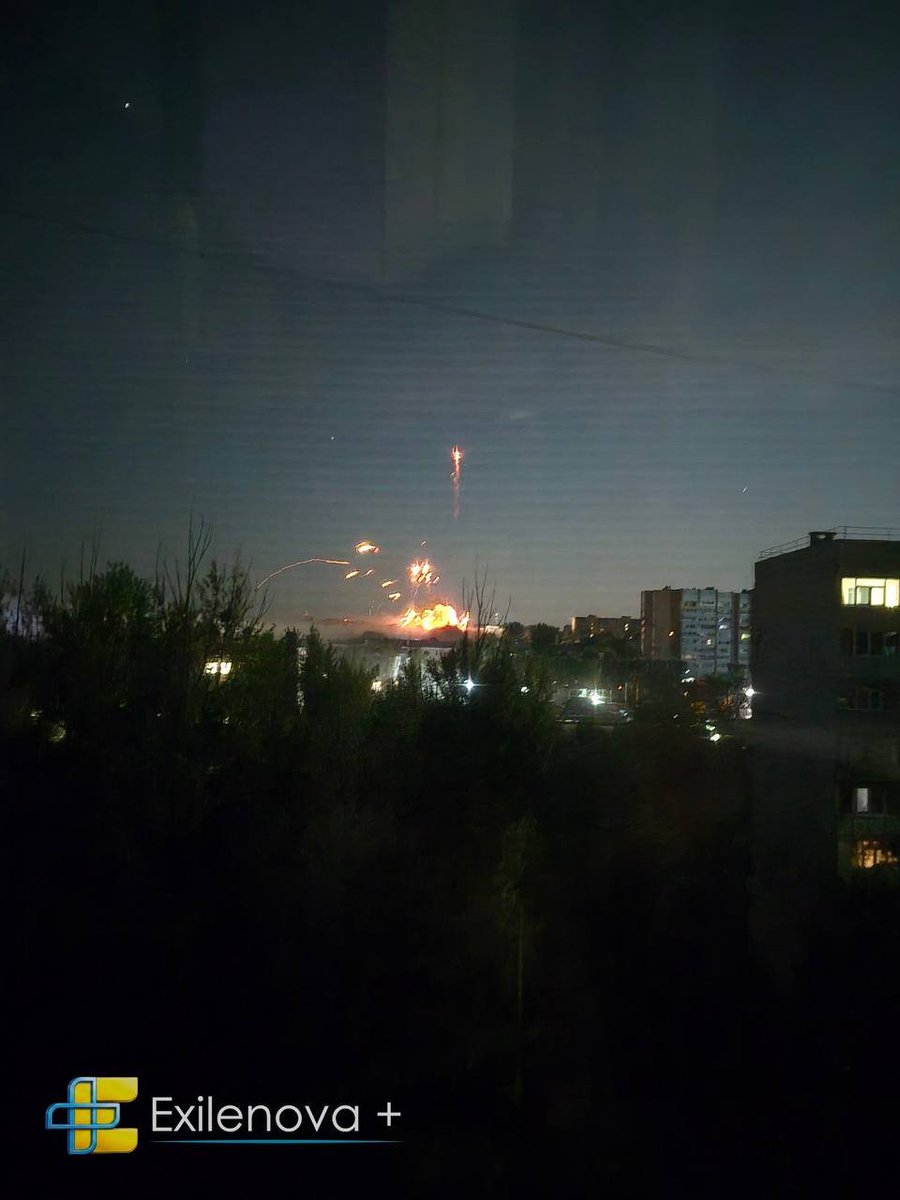
An overnight explosion struck a weapons depot in Russian‑occupied Luhansk, igniting a fire that persisted into the morning (monitor_the_situation). While casualty figures were not disclosed, the incident underscores the vulnerability of ammunition storage sites in contested territories.
Contextual Overview
The cumulative effect of these kinetic events illustrates a multi‑dimensional escalation: conventional air strikes, precision glide‑bomb attacks, and increasingly sophisticated UAV operations are being employed simultaneously across Ukraine’s frontlines. The concentration of high‑explosive munitions in civilian‑adjacent areas—such as the warehouse strike in Chernihiv and the bridge attack in Slavyansk—raises the probability of collateral damage, as evidenced by the August 24‑25 civilian casualties in the north.
"Eleven civilians killed, 165 injured in Chernihiv and Sumy regions – a stark reminder that the war’s lethality extends beyond the battlefield." – Summary from monitor_the_situation, 2026‑08‑26
These developments suggest that both sides are leveraging a broader spectrum of kinetic capabilities to achieve tactical objectives, while the civilian population continues to bear the brunt of intensified hostilities.