On 26 August 2026, a Russian‑operated unmanned aerial vehicle (UAV) conducted a confirmed strike on a fuel depot belonging to the Front for the Liberation of Azawad (FLA) in the Abeibara countryside, north of Kidal, Mali. The attack was reported by the open‑source intelligence channel rnintel, which also highlighted a concurrent disinformation effort involving an older video of a Rapid Support Forces (RSF) drone strike in Sudan’s North Kordofan region. No casualties were immediately reported, but the loss of fuel supplies could impair FLA operational mobility in the region.
"A Russian drone struck an FLA fuel depot in the Abeibara countryside of northern Mali, while a misleading video of an older RSF drone strike in Sudan was being circulated," rnintel, 26 Aug 2026.
The strike underscores Russia’s expanding UAV deployment beyond its traditional theatres, now targeting assets in West Africa. The use of a combat‑capable drone aligns with Moscow’s broader strategy of leveraging precision strike capabilities to support allied militias and to project influence in resource‑rich but politically unstable zones.
Disinformation Surrounding the RSF Video
Simultaneously, pro‑Russian and other “pro‑cannibalism” outlets circulated the aforementioned video, falsely presenting it as evidence of a recent attack on FLA positions in Mali. The footage, verified as several months old, depicts an RSF‑operated drone striking a fuel depot in Sudan’s North Kordofan. Analysts note that the misattribution aims to amplify the perceived reach of Russian‑aligned forces, potentially shaping public perception and diplomatic narratives in both Mali and the broader Sahel.
Belarus Mobilises Artillery Brigade Amid Russian Pressure
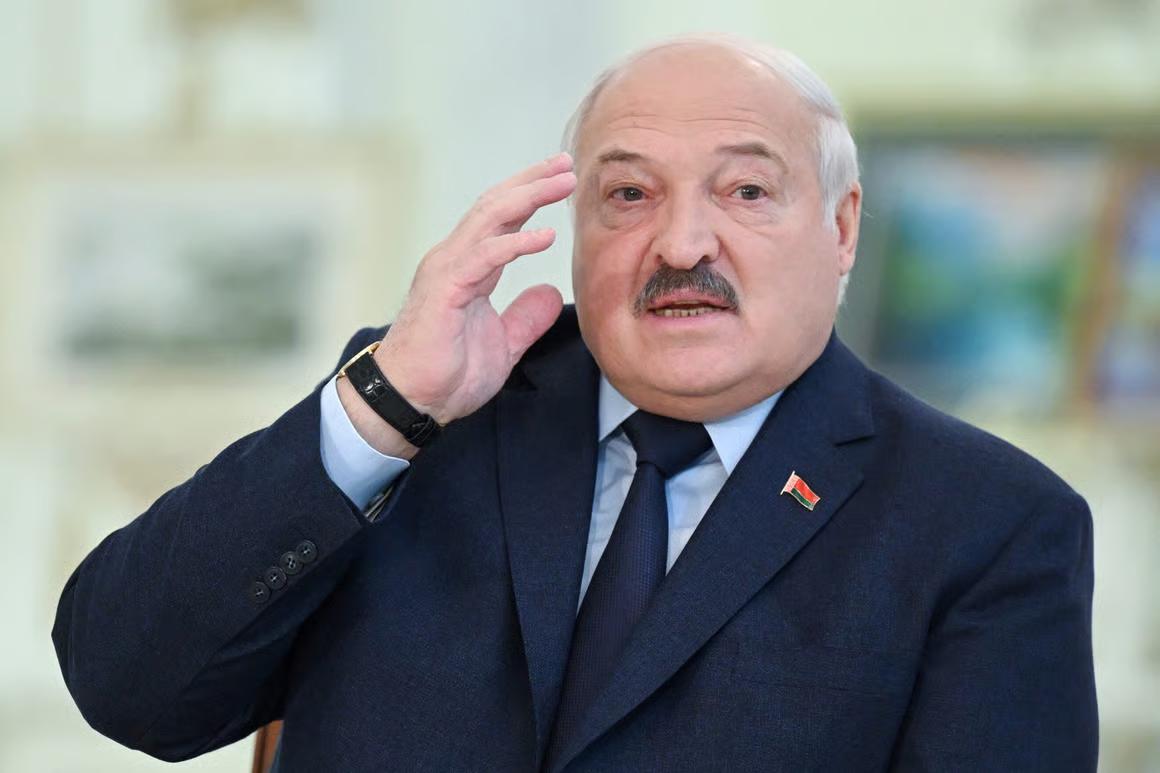
In a separate development, Belarusian President Alexander Lukashenko ordered a rapid combat‑readiness inspection of the nation’s armed forces, directing at least one artillery brigade to achieve full combat readiness and relocate from its permanent deployment site. The directive, reported by GeoPWatch, reflects heightened Russian pressure for Belarus to assume a more direct role in the ongoing conflict in Ukraine. While no movement of troops into Ukraine has been confirmed, the readiness order signals a potential escalation in Belarus’s involvement, expanding its conventional artillery capabilities in proximity to the Ukrainian front.
"Belarusian President Alexander Lukashenko has ordered a snap combat‑readiness inspection of the country’s Armed Forces. At least one artillery brigade is being brought to full combat readiness and will leave its permanent deployment point to conduct a series of undisclosed tasks," GeoPWatch, 26 Aug 2026.
The artillery brigade’s relocation, though undisclosed, could facilitate rapid deployment to border areas or serve as a deterrent against NATO‑aligned activities in the region. The move also illustrates the strategic calculus of Russia, leveraging allied states to broaden its conventional force posture without direct troop commitments.
Ukraine Claims Long‑Range Missile Strikes on Russian Targets
Ukraine’s President Volodymyr Zelensky announced that Ukrainian forces had successfully struck sixteen targets within Russian territory using long‑range missile systems. According to monitor_the_situation, the strikes hit oil facilities, airfields, a missile unit, and associated infrastructure used to launch attacks against Ukraine. While specific casualty figures were not disclosed, the targeting of logistical and command nodes suggests an intent to degrade Russia’s war‑fighting capacity and to impose economic costs.
"Zelensky Says Ukraine Struck 16 Targets in Russia. Ukraine's president said long‑range strikes hit oil facilities, airfields, a missile unit and infrastructure used to attack Ukraine over the past day," monitor_the_situation, 26 Aug 2026.
The operation demonstrates Ukraine’s expanding strike range, likely employing systems such as the ATACMS and the newly fielded R‑500 cruise missiles. By striking deep within Russian territory, Kyiv aims to compel Moscow to allocate resources to homeland defense, thereby relieving pressure on the front lines in the east.
Analytical Overview
The three events, while geographically disparate, collectively illustrate a pattern of kinetic engagements complemented by information operations. The confirmed Russian UAV strike in Mali represents a tangible extension of Moscow’s kinetic reach into Africa, reinforcing alliances with local insurgent groups. The Belarusian artillery readiness order, though not yet resulting in direct combat, signals a strategic posture shift that could alter the balance of conventional forces along the eastern European front. Ukraine’s long‑range missile campaign underscores the escalating capability of Kyiv to project power deep into Russian territory, potentially reshaping the conflict’s operational dynamics.
All three incidents were documented by open‑source channels—rnintel, GeoPWatch, and monitor_the_situation—highlighting the continued relevance of digital intelligence platforms in tracking real‑time developments across multiple theatres.