On August 26, 2026, a fire erupted at a hospital in Islamabad, Pakistan, killing at least 14 infants. Local television reports confirmed the fatalities, and the Jerusalem Post (JPost) identified a fault in the building’s air‑conditioning system as the probable cause. The incident underscores the vulnerability of civilian infrastructure in densely populated urban centers.
"A fire at a hospital in Islamabad killed at least 14 infants, reportedly caused by an air‑conditioning fault," JPost reported.
The tragedy occurred in the early hours of the morning, around 03:56 local time, when the fire spread rapidly through the neonatal ward. Emergency responders faced challenges accessing the site due to congested streets and limited fire‑suppression equipment. No weapons were involved, and no armed groups claimed responsibility.
Rebel Attack in South Kordofan, Sudan
Within the same day, Sudan’s South Kordofan region experienced a separate wave of violence. According to Al Jazeera, the Sudan Doctors Network documented that the Sudan People’s Liberation Movement‑North (SPLM‑N) rebels killed 27 individuals, including four children. The attacks were carried out in multiple villages, targeting civilian populations and local health facilities.
"Sudan Doctors Network says SPLM‑N rebels killed 27 people in South Kordofan, including four children," Al Jazeera reported.
The rebel group, which has been engaged in a protracted conflict with the Sudanese government, employed small arms and improvised explosive devices in the assaults, though the specific weapons were not detailed in the source. The casualties reflect a continued pattern of civilian harm in Sudan’s internal conflicts, where health workers often serve as the primary source of casualty verification.
Ongoing Vessel Attacks in the Strait of Hormuz
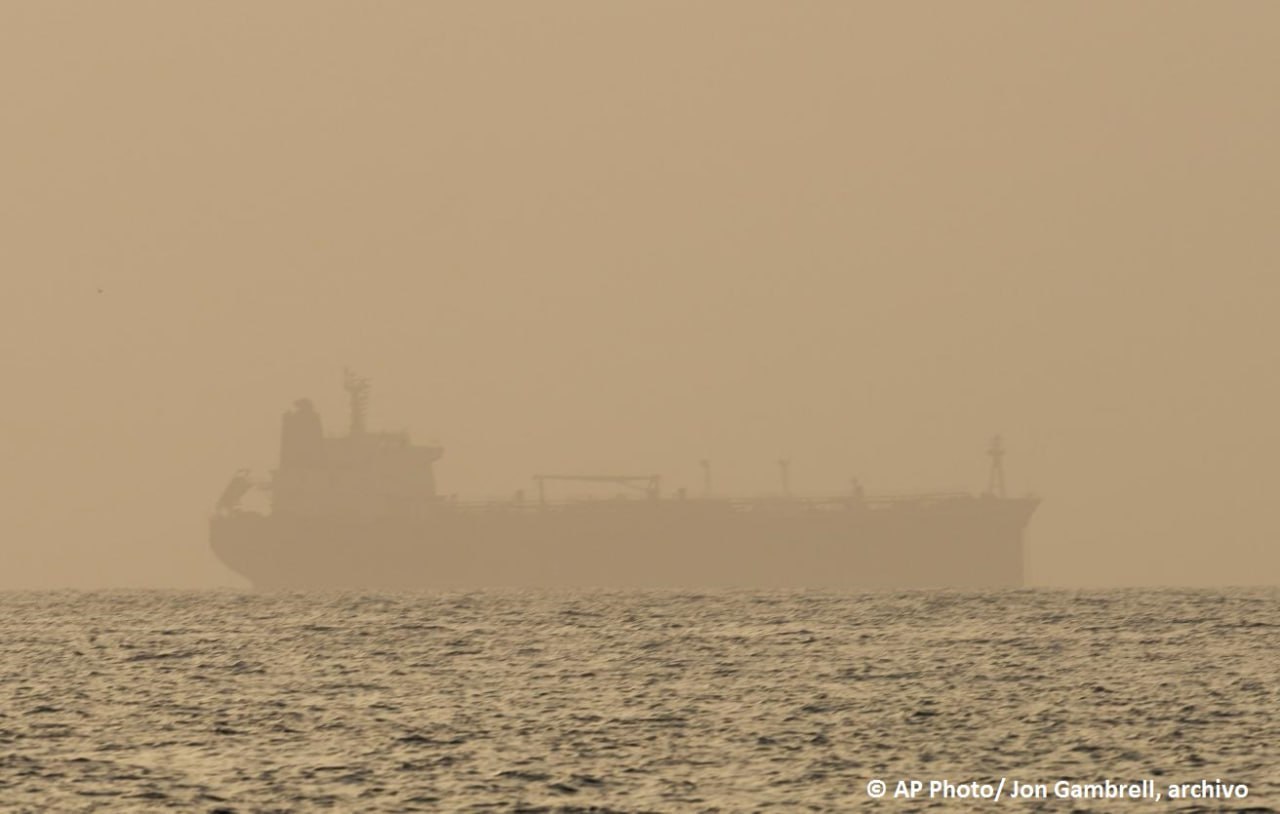
In the maritime domain, the Strait of Hormuz remains a flashpoint. Intelligence source intelslava cited data from the International Maritime Organization (IMO) indicating that, since late February 2026, 68 vessel incidents have been confirmed in the narrow waterway separating Oman and Iran. These attacks have resulted in 19 sailor deaths, 49 injuries, and one missing crew member.
"Nineteen sailors have died after attacks on 68 vessels in the Strait of Hormuz since the outbreak of the conflict around Iran in late February," intelslava reported.
The incidents involve a range of tactics, including missile strikes, drone assaults, and small‑boat engagements, though the specific weapons were not enumerated in the available report. The IMO’s data underscores the strategic importance of the strait for global oil shipments and the heightened risk to commercial navigation.
Collectively, these three events illustrate a broader pattern of instability that transcends regional boundaries. The Islamabad hospital fire highlights the consequences of inadequate safety standards in civilian infrastructure. The South Kordofan rebel offensive demonstrates the persistent threat to non‑combatants in internal armed conflicts. Meanwhile, the sustained maritime attacks in the Strait of Hormuz reveal the vulnerability of critical global trade routes to asymmetric warfare.
International observers and humanitarian agencies have called for immediate investigations and enhanced protective measures. The JPost article urges Pakistani authorities to review hospital safety protocols, while the Sudan Doctors Network emphasizes the need for cease‑fire negotiations to safeguard civilians. The IMO continues to issue advisories to shipping companies, recommending route adjustments and heightened security measures in the Hormuz corridor.
While each incident occurs in distinct geographic and political contexts, they share common threads: the exposure of civilian populations to violence, the challenges of enforcing safety standards, and the difficulty of securing critical infrastructure against both accidental and deliberate threats. Monitoring these developments remains essential for policymakers seeking to mitigate the cascading effects of localized crises on global stability.