Russian airstrikes on Kyiv at 14:35 UTC killed 15 civilians and injured 39, marking the deadliest strike on the capital this year. The attack coincided with a Ukrainian operation that deployed newly‑fielded anti‑aircraft UAVs against the Kamensky chemical plant, a facility that produces rocket fuel for Russian forces. Video evidence was released by the monitoring channel monitor_the_situation (source).
Air Operations: High‑Intensity Strikes on Urban Centers
Following the Kyiv raid, Russian forces detonated ten coordinated explosions in Chernihiv at 12:51, targeting the city’s energy grid and causing widespread power outages (monitor_the_situation). No casualty figures were released, but the disruption underscores a tactical focus on civilian infrastructure.
"Russia Strikes Chernihiv Energy Grid, Causing Power Outages" – monitor_the_situation
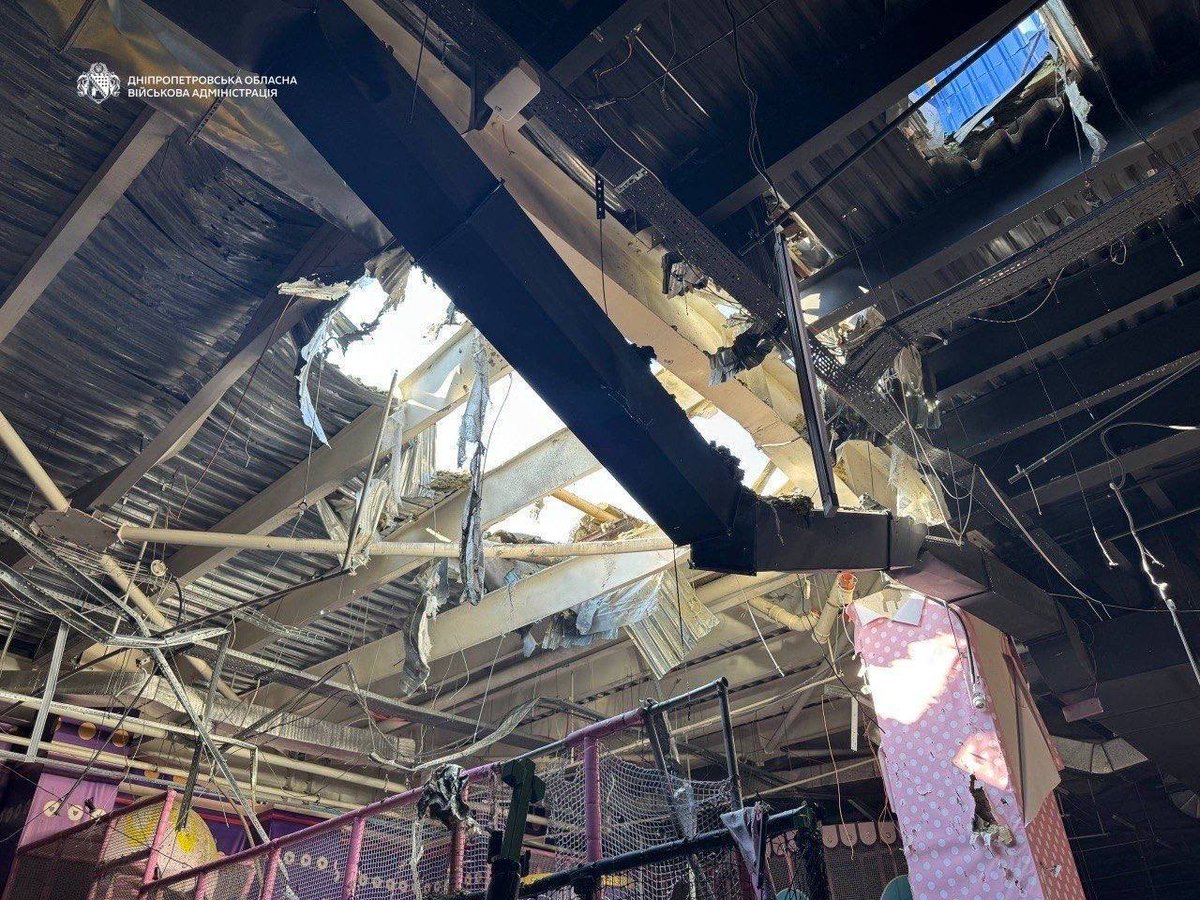
Earlier in the day, Russian drones struck multiple locations across Ukraine: an apartment block in Zaporizhzhia, a residential building in Kyiv, and a parking area in Dnipro. The attacks caused structural damage but no immediate casualties were reported (monitor_the_situation).
UAV Campaign: Ukrainian Offensive and Russian Defensive Responses
Ukrainian drone operations intensified across the front. The Signum unmanned systems battalion of the 59th Assault Brigade hit two Russian cargo‑train locomotives near Volnovakha, disrupting logistics in Donetsk Oblast (monitor_the_situation).
In a separate strike, Ukrainian drones targeted the Ozon logistics warehouse in Chapayevsk, Samara Oblast, Russia, igniting large fires and causing visible damage confirmed by satellite imagery (monitor_the_situation).
Further south, a Ukrainian drone attack on the Afipsky oil refinery in Krasnodar Krai resulted in two fatalities and a blaze that threatened regional fuel supplies (Al Jazeera).
Russian forces responded with air‑defense actions. The 50th Separate Unmanned Systems Brigade “Varyag” intercepted several Ukrainian drones over Kherson Oblast at 15:34 (intelslava). Additionally, a Ukrainian FP‑1 long‑range attack drone was shot down by a Russian aircraft cannon while approaching a dry cargo ship, marking the first documented downing of this drone type (intelslava).
Cross‑Border and Remote Threats
Russian drone activity extended beyond Ukrainian territory. A Geran‑4 drone struck an Epicentr hypermarket in Ilichanka, Odesa Oblast, igniting a fire (monitor_the_situation). In Mohyliv‑Podilskyi, a Russian drone attacked the Ukraine‑Moldova border crossing, the third such strike in two weeks (monitor_the_situation).
Intelligence from GeoPWatch suggested a potential launch of an Oreshnik hypersonic weapon aimed at Ukraine, noting that existing radar networks would likely miss the inbound trajectory (GeoPWatch).
Ground Operations: Ukrainian Gains in Kharkiv
On the ground, Ukraine’s 23rd Assault Regiment, supported by a foreign R.U.G. unit, seized the northern sector of Zapadne in the Kupyansk area of Kharkiv Oblast after clearing a forest southwest of Dvorichna (monitor_the_situation). This advance consolidates Ukrainian control over a strategic corridor and improves supply line security for forthcoming operations.
Russian Sabotage and Infiltration
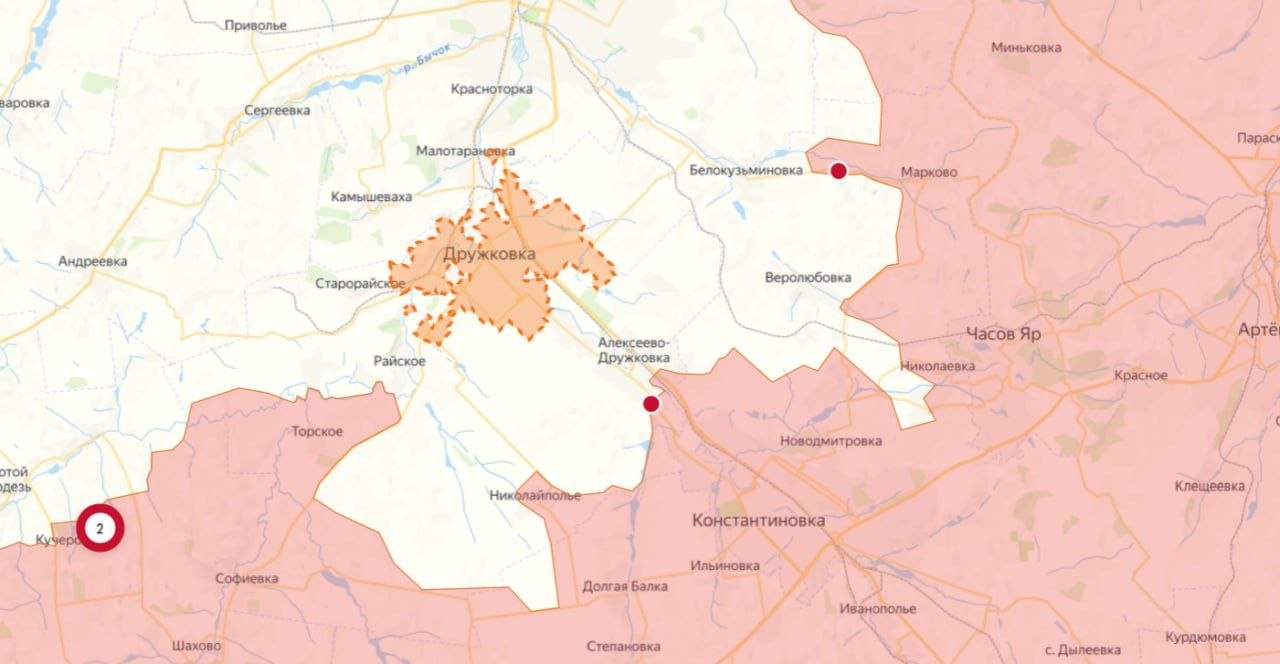
Russian reconnaissance and sabotage groups continued covert activities. At 12:18, a Russian infiltration team entered Druzhkovka, Donetsk Oblast, killing four Ukrainian soldiers (intelslava).
Analytical Assessment
The events of 25 August illustrate a dual‑track conflict dynamic. Russia escalates high‑profile airstrikes on civilian centers while simultaneously deploying drones to pressure logistical nodes in occupied territories. Ukraine, in turn, expands its UAV arsenal, employing both short‑range strike drones and longer‑range FP‑1 platforms to hit deep targets in Russia, including energy and logistics infrastructure.
Ukrainian territorial gains in Kharkiv demonstrate effective combined‑arms coordination between regular forces and foreign volunteer units, suggesting a continued focus on exploiting gaps in Russian defensive lines. The successful use of anti‑aircraft UAVs against the Kamensky chemical plant indicates a maturation of Ukrainian counter‑UAV capabilities, potentially altering the risk calculus for Russian aerial operations over contested zones.
Overall, the day’s combat actions underscore an intensifying contest for air superiority, the growing strategic relevance of unmanned systems, and the importance of protecting critical infrastructure on both sides of the front.