On August 25, 2026, the most lethal incident of the day occurred in the Jabalia refugee camp in northern Gaza, where an Israeli unmanned aerial vehicle (UAV) strike killed three civilians and wounded several others, according to Al‑Shifa Hospital sources. The attack, captured on video and reported by the monitoring channel monitor_the_situation, marks a sharp escalation in aerial operations over the Gaza Strip.
"The strike killed three civilians and wounded several more. Al‑Shifa Hospital is confirming the casualties and urging the international community to intervene," the hospital statement read (Source: https://t.me/monitor_the_situation/28490).
The UAV, identified as an Israeli‑manufactured reconnaissance drone equipped with precision‑guided munitions, targeted a densely populated residential block within the camp. While the exact weapon type was not disclosed, the use of a drone‑borne munition aligns with Israel’s recent shift toward lower‑altitude, high‑precision strikes intended to limit collateral damage—though the outcome here suggests otherwise.
One‑Year Remembrance of the Mariam Dagga Hospital Attack
Later that afternoon, Gaza observed a solemn ceremony marking the one‑year anniversary of the Mariam Dagga hospital strike, which killed 22 Palestinians in a double Israeli attack. The event, covered by AlJazeera, featured speeches from local officials and families of the victims, underscoring the enduring humanitarian impact of the conflict (Source: https://www.aljazeera.com/video/newsfeed/2026/8/25/gaza-marks-one-year-since-mariam-dagga-was-killed-in-israeli-strike?traffic_source=rss). No new violence was reported during the ceremony, but the gathering highlighted the persistent trauma within the enclave.
Israeli Airstrikes in Southern Lebanon
Concurrently, Israeli air power was directed across the border into Lebanon’s south, striking the al‑Mansouri and Sarbin areas. The Lebanese National News Agency, cited by monitor_the_situation, confirmed the raids at 16:00 GMT, noting that the strikes targeted what Israel described as “militant infrastructure” linked to Hezbollah (Source: https://t.me/monitor_the_situation/28488). While casualty figures were not immediately released, local reports indicated damage to residential structures and a temporary displacement of civilians.
The timing of the Lebanese strikes, occurring within an hour of the Jabalia drone attack, suggests a coordinated escalation aimed at applying pressure on multiple fronts. Both incidents employed aerial platforms—UAVs in Gaza and manned aircraft in Lebanon—demonstrating Israel’s reliance on air superiority to achieve tactical objectives.
Broader Regional Developments
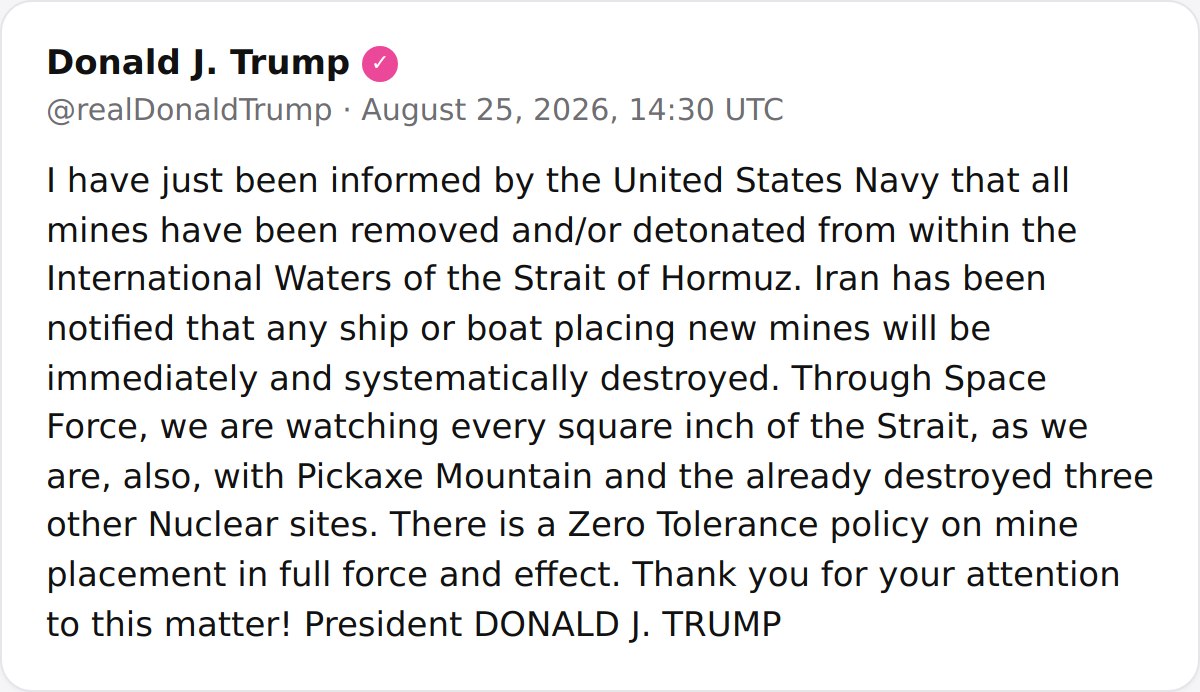
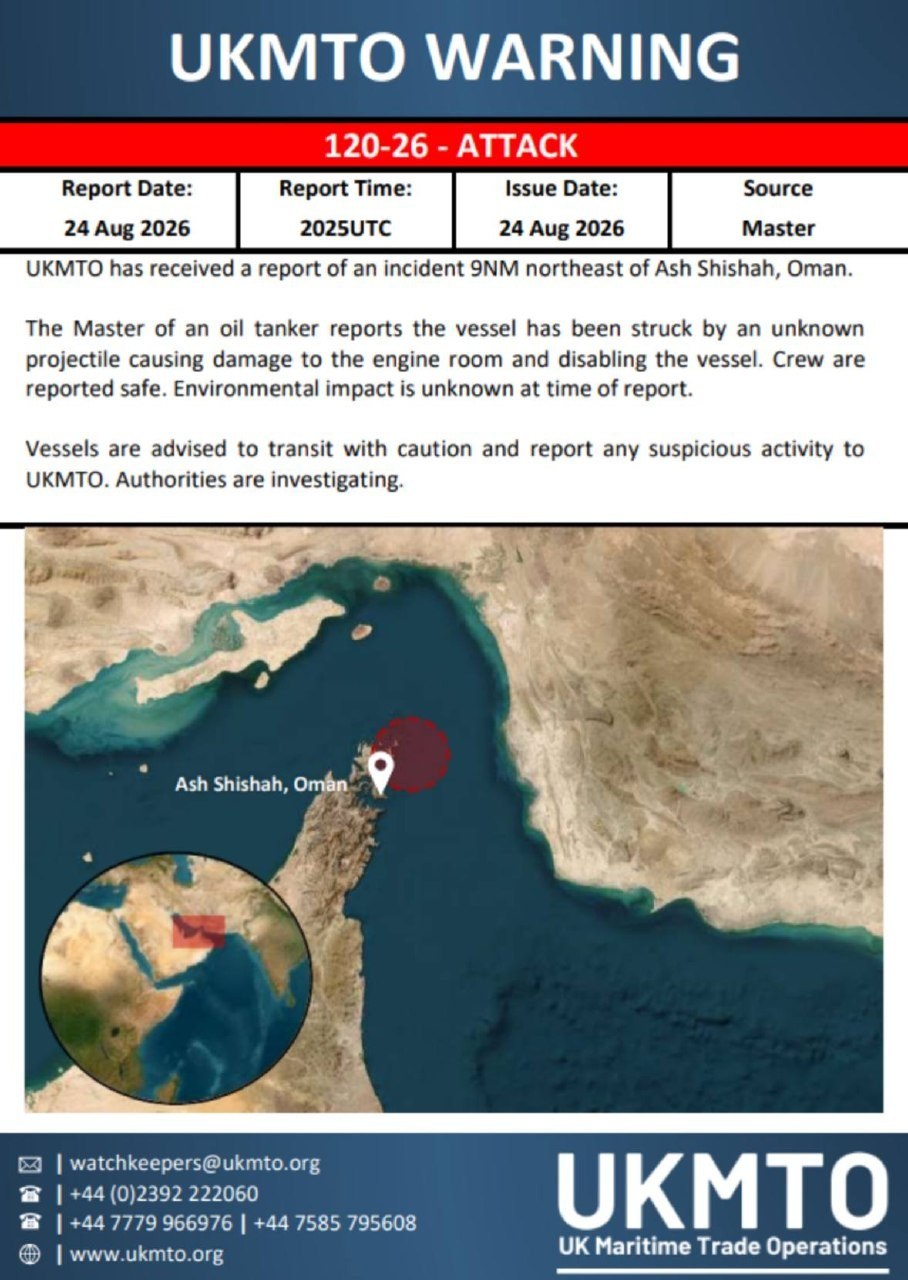
Although the primary focus of today’s briefing is the Gaza‑Lebanon axis, several ancillary events provide context for the region’s security environment. In the Strait of Hormuz, the United States Navy announced the clearance of all naval mines from international waters, warning Iran against further mining activities. The operation, involving the United States Space Force for surveillance, reflects ongoing maritime tension between the two powers (Source: https://t.me/monitor_the_situation/28473).
Elsewhere, the U.S. aircraft carrier USS Abraham Lincoln concluded a 200‑day deployment without a port call and is scheduled to dock in Thailand, illustrating the extended forward presence of U.S. naval forces in the Indo‑Pacific (Source: https://www.jpost.com/international/article-906549).
In East Jerusalem, Israeli forces conducted a raid on the UNRWA Qalandiya Training Centre, seizing the facility and raising concerns about the humanitarian organization’s operational capacity in the occupied territory (Source: https://www.aljazeera.com/news/2026/8/25/israeli-forces-raid-unrwa-training-centre-in-occupied-east-jerusalem?traffic_source=rss).
Analysis of Weapon Systems and Actors
The events of August 25 illustrate a pattern of precision‑guided aerial attacks complemented by conventional airstrikes. Israeli UAVs, likely equipped with small‑diameter bombs, enable targeted strikes within densely populated areas, reducing the need for larger, more conspicuous aircraft. In contrast, the Lebanese airstrikes employed manned jets, suggesting a willingness to accept higher operational risk for broader target sets.
Key actors include:
- Israel Defense Forces (IDF): Conducted both the Jabalia drone strike and the southern Lebanon air raids.
- Al‑Shifa Hospital: Provided casualty verification for the Gaza incident.
- Hezbollah-affiliated networks: Implicitly targeted in the Lebanese strikes, though specific units were not identified.
- UNRWA: Faced operational disruption in East Jerusalem.
The coordination of attacks across two separate fronts within a narrow time window may indicate a strategic intent to stretch Palestinian and Lebanese militant responses, limiting their capacity to regroup.
Implications for Conflict Dynamics
The renewed use of UAVs in Gaza signals a potential shift toward more frequent, low‑altitude engagements that can bypass traditional air‑defense systems. This approach, while technically precise, raises the risk of civilian casualties in crowded refugee camps, potentially fueling further cycles of retaliation.
In southern Lebanon, the Israeli air campaign reinforces the long‑standing pattern of cross‑border strikes aimed at degrading Hezbollah’s logistical capabilities. The lack of immediate casualty reporting may reflect either limited impact or a strategic decision to withhold information pending verification.
Overall, the simultaneous escalation in Gaza and Lebanon underscores the fragility of the cease‑fire arrangements that have intermittently held since 2023. The convergence of drone warfare, conventional airpower, and symbolic commemorations suggests a multi‑layered conflict environment where tactical victories are pursued alongside narrative battles.