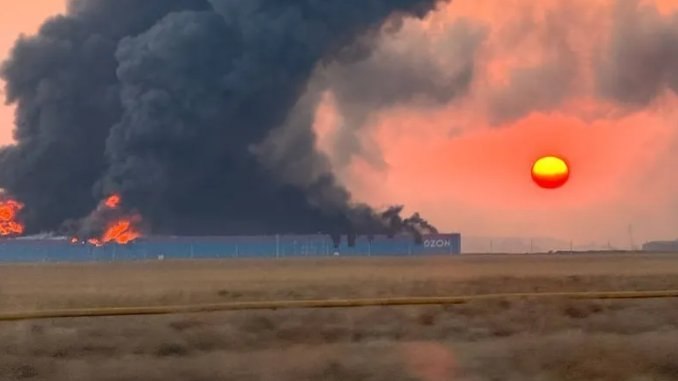
In the pre‑dawn hours of 24 August 2026, Ukrainian‑operated unmanned aerial systems conducted the most extensive coordinated strike of the year, targeting sixty‑six Russian assets across the southern and western fronts. According to the Telegram channel monitor_the_situation, the attacks hit air‑defence radars, a MiG‑29 fighter, a Special Rapid Response Unit (SOBR) base, critical energy facilities and two vessels identified as part of a “shadow‑fleet” operating in the Black Sea region. The operation spanned the Rostov Oblast, the Crimean Peninsula and the Kherson region, demonstrating a broad geographic reach and a focus on degrading both logistical and combat capabilities.
Scope of the overnight drone campaign
The strike package, executed between 02:00 and 06:00 local time, involved multiple drone launch points and a mix of commercially available quad‑copters fitted with loitering munitions. Sixty‑six discrete targets were engaged, a figure confirmed by satellite imagery that showed smoke plumes over the identified sites and damage to radar arrays in the Rostov area. No official casualty figures were released, and Russian defence spokespeople have not confirmed personnel losses. However, the destruction of a MiG‑29 on the ground and the disabling of a SOBR command post are likely to have short‑term operational effects.
“Ukrainian Drones Strike 66 Russian Targets Overnight” – monitor_the_situation, 24 Aug 2026
Targeted logistics infrastructure
Parallel to the military‑focused strikes, a parallel wave of attacks was directed at the e‑commerce logistics network operated by Russian retailer Ozon. Between 02:15 and 05:45 local time, drones hit at least six Ozon facilities in five separate federal subjects: a fulfillment centre in Nevinnomyssk (Stavropol Krai), warehouses in the Republic of Adygea and Stavropol Krai, sites in Krasnodar and Dagestan, and a distribution hub in the town of Tyube, Dagestan. The Nevinnomyssk strike ignited a large fire that required the deployment of local fire‑and‑rescue units, as documented in a video posted by the same Telegram channel.
Each Ozon site functions as a node in a supply chain that moves consumer goods, medical supplies and, in some cases, military‑grade equipment to front‑line regions. Disruption of these nodes hampers the Russian ability to sustain both civilian populations and military units, particularly in the southern theatre where logistics routes are already strained by ongoing combat operations.
Impact on Russian defence assets
The destruction of a MiG‑29 on the ground, while not a loss of an operational aircraft in the air, removes a valuable air‑defence platform from the inventory of the 4th Air and Air Defence Army stationed in the Rostov sector. Radar installations, which provide early warning against aerial incursions, were also reported damaged. The SOBR base, a rapid‑reaction force tasked with internal security and counter‑terrorism, suffered structural damage that will likely reduce its readiness until repairs are completed.
Two vessels described as part of a “shadow‑fleet” – a term used by Russian officials to refer to auxiliary ships that support naval logistics and covert operations – were struck in the Black Sea near Crimea. While the exact class of the vessels was not disclosed, their targeting suggests an effort to impair maritime supply lines that feed the Russian‑occupied territories of southern Ukraine.
Broader operational implications
The coordinated nature of the attacks indicates a maturing Ukrainian drone doctrine that integrates high‑value military targets with economic infrastructure. By striking both air‑defence assets and logistics hubs, the campaign seeks to create a compound effect: reduced Russian situational awareness coupled with delayed resupply. Analysts note that the simultaneous timing of the Ozon strikes with the military‑focused attacks maximises the strain on Russian emergency response and repair crews, who must allocate resources across disparate fronts.
From a strategic perspective, the use of commercially available drones equipped with improvised warheads lowers the threshold for repeat operations. The attacks also demonstrate the ability of Ukrainian forces to project power deep into Russian territory, reaching as far as the Republic of Adygea, a region previously considered beyond the immediate conflict zone.
Russian authorities have not yet issued an official response, but the pattern of strikes aligns with previous Ukrainian statements that aim to “target the logistical arteries that sustain the war machine.” The continued focus on Ozon facilities may also reflect intelligence indicating that the retailer’s distribution network is being leveraged for military procurement, a claim that Ozon has denied.
Overall, the 24 August drone campaign underscores a shift toward integrated, multi‑domain operations that blend kinetic strikes with economic disruption. The effectiveness of this approach will depend on the ability of Russian forces to adapt their air‑defence posture, harden critical infrastructure and diversify supply routes.