Kyiv Region Missile Attack
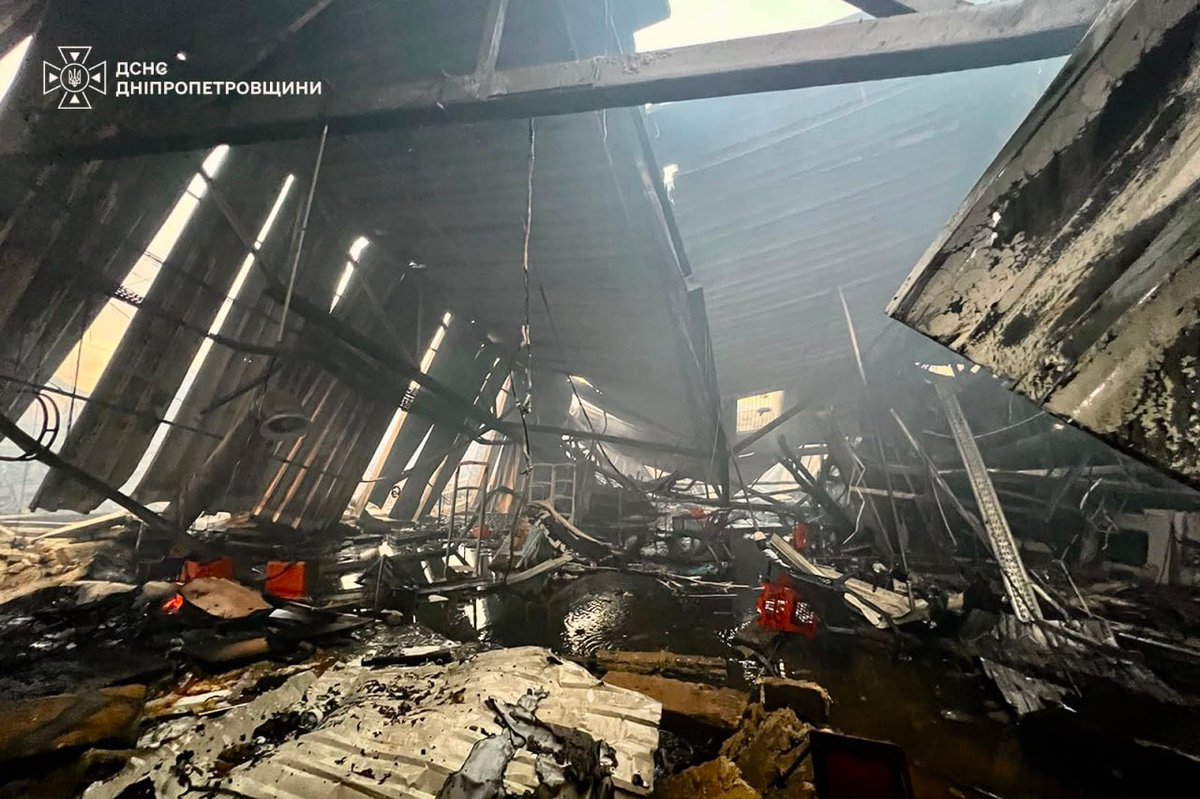
At 14:17 on 24 August 2026, Russian ballistic missiles struck the Kyiv Oblast, killing three civilians and wounding ten others, including a child. The attack targeted residential areas and critical infrastructure, marking the deadliest strike on the capital region since the spring offensive. The incident was reported by the Telegram channel monitor_the_situation and corroborated by on‑the‑ground footage. The channel’s post, titled “Ballistic Missile Strikes Kill Three in Kyiv Region, Ukraine,” included a photo of the impact site and a brief description of the casualties.
Ballistic Missile Strikes Kill Three in Kyiv Region, Ukraine
The missiles were identified as short‑range ballistic projectiles launched from Russian‑controlled territory. No military installations were reported as primary targets, suggesting a deliberate focus on civilian zones. Ukrainian emergency services dispatched ambulances and fire crews within minutes, and the regional governor confirmed the casualty figures in a televised briefing.
Ukrainian Air Defenses Over Odesa
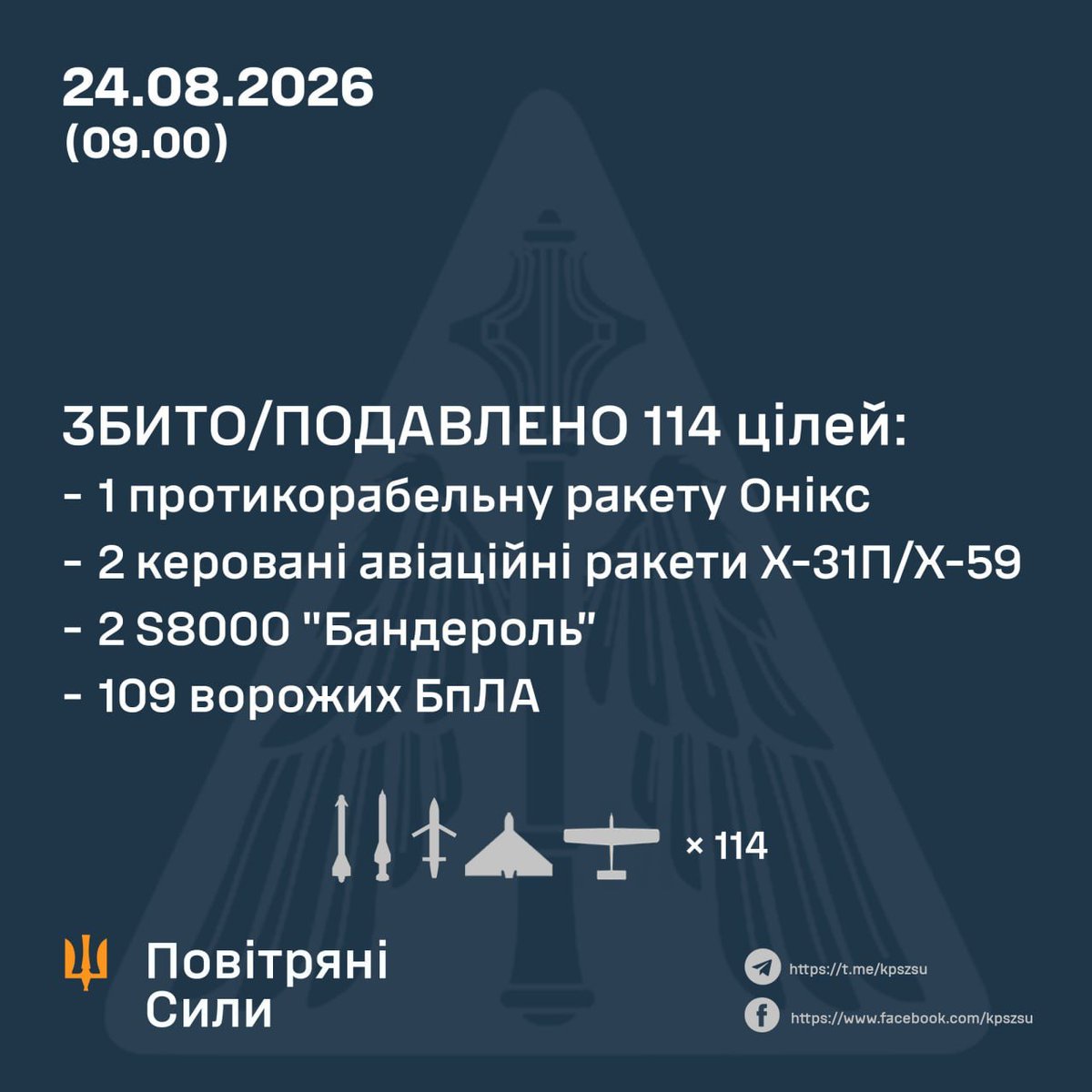
Later that evening, at 17:33, Ukrainian air defense units reported the interception of 114 Russian aerial targets over the Odesa Oblast. The targets comprised a mix of loitering drones and cruise missiles, part of a coordinated overnight barrage aimed at port facilities and energy infrastructure. The successful defense was documented by the same monitor_the_situation channel, which posted a photo of a Patriot battery engaging a swarm of drones.
The Ukrainian Air Force credited its integrated air‑defense network, including S‑300, Buk‑M1, and Patriot systems, for the high interception rate. No Ukrainian aircraft were lost, and the Russian offensive failed to achieve any reported damage to critical assets in Odesa.
Russian Ground Advances in Southern Ukraine
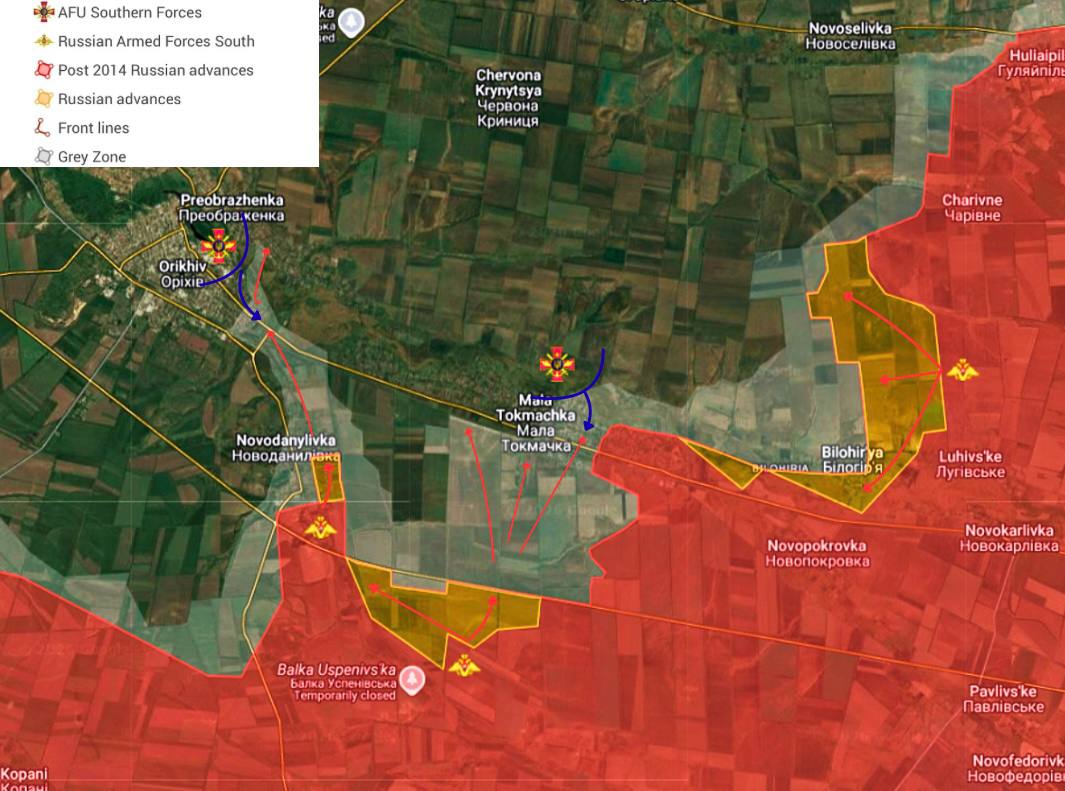
In the south, Russian ground forces continued a limited but notable push into several villages, most prominently Bilohirya and the nearby settlement of Novodanylivka. According to the open‑source monitoring group GeoPWatch, Russian infantry units entered Bilohirya at 16:29, establishing forward positions that threaten the defensive line protecting the Zaporizhzhia corridor.
The report highlighted that Russian DRG (Desantno‑Raketnyy Grupa) elements have also infiltrated the fortified towns of Orikhiv and Mala Tokmachka, creating a potential corridor for further advances toward the strategic city of Zaporizhzhia. Ukrainian Armed Forces (AFU) units are reportedly reinforcing the sector, but no direct clashes were confirmed at the time of reporting.
Ukrainian Strike on Crimean and Russian Facilities
At 14:35, the Ukrainian General Staff announced a precision strike on multiple Russian assets in occupied Crimea and the Russian mainland. The operation targeted an airfield, radar installation, and command posts in Rozdolne, Crimea, as well as the Vityazevo airfield in Anapa, Russia.
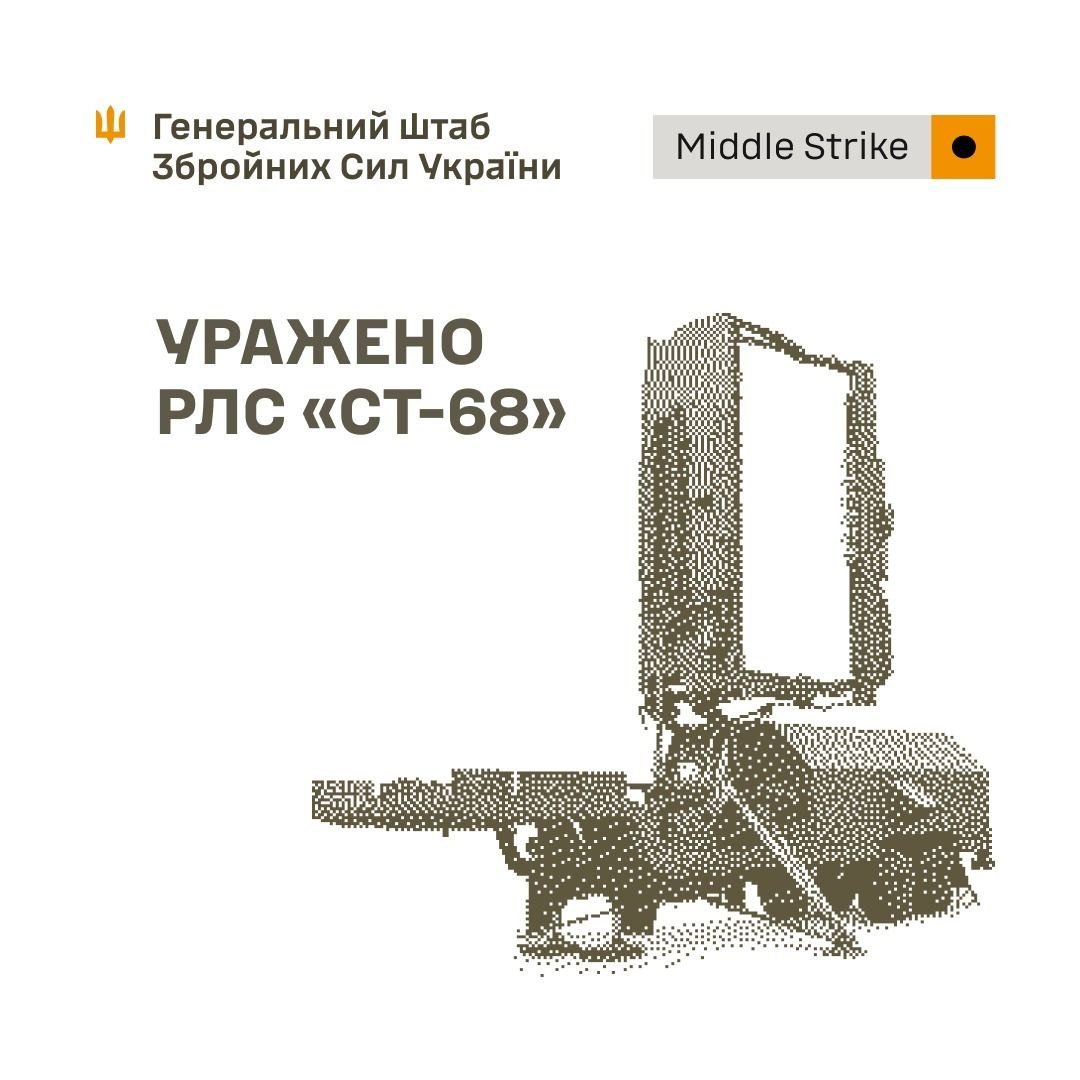
According to the statement, Ukrainian munitions damaged a Su‑33 fighter, a MiG‑29, and an Orion UAV stationed at Vityazevo. Additional damage was reported to an ST‑68 radar system and several logistics depots in the occupied territories. The strike was relayed by monitor_the_situation, which included a photo of the damaged radar array.
Russian Air Defense Intercepts Ukrainian Drones in Kherson
In the Kherson Oblast, Russian air defense units of the 50th Separate “VARYAG” Brigade shot down Ukrainian reconnaissance drones at 08:20. The engagement was captured on video and posted by the Telegram channel intelslava. The footage shows the brigade’s surface‑to‑air missiles engaging the drones, confirming the continued contest for aerial dominance in the region.
No Ukrainian casualties were reported, but the incident underscores the heightened risk to Ukrainian UAV operations over contested territories.
Overall Assessment
The events of 24 August illustrate a multi‑dimensional escalation in the Ukraine conflict. While the ballistic missile strike on Kyiv represents a stark reminder of Russia’s capacity to target civilian centers, Ukraine’s robust air‑defense performance over Odesa demonstrates growing proficiency in counter‑air operations. Simultaneously, Russian ground movements in the south and targeted strikes on Ukrainian infrastructure indicate a continued effort to shape the battlefield on both fronts.
Monitoring agencies will continue to verify casualty figures, equipment losses, and territorial changes as the situation evolves.