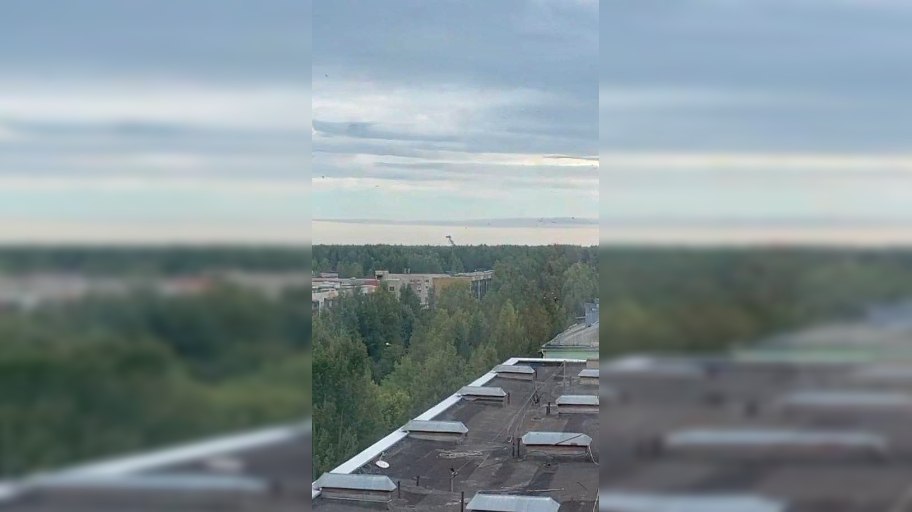
On 23 August 2026 a series of kinetic incidents unfolded across Eurasia, highlighting a widening spectrum of low‑intensity conflict. The most consequential event was a coordinated Ukrainian drone operation that penetrated Russia's Arkhangelsk region and targeted the Plesetsk Cosmodrome, the nation’s primary military spaceport. The strike, reported by BellumActaNews, involved roughly 40 unmanned aerial vehicles (UAVs), all of which were destroyed by Russian air defenses, and resulted in no reported casualties. The operation marks the first documented Ukrainian UAV incursion at a distance of 1,800–1,900 km from the Ukrainian border, underscoring a new operational reach for Kyiv’s aerial capabilities.
Ukrainian Drone Strike on Plesetsk Cosmodrome
According to the Telegram channel BellumActaNews, Ukrainian forces launched a swarm of small‑size drones toward the Plesetsk Cosmodrome in the Arkhangelsk region at approximately 17:47 UTC. The cosmodrome hosts launch facilities for satellite missions, intercontinental ballistic missile (ICBM) testing—including the Sarmat heavy ICBM—and a range of strategic research assets. Russian air‑defence units engaged the incoming UAVs, shooting down all 40 aircraft before any impact could be recorded on the ground. No injuries or structural damage were reported, and Russian authorities have not released an official casualty figure.
"Ukrainian drones struck the Arkhangelsk region in Russia, targeting the Plesetsk Cosmodrome, with about 40 drones destroyed and no casualties reported," BellumActaNews, 23 Aug 2026.
The incident demonstrates a shift in Ukrainian tactics from conventional artillery and missile strikes toward long‑range UAV operations capable of probing deep Russian territory. While the immediate material effect was limited, the psychological impact of reaching a high‑value strategic site may influence future Russian air‑defence posturing and resource allocation.
Iran Executes Majid Adineh
In a separate development, Iranian authorities carried out the execution of Majid Adineh, a political detainee accused of collaborating with the United States and Israel during the nationwide protests that erupted in January 2024. GeoPWatch reported that Adineh had been held in custody since 9 January 2024 and was sentenced to death on charges of “aiding foreign powers” in fomenting unrest. The execution was carried out on 23 August 2026, with no public statement from the Iranian judiciary beyond the standard legal justification.
"Iran executed Majid Adineh after being accused of aiding the U.S. and Israel in the January protests that swept across the country," GeoPWatch, 23 Aug 2026.
The case illustrates Tehran’s continued reliance on capital punishment to deter dissent and signal resolve to both domestic opposition and foreign adversaries. No weapons were employed in the execution, and the event did not generate immediate casualties beyond the condemned individual.
Russia Expands Sabotage Campaign in Europe
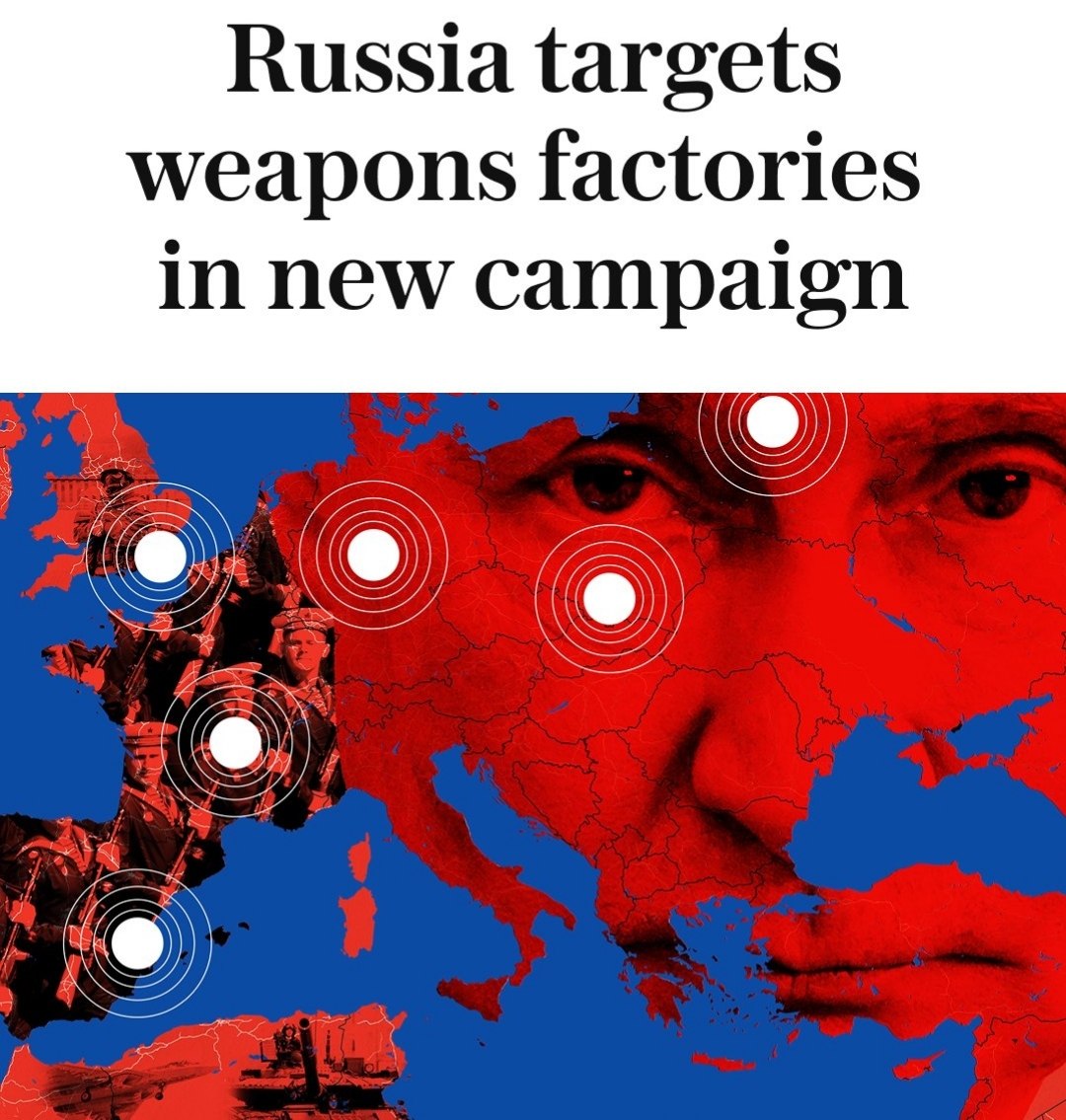
Western intelligence, cited by The Telegraph and relayed through GeoPWatch, indicated that Russia has intensified a covert sabotage campaign targeting European defence manufacturers. The reported wave includes an arson attack on a weapons‑production facility in Estonia, explosive incidents in Bulgaria and Italy, and a drone‑borne threat directed at a German plant. Russian operatives are alleged to be leveraging local criminal networks to facilitate cross‑border movement within the Schengen Area, thereby reducing the logistical footprint of state‑directed sabotage.
"Western intelligence sources cited by The Telegraph claim Russia has launched 'a new wave' of coordinated attacks against European armament production," GeoPWatch, 23 Aug 2026.
Specific incidents documented on 23 August include: a fire set at an Estonian munitions factory, resulting in minor structural damage but no fatalities; an explosion at a Bulgarian aerospace component plant that injured three workers; and a suspected drone‑laden explosive device intercepted over an Italian defence contractor’s headquarters, averting potential casualties. German authorities reported a suspicious UAV approaching a weapons‑assembly line, which was neutralised by security forces before impact.
The campaign reflects a strategic intent to disrupt NATO‑aligned supply chains, degrade European defence readiness, and impose economic costs on member states. While the attacks have not yet caused large‑scale loss of life, the pattern suggests an escalation in asymmetric warfare tactics employed by Moscow.
Moscow Intercepts Four Drones
Earlier in the day, at approximately 13:49 UTC, the Moscow City Government confirmed the interception and destruction of four UAVs en route to the Russian capital. According to the Telegram channel intelslava, emergency services were dispatched to the crash sites to secure debris and assess any residual threats. No civilian injuries were reported, and the drones were identified as commercially available models retrofitted with basic surveillance payloads.
"Four drones heading toward Moscow have been destroyed. Emergency services specialists are working at the crash sites," intelslava, 23 Aug 2026.
The rapid response underscores Moscow’s heightened alert status following the earlier Ukrainian strike on Plesetsk. While the intercepted drones did not carry explosive payloads, their presence indicates a persistent low‑level aerial threat environment over Russian urban centers.