The day began with a coordinated cyber offensive that targeted critical infrastructure in the United Kingdom, marking the most significant escalation of state‑linked digital aggression reported on 23 August 2026.
Cyberattack on UK Power Plant
At 05:41 UTC, hackers identified as operating under the direction of the Iranian regime launched an unprecedented cyberattack against a major UK power generation facility. The intrusion, reported by JPost, coincided with a broader campaign that simultaneously struck more than 30 municipal water systems across Minnesota and additional U.S. states, as detailed by The Telegraph. No kinetic weapons were employed, but the digital intrusion forced the plant to initiate an emergency shutdown, temporarily reducing output by an estimated 15 percent and prompting the activation of national grid contingency protocols.
'Unprecedented' cyberattack on UK power plant caused by hackers linked to Iranian regime - report
Key details: the operation leveraged custom malware designed to bypass the plant’s SCADA defenses, exfiltrating control‑system credentials before issuing commands that halted turbine operations. While no casualties were reported, the incident underscores the capacity of state‑sponsored actors to disrupt essential services without a single shot fired.
The breach raises immediate concerns for the United Kingdom’s energy resilience and highlights gaps in legacy industrial control systems. NATO cyber‑defence committees have been alerted, and the United Kingdom’s National Cyber Security Centre has issued an emergency advisory urging operators of similar facilities to audit network segmentation and implement multi‑factor authentication for privileged accounts.
Family Feud Explosion in East Jerusalem
At 02:16 local time, a violent family dispute erupted in East Jerusalem, resulting in three fatalities, according to JPost. The confrontation involved firearms and Molotov cocktails. One individual died from injuries sustained during the clash itself; two additional men were shot and killed by Israeli security forces after the scene escalated.
The incident highlights the volatile intersection of private violence and security‑force response in contested urban areas. No injuries beyond the three deaths were reported, and the weapons used were conventional small arms and improvised incendiary devices.
Israeli police released a brief statement indicating that the two individuals shot by security forces were deemed an imminent threat to officers and nearby civilians. The episode adds to a pattern of intra‑community violence that can quickly draw security forces into lethal engagements, further complicating the security environment in Jerusalem’s densely populated neighborhoods.
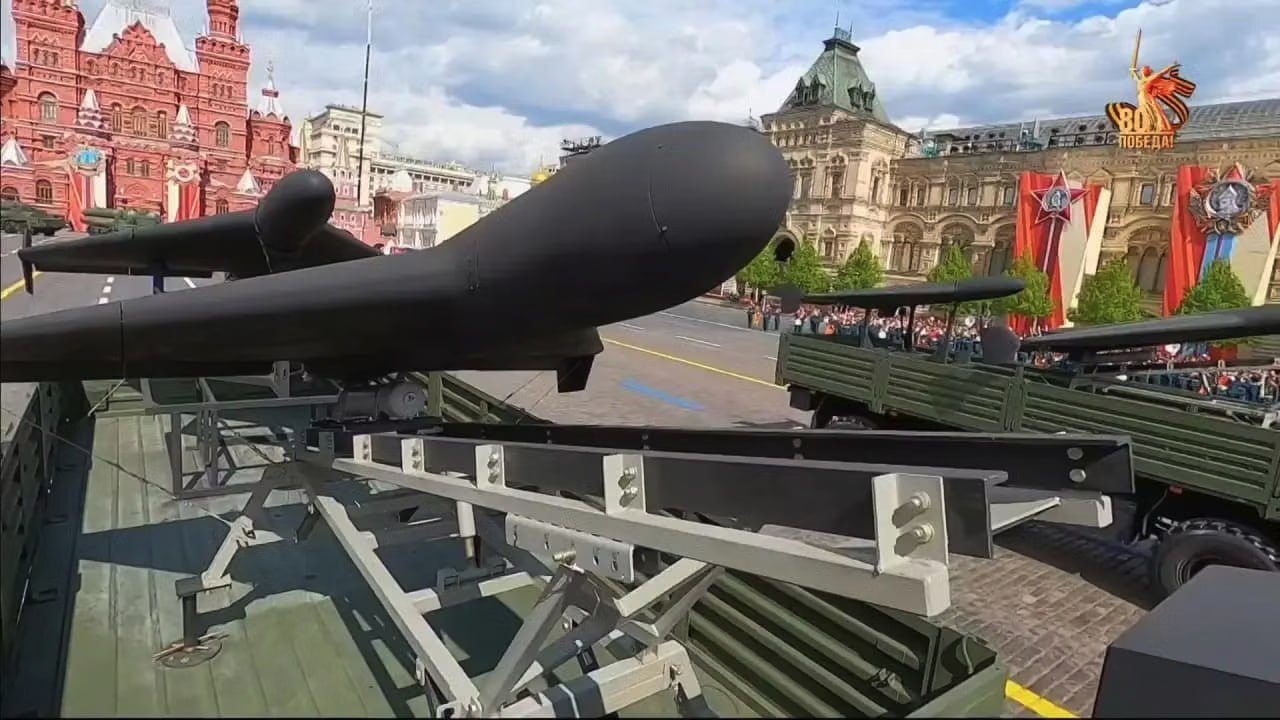
Russia Deploys Long‑Range Garpia‑A1E Drone
At 04:23 UTC, Russian defense channels disclosed the launch of the Garpia‑A1E, a one‑way attack drone capable of striking targets over 1,000 km away with a warhead exceeding 50 kg. The announcement, posted by OSINTdefender, indicates a shift toward autonomous, long‑range strike platforms that can engage fixed coordinates without direct pilot control.
The drone’s specifications suggest it can be employed against strategic infrastructure, airfields, or high‑value command nodes. While no operational use was confirmed on 23 August, the public reveal of the system expands the known Russian UAV inventory and raises concerns about the proliferation of similar capabilities among other state actors.
Analysts note that the Garpia‑A1E’s range places it within striking distance of many NATO installations across Europe, potentially altering the calculus of deterrence. Its payload capacity enables it to deliver a kinetic effect comparable to a small conventional bomb, while its expendable design reduces cost per strike and complicates attribution.
Russian FPV Drone Strikes Ukrainian Logistics Corridor
Earlier in the day, at 00:28 UTC, a Russian FPV (first‑person view) drone operated by a member of the 4th Separate Guards Motor Rifle Brigade filmed the destruction of approximately a dozen Ukrainian armored and support vehicles along a 500‑meter stretch of the logistics route between Druzhkivka and Oleksiievo‑Druzhkivka in Donetsk Oblast. The footage, shared by intelslava, shows a Knyaz Vandal Novgorodsky (KVN) fiber‑optic FPV drone targeting a convoy that included tanks, infantry fighting vehicles, and unmanned ground vehicles (UGVs).
The attack resulted in the loss of at least ten armored assets and disrupted a critical supply line for Ukrainian forces operating in the region. No civilian casualties were reported, but the incident demonstrates the increasing tactical utility of low‑cost, operator‑controlled UAVs in high‑intensity conflict zones.
Ukrainian military analysts assess that the loss of these vehicles will temporarily reduce the brigade’s maneuverability and logistical throughput, potentially delaying upcoming offensives in the Donetsk sector. The use of FPV drones for precision strikes against moving convoys reflects a broader trend of leveraging inexpensive aerial platforms to achieve effects traditionally reserved for manned attack helicopters or artillery.
Collectively, these events illustrate a pattern of simultaneous escalation across cyber and kinetic domains, with state and non‑state actors leveraging both digital tools and unmanned systems to achieve strategic effects. The convergence of high‑profile cyber intrusions, urban lethal force incidents, and advanced drone deployments underscores the expanding multi‑domain threat environment confronting policymakers worldwide.