On 22 August 2026, Ukrainian‑operated unmanned aerial vehicles (UAVs) conducted a series of coordinated strikes on Russian territory, targeting civilian and industrial sites in Saratov, Samara Oblast and Krasnodar Krai. The attacks produced explosions, extensive smoke plumes and forced large‑scale evacuations, underscoring a shift toward kinetic engagements beyond the front lines.
Saratov City: First High‑Impact UAV Attack
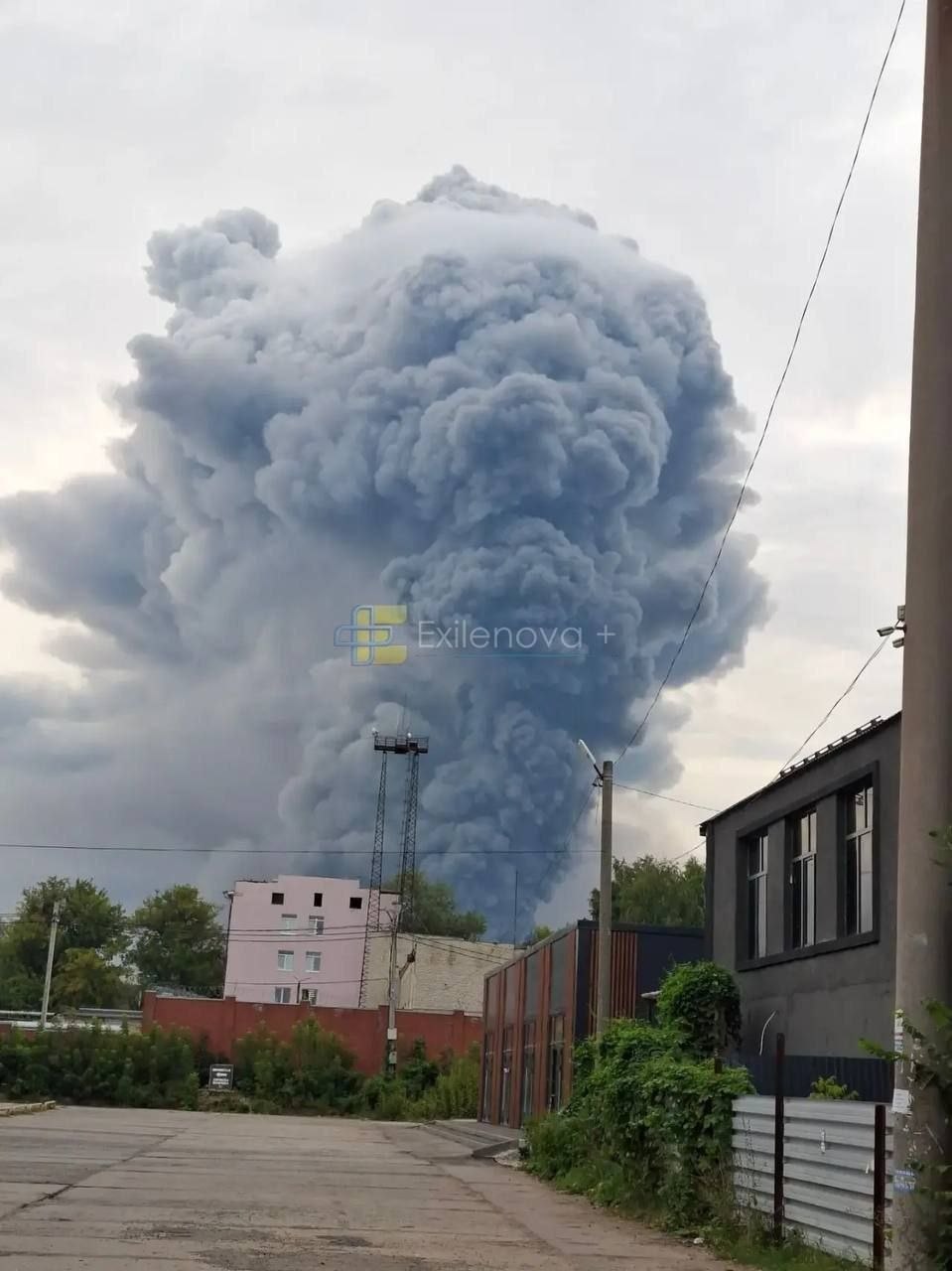
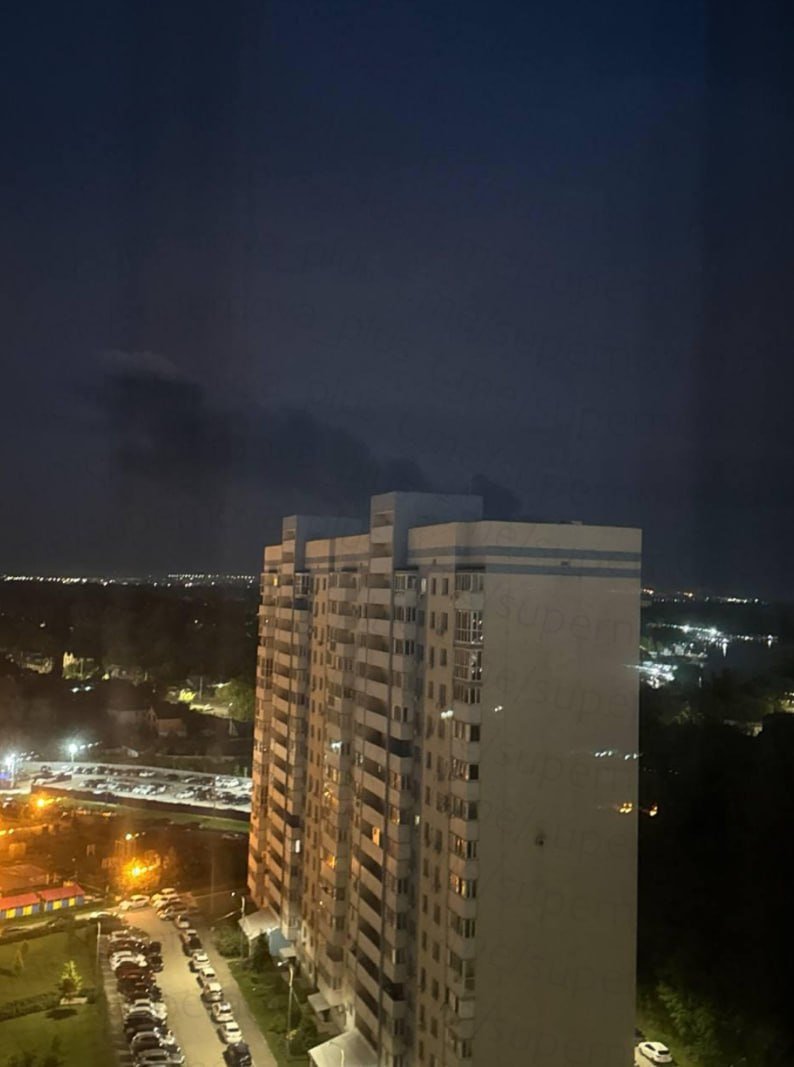
At 00:42 UTC, a hostile UAV penetrated the airspace over Saratov, a major industrial city on the Volga River. The drone detonated multiple explosives, creating visible explosions and a dense smoke column that lingered for hours. The incident was reported by the Telegram channel monitor_the_situation and documented with photographic evidence (see source https://t.me/monitor_the_situation/28253).
"Ukrainian drones struck the Russian city of Saratov, causing multiple explosions and visible smoke, indicating a direct attack on Russian territory," monitor_the_situation, 22 Aug 2026.
No casualty figures were released at the time of reporting, but the presence of explosions in a densely populated area raises concerns about potential civilian harm and infrastructure damage.
Samara Oblast: Ozon Logistics Center Fire in Chapayevsk
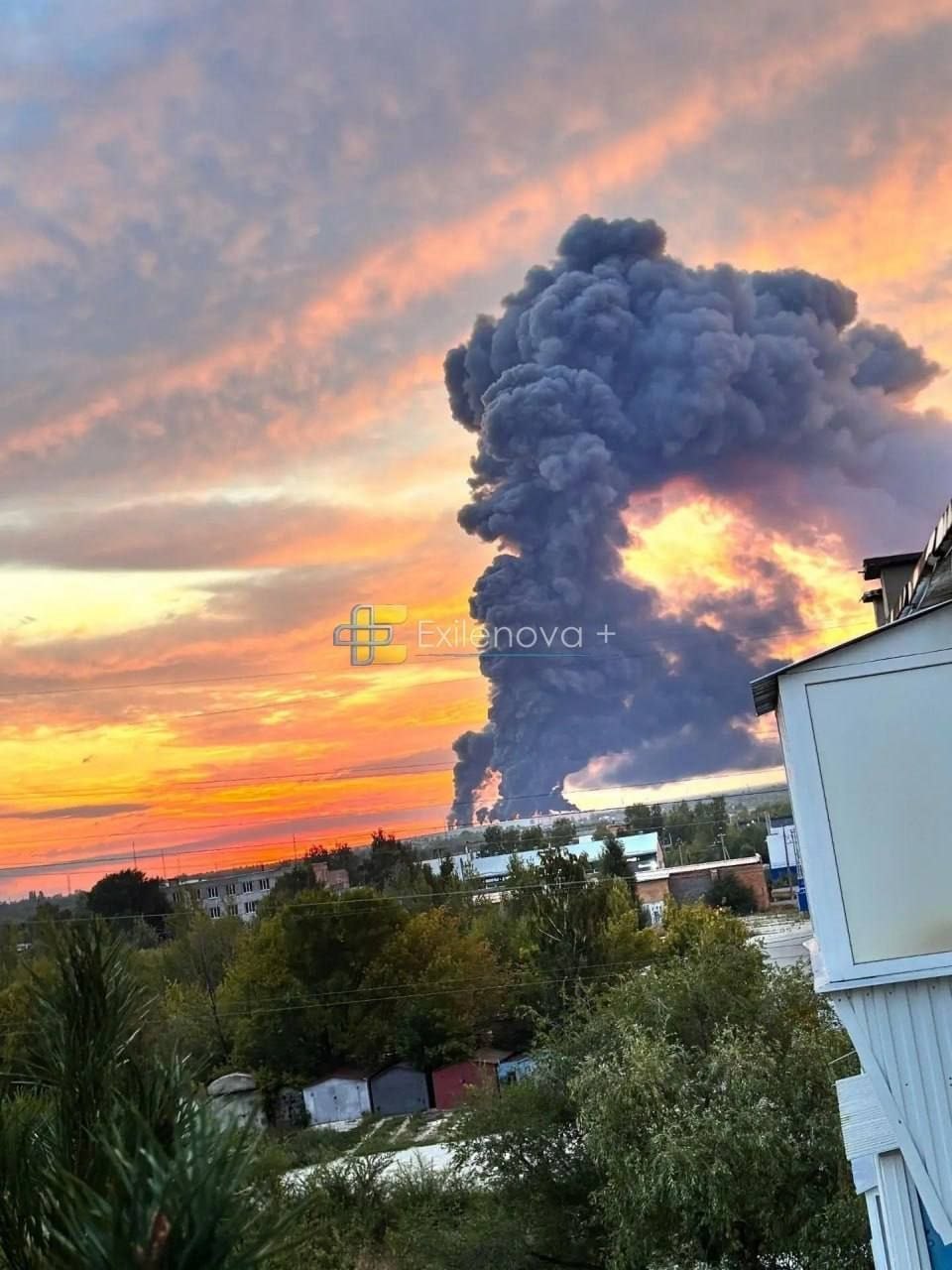
At 05:58 UTC, another UAV targeted the Ozon logistics complex in Chapayevsk, Samara Oblast. The strike ignited a fire that engulfed part of the warehouse complex, prompting the evacuation of more than 500 employees. The governor of Samara Oblast, Fedorishchev, confirmed the incident, and the Telegram channel intelslava supplied the initial details and accompanying photographs (source https://t.me/intelslava/92970).
"Ukrainian forces used drones to strike an Ozon logistics center in Chapayevsk, causing a fire and evacuating over 500 employees," intelslava, 22 Aug 2026.
The attack on a major e‑commerce fulfillment hub demonstrates the expanding scope of UAV operations, moving from purely military targets to critical commercial infrastructure.
Novokuybyshevsk Oil Refinery: Fourth Consecutive Strike
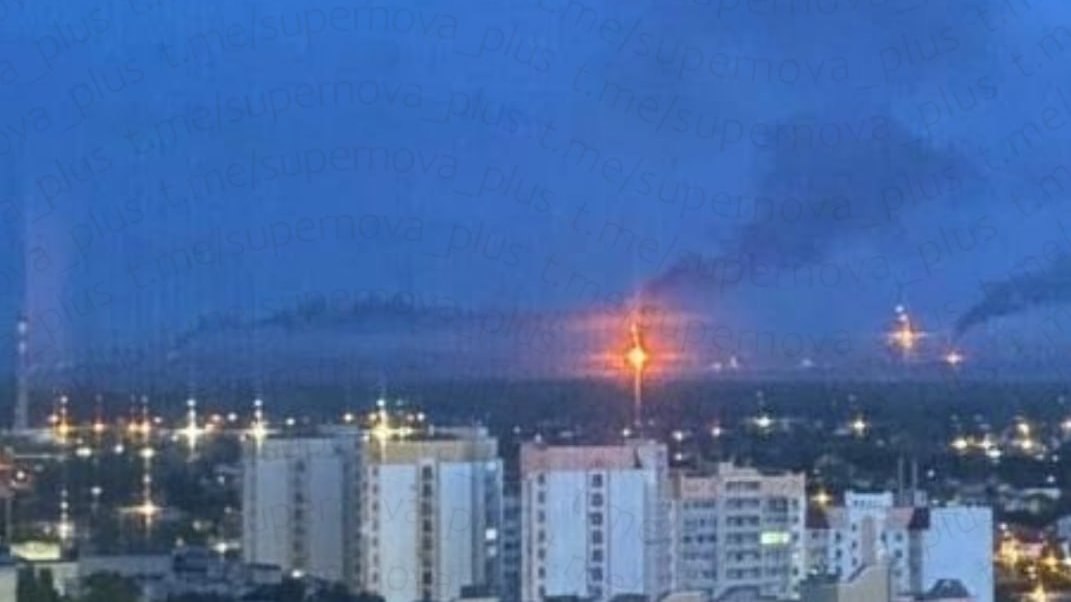
At 01:43 UTC, a UAV assaulted the Novokuybyshevsk oil refinery in Samara Oblast, producing a series of explosions and a towering smoke plume. This incident marks the fourth refinery hit within a four‑day period, suggesting a systematic campaign against Russia’s fuel processing capacity. The report originated from monitor_the_situation and included a single photograph (source https://t.me/monitor_the_situation/28257).
"Ukrainian drones hit the Novokuybyshevsk refinery, causing explosions and a smoke column," monitor_the_situation, 22 Aug 2026.
While official casualty numbers remain unavailable, the repeated targeting of refineries could impair regional fuel supplies and strain logistical networks.
Yeisk Port, Krasnodar Krai: Smoke Without Confirmed Damage
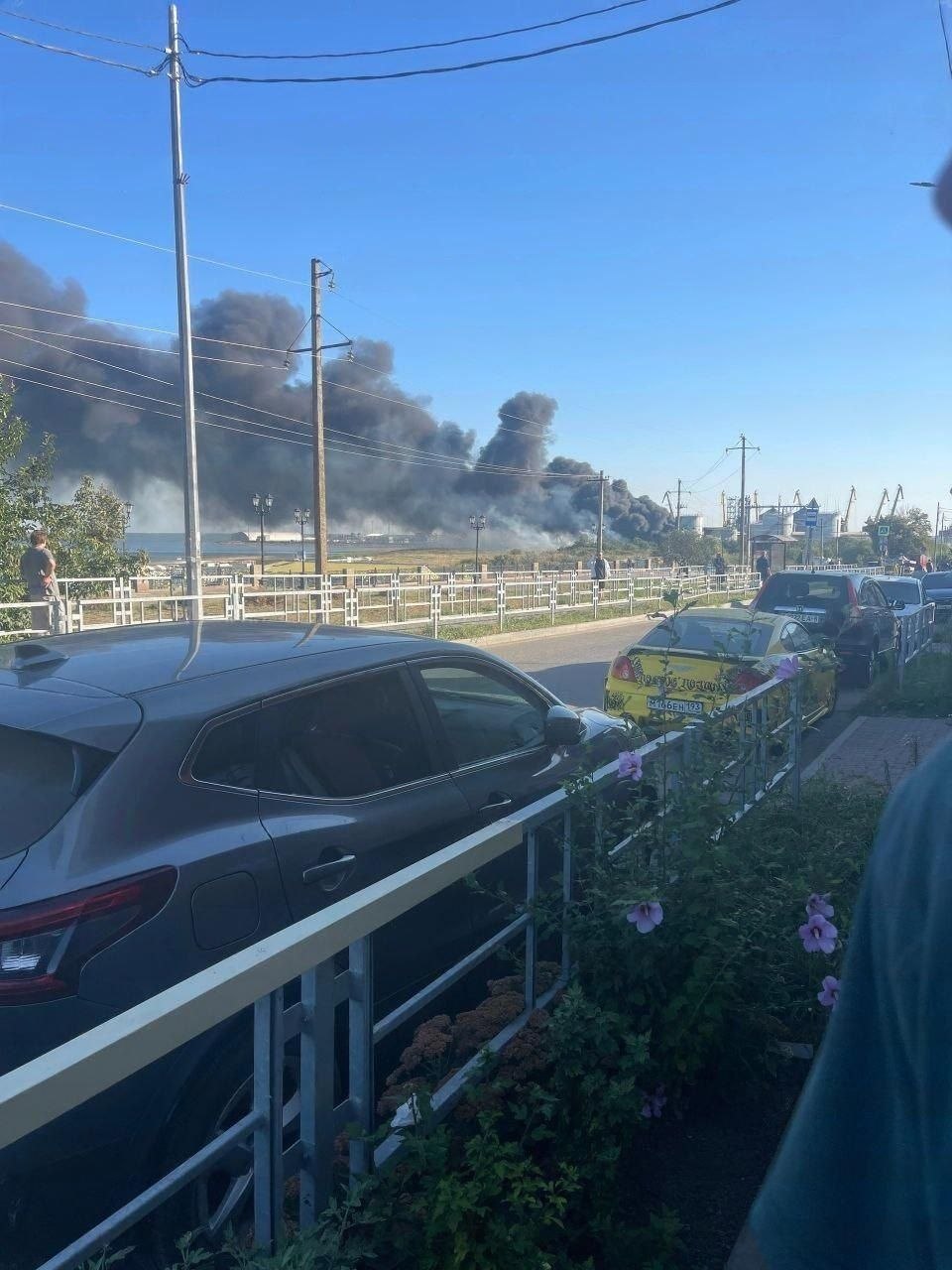
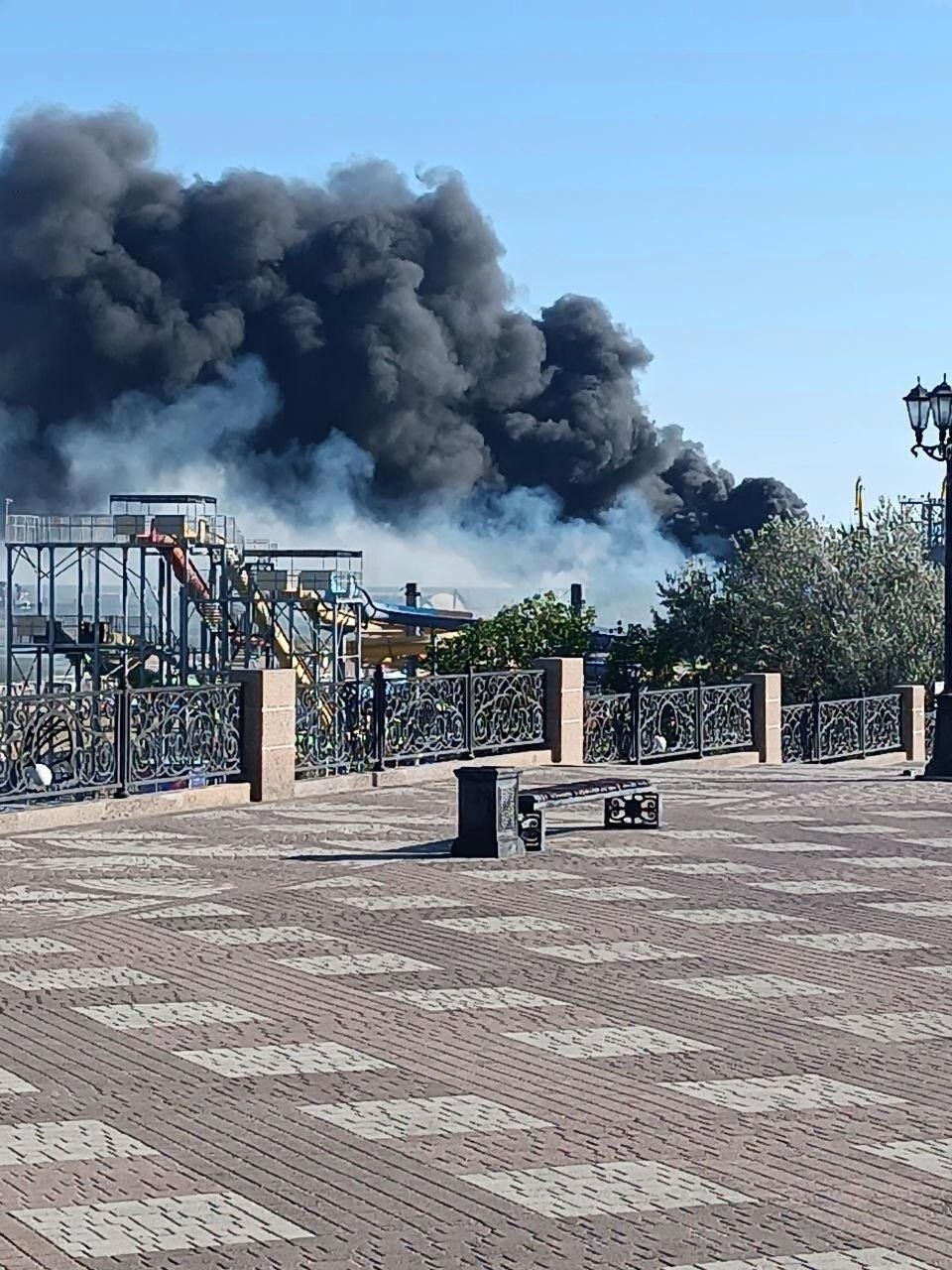
At 05:55 UTC, a hostile UAV was observed near the port of Yeisk in Krasnodar Krai, generating heavy smoke over the waterfront area. The Telegram channel intelslava reported the sighting, but no explosions or material damage were confirmed at the time of reporting (source https://t.me/intelslava/92967).
"A hostile UAV arrived near the port of Yeisk, producing heavy smoke," intelslava, 22 Aug 2026.
The incident illustrates the expanding geographic reach of UAV operations, extending to strategic maritime facilities on the Black Sea coast.
Operational Patterns and Implications
The series of UAV attacks on 22 August reveals several emerging patterns:
- Geographic dispersion: Targets spanned from the Volga region (Saratov) to the southern Black Sea coast (Yeisk), indicating a broadened operational envelope.
- Target diversification: Strikes were directed at civilian infrastructure (logistics center), energy assets (oil refinery), and commercial ports, suggesting an intent to disrupt both economic activity and supply chains.
- Temporal clustering: Multiple attacks occurred within a six‑hour window, pointing to coordinated launch windows designed to overwhelm local emergency response capacities.
All incidents were attributed to Ukrainian‑operated drones, though no specific UAV models or payload types were disclosed. The lack of reported anti‑air defenses engaging the UAVs may reflect either a gap in detection capability or a calculated risk assessment by Russian authorities.
Contextual Overview
These events follow a broader trend of increased UAV usage in the Russia‑Ukraine conflict, where both sides have employed drones for reconnaissance, loitering‑munition attacks and logistical disruption. The attacks on Russian territory represent a notable escalation, moving beyond the contested front lines into the Russian heartland. While casualty data remains limited, the potential for civilian harm and economic impact is significant, especially given the targeting of densely populated urban centers and critical infrastructure.