On August 22, 2026, coordinated kinetic actions intensified the conflict front, beginning with Russian rocket strikes that killed six civilians in Ukraine and a Ukrainian drone that struck a residential home in southern Russia, killing two children and wounding their parents. The dual incidents were reported by Al Jazeera, which noted that the Russian attacks occurred a day after a shopping complex was hit, while the Ukrainian drone impact was confirmed by local officials in the southern Russian region.
"Russian strikes kill 6 people in Ukraine, day after shopping complex attack. Meanwhile, Ukrainian drone hits home in southern Russia, killing two children and injuring their parents," Al Jazeera, 2026-08-22.
Russian Rocket Strikes in Ukraine
The Russian military employed rocket munitions in a series of strikes targeting civilian infrastructure in eastern Ukraine. Six civilians were confirmed dead, and additional injuries were reported, though exact numbers remain unverified. The strikes were part of a broader campaign that followed a high‑profile attack on a shopping complex earlier in the week. Al Jazeera identified the weapons as rockets launched from Russian‑controlled territory, attributing responsibility to the Russian armed forces.
Source: Al Jazeera article
Ukrainian Drone Attack in Southern Russia
In the same timeframe, a Ukrainian‑operated unmanned aerial vehicle (UAV) penetrated Russian air defenses and struck a private residence in the southern Russian region, killing two children and wounding both parents. Local authorities confirmed the casualties and reported that the drone carried a small explosive payload, consistent with commercially available loitering munitions. The incident underscores the expanding reach of Ukrainian UAV capabilities beyond the front lines.
"Two children were killed, and two adults were hospitalized after a drone attack in Yeysk in southern Russia’s Krasnodar Region," Governor Veniamin Kondratyev, Telegram post, 2026-08-22.
Drone Strike in Yeysk, Krasnodar Krai
Earlier in the day, at 08:49 UTC, a separate drone strike in Yeysk, Krasnodar Krai, resulted in the deaths of two children and the hospitalization of two adults. The source, intelslava, cited the regional governor’s Telegram announcement. No organization was directly claimed, but the pattern aligns with Ukrainian UAV operations targeting Russian civilian sites.
Source: intelslava Telegram
North Korean Troop Deployment in Kursk Oblast
Ukrainian intelligence chief Skibitskiy, speaking to CNN, disclosed that North Korea has deployed an additional 8,500 personnel to Russia, including 400 drone operators and 1,000 engineers and sappers. The deployment focuses on Kursk Oblast, where the troops are expected to support reconnaissance and strike missions against Ukrainian targets from Russian soil. Since October 2024, a cumulative total of 25,000 North Korean personnel have rotated through Russia, indicating a sustained logistical partnership.
"According to Ukrainian intelligence chief Skibitskiy, North Korea has deployed 8,500 new troops to Russia, including 400 drone operators," GeoPWatch, 2026-08-22.
Ukrainian Projectiles Target Russian Refinery and Port
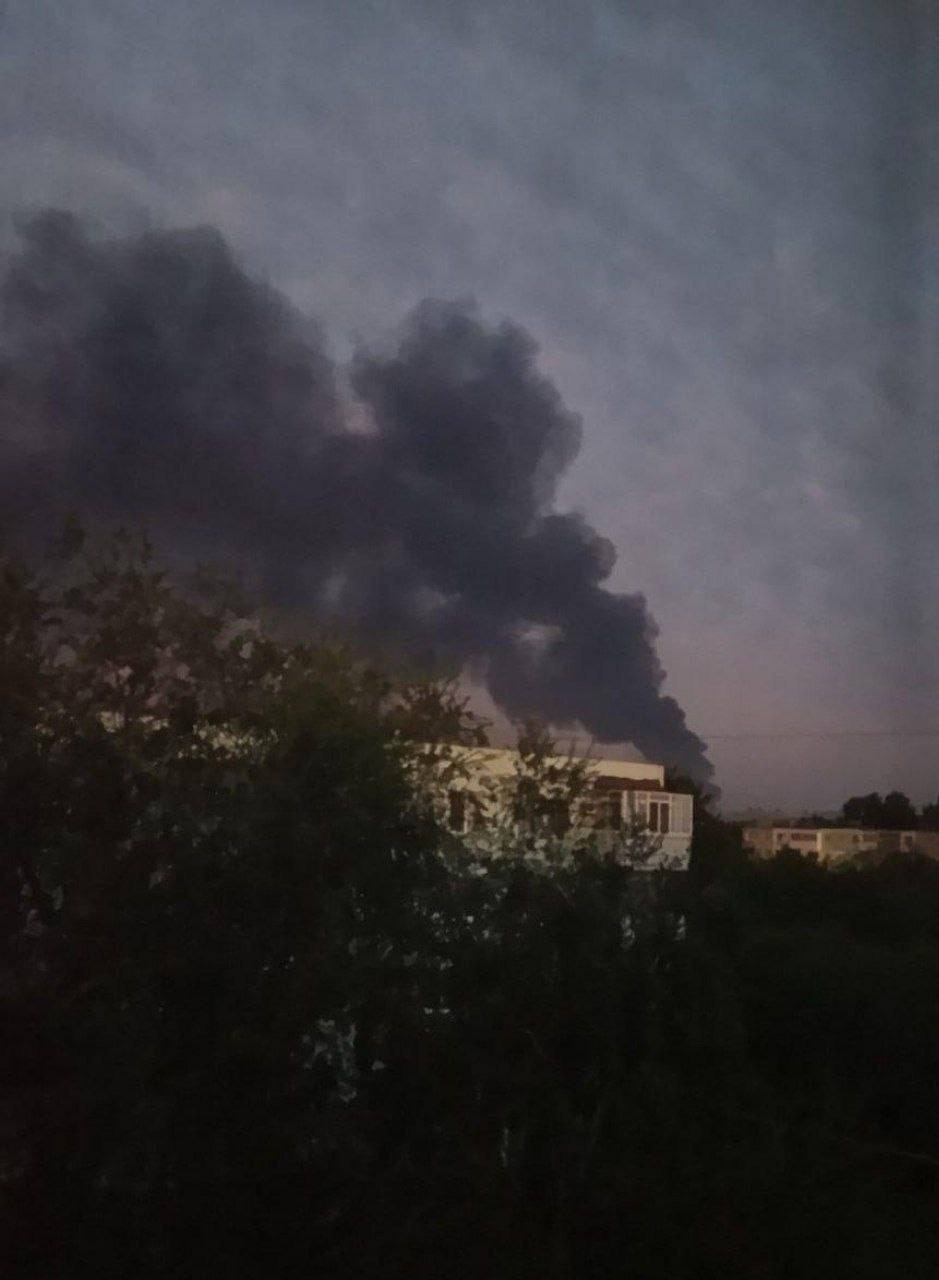
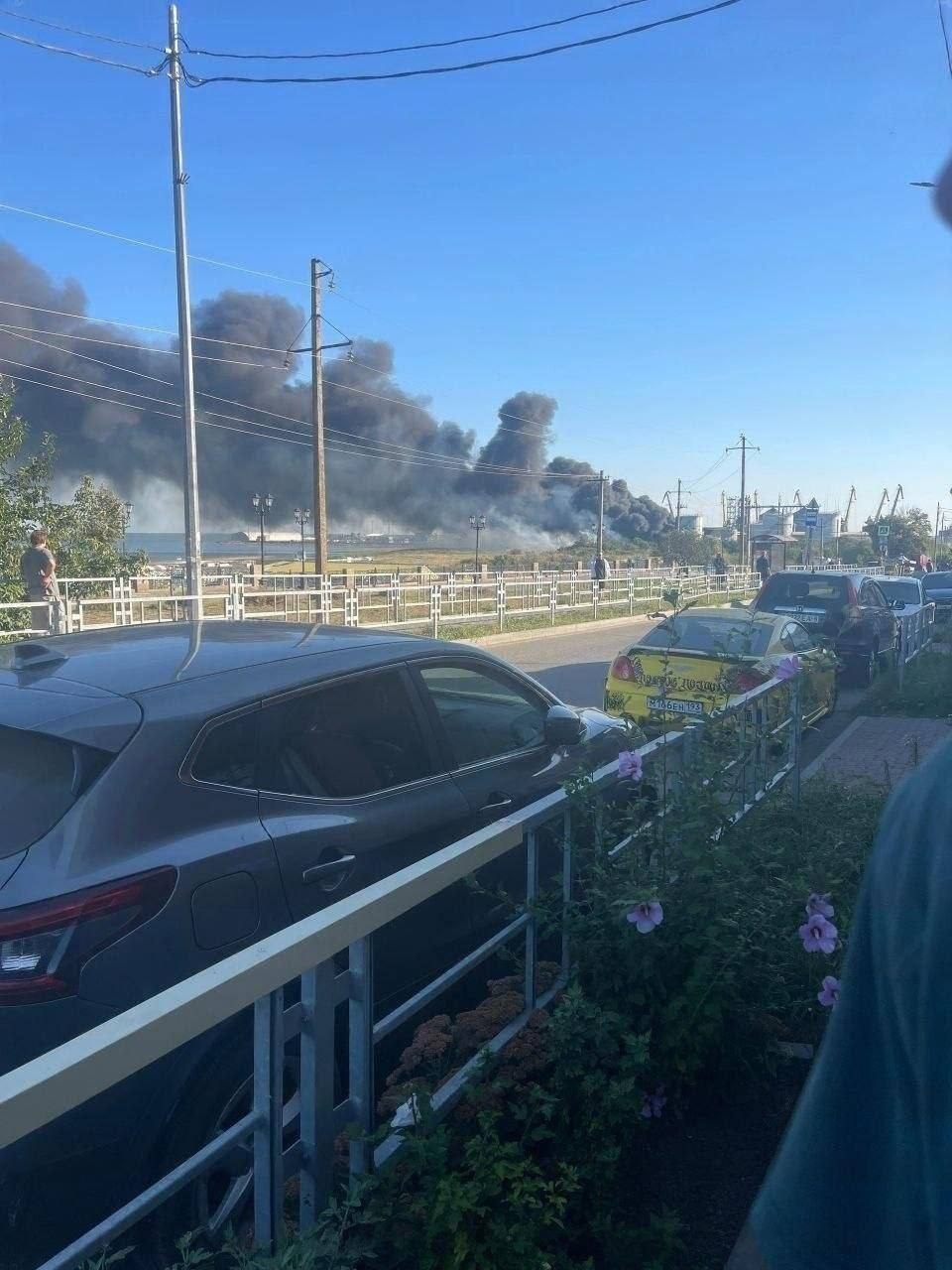
At 06:51 UTC, Ukrainian forces launched projectiles that struck a refinery in Novokuybyshevsk, Samara Oblast, and a port facility in Yeisk, Krasnodar Krai. The weapons were identified as guided projectiles, likely artillery rockets, aimed at critical energy infrastructure. GeoPWatch reported the attacks, noting that the refinery sustained damage to processing units, while the port’s cargo handling capabilities were temporarily disrupted. No casualties were reported, but the economic impact on regional fuel supplies is significant.
Source: GeoPWatch Telegram
Naval Engagement in Novorossiysk
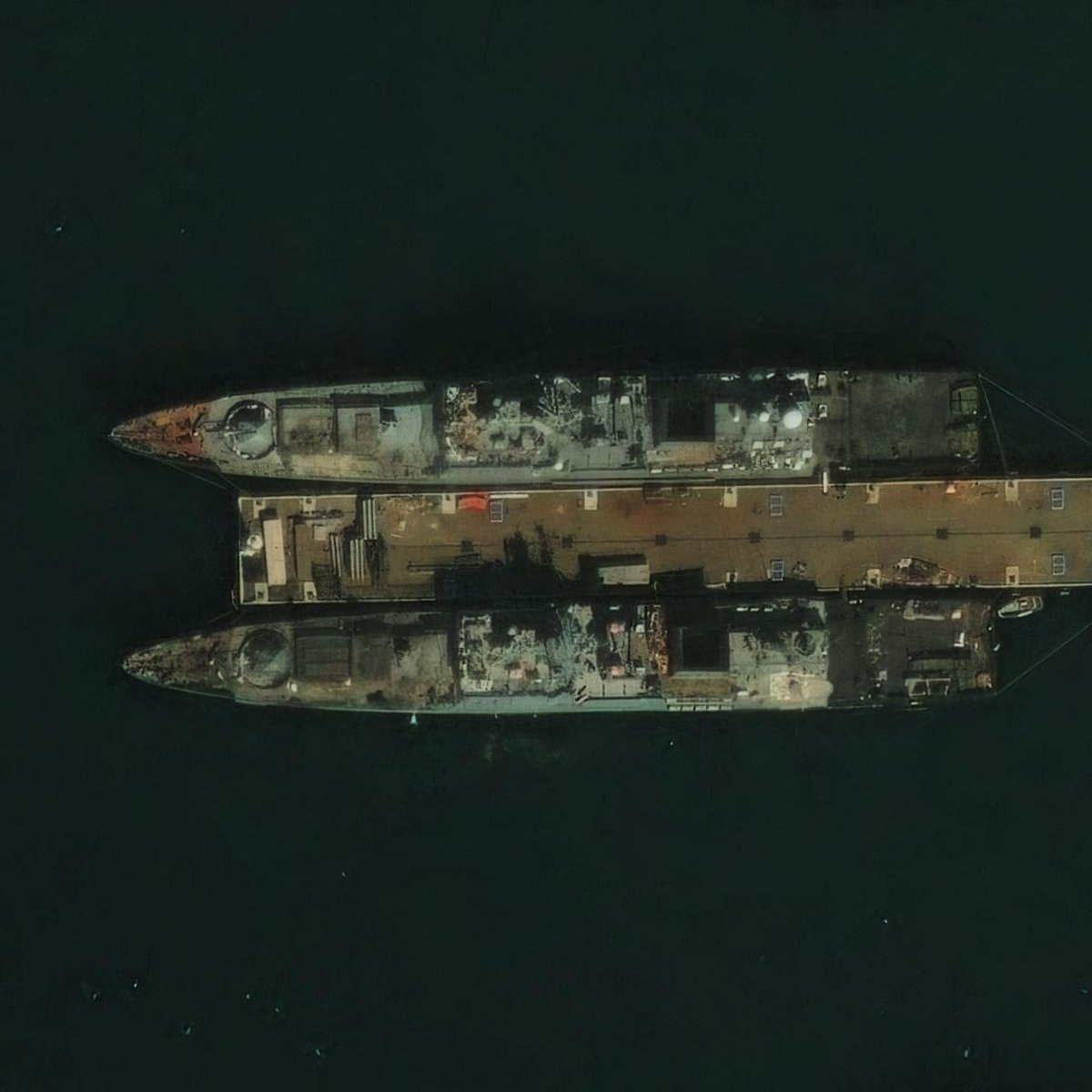
On August 12, Ukrainian forces reportedly damaged two Russian missile frigates, Admiral Essen and Admiral Makarov, while they were anchored in the Black Sea port of Novorossiysk. The attack, confirmed by monitor_the_situation, involved anti‑ship missiles launched from a coastal battery or UAV platform. Photographic evidence showed visible hull damage and smoke plumes. The incident demonstrates Ukraine’s expanding maritime strike capability and raises concerns about the security of Russian naval assets in the Black Sea.
Source: monitor_the_situation Telegram
The series of events on August 22 illustrates a multi‑domain escalation, with kinetic actions spanning air, land, and sea. Russian rocket strikes in Ukraine, Ukrainian UAV incursions into Russian civilian areas, and the involvement of North Korean personnel collectively signal a broadening of the conflict’s geographic scope. While casualty figures remain limited to the highlighted incidents, the targeting of critical infrastructure—refineries, ports, and naval vessels—suggests a strategic intent to disrupt logistical and economic capacities on both sides. The documented use of drones, rockets, and missiles underscores the increasing reliance on precision‑guided munitions, which enable actors to strike high‑value targets while minimizing exposure to conventional forces.
Monitoring agencies such as Al Jazeera, intelslava, GeoPWatch, and monitor_the_situation continue to provide real‑time verification of these incidents. Their reports form the basis for ongoing analysis of conflict dynamics, including the potential for further escalation as external actors, notably North Korea, deepen their involvement. The convergence of kinetic events across multiple fronts warrants close observation for shifts in operational tempo, target selection, and the emergence of new threat vectors.