On 21 August 2026 at 13:54 UTC, a Russian rocket struck a shopping centre in Kryvyi Rih, Dnipropetrovsk Oblast, causing numerous injuries and reports of fatalities. Local official Oleksandr Vilkul confirmed that the strike occurred in daylight, hitting the mall’s central atrium and igniting a fire that required emergency services to evacuate shoppers. The exact casualty count remains unverified, but initial reports indicate at least several dozen injured and multiple deaths. Video footage posted by the monitoring channel monitor_the_situation shows the blast plume and the ensuing chaos.
"A Russian strike hit a major shopping centre in Kryvyi Rih in daylight, with many injured and reports of fatalities, per local official Oleksandr Vilkul." – monitor_the_situation
Drone Activity Across the Frontlines
Throughout the day, both Russian and Ukrainian unmanned aerial systems (UAS) were employed in a series of kinetic engagements. In Zaporozhzhia, a Russian drone struck a minibus at 17:45, killing one passenger and wounding several others. The incident, reported by GeoPWatch (source), underscores the continued threat of low‑altitude attacks on civilian transport routes.
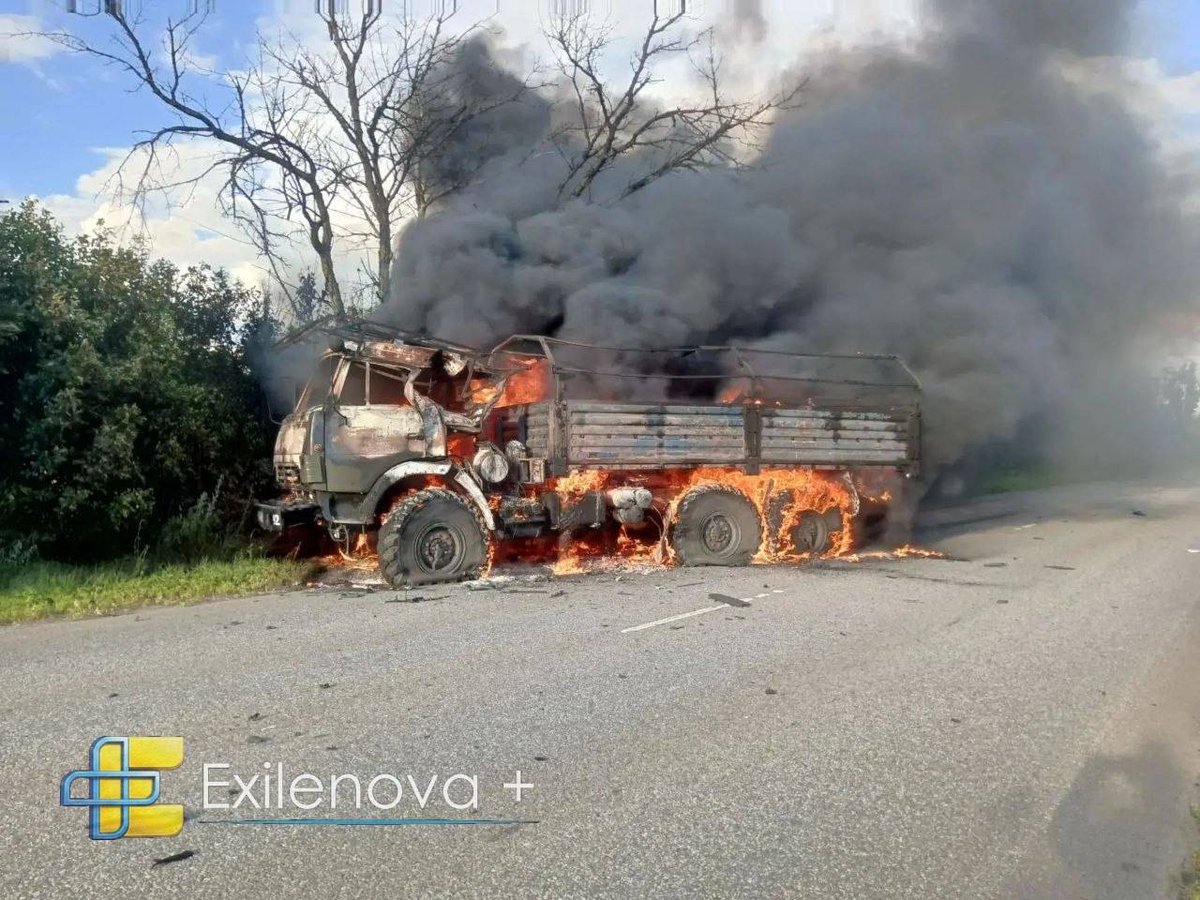
Ukrainian forces recorded multiple successful drone strikes against Russian logistics and weaponry. At 08:08 in Donetsk Oblast, a Ukrainian drone destroyed a Russian logistics vehicle on a supply route, as documented by monitor_the_situation (source). Later, at 12:03, the 15th Separate Artillery Reconnaissance Brigade "Black Forest" eliminated a Russian S‑300 launcher in Donetsk Oblast, causing the missiles to detonate and the vehicle to burn out (source).
In the southern theatre, the 59th Unmanned Systems Brigade launched UAV attacks from Kherson Oblast targeting Russian logistics supporting occupied Crimea. The brigade reported strikes on supply convoys at ranges up to 200 km, a capability highlighted in a monitor_the_situation briefing (source).
Loitering Munitions and Railway Disruptions
At 16:18, a Russian Geran‑5 loitering munition struck the Snovsk railway station in Chernihiv Oblast, damaging infrastructure and temporarily halting train movements. Intelslava’s video evidence (source) shows the munition’s jet‑powered flight path and the subsequent explosion that damaged the station’s platform.
Earlier, at 10:25, Ukrainian unit SIGNUM hit a Russian logistics train on the Crimea‑Rostov railway near Chongar, Kherson Oblast. The strike damaged a fuel tanker and a locomotive, with one projectile puncturing the locomotive’s window (source). The attack illustrates Ukraine’s focus on interdicting rail supply lines that feed Russian forces in occupied territories.
Ukrainian Counter‑Drone and Artillery Successes
Beyond the S‑300 and logistics vehicle destructions, Ukrainian forces reported the neutralisation of a Russian missile transporter in Belgorod Oblast, Russia. At 14:13, a Ukrainian drone operated by the 15th Artillery Reconnaissance Brigade "Black Forest" destroyed a Ural‑532361‑1012 missile transporter in Mochaki‑Pervye (source). While the target lay on Russian soil, the strike demonstrates the cross‑border reach of Ukrainian UAV capabilities.
In the Dnipropetrovsk region, the 5th Assault Brigade repelled an estimated 40‑person Russian assault near Vyshneve at 07:13, under foggy conditions. The Ukrainian unit’s defensive actions prevented the enemy from establishing a foothold, as reported by monitor_the_situation (source).
Russian Air‑Defense Interceptions
Russian air‑defence units continued to engage Ukrainian UAVs. At 11:25, the 50th Separate VARYAG Brigade shot down multiple Ukrainian drones over Kherson Oblast, with footage released by intelslava (source). The engagement reflects Russia’s layered air‑defence posture aimed at protecting rear‑area logistics and command nodes.
Operational Context and Emerging Trends
The concentration of kinetic events on 21 August highlights several evolving patterns in the Ukrainian theatre. First, the use of rockets and loitering munitions against civilian infrastructure, exemplified by the Kryvyi Rih shopping centre strike, indicates a continued Russian strategy of targeting high‑visibility urban targets to exert psychological pressure.
Second, Ukrainian drone operations have expanded from tactical reconnaissance to strategic interdiction of rail and road logistics, as seen in the SIGNUM rail strike and multiple logistics‑vehicle destructions. The ability to strike targets up to 200 km away suggests a maturing command‑and‑control framework for UAV assets.
Third, the cross‑border nature of some Ukrainian strikes—such as the Belgorod missile transporter attack—demonstrates a willingness to project force beyond the internationally recognised frontlines, potentially complicating Russian defensive allocations.
Finally, Russian air‑defence activity remains robust, with the VARYAG Brigade’s successful interceptions underscoring the high cost Ukrainian UAV operators face when operating within contested airspace.
Overall, the day’s kinetic engagements reflect a heightened tempo of both offensive and defensive actions, with civilian populations in urban centres bearing the brunt of high‑intensity strikes while military forces on both sides continue to adapt their tactics around unmanned systems and precision‑strike capabilities.