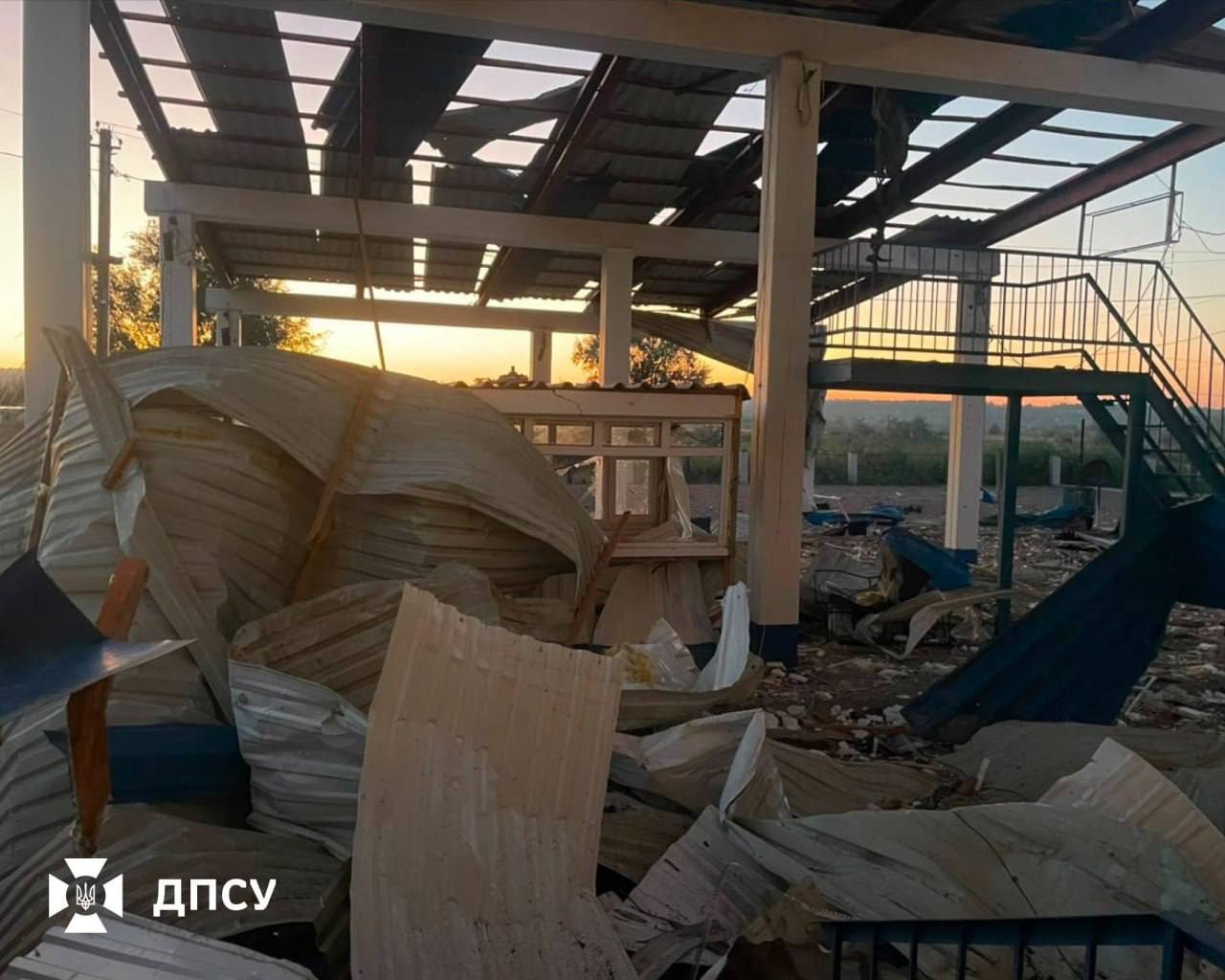
On 21 August 2026, a ground assault on the Tabaki border crossing in Odesa Oblast, Ukraine, disrupted a key transit point on the Moldova‑Ukraine frontier, representing the most significant incident reported today. According to GeoPWatch, Russian forces targeted the crossing, damaging structures, igniting fires, and halting all vehicular and pedestrian traffic. The disruption forced authorities to reroute traffic to alternative checkpoints, compounding logistical challenges for both civilian movement and commercial trade in the region.
"Russia attacked the Tabaki border crossing point on the border with Moldova in the Odesa region. Buildings and structures were damaged, and fires broke out. Currently, the passage of people and vehicles through the border crossing is not possible, and traffic is being redirected to other checkpoints." – GeoPWatch, 05:22 UTC
No casualties were reported in the immediate aftermath, and no specific weapons were identified in the source material. The incident underscores a tactical shift toward targeting infrastructure that facilitates cross‑border movement, potentially aiming to exert pressure on Moldova and Ukraine simultaneously.
Ukrainian Drone Swarm Targets Tavli Power Station in Crimea
Just minutes before the Tabaki incident, at 05:21 UTC, Ukrainian forces launched a coordinated swarm of jet‑powered strike drones against the Tavli power station, the second‑largest electricity generation facility in Russian‑occupied Crimea. GeoPWatch documented anti‑aircraft artillery (AAA) fire and multiple explosions near the plant, indicating a high‑intensity aerial engagement.
"🇺🇦❌🇷🇺 - A swarm of Ukrainian jet‑powered strike drones reportedly attacked the Tavli power station in Russian‑occupied Crimea tonight, with AAA fire and explosions visible near Crimea’s second largest plant." – GeoPWatch, 05:21 UTC
The attack employed advanced jet‑powered UAVs capable of high‑speed ingress, while Russian defensive units responded with AAA, suggesting both sides possess sophisticated aerial capabilities. While the source did not specify casualty figures, the presence of explosions near critical infrastructure raises concerns about potential disruptions to power supply for the civilian population in Crimea.
Drone Assault on Perm Refinery Highlights Expanding Reach of UAV Operations
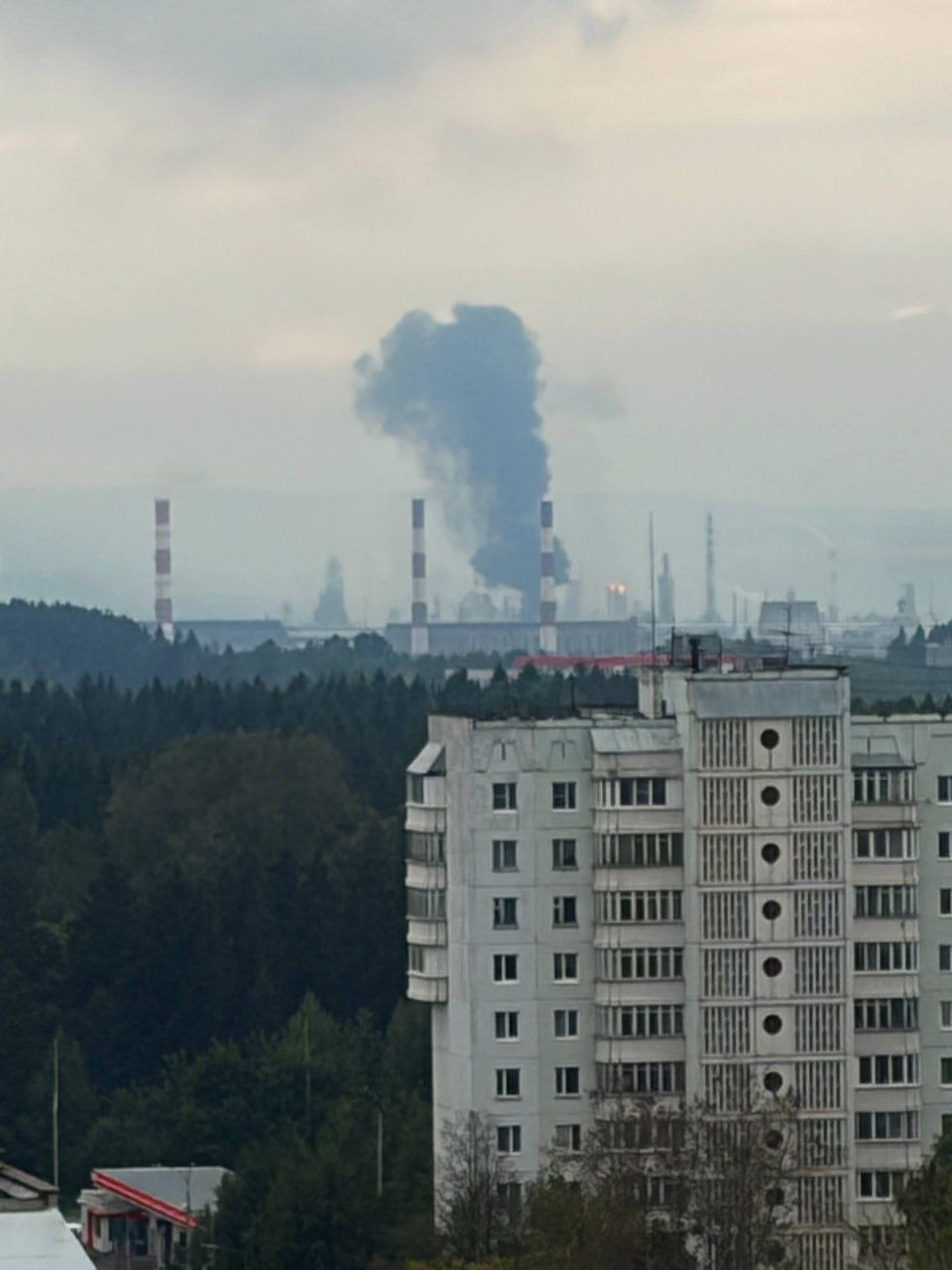
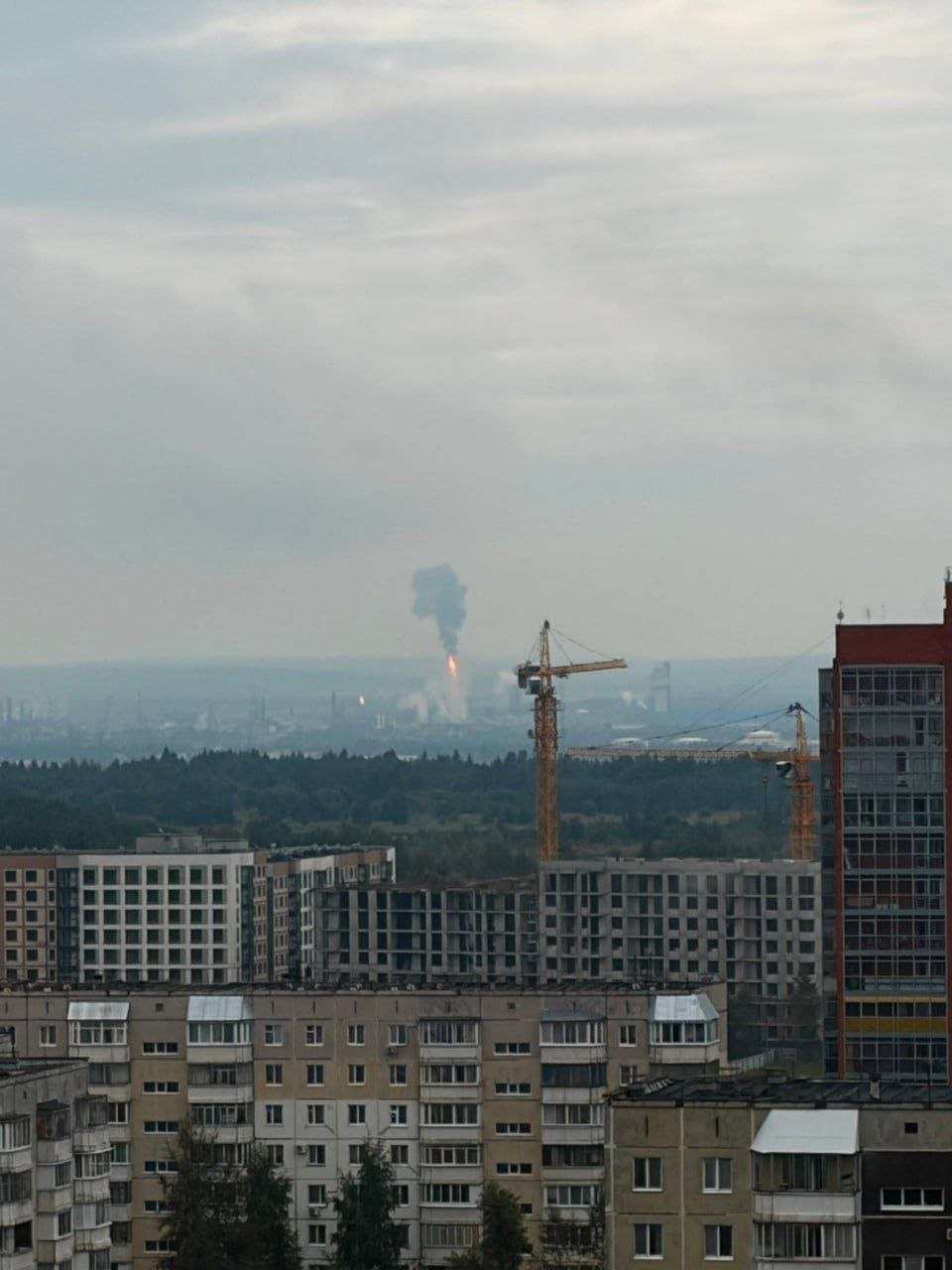
At 05:09 UTC, an independent channel, intelslava, reported a drone strike on a refinery in Perm, Russia. The brief notice, accompanied by two photographs, confirmed that unmanned aerial systems were used to target the facility, though details on the type of drone, damage extent, or casualties were not disclosed.
"🇺🇦🇷🇺⚡️ — Perm is under attack by drones. There have been strikes on a refinery." – intelslava, 05:09 UTC
The lack of specific attribution in the source leaves open the question of responsibility, but the timing and pattern align with a broader Ukrainian strategy of employing UAVs to pressure Russian energy assets. The incident illustrates the expanding geographic scope of drone operations, now reaching deep into the Russian interior.
Analytical Overview
The three incidents reported on 21 August demonstrate a coordinated escalation across multiple domains: ground‑based sabotage of border infrastructure, high‑altitude UAV swarms targeting energy generation, and deep‑penetration drone strikes on industrial facilities. While casualty reports remain limited, the strategic implications are significant. Disruption of the Tabaki crossing hampers cross‑border logistics, potentially affecting supply chains for both Ukraine and Moldova. The Tavli power station attack threatens energy stability in Crimea, a region already dependent on Russian support. Finally, the Perm refinery strike signals an ability to project UAV capabilities far beyond front‑line zones, challenging Russian air defense postures.
All three events were reported by open‑source monitoring channels, emphasizing the role of real‑time intelligence dissemination in conflict analysis. The absence of explicit claims of responsibility in the sources does not preclude attribution; however, the pattern aligns with known Ukrainian tactics of leveraging UAVs to target Russian logistical and energy nodes while Russia continues to apply pressure on Ukrainian border points.