On 20 August 2026, Ukrainian forces executed a series of rocket strikes inside Russian territory that targeted critical energy infrastructure, drone storage facilities, and a frontline combat aircraft. The attacks, reported by the open‑source monitor "monitor_the_situation," demonstrate a coordinated effort to degrade Russian operational capabilities across multiple fronts.
Strike on Taman Oil Terminal and Substation
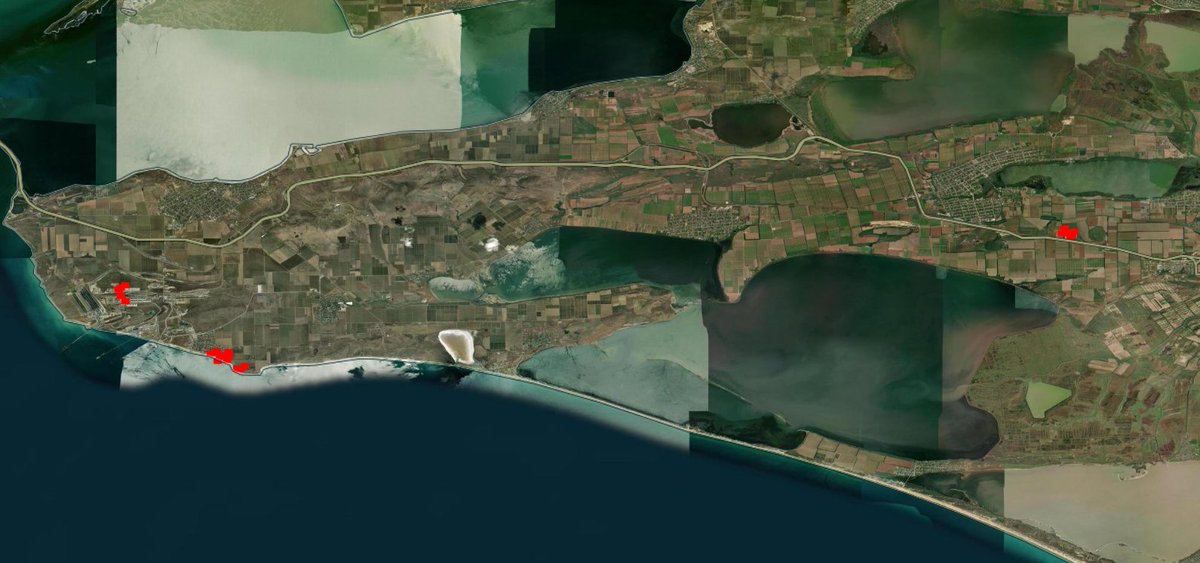
At 06:17 local time, a missile‑borne rocket struck the Tamanneftegaz oil terminal and the adjacent 500 kV Taman substation in Taman, Krasnodar Krai. The impact caused extensive damage to the terminal’s loading facilities and triggered a cascade failure in the substation, resulting in a complete blackout across Russian‑occupied Crimea. No civilian casualties were reported in the immediate aftermath, and Russian authorities have not released official damage assessments beyond the power outage.
"Ukrainian forces hit the Taman oil terminal and substation in Krasnodar Krai, causing a blackout across Russian‑occupied Crimea." – monitor_the_situation, 06:17 UTC, https://t.me/monitor_the_situation/28094
The strike employed a precision‑guided missile, though the specific type was not disclosed. The operation was attributed to Ukrainian military units operating from western Ukraine, with no formal claim of responsibility from any Ukrainian organization. The source channel @NOELreports highlighted the strategic significance of cutting power to Crimea, a region heavily dependent on mainland electricity supplies.
Drone Storage and Radar Attack in Primorsko‑Akhtarsk
Later in the day, at 17:26, Ukrainian forces targeted Russian drone storage depots, launch sites, and two radar installations in Primorsko‑Akhtarsk, also in Krasnodar Krai, as well as comparable facilities in occupied Donetsk. The operation, described as a “significant” strike by the monitoring outlet, involved multiple rockets but did not specify the weapon system used. No injuries were reported, and Russian state media confirmed damage to at least one radar array, temporarily reducing air‑defence coverage in the sector.
"Ukraine hit Russian drone storage, launch sites and radar systems in Primorsko‑Akhtarsk and occupied Donetsk." – monitor_the_situation, 17:26 UTC, https://t.me/monitor_the_situation/28135
The source channel @KyivIndependent emphasized the tactical impact of degrading unmanned aerial vehicle (UAV) launch capabilities, noting that the affected sites support Russia’s “kamikaze” drone campaigns in the southern front.
Damage to Su‑34 Bomber at Akhtubinsk Airfield
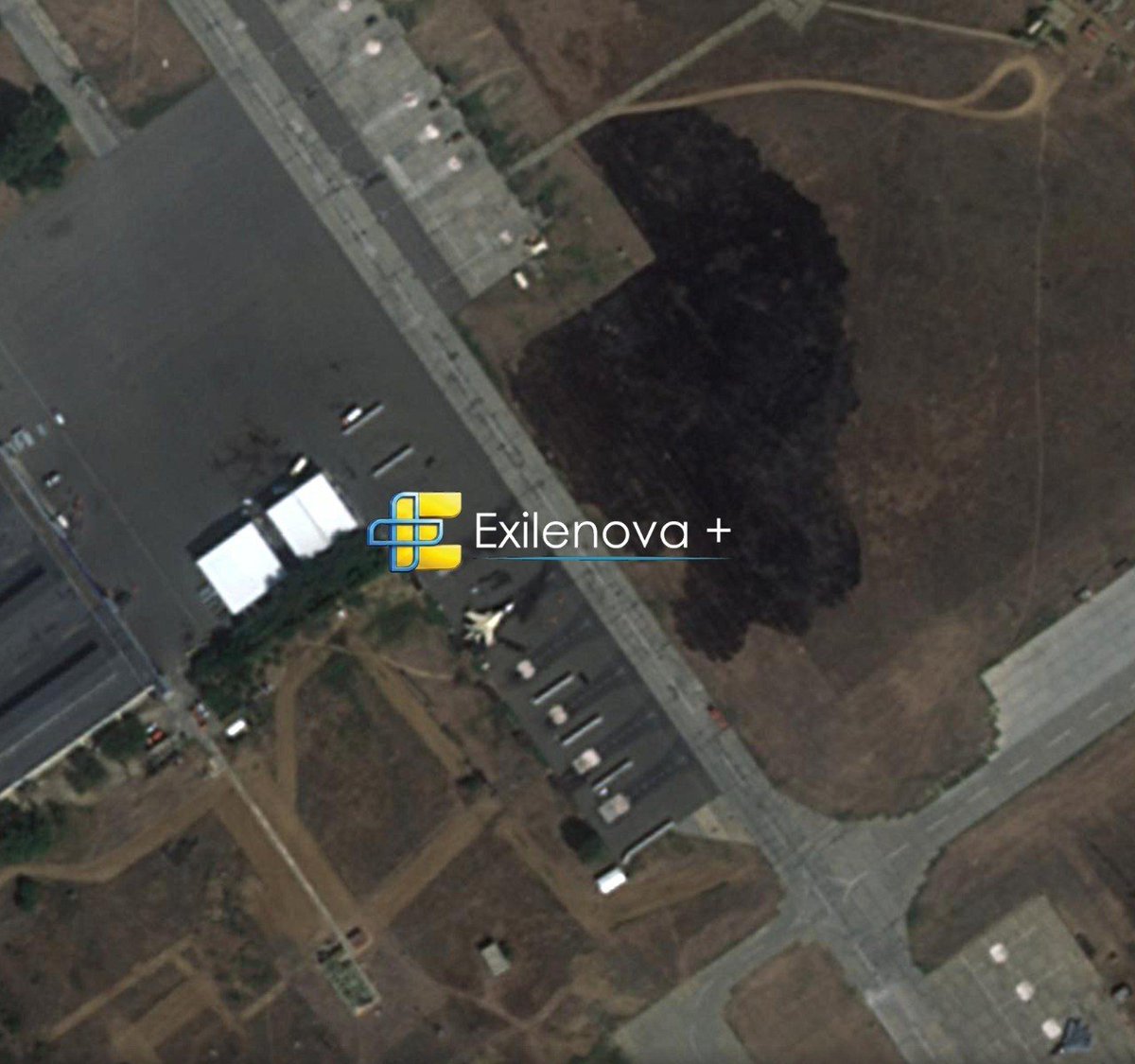
At 14:00, satellite imagery confirmed a Ukrainian strike that damaged a Russian Su‑34 frontline bomber stationed at Akhtubinsk airfield in Astrakhan Oblast. The impact caused a fuel spill and a localized fire around the aircraft, rendering it inoperable pending repairs. No crew casualties were reported, and Russian officials have not disclosed the extent of the damage to the airframe.
"Ukrainian strike damages a Russian Su‑34 bomber at Akhtubinsk airfield in Astrakhan Oblast, Russia." – monitor_the_situation, 14:00 UTC, https://t.me/monitor_the_situation/28118
The strike’s weapon system was not identified in the source material, but the use of a precision rocket suggests a capability to engage high‑value air assets on the ground. The incident underscores a growing vulnerability of Russian airbases to stand‑off attacks.
Operational Analysis
All three events occurred within a twelve‑hour window, indicating a synchronized operational tempo. The selection of targets—energy infrastructure, UAV launch capacity, and a frontline bomber—reflects a strategic focus on degrading Russian force projection and logistical sustainment. The absence of reported casualties suggests that the attacks were calibrated to avoid mass civilian harm while maximizing material disruption.
From a tactical perspective, the Taman strike achieved a regional effect by incapacitating power supplies to Crimea, potentially affecting both civilian life and military installations that rely on stable electricity. The Primorsko‑Akhtarsk operation reduced the Russian ability to launch and control UAV swarms, which have been a persistent threat to Ukrainian ground forces. Finally, the damage to the Su‑34 at Akhtubinsk removes a high‑value strike platform from Russia’s southern air‑force inventory, at least temporarily.
Implications for Russian Defense Posture
These attacks illustrate an expanding Ukrainian capability to conduct kinetic operations deep inside Russian territory, leveraging long‑range precision munitions and real‑time intelligence. The incidents may compel Russian command to reassess the security of critical infrastructure and airbase defenses, potentially reallocating air‑defence assets to protect rear‑area installations. Moreover, the coordinated nature of the strikes could signal a shift toward multi‑theater pressure, aiming to stretch Russian response capacities.
While the immediate material losses are quantifiable—damage to oil handling facilities, radar systems, and a combat aircraft—the broader strategic impact will depend on Russia’s ability to restore power to Crimea, replace UAV launch capacity, and repair the Su‑34. Continued monitoring of repair timelines and any subsequent retaliatory actions will be essential for assessing the longer‑term effects on the conflict dynamics.