In the early hours of Thursday, 20 August 2026, a coordinated wave of Russian attacks struck Kyiv and its environs, marking the most severe escalation of hostilities in the capital since the conflict began. The first confirmed strike, reported by GeoPWatch at 03:54 UTC, was an airstrike that killed six civilians—including five in Kyiv proper—and damaged a residential block, a city hospital, and a local school.
"Six people died in last night's Russian strikes on Ukraine, with five of those casualties on Kyiv. Multiple civilian facilities, including residencies, a hospital and a school were damaged in the attack," GeoPWatch reported.
Casualties and damage: Six fatalities, numerous injuries, and structural damage to essential civilian services. The strike underscores the vulnerability of densely populated urban zones to indiscriminate aerial bombardment.
Ballistic Missile Barrage Inflicts Further Losses
At 04:59 UTC, Al Jazeera confirmed that a series of Russian ballistic missiles slammed into Kyiv, killing at least six people and wounding over two dozen. The missiles, identified as short‑range ballistic projectiles, struck multiple districts, igniting fires and collapsing sections of residential buildings.
"Russian ballistic missiles killed at least six people and injured over two dozen more in Kyiv early on Thursday," Al Jazeera reported.
The combined death toll from the airstrike and missile barrage reached twelve, with injuries exceeding thirty. Both incidents were carried out without direct attribution to a specific Russian military unit, but the pattern aligns with recent tactics employed by the Russian Armed Forces.
Missile and Drone Swarm Targets Wider Region
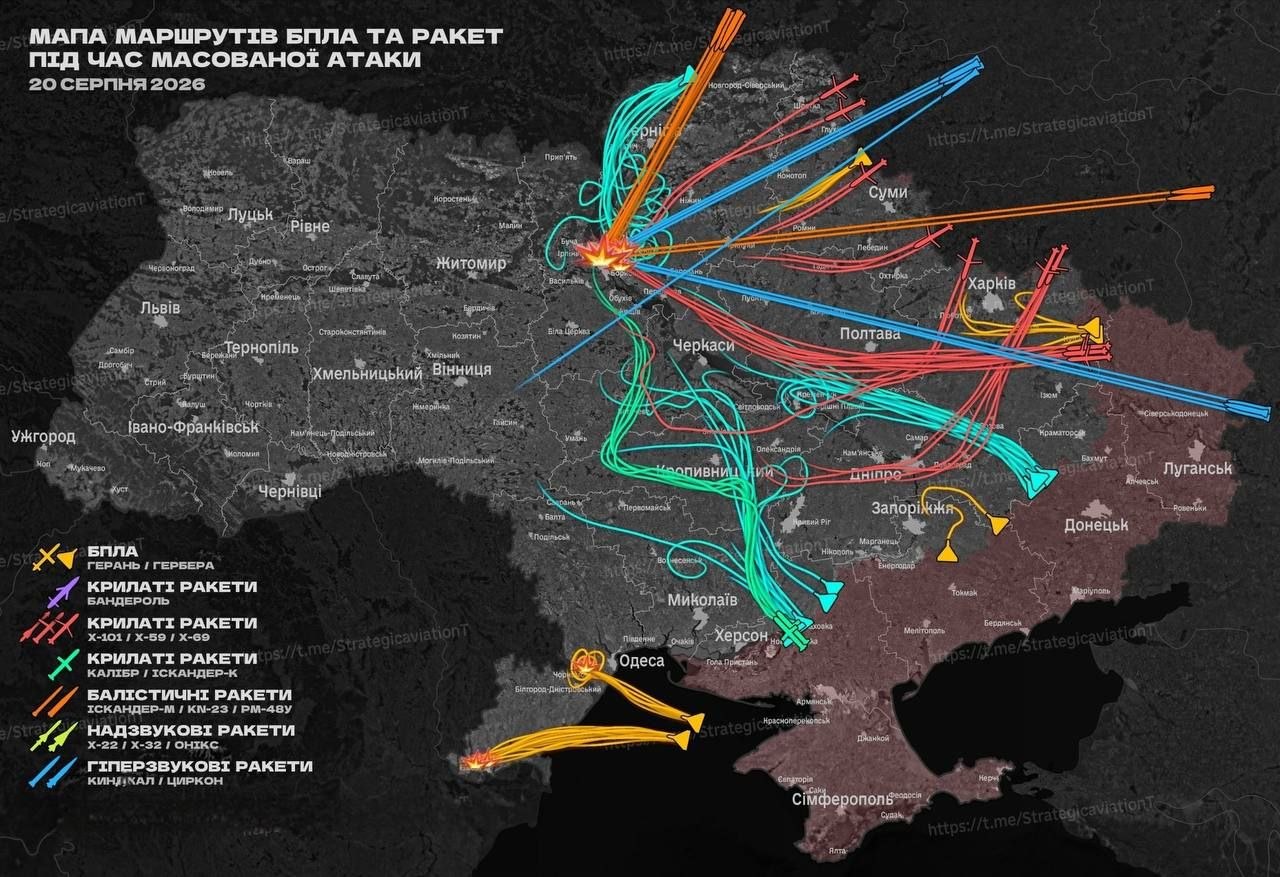
Intelslava released a map and video evidence at 04:42 UTC showing that the same night’s offensive extended beyond Kyiv to include Ochakiv (Nikolaev region), Kryvyi Rih, Chernihiv, Kharkiv, Cherkasy and Kirovohrad. The attacks employed a mix of cruise missiles and unmanned aerial systems (UAS), striking both military installations and civilian infrastructure.
"Russia launched missile and drone strikes across Kyiv and several Ukrainian cities including Ochakiv, Kryvyi Rih, Chernihiv, Kharkiv, Cherkasy and Kirovohrad," intelslava noted.
While casualty figures for the outlying cities remain unverified, the visual evidence confirms widespread damage to power substations, water treatment facilities, and industrial sites, compounding the humanitarian impact.
Industrial Fire in Brovary Highlights Chemical Hazard Risks
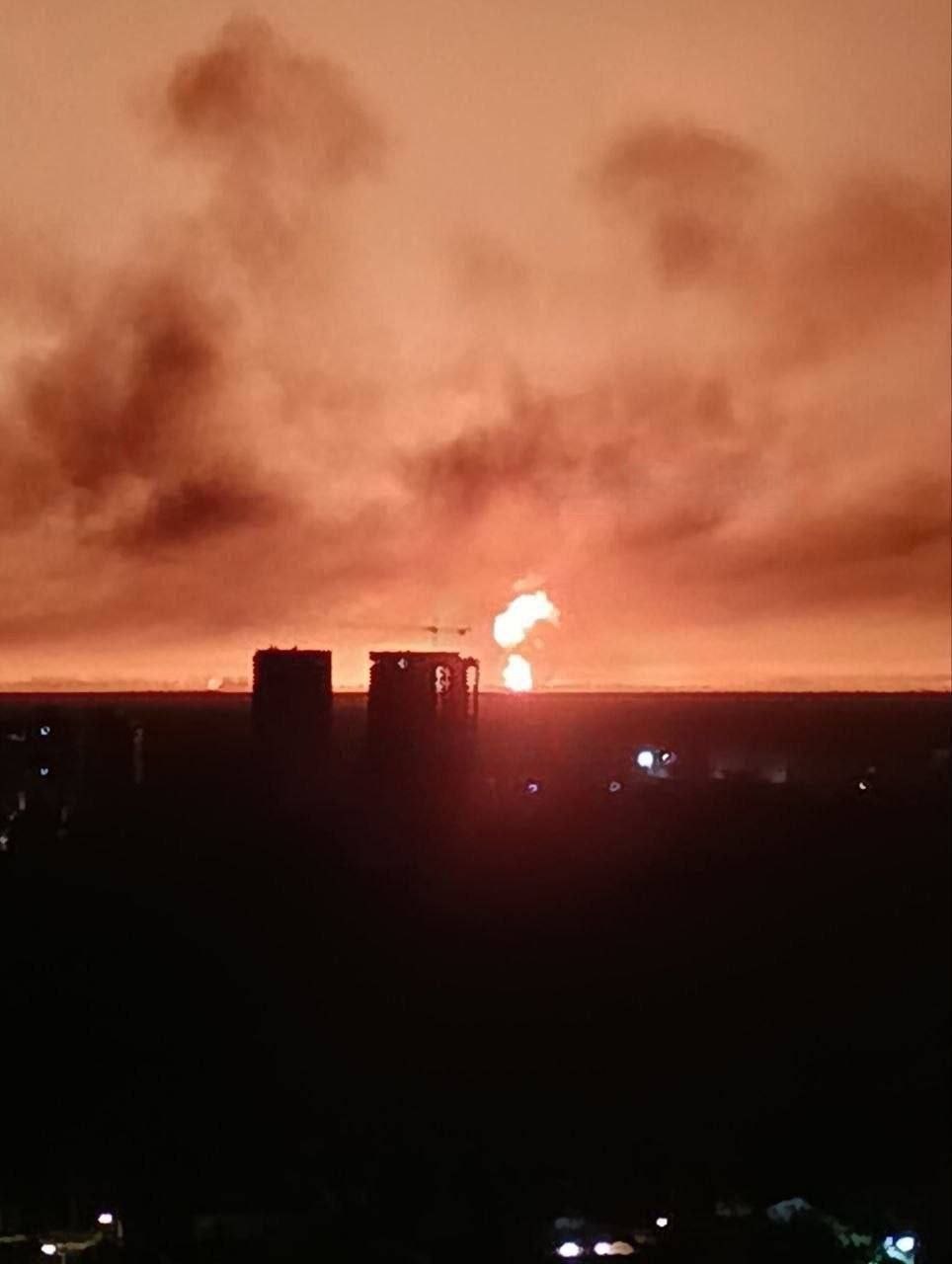
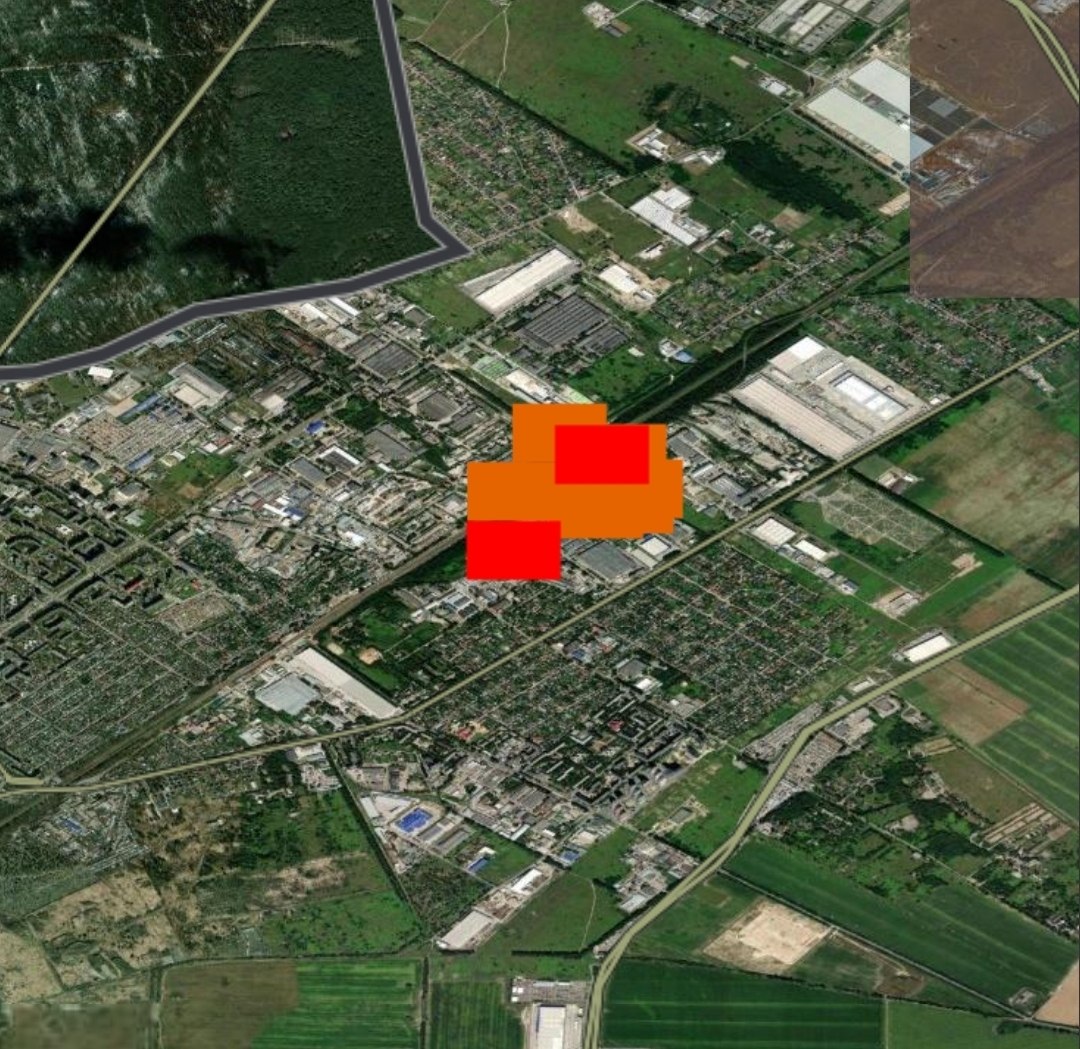
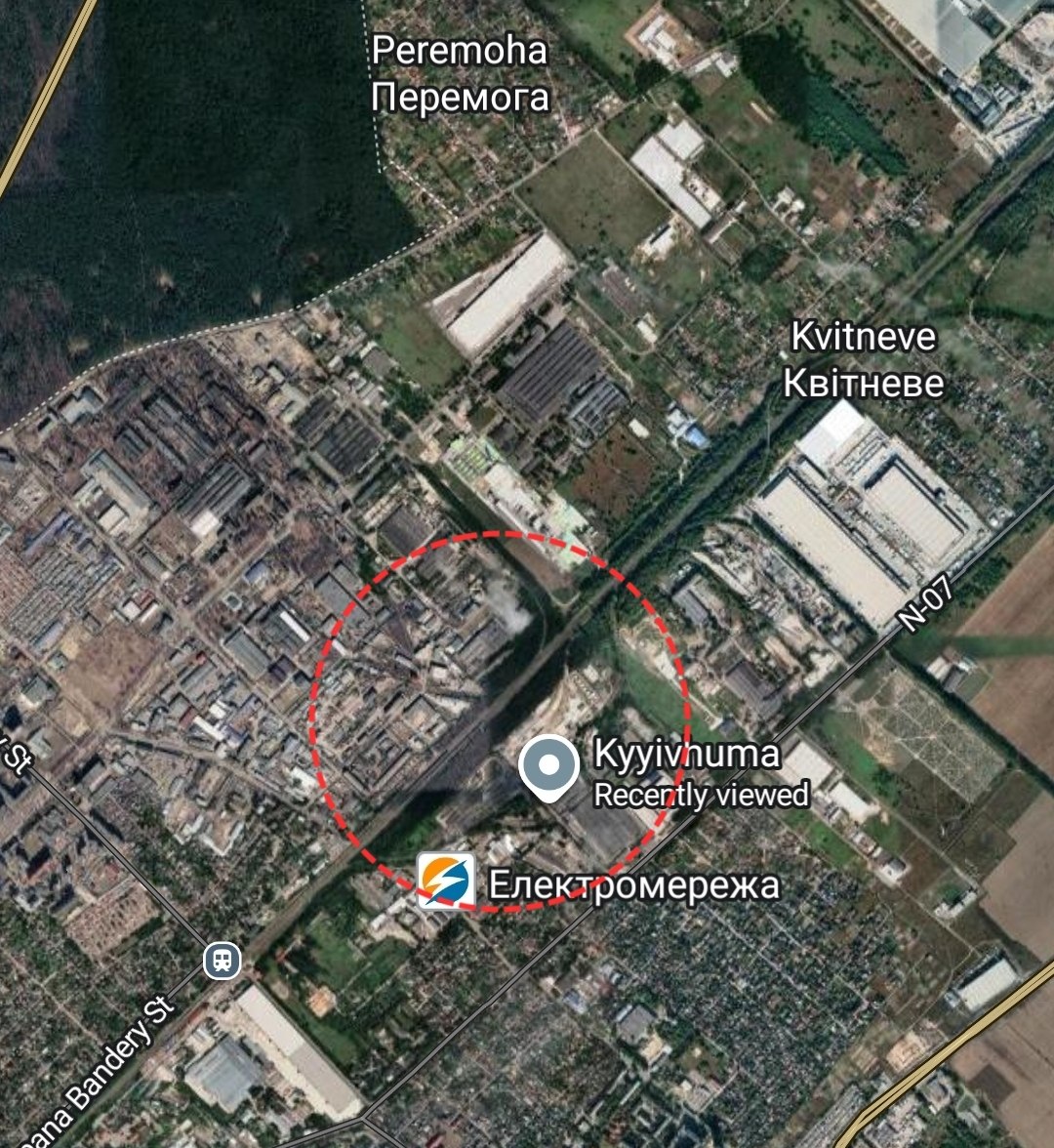
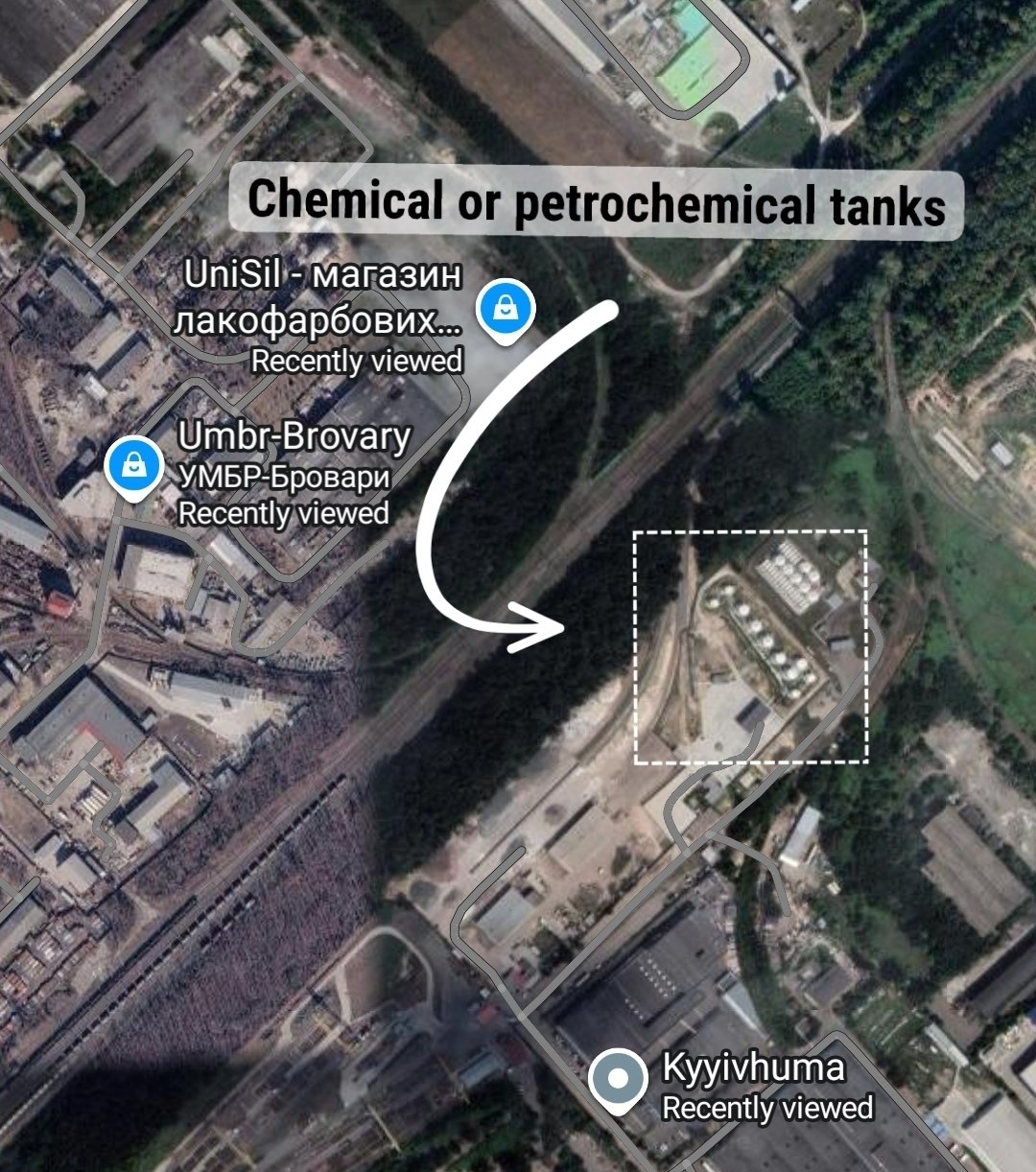
At 04:41 UTC, GeoPWatch reported a massive fire erupting in Brovary, a suburb east of Kyiv, after Russian strikes hit manufacturing plants storing highly flammable chemicals. Photographs showed towering flames and thick black smoke, suggesting the involvement of petrochemical storage tanks.
"Finally, a massive fire can be seen raging in Brovary, just outside Kyiv, where multiple manufacturing plants appear to have been struck. The main source of the fire appears to be tanks likely storing some sort of highly flammable chemical or petrochemical product," GeoPWatch wrote.
The blaze forced the evacuation of nearby residential districts and prompted a hazardous materials response from Ukrainian emergency services. No immediate civilian casualties were reported, but the incident raises concerns about secondary explosions and long‑term environmental contamination.
Secondary Strikes Near Kyiv International Airport
GeoPWatch documented additional attacks at 04:29 UTC targeting warehouses adjacent to Kyiv International Airport. The strikes ignited multiple fires, threatening fuel depots and logistics hubs critical for both civilian travel and humanitarian aid deliveries.
"Additional warehouses were also struck in very close proximity to Kyiv airport, and it's likely multiple facilities are now ablaze in the area," GeoPWatch reported.
While the airport remained operational for emergency flights, the damage to storage facilities is expected to disrupt cargo throughput for several days, further straining supply chains already hampered by the conflict.
Earlier Strike Adds to Cumulative Toll
At 02:50 UTC, Al Jazeera reported a separate Russian strike on Kyiv that killed three civilians and wounded twenty, fourteen of whom required hospitalization. The attack targeted a densely populated neighborhood, causing structural collapse of a multi‑storey building.
"Russian strike kills 3 in Ukraine as Zelenskyy faces pressure at home. At least 14 of the 20 people wounded in the strike on Kyiv have been hospitalised," Al Jazeera noted.
This earlier incident, combined with the later assaults, brings the confirmed civilian death count for Thursday to fifteen, with injuries surpassing fifty.
Operational Context and Immediate Implications
The synchronized nature of the attacks—airstrikes, ballistic missiles, cruise missiles, and drones—suggests a concerted effort by Russian forces to overwhelm Ukrainian air defenses and create chaos across multiple fronts simultaneously. The targeting of civilian infrastructure, including hospitals, schools, chemical plants, and logistics hubs, contravenes international humanitarian law principles that protect non‑combatants and civilian objects.
Ukrainian authorities have activated emergency response protocols, mobilizing medical units, fire brigades, and hazmat teams. International humanitarian organizations are preparing to dispatch additional aid, though access may be hampered by ongoing security risks around the capital.
In the short term, the attacks are expected to exacerbate civilian displacement, strain medical facilities already coping with war‑related injuries, and disrupt essential services such as electricity, water, and fuel distribution. The broader strategic intent appears to be to pressure the Ukrainian government and erode public morale ahead of anticipated diplomatic negotiations.