In the early hours of 20 August 2026, the Russian Armed Forces launched an extensive barrage of ballistic missiles, cruise missiles and unmanned aerial systems that rained down on Kyiv for several hours, marking the most intense kinetic operation against the Ukrainian capital since the conflict began.
Overview of the Kyiv missile barrage
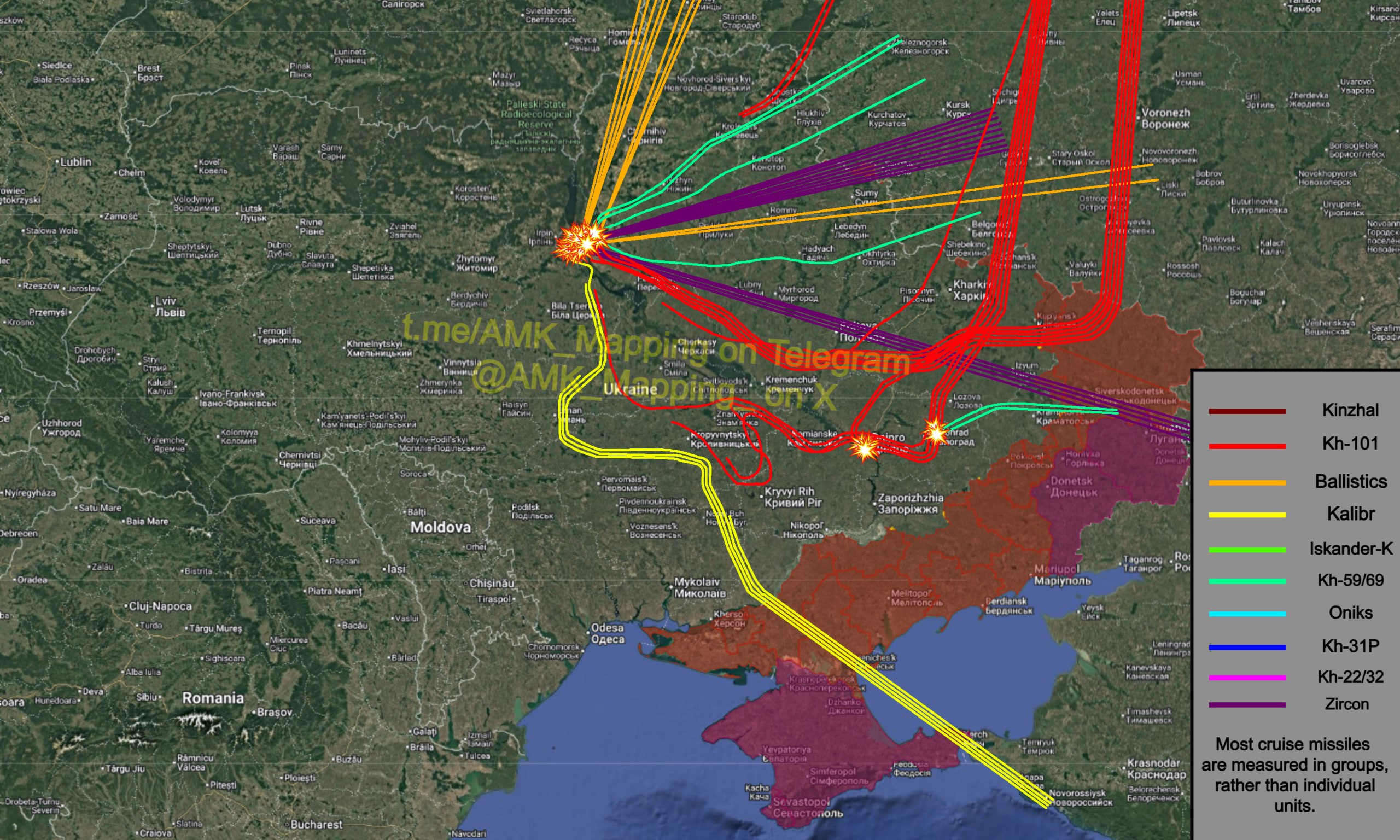
According to Al Jazeera, the attack began at approximately 02:00 UTC and continued for more than three hours, employing a mixed salvo of ballistic missiles, cruise missiles and drones. The strike targeted civilian infrastructure, government buildings and key transport nodes across the city. While official casualty figures remain unconfirmed, the scale of the attack has prompted emergency services to declare a city‑wide alert and to mobilise additional medical resources.
"Deadly Russian missile barrage hits Kyiv in hours‑long overnight attack" – Al Jazeera, https://www.aljazeera.com/video/newsfeed/2026/8/20/deadly-russian-missile-barrage-hits-kyiv-in-hours-long-overnight-attack?traffic_source=rss
Subsequent strikes and secondary targets
Within the same day, separate kinetic events compounded the pressure on Ukraine’s defence apparatus. At 08:18 UTC, Russian ballistic missiles struck the capital again, killing at least 12 civilians and wounding dozens, as reported by Al Jazeera video footage.
"Video shows Russian missile strike on Ukrainian capital" – Al Jazeera, https://www.aljazeera.com/video/newsfeed/2026/8/20/video-shows-russian-missile-strike-on-ukrainian-capital?traffic_source=rss
Later, a coordinated strike hit the KLO oil depot in the Brovar district of Kyiv region. The depot sustained extensive damage, with multiple explosions captured on video and a surge of media coverage highlighting the scale of the blast.
In the Boryspil area, Russian rockets ignited large food warehouses and a Red Cross facility, creating a massive fire that threatened humanitarian supplies for displaced populations.
GeoPWatch documented a massive missile barrage aimed at the Antonov Aircraft Plant and other military facilities in Kyiv and the surrounding oblast. The attack involved approximately 22 Kh‑101 cruise missiles launched from six Tu‑95MS bombers, 16 Kh‑101 missiles from two Tu‑160M bombers, and a mix of Zircon hypersonic, Kalibr, Iskander‑M and other missile types. Ukrainian air‑defence forces reported shooting down dozens of incoming projectiles, though exact interception numbers were not disclosed.
"Russia launched a massive missile barrage targeting military facilities in Kyiv and Kyiv Oblast" – GeoPWatch, https://t.me/GeoPWatch/38650
Ukrainian air‑defence response and procurement push
President Volodymyr Zelenskyy addressed the nation later in the day, stating that Ukrainian forces had intercepted roughly 90 % of the Russian cruise missiles that entered Ukrainian airspace. He emphasized that ballistic missile defences performed less effectively and reiterated Ukraine’s request for additional Patriot air‑defence systems from the United States.
"Zelenskyy says 90% of Russian cruise missiles were intercepted but ballistic missile defenses fared worse; Kyiv is ready to buy Patriots" – monitor_the_situation, https://t.me/monitor_the_situation/28137
The claim underscores the critical role of layered air‑defence architecture, combining short‑range systems such as the S‑300 and medium‑range Patriot batteries to counter a diversified missile threat.
Ground operations in eastern Ukraine
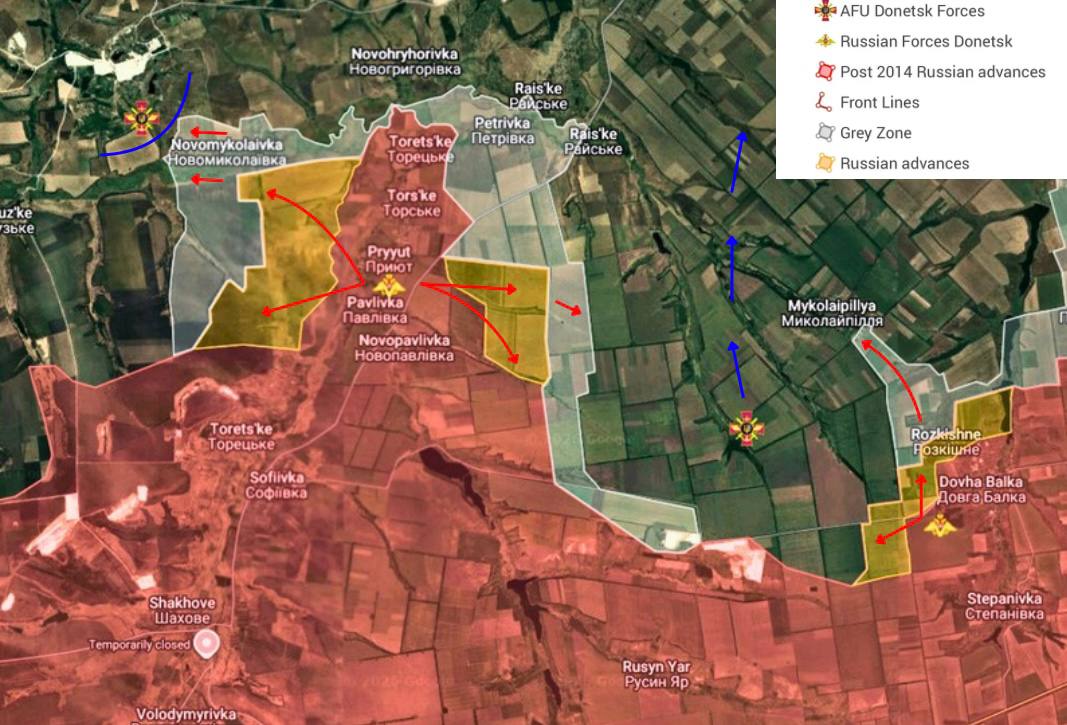
While the capital endured aerial bombardment, Russian ground forces expanded their foothold southwest of Druzhkivka in Donetsk Oblast. According to GeoPWatch, Russian units advanced toward Novomykolaivka and Pryyut, capturing the villages of Rozkishne and Mykolaipillya. Photographic evidence showed Russian personnel raising flags in the newly seized settlements, indicating a consolidation of territorial gains.
"Russian forces expanded bridgehead southwest of Druzhkivka, capturing Rozkishne and Mykolaipillya" – GeoPWatch, https://t.me/GeoPWatch/38656
The movement reflects a broader pattern of incremental advances along the front line, aimed at securing logistical corridors and pressuring Ukrainian defensive positions.
Additional kinetic actions across Ukraine
Other notable attacks included a precision strike in Blahodatne, Kharkiv Oblast, where the Russian Aerospace Forces deployed five FAB‑500 glide‑kit bombs against a deployment point of the Ukrainian 159th Separate Mechanized Brigade. The use of glide‑kit equipped bombs demonstrates Russia’s emphasis on extending stand‑off ranges while maintaining high‑explosive payloads.
"Russian Aerospace Forces conducted five precision strikes with FAB‑500 glide‑kit bombs on a Ukrainian brigade deployment point" – intelslava, https://t.me/intelslava/92870
In the Kyiv suburb of Brovary, a Russian Geran‑4 jet‑powered drone struck a logistics warehouse, causing material losses but no reported casualties.
"Russian Geran‑4 jet‑powered drone hits logistics warehouse in Brovary" – intelslava, https://t.me/intelslava/92865
UAV attacks across the country continued to inflict civilian harm. Monitor_the_situation reported at least 19 civilian deaths and 145 injuries from drone strikes in Sumy, Kharkiv and Donetsk regions, highlighting the persistent threat posed by low‑cost, expendable unmanned systems.
"UAV Attacks Kill 3, Injure 155 Civilians Across Ukraine" – monitor_the_situation, https://t.me/monitor_the_situation/28120
Collectively, these events illustrate a multi‑dimensional kinetic campaign by Russian forces, combining strategic missile strikes, tactical air‑defence saturation, and ground manoeuvres to pressure Ukrainian command and control, logistics and civilian morale.
Implications for the conflict trajectory
The coordinated missile barrage over Kyiv represents a significant escalation in Russia’s long‑range strike capability, leveraging both legacy ballistic platforms and newer cruise/hypersonic weapons. Ukraine’s reported high interception rate for cruise missiles suggests that existing air‑defence assets remain effective against certain threat categories, yet the lower success against ballistic missiles underscores a capability gap that Ukraine seeks to fill through additional Patriot batteries and allied support.
Simultaneously, the expansion of Russian ground forces in Donetsk signals an intent to consolidate territorial gains and potentially prepare for further offensives. The continued use of precision‑guided bombs and drone attacks indicates a diversification of tactics aimed at degrading Ukrainian military readiness while avoiding large‑scale conventional engagements.
Monitoring agencies will likely focus on the durability of Ukraine’s air‑defence network, the speed of Western arms deliveries, and the operational tempo of Russian missile launches in the coming weeks, as these factors will shape the conflict’s kinetic intensity.