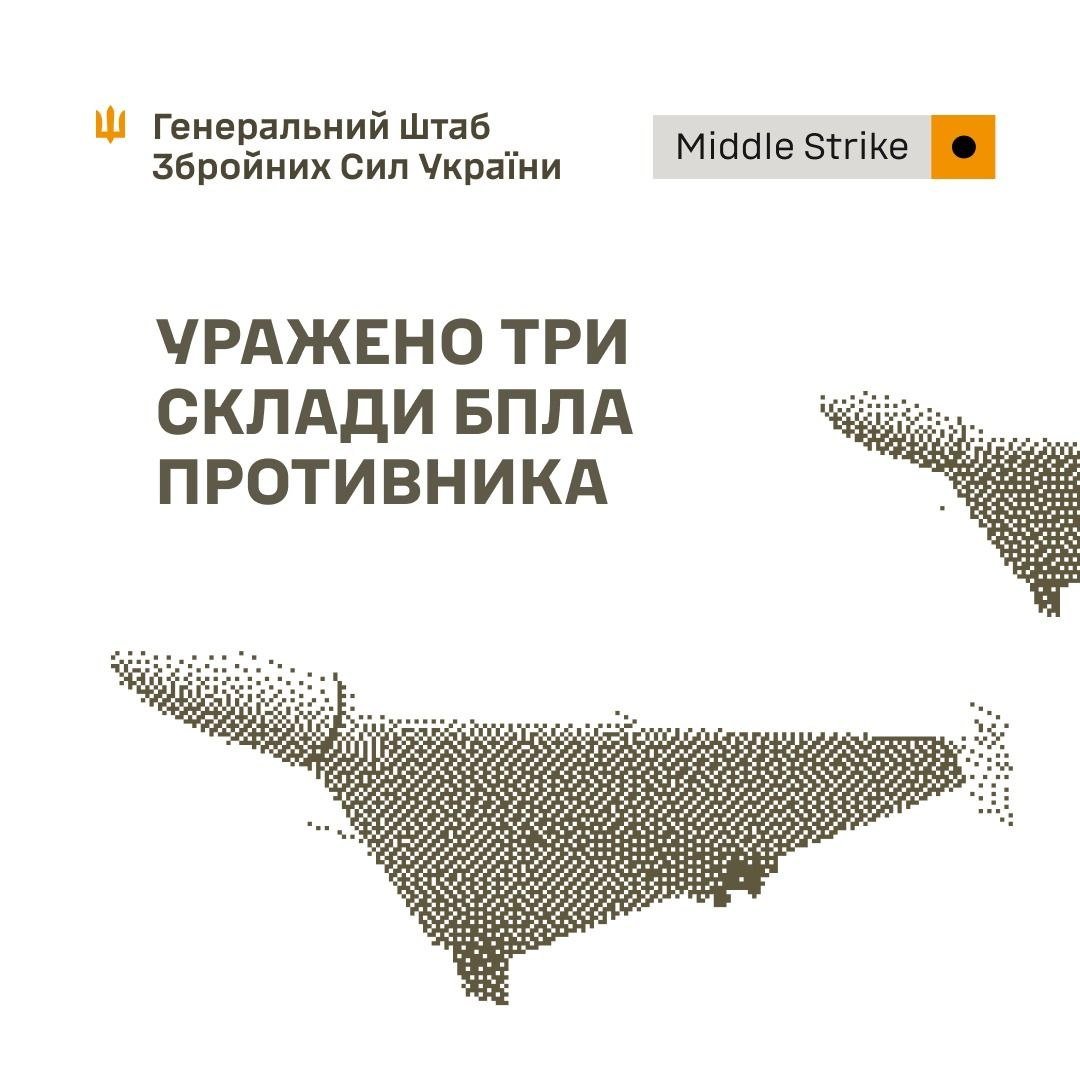
On 19 August 2026, Ukrainian forces executed a series of coordinated missile strikes targeting Russian logistical infrastructure across Donetsk, Luhansk, Crimea and the Zaporizhzhia region. The operation hit a road bridge near Molochansk, three UAV warehouses in Donetsk and Luhansk, a drone control relay in Crimea, and a UAV command post near Verkhnii Rohachyk. The strikes represent a notable escalation in Ukraine's use of precision weapons to impair Russian supply chains and command‑and‑control capabilities.
Operational Details and Immediate Impact
The attacks were carried out by the Ukrainian Armed Forces using missile systems, though the specific platform was not disclosed in the source material. According to monitor_the_situation, the bridge near Molochansk—an essential crossing for ground convoys—sustained significant damage, potentially disrupting the flow of materiel to front‑line units in the east. Simultaneously, the destruction of three UAV warehouses in Donetsk and Luhansk eliminated stored unmanned aerial systems that Russia relies on for reconnaissance and strike missions. The drone control relay in Crimea, a critical node for coordinating aerial assets over the peninsula, was also neutralized, and a UAV command post near Verkhnii Rohachyk was rendered inoperable.
"Ukrainian forces struck a bridge near Molochansk and several drone facilities across Donetsk, Luhansk, Crimea and near Verkhnii Rohachyk, targeting Russian logistics," – monitor_the_situation, 19 Aug 2026.
While casualty figures for these strikes were not reported, the operational effect is evident: reduced aerial surveillance capacity for Russian forces and a bottleneck in ground logistics that could constrain offensive operations in the coming weeks.
Russian UAV Engagements in Donetsk Oblast
Later the same day, at 16:47, Russian UAV operators from the 4th Separate Guards Motor Rifle Brigade engaged a Ukrainian armored personnel carrier (APC) on the road between Druzhkivka and Oleksiievo‑Druzhkivka in Donetsk Oblast. The UAV, operating under the brigade’s command, successfully destroyed a YPR‑765 APC, a vehicle commonly used by Ukrainian mechanized units for troop transport. The incident, reported by intelslava, underscores the continued reliance of Russian ground forces on UAVs for precision targeting against mobile assets.
"UAV operators of the 4th Separate Guards Motor Rifle Brigade destroy a Ukrainian YPR‑765 armored personnel carrier on the road between Druzhkivka and Oleksiievo‑Druzhkivka," – intelslava, 19 Aug 2026.
No casualties were disclosed, but the loss of an APC reduces Ukrainian maneuver capability in the contested corridor between the two towns.
Ground Advances and Occupations in Donetsk
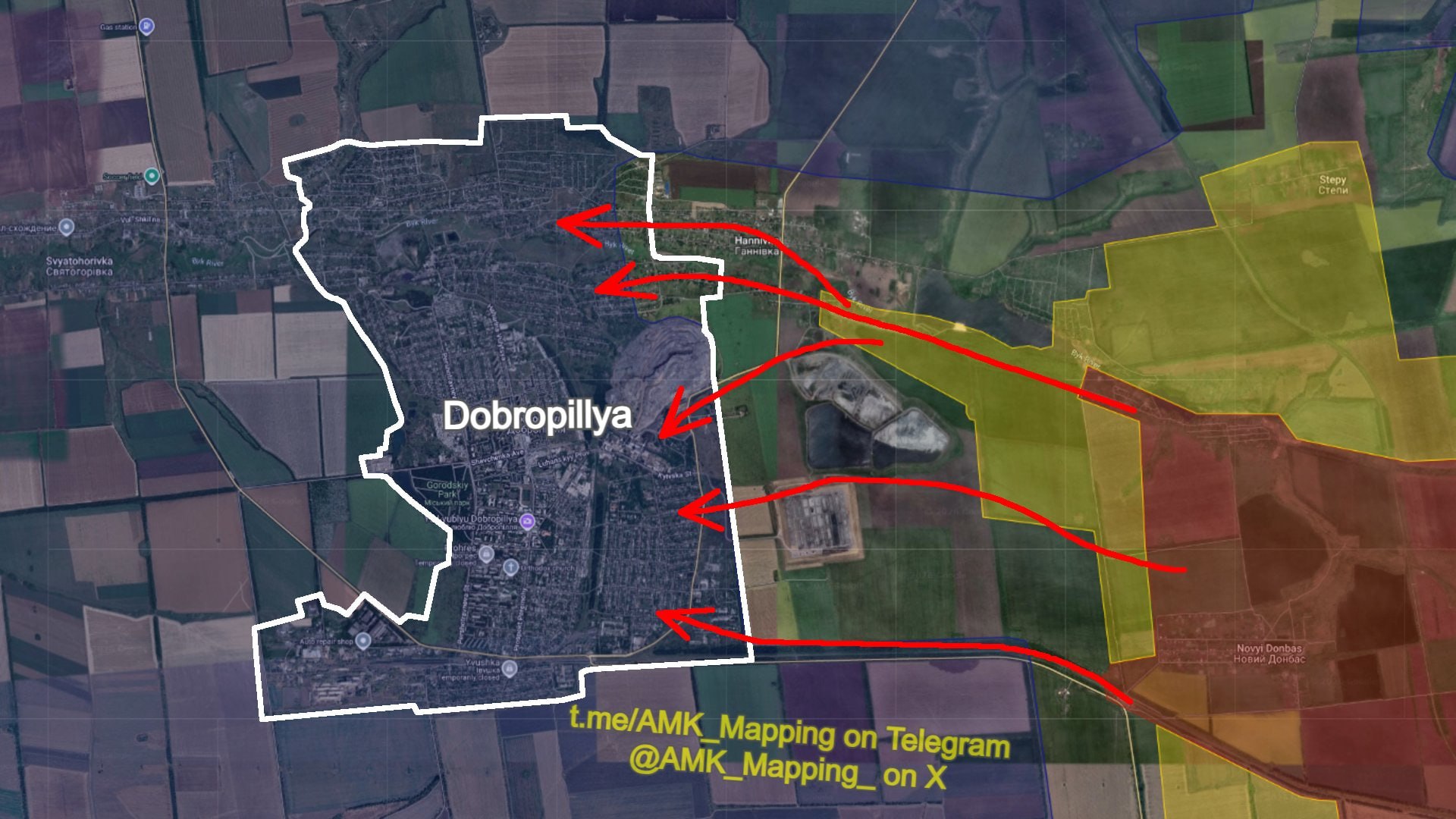
At 16:11, Russian troops entered the city of Dobropillia in Donetsk Oblast, occupying approximately twelve houses on the northern outskirts. The incursion, documented by CIG_telegram, marks a localized expansion of Russian control in the area. While the report does not specify combat intensity or casualties, the occupation of civilian structures suggests a tactical foothold intended to pressure Ukrainian defensive positions on the city’s periphery.
"The battle for Dobropolye has begun. Russian troops broke into the city and occupied a dozen houses on the city's northern outskirts," – CIG_telegram, 19 Aug 2026.
The development aligns with broader Russian efforts to secure urban footholds that can serve as staging points for further operations.
Russian Air Defense Intercepts Over Kherson and Zaporizhzhia
Russian air defense units demonstrated active engagement against Ukrainian UAV activity in two separate incidents. At 14:34, operators from the 218th Guards Tank Regiment of the 127th Motor Rifle Division, part of the Vostok Group of Forces, intercepted Ukrainian drones over the Zaporizhzhia direction. The footage, released by intelslava, shows the regiment’s UAV crews employing counter‑UAV measures to deny aerial reconnaissance.
"Compilation of footage showing UAV operators from the 218th Guards Tank Regiment ... intercepting Ukrainian UAVs in the Zaporizhzhia direction," – intelslava, 19 Aug 2026.
Earlier, at 14:10, the 50th Separate VARYAG Brigade shot down Ukrainian drones over Kherson Oblast, as captured in video released by the same source. These interceptions illustrate the contested airspace over southern Ukraine and the Russian emphasis on protecting critical infrastructure from aerial attacks.
"Footage shows air defense crews of the 50th Separate “VARYAG” Brigade intercepting Ukrainian drones over Kherson Oblast," – intelslava, 19 Aug 2026.
Russian Consolidation in Zaporizhzhia
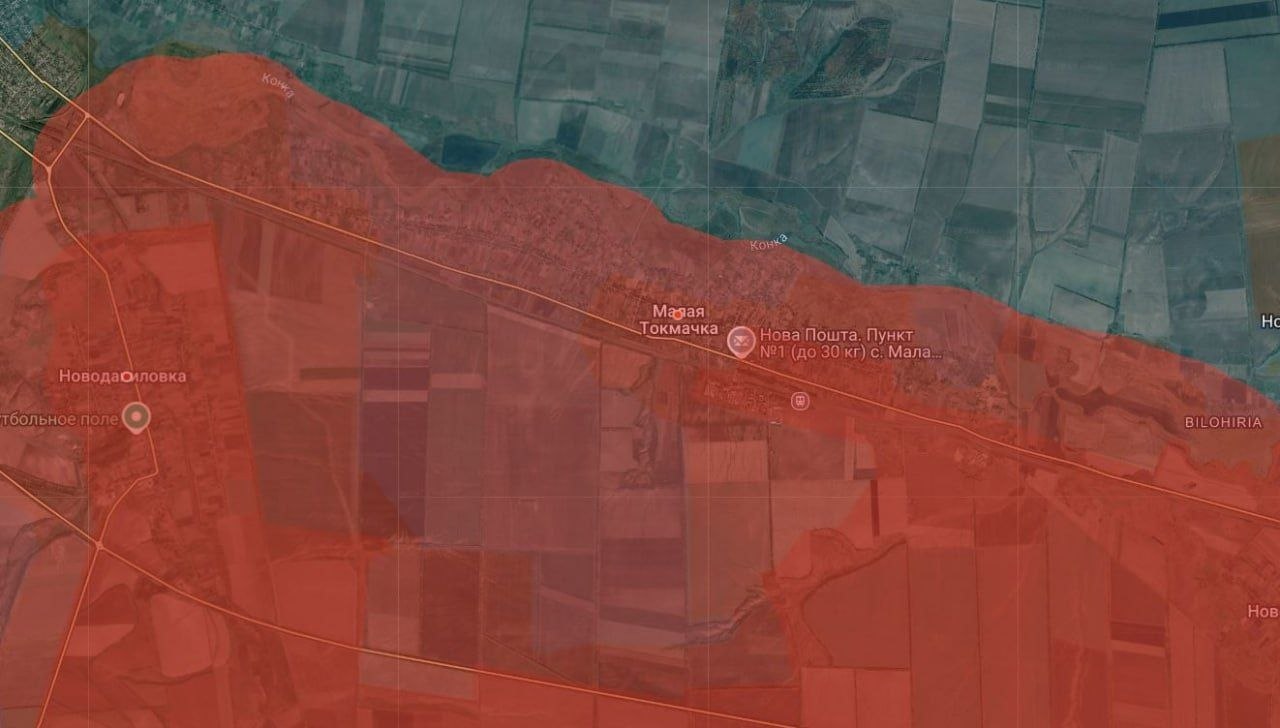
At 11:57, Russian forces announced the complete liberation of Malaya Tokmachka in Zaporizhzhia Oblast and indicated ongoing combat in the nearby Orekhov area. The statement, posted by intelslava, confirms that Russian troops have cleared the settlement, potentially securing a corridor for further advances toward the front line.
"Malaya Tokmachka has been completely liberated. ... Russian Armed Forces have completed the clearing of Malaya Tokmachka ... and are now engaged in fighting in the Orekhov area," – intelslava, 19 Aug 2026.
No casualty figures were provided, but the operational gain may facilitate logistical support for Russian units operating deeper in Zaporizhzhia.
Ukrainian Drone Attack on Sevastopol Power Plant
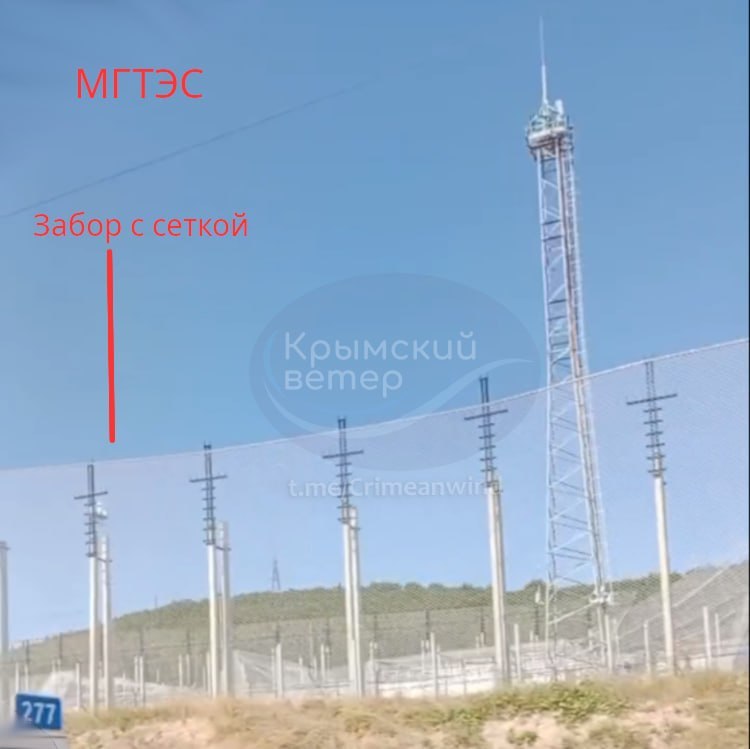
In the early morning, a Ukrainian drone struck a generating unit at the 129 MW mobile gas‑turbine power plant in Sevastopol, Crimea. The attack caused damage to the generating unit and prompted Russian forces to install anti‑drone netting around the facility. The incident, reported by monitor_the_situation, highlights Ukraine’s capability to reach strategic energy assets within the annexed peninsula.
"A Ukrainian drone hit a generating unit at the 129 MW mobile gas‑turbine power plant in Sevastopol, prompting Russian forces to install anti‑drone netting around the facility," – monitor_the_situation, 19 Aug 2026.
While no casualties were reported, the disruption to power generation could have broader implications for civilian and military energy supplies in Crimea.
Intensive Russian Drone Campaign in Zaporizhzhia
Finally, at 06:57, Russian forces conducted a massive aerial campaign over Zaporizhzhia Oblast, executing 1,019 attacks that combined drones, airstrikes, artillery and multiple launch rocket systems (MLRS). The operation affected 52 settlements, employing 717 drones, 19 airstrikes, 276 artillery shells and 7 MLRS strikes. According to monitor_the_situation, the campaign resulted in two civilian deaths and ten injuries.
"Russia hit 52 settlements across Zaporizhzhia Oblast with 717 drones, 19 airstrikes, 276 artillery and 7 MLRS strikes, killing two and injuring 10," – monitor_the_situation, 19 Aug 2026.
The scale of the attack underscores Russia’s reliance on mixed‑method kinetic operations to maintain pressure on Ukrainian positions, while also exposing the civilian population to heightened risk.