On August 19, 2026, Israeli military actions in the Gaza Strip produced the highest single‑day casualty count recorded in the conflict’s recent phase, with ten Palestinians killed in coordinated airstrikes on a police headquarters and a refugee camp. The attacks, reported by Al Jazeera, underscore a marked intensification of kinetic operations targeting both security infrastructure and densely populated civilian areas.
Airstrikes Across Gaza
At 17:14 local time, Israeli aircraft struck a police headquarters in the Gaza Strip, followed minutes later by a separate strike on a refugee camp. The combined operations resulted in ten fatalities, according to local emergency services and confirmed by Al Jazeera’s field reports (source). No specific weapon system was disclosed, but the attacks were classified as airstrikes. Hamas condemned the actions as a “new war crime,” emphasizing the civilian density of the targeted sites.
"The deliberate targeting of a police headquarters and a refugee camp, where civilians are concentrated, constitutes a grave breach of international humanitarian law," a Hamas spokesperson said in a statement released on the same day.
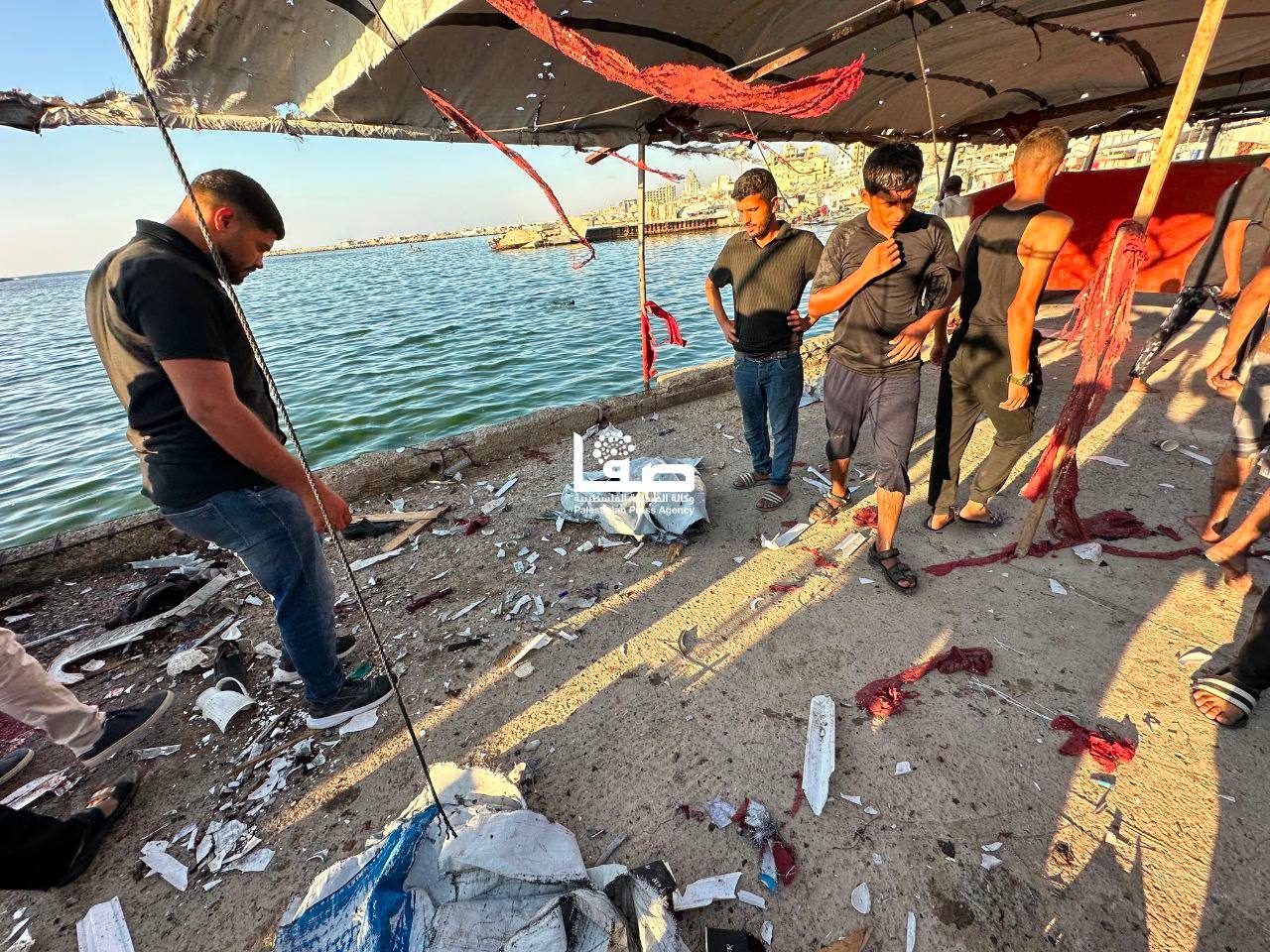
Additional airstrikes later in the day added to the death toll. At 14:01, the Israeli Defense Forces (IDF) bombed a café on the Gaza City coast, killing six and injuring ten (intelslava). At 13:56, strikes in the Nuseirat and Tuffah districts targeted alleged Hamas commanders, resulting in nine deaths (JPost). A separate strike at 12:15 on a police station in Gaza City claimed seven lives and wounded 15 (rnintel). Finally, an airstrike in central Gaza at 12:07 killed six civilians (monitor_the_situation). Collectively, these operations accounted for at least 38 Palestinian fatalities on August 19.
Targeted Assassinations and Special Operations
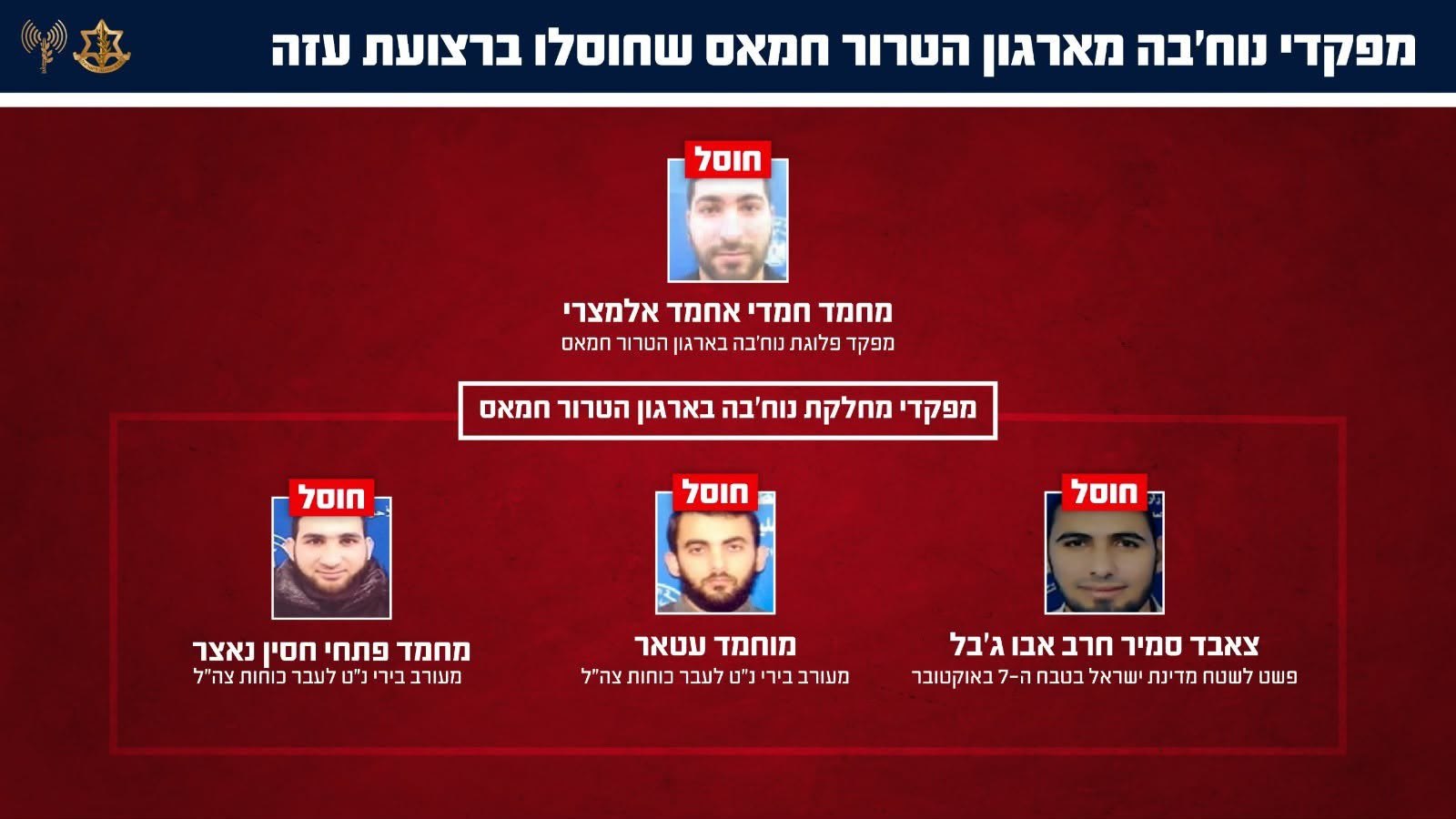
The IDF, often in coordination with the Shin Bet security service, conducted precision strikes against senior Hamas figures. At 12:49, a combined IDF and Shin Bet operation in the Daraj Tuffah neighborhood of Gaza City targeted a Hamas commander and associated militants planning attacks (monitor_the_situation). Earlier, at 12:37, the IDF reported an attack on a senior Gaza figure, though details remain limited (idkunim_il). These actions illustrate a pattern of high‑value targeting aimed at disrupting Hamas command structures while minimizing broader collateral damage.
Ground Operations and Tunnel Sealing
Beyond aerial and targeted strikes, Israeli ground forces intensified subterranean counter‑measures. At 12:36, the IDF Gaza Division announced the sealing of two Hamas tunnels extending two kilometers along the Yellow Line, a strategic border corridor (JPost). Drone footage released by the IDF’s Spokesperson Unit displayed the tunnels packed with sandbags, indicating preparation for future infiltration attempts. Concurrently, Israeli special forces entered tunnels on the Ali Al‑Taher Ridge in southern Lebanon, a development reported by GeoPWatch, though outside the immediate Palestinian theater (GeoPWatch).
Civilian Impact and Detention Practices
The kinetic surge in Gaza coincided with reports of heightened civilian repression in the West Bank. On August 19, Al Jazeera documented a Palestinian detainee in Qabatiya bearing the number “44” marked on his forehead following an Israeli raid (source). The Palestinian Prime Minister’s office also reported 467 attacks by Israeli forces and settlers across the West Bank in the preceding week (monitor_the_situation), underscoring a broader pattern of kinetic and coercive actions beyond Gaza.
Overall Assessment
The concentration of airstrikes, targeted assassinations, and tunnel operations on August 19 reflects a coordinated escalation by Israeli forces aimed at degrading Hamas’s operational capacity while exerting pressure on civilian infrastructure. The casualty figures—exceeding 35 deaths in Gaza alone—highlight the high human cost of these kinetic tactics. International observers, including humanitarian organizations, have reiterated concerns about proportionality and the protection of civilians under international law. While Israel frames these actions as necessary for security, the breadth of targets—including police facilities, refugee camps, and civilian cafés—raises substantive questions about compliance with the principles of distinction and precaution.