On August 18, 2026, Russian authorities reported a coordinated swarm of more than 600 hostile unmanned aerial vehicles (UAVs) targeting the Moscow region. The attack injured at least three civilians, including a young girl, and caused notable damage to a Wildberries distribution warehouse. The incident, documented by Al Jazeera, marks the most significant kinetic event recorded on this date and underscores the expanding use of drone technology in contemporary conflict dynamics.
Drone Swarm Over Moscow Region
According to statements released by Russian officials and reported by Al Jazeera, the UAV barrage began at approximately 06:47 UTC and involved a mixture of commercially available and possibly modified platforms. While the precise origin of the drones remains unverified, the scale of the operation suggests a high degree of coordination.
"Over 600 drones targeted the Moscow region, injuring at least three people and damaging a Wildberries warehouse," the agency quoted Russian officials as saying.
Casualties: three injured (including a girl). Infrastructure impact: damage to a major retail logistics hub (Wildberries). Weapons employed: unmanned aerial vehicles. The event illustrates the growing vulnerability of civilian and commercial assets to mass‑drone attacks, a trend observed in multiple theaters worldwide.
Ukrainian Artillery Impact on Russian Civilians
In a separate report released by the Telegram channel intelslava, the Russian Ministry of Foreign Affairs (MFA) attributed 69 civilian deaths and 406 injuries to Ukrainian Armed Forces' actions in Russian territories between August 10 and August 16. The MFA statement, posted at 06:00 UTC, did not specify the weapon systems used, but the casualty figures indicate a sustained campaign of shelling or indirect fire.
🇺🇦🇷🇺⚡️ — 69 civilians were killed, and 406 were injured as a result of attacks by the Ukrainian Armed Forces on Russian regions between August 10th and 16th, according to the Russian Ministry of Foreign Affairs.
Casualties: 69 killed, 406 injured. Actors: Ukrainian Armed Forces; Russian MFA as source. Location: unspecified Russian regions. The data reflects the ongoing cross‑border exchange of fire that has intensified since the start of the conflict, contributing to civilian hardship on both sides.
Russian Strike Halts Ukrainian Power Generation
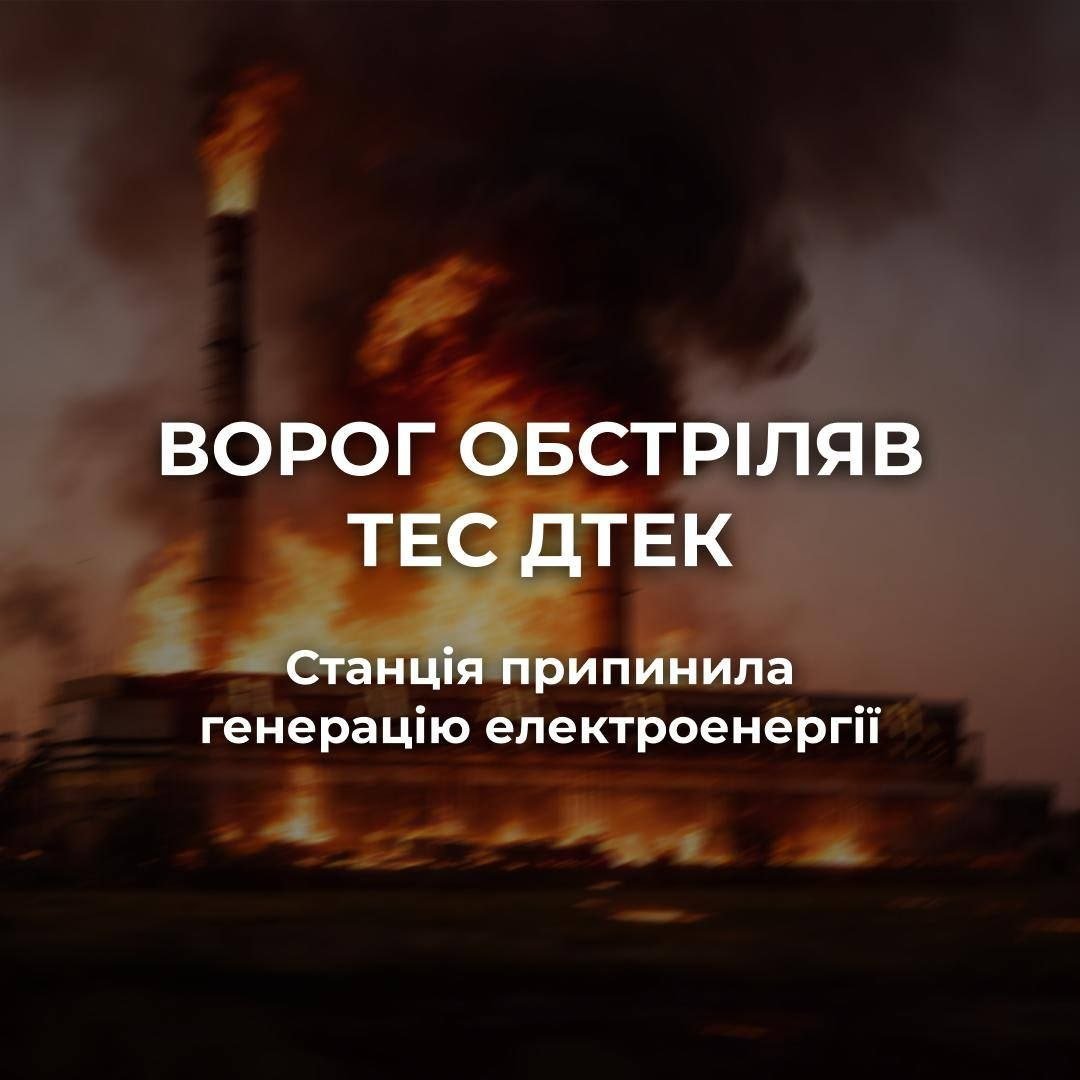
At 17:43 UTC, the Telegram channel monitor_the_situation reported a large‑scale Russian strike on a DTEK‑operated thermal power plant in Ukraine. The attack completely halted electricity generation at the facility, raising concerns about broader energy security across the country.
Russia Strikes DTEK Thermal Power Plant in Ukraine. Electricity generation is completely halted at one of DTEK's thermal plants after another large‑scale Russian strike, threatening supply problems across Ukraine.
Target: DTEK thermal power plant. Effect: total cessation of electricity output. Implications: potential rolling blackouts and strain on Ukraine’s already fragile grid, especially during peak demand periods.
Escalating Russian Missile Campaign Over Ukraine
Al Jazeera’s coverage at 10:45 UTC highlighted a renewed surge in Russian missile attacks across Ukrainian territory. The report linked the intensified strikes to rising civilian casualties and criticized delays in United States military assistance to Kyiv.
Deaths mount, trauma sets in as Russia ramps up missile attacks on Ukraine. Families mourn their loved ones as Ukrainian experts lament Washington's elusive promises of military support.
Weapons: missiles. Actors: Russian forces; United States (as a contextual factor). Outcome: increased civilian deaths and psychological trauma. The narrative underscores the strategic calculus of missile use to pressure Ukrainian defenses while seeking to influence international aid dynamics.
Yemeni Government Intensifies Operations Against Houthis
Al Jazeera reported at 13:51 UTC that the internationally recognised Yemeni government has escalated its offensive against Houthi forces, resulting in heightened combat across multiple fronts. While specific casualty numbers were not disclosed, the report notes a broadening of engagement zones.
Fighting intensifies across Yemen as Houthis clash with internationally recognised government forces across many fronts.
Actors: Yemeni government vs. Houthi movement. Scope: multi‑front escalation. The development signals a potential shift toward larger‑scale conventional engagements in a conflict that has largely been characterized by guerrilla tactics.
Israeli‑US Coordinated Strike in Syria
At 13:30 UTC, the Telegram channel idkunim_il relayed an Israeli source’s comments to Fox News regarding a recent Syrian strike. The source emphasized that top‑level intelligence, partnered with the United States, guided the operation, and suggested that a Syrian minister may have been unaware of the strike’s details.
"The most sensitive intelligence was partnered with the United States from the start. It is possible that the minister did not understand what happened or did not know," an Israeli source told Fox News.
Actors: Israel, United States (intelligence partnership); Syrian government (potentially uninformed). Nature of event: airstrike with high‑level intelligence coordination. The statement reflects the layered complexity of proxy and direct actions in the Syrian theater.
Collectively, these events illustrate a pattern of kinetic escalation across several geopolitical hotspots. The unprecedented drone swarm over Moscow demonstrates the diffusion of advanced UAV capabilities beyond traditional battlefields, while conventional artillery, missile, and airstrike operations continue to impose severe humanitarian costs in Ukraine, Russia, Yemen, and Syria. The interplay of state and non‑state actors, coupled with external intelligence support, reinforces the multidimensional nature of modern conflict.