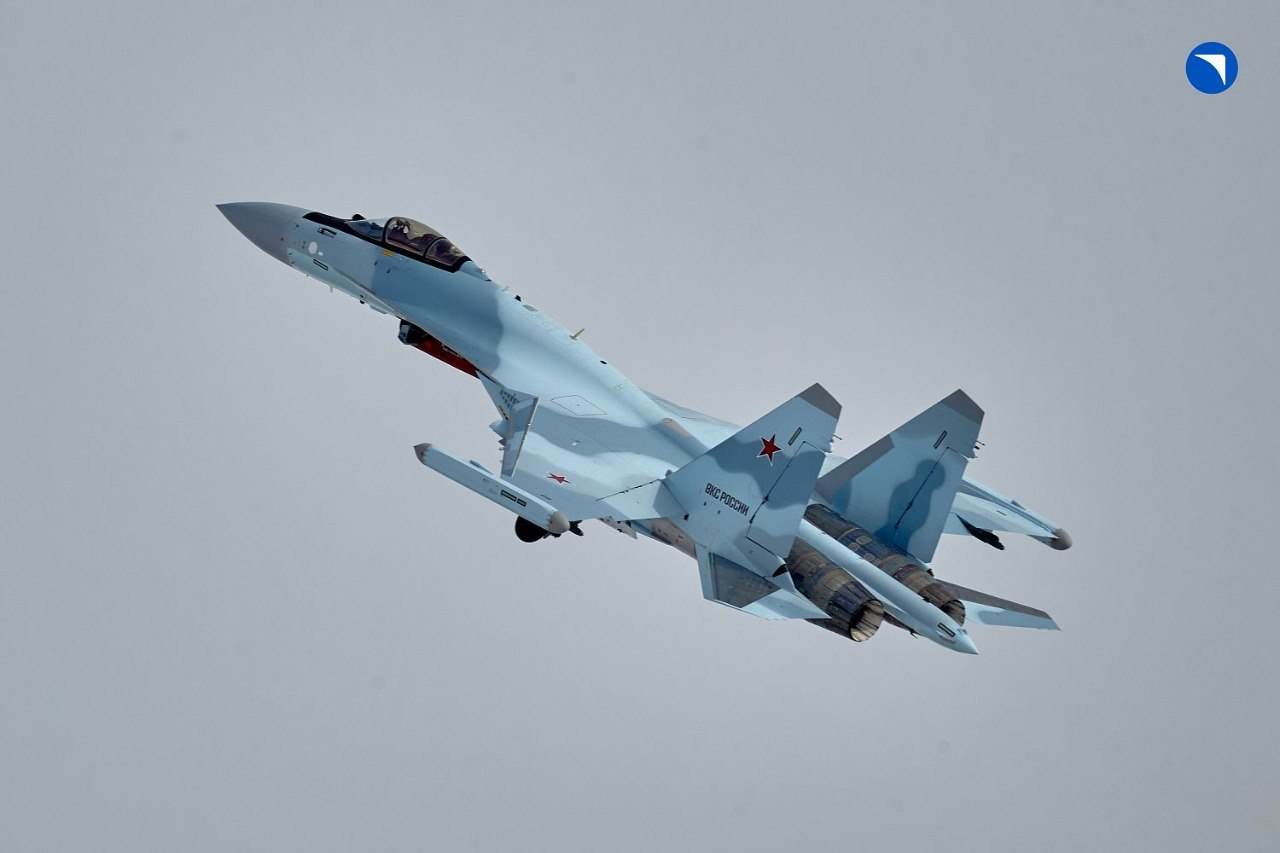
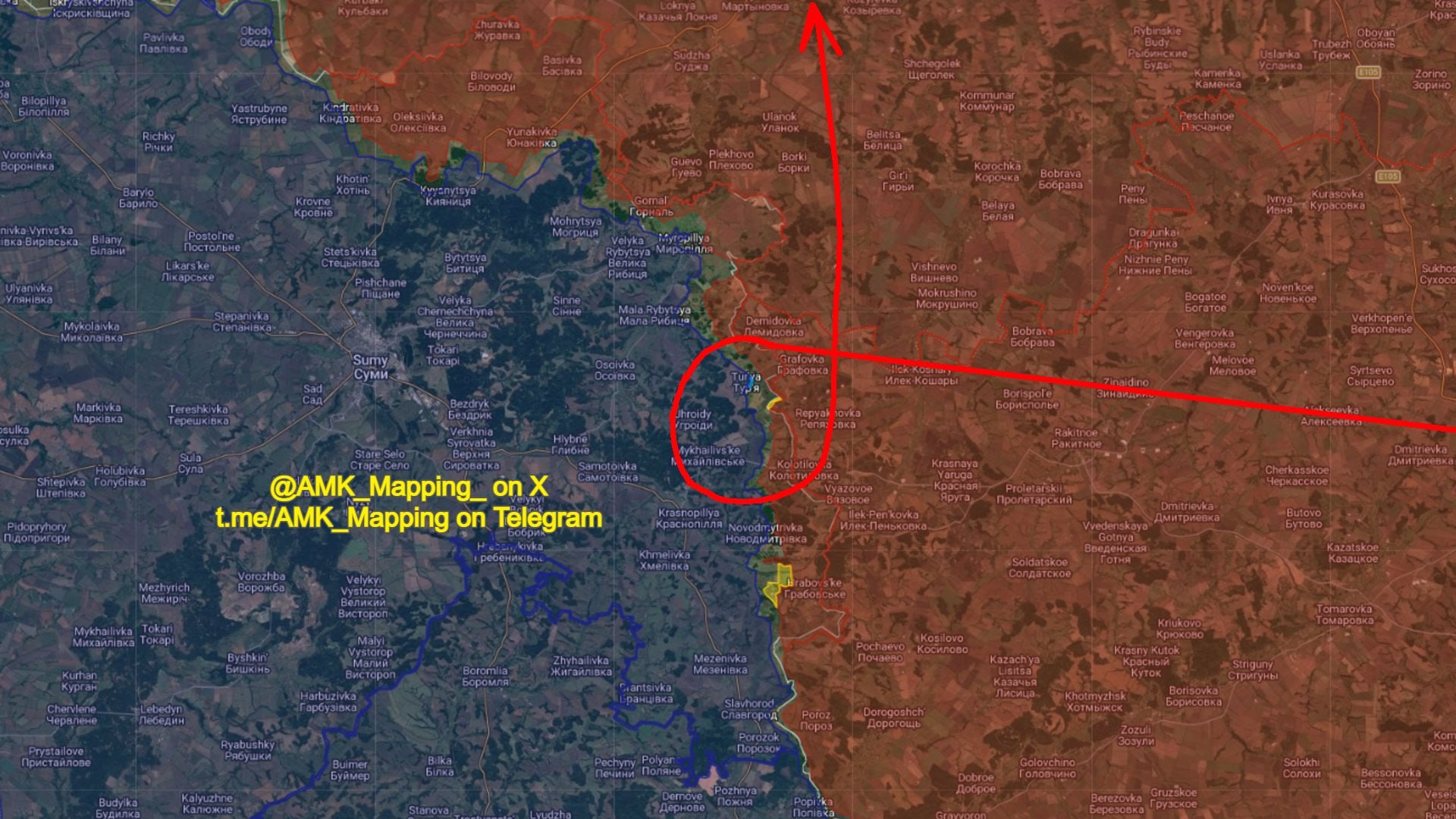
On August 18, 2026, a Russian Su‑35 fighter jet entered Ukrainian‑controlled airspace for the first time in years and launched a Kh‑59/69 cruise missile that struck Sumy City, marking the most significant kinetic event in Ukraine today. The missile impact, confirmed by CIG_telegram, underscores a renewed willingness by Russian air forces to conduct deep‑strike operations against urban centers, raising the risk of civilian casualties and infrastructure damage.
Airborne Strikes and Missile Deployments
Following the Sumy attack, Russian forces employed a series of high‑precision weapons across the front. In the early morning, two ballistic missiles, likely modified S‑300 systems, were launched toward Lebedyn in Sumy Oblast, as reported by monitor_the_situation. Although no immediate casualty figures were released, the missiles’ trajectory suggests a coordinated effort to saturate the region with long‑range fire.
In Kharkiv Oblast, a Russian strike at a crowded intersection near a post office and shops resulted in ten civilian deaths, according to a Telegram post from monitor_the_situation. President Zelensky condemned the attack as a deliberate targeting of civilians.
Further south, a Russian Su‑34 aircraft dropped a KAB‑1500 glide bomb near Velyki Kopani in Kherson Oblast. The bomb failed to reach its intended target in Kherson City, landing instead in a rural area, as detailed by monitor_the_situation. No casualties were reported, but the incident highlights ongoing Russian attempts to strike strategic urban centers from the air.
"A Russian Su‑35 entered Ukrainian‑controlled airspace and launched a Kh‑59/69 cruise missile at Sumy City," – CIG_telegram, 2026‑08‑18T10:52:45.
Drone and Loitering Munition Activity
Ukrainian and Russian drone operations intensified throughout the day. Russian Geran‑4 loitering munitions struck locomotives and freight cars near the Dniprovskaya coal mine in Dnipropetrovsk Oblast, disrupting coal transport to thermal power plants (intelslava). The attack demonstrates Russia’s focus on targeting Ukraine’s energy logistics.
In Zaporizhzhia, a swarm of Russian Geran‑2 drones attacked industrial facilities, igniting large fires at a high‑voltage equipment plant or the Preobrazovatel electrical factory (monitor_the_situation). The strikes caused significant material damage and threatened regional power supply.
Ukrainian drone activity also escalated. An FPV drone hit a truck in Russian‑occupied Donetsk Oblast, captured on video (monitor_the_situation). Additionally, Ukrainian UAVs struck a Russian ammunition depot in Yalynske, Donetsk Oblast, causing explosions and a fire (monitor_the_situation). In Crimea, Ukrainian drones targeted a Russian Navy communications storage facility southeast of Sevastopol and the Kirovske Airbase (OSINTdefender).
Naval and Ground Incidents
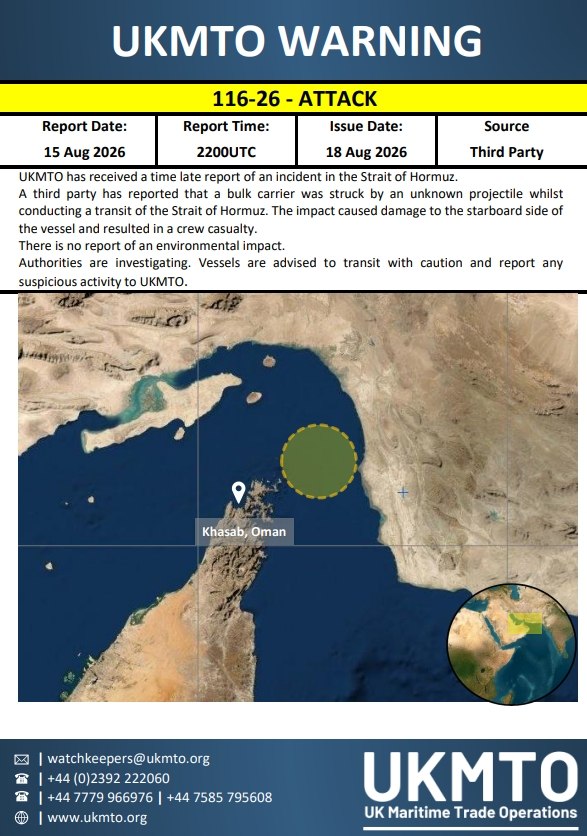
While the primary focus remains on aerial combat, naval incidents continued to affect the broader strategic environment. A vessel in the Strait of Hormuz was struck by an unknown projectile, resulting in one casualty and engine‑room damage (AlJazeera). Although unrelated to Ukraine, the incident reflects heightened maritime tensions that could impact supply routes for Ukrainian defense supplies.
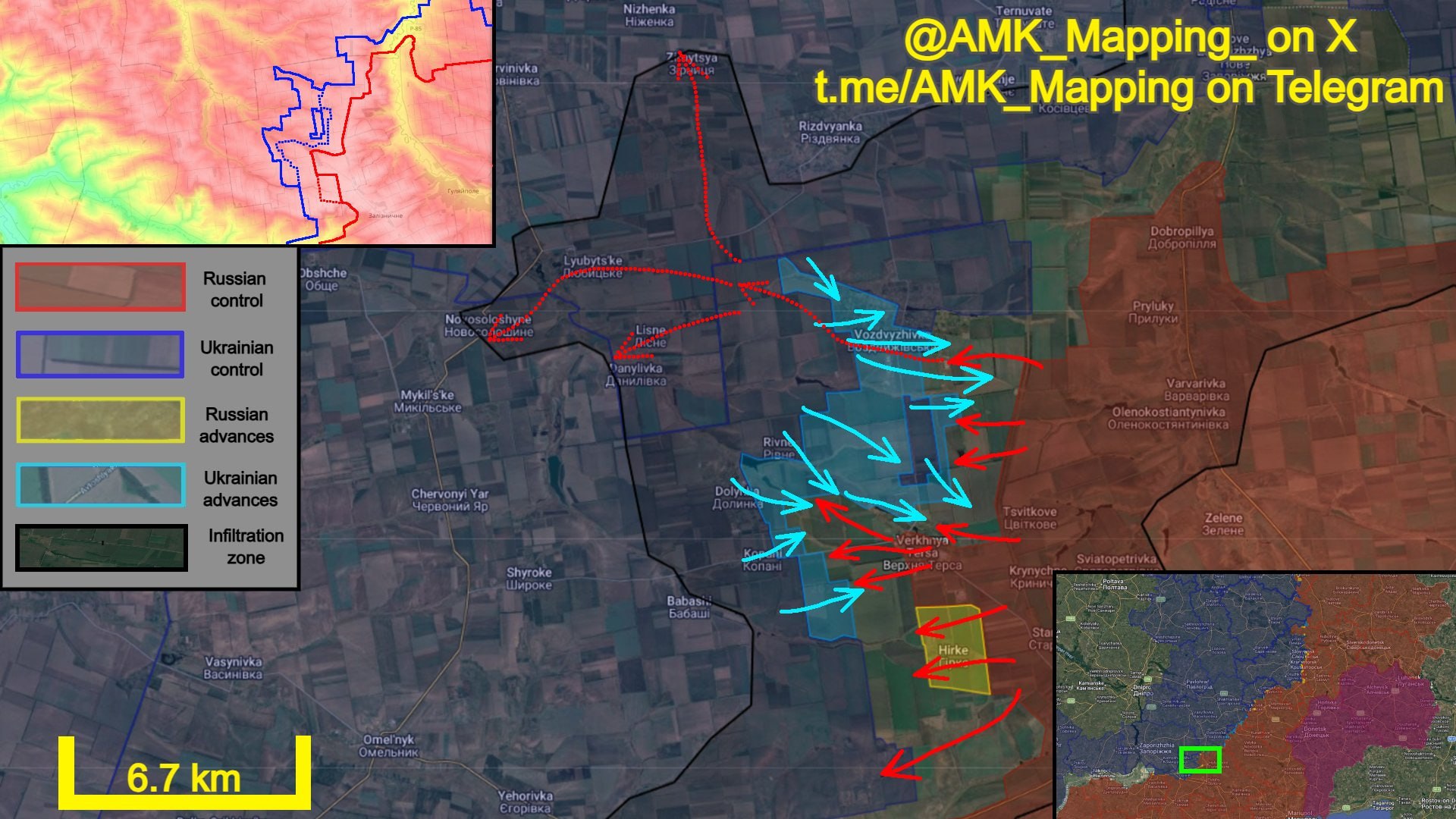
On the ground, Ukrainian forces launched counter‑attacks in the Omelnyk sector of Zaporozhye/Dnipropetrovsk Oblast, reclaiming villages and pushing back Russian assaults (CIG_telegram). Simultaneously, Russian troops continued infiltration and flag‑planting operations, indicating a fluid front line.
Air Superiority and Interceptions
Air combat remained intense. Near Horlivka in Donetsk Oblast, a Russian Su‑35S intercepted and shot down a Ukrainian MiG‑29 that was launching glide bombs toward Russian positions, using an R‑37 or R‑77 air‑to‑air missile (intelslava). The Russian Ministry of Defense confirmed the kill, underscoring Russia’s continued air‑defense dominance in contested airspace.
Analysis
The pattern of events on August 18 reveals a multi‑dimensional escalation in Ukraine’s kinetic conflict. The re‑introduction of high‑performance Russian fighter jets into Ukrainian airspace, combined with the deployment of cruise missiles and long‑range ballistic missiles, signals a strategic shift toward deeper penetration strikes. These actions aim to disrupt command‑and‑control nodes, critical infrastructure, and civilian morale.
Conversely, Ukraine’s expanding drone campaign demonstrates an adaptive approach to asymmetric warfare. By targeting logistics hubs, ammunition depots, and naval communication facilities, Ukrainian forces are seeking to erode Russian operational capacity while avoiding direct air confrontations where Russian air superiority remains pronounced.
Energy infrastructure continues to be a focal point. Attacks on coal transport and power generation facilities not only degrade Ukraine’s immediate energy output but also strain long‑term recovery and reconstruction efforts.
Overall, the day's kinetic events illustrate a heightened tempo of hostilities, with both sides employing a blend of conventional and unconventional weapons to achieve tactical gains. The increased use of precision‑guided munitions and loitering munitions suggests a continued evolution of the conflict toward more technologically sophisticated engagements.