On 17 August 2026, intense combat erupted in Baidoa, Somalia, marking the most severe kinetic incident reported today. Somali government troops engaged armed opposition elements in heavy street fighting, causing a sharp rise in civilian casualties and deepening an already dire humanitarian situation. The city, home to hundreds of thousands of internally displaced persons, now faces heightened risk of mass casualties and further displacement.
"Somalia troops and armed opposition clash in heavy Baidoa fighting as civilian toll rises. Fresh fighting in the city could compound a dire humanitarian crisis in the area. Baidoa hosts hundreds of thousands of displaced people; one in four children at refugee sites is malnourished." – JPost, https://www.jpost.com/international/article-905746
According to the Jerusalem Post, the clashes have resulted in an unverified but significant number of civilian deaths and injuries. The fighting has disrupted aid deliveries, leaving vulnerable populations without food, water, and medical care. Humanitarian agencies warn that the combination of active combat and severe malnutrition could trigger a secondary health crisis.
Escalation of Israeli Projectile Attacks on Lebanon
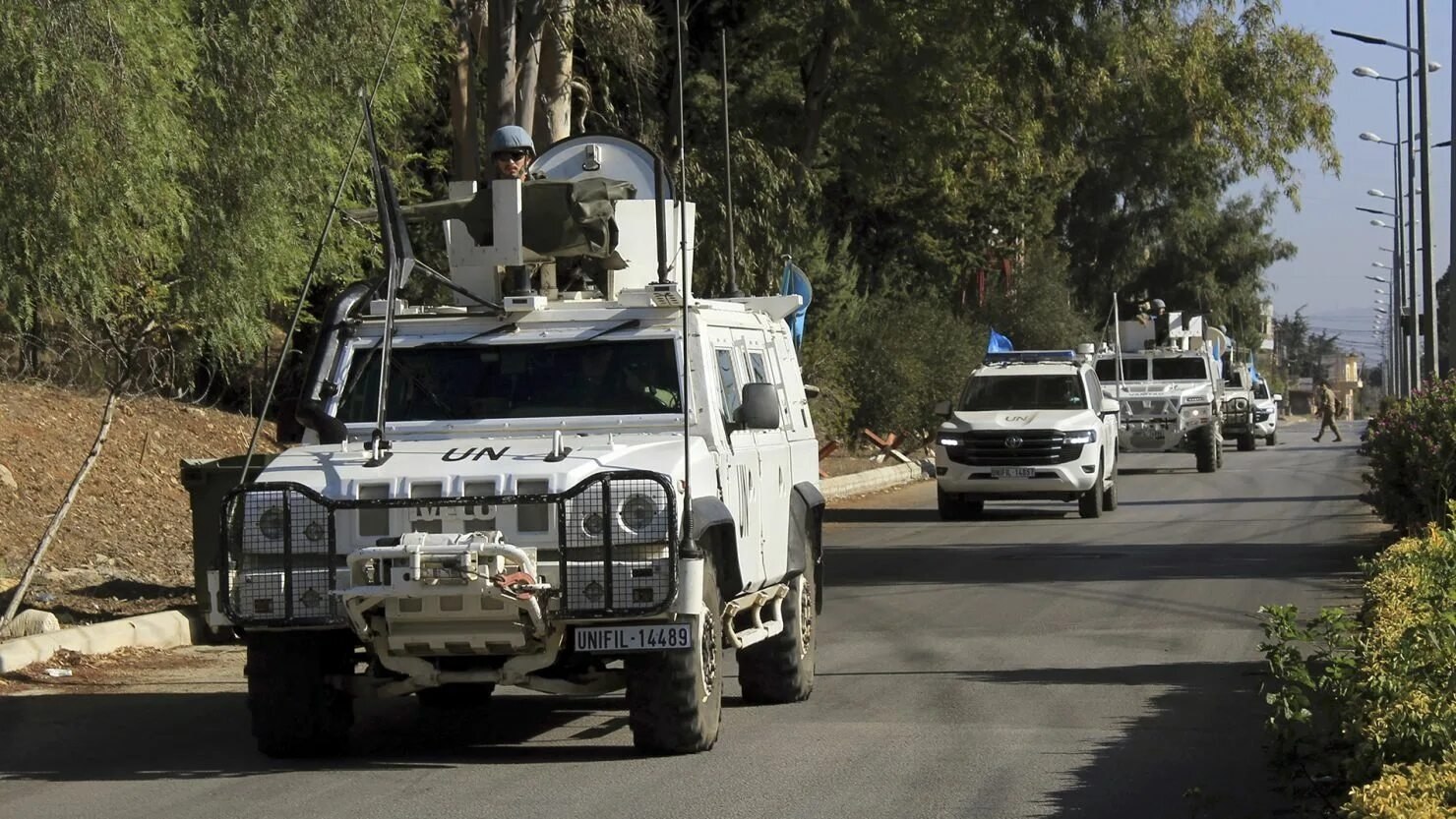
In a separate theater, the United Nations Interim Force in Lebanon (UNIFIL) reported a dramatic increase in Israeli attacks on Lebanese territory. Over the past two weeks, Israeli forces have fired an average of 137 projectiles per day, a rate described by UNIFIL as a "significant increase" in hostilities.
"UNIFIL, the United Nations Interim Force in Lebanon, has reported a 'significant increase' in IDF/IAF attacks against Lebanon, citing an average of 137 projectiles fired every single day for the past two weeks." – GeoPWatch, https://t.me/GeoPWatch/38557
The projectiles, launched from both the Israeli Defense Forces (IDF) and the Israeli Air Force (IAF), have struck civilian areas, infrastructure, and agricultural zones, exacerbating the already fragile security environment along the Israel‑Lebanon border.
Russian Interception of Ukrainian Flamingo Cruise Missiles
Russia announced that its air‑defence network has successfully intercepted the majority of Ukraine’s recent Flamingo cruise missile salvo. According to the German publication Focus, only one or two of the eleven FP‑5 missiles launched reached their intended targets, including a strike on the Avitex missile plant in the Kirov region on 24‑25 July.
"Russia is reportedly intercepting almost all of Ukraine's 'Flamingo' cruise missiles, according to the German publication Focus. Over the past few weeks, only one or two of the 11 FP‑5 missiles launched have reached their targets." – intelslava, https://t.me/intelslava/92722
The interceptions were credited to Russian A‑50U early‑warning and control aircraft, which coordinated surface‑to‑air missile batteries and fighter interceptors. The limited success of the Ukrainian strike underscores the effectiveness of Russia’s layered air‑defence architecture.
Ukrainian Drone Raid on Russia’s Kamenskiy Kombinat
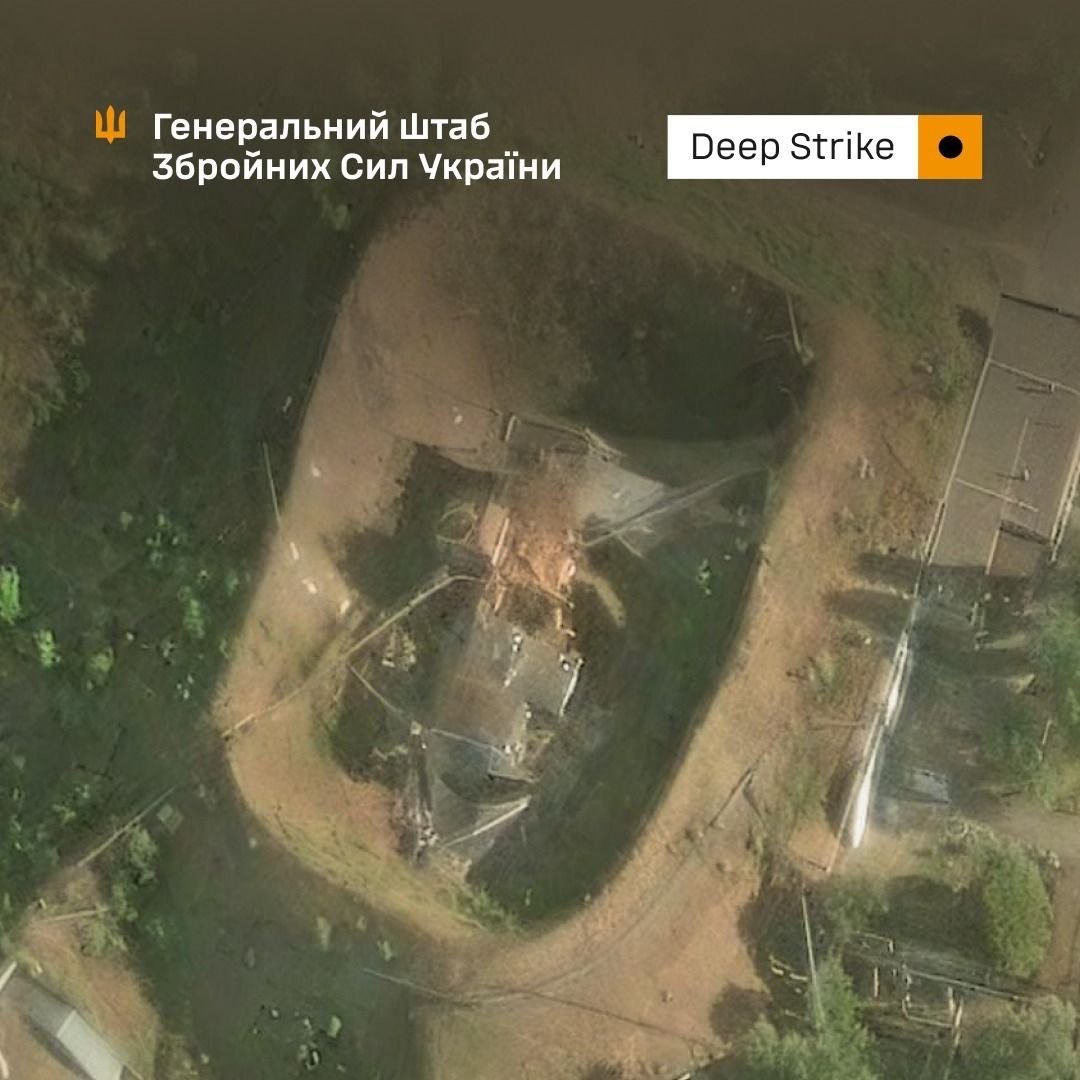
Ukrainian unmanned aerial systems (UAS) conducted a targeted raid on the Kamenskiy Kombinat solid‑rocket motor production facility in Krasnogorsk, Russia. The attack damaged or destroyed at least six workshops, disrupting the plant’s capacity to manufacture rocket motor components for Russian missile programs.
"Ukrainian drone raid over the weekend damaged or destroyed at least six workshops at Russia's Kamenskiy Kombinat solid rocket motor production facility." – monitor_the_situation, https://t.me/monitor_the_situation/27890
The strike demonstrates Ukraine’s growing proficiency in precision drone operations against high‑value industrial targets deep within Russian territory.
Yemen’s Expanding Drone War Between Houthi and Government Forces
In Yemen, the conflict has entered a new phase as Houthi rebels and Yemeni government forces exchange drone attacks. Both sides have employed commercially available and locally modified UAVs to strike military installations, supply routes, and oil infrastructure.
"Houthi and government forces exchange drone attacks, marking a major shift in war tactics." – AlJazeera, https://www.aljazeera.com/news/2026/8/17/yemens-drone-war-rivals-flex-growing-aerial-muscle?traffic_source=rss
The escalation reflects a broader regional trend toward unmanned aerial warfare, with both parties seeking to achieve tactical gains while limiting personnel exposure.
Russian Guardsmen Thwart Ukrainian Troop Rotation
On the eastern front, guardsmen of Russia’s 36th Separate Guards Motor Rifle Brigade, part of the 29th Army’s “Vostok” Group of Forces, intercepted a Ukrainian troop rotation attempt. The Russian forces destroyed equipment, materiel, and personnel involved in the movement, preventing the reinforcement of Ukrainian units in the contested sector.
"Guardsmen of the 36th Separate Guards Motor Rifle Brigade of the 29th Army, part of the 'Vostok' Group of Forces, thwarted another Ukrainian Armed Forces rotation attempt, destroying enemy equipment, materiel, and personnel." – intelslava, https://t.me/intelslava/92691
The engagement underscores the continued intensity of ground‑level confrontations along the Russia‑Ukraine front, where both sides employ rapid maneuver and interdiction tactics.
Collectively, these events illustrate a global pattern of heightened kinetic activity across multiple conflict zones. While the Baidoa clashes represent the most immediate humanitarian threat, the simultaneous escalation of aerial and missile engagements in the Middle East, Eastern Europe, and the Horn of Africa signals a broader increase in the use of advanced weaponry and the blurring of front‑line distinctions.