On August 17, 2026, Russian forces announced the capture of Vovchansk, a strategic town in Kharkiv Oblast, and several adjacent villages, marking the most significant territorial gain for Moscow in the region since the spring offensive. The development follows a series of kinetic engagements across the front, including Ukrainian air‑defence successes, drone‑borne attacks on Russian logistics, and cross‑border missile strikes that have heightened the intensity of the conflict.
Russian Ground Advance in Kharkiv Oblast
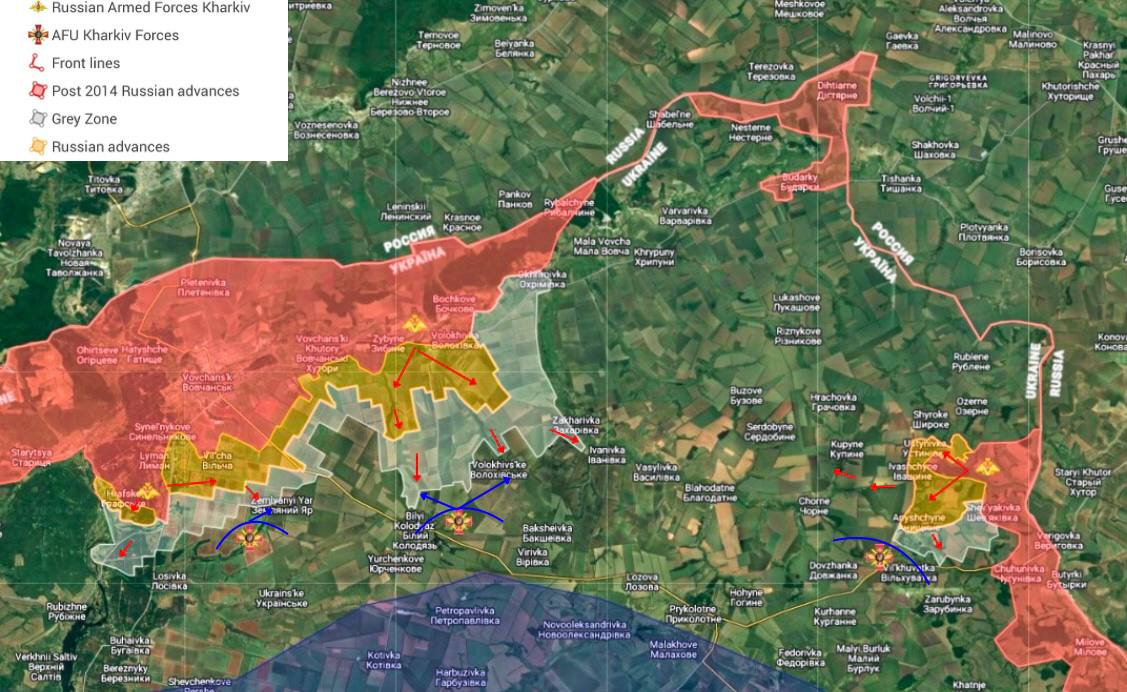
According to a GeoPWatch report, Russian troops secured Vovchansk and moved into the villages of Zakharivka, Volokhivske, Ivanivka, and Bilyi Kolodyaz, exploiting gaps in Ukrainian defensive lines. The report notes that Russian units advanced through fields, tree lines, and gullies southeast of Vovchanski Khutory, consolidating control over key road junctions that facilitate supply routes toward the Ukrainian border.
"After the Russian military secured their capture of Vovchansk and the surrounding border towns they have since been able to achieve significant gains further into Kharkiv Oblast," – GeoPWatch, 17 Aug 2026, source
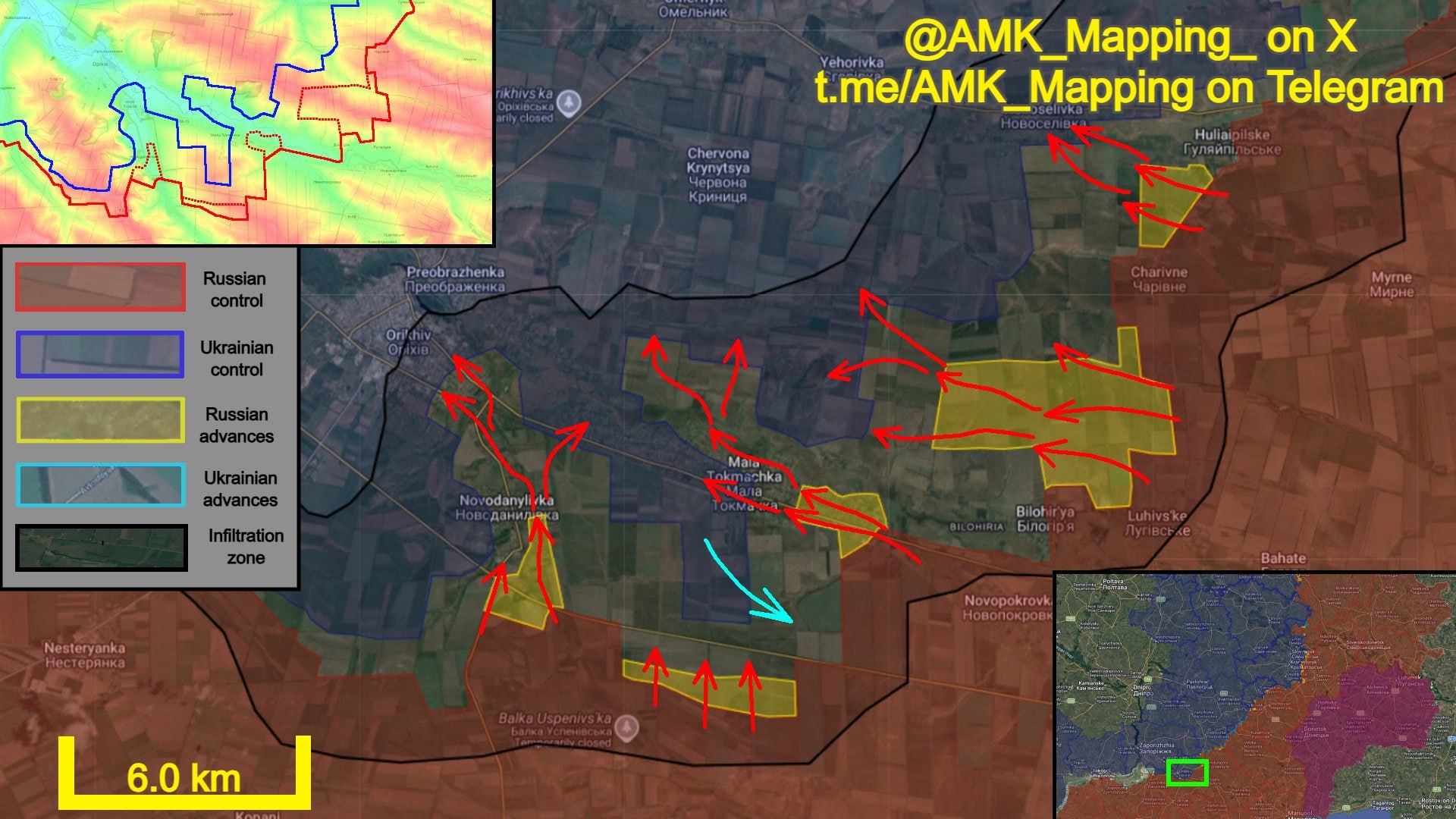
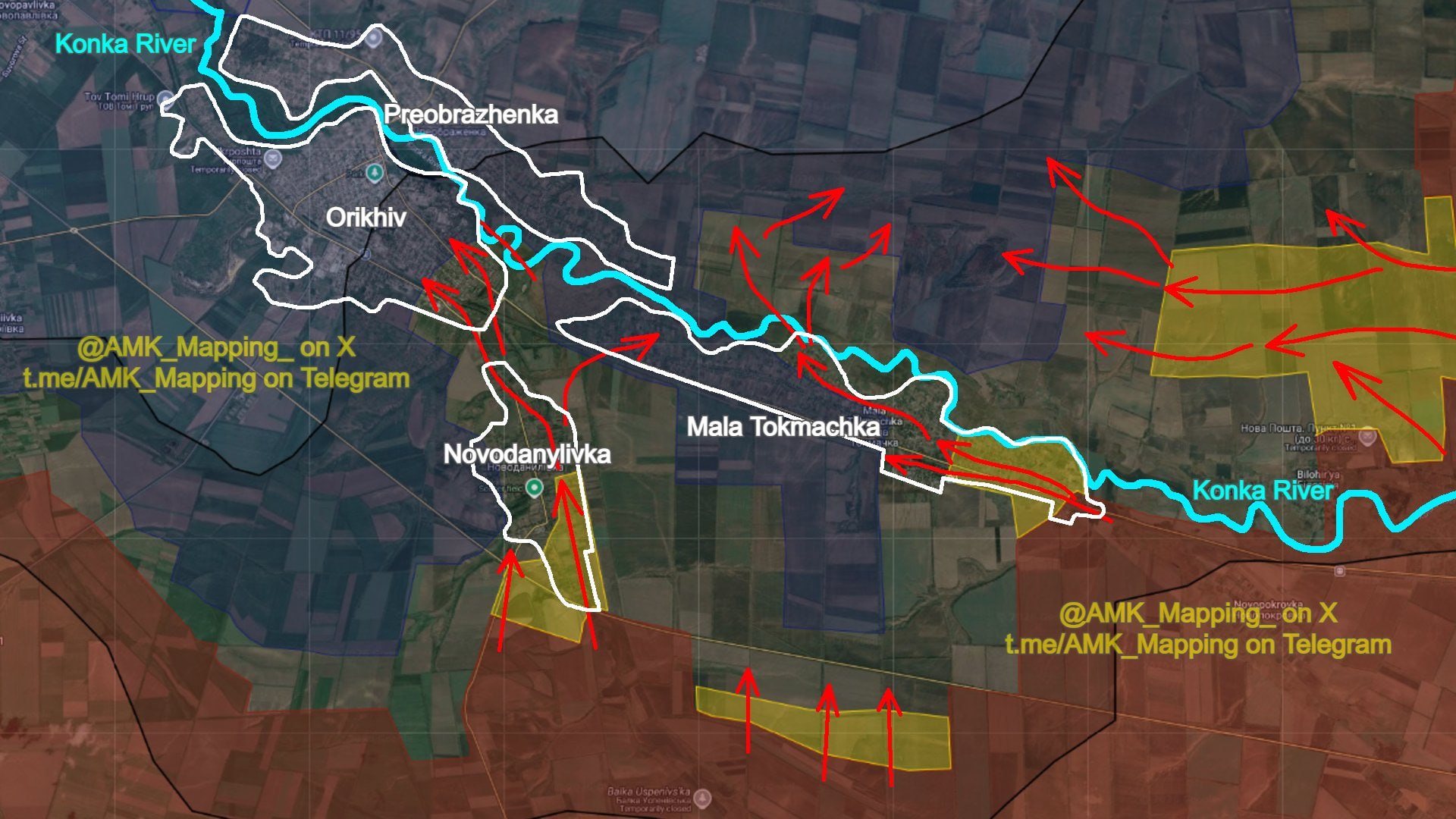
The capture threatens to encircle Ukrainian positions in the Orekhov direction of Zaporizhzhia Oblast, where Russian forces have already established a foothold near Novodanilovka, according to a CIG_telegram briefing. The loss of Vovchansk also deprives Ukraine of a forward logistics hub that supported artillery resupply and troop rotations in the sector.
Ukrainian Air‑Defence and Drone Counter‑Operations
In response to the expanding Russian threat, Ukrainian air‑defence units downed three Shahed‑type jet‑powered drones over Kyiv Oblast, as reported by Monitor the Situation. The 81st Airmobile Brigade’s Horizon Group highlighted the increasing prevalence of faster Shahed variants, which now account for roughly 20 % of aerial attacks.
"Horizon Group crews of the 81st Airmobile Brigade shot down three jet‑powered Shahed drones," – Monitor the Situation, source
Simultaneously, Ukrainian forces employed drone and precision‑guided munitions to strike Russian assets. A Su‑27 sortie from the Ukrainian Air Force delivered two 500‑pound JDAM‑ER glide bombs against a cluster of Russian drone operators in Donetsk Oblast, disrupting command‑and‑control capabilities.
"Ukrainian Air Force Su‑27 drops two 500‑pound JDAM‑ER glide bombs on a group of Russian drone operators in Donetsk Oblast," – Monitor the Situation, source
Further, Ukrainian troops attacked a Russian convoy near Osypenko in Zaporizhzhia Oblast, destroying two trucks and killing two Russian soldiers from the 35th Army, as detailed by Monitor the Situation.
"Ukraine Strikes Russian Convoy Near Osypenko, Kills 2," – Monitor the Situation, source
These actions illustrate Kyiv’s layered defence strategy: air‑defence systems intercept hostile UAVs, while ground‑based drone units and fighter aircraft target high‑value Russian personnel and logistics.
Cross‑Border Missile Strikes and Their Impact
Ukrainian missile capabilities were demonstrated in two separate attacks on Russia’s Belgorod region. At 04:57 UTC, a Ukrainian missile strike killed six civilians and wounded four, including a 14‑year‑old child, according to the acting governor of Belgorod, Alexander Shuvayev.
"Ukrainian missile strike killed six people and wounded four, including a child, in Belgorod region," – Monitor the Situation, source
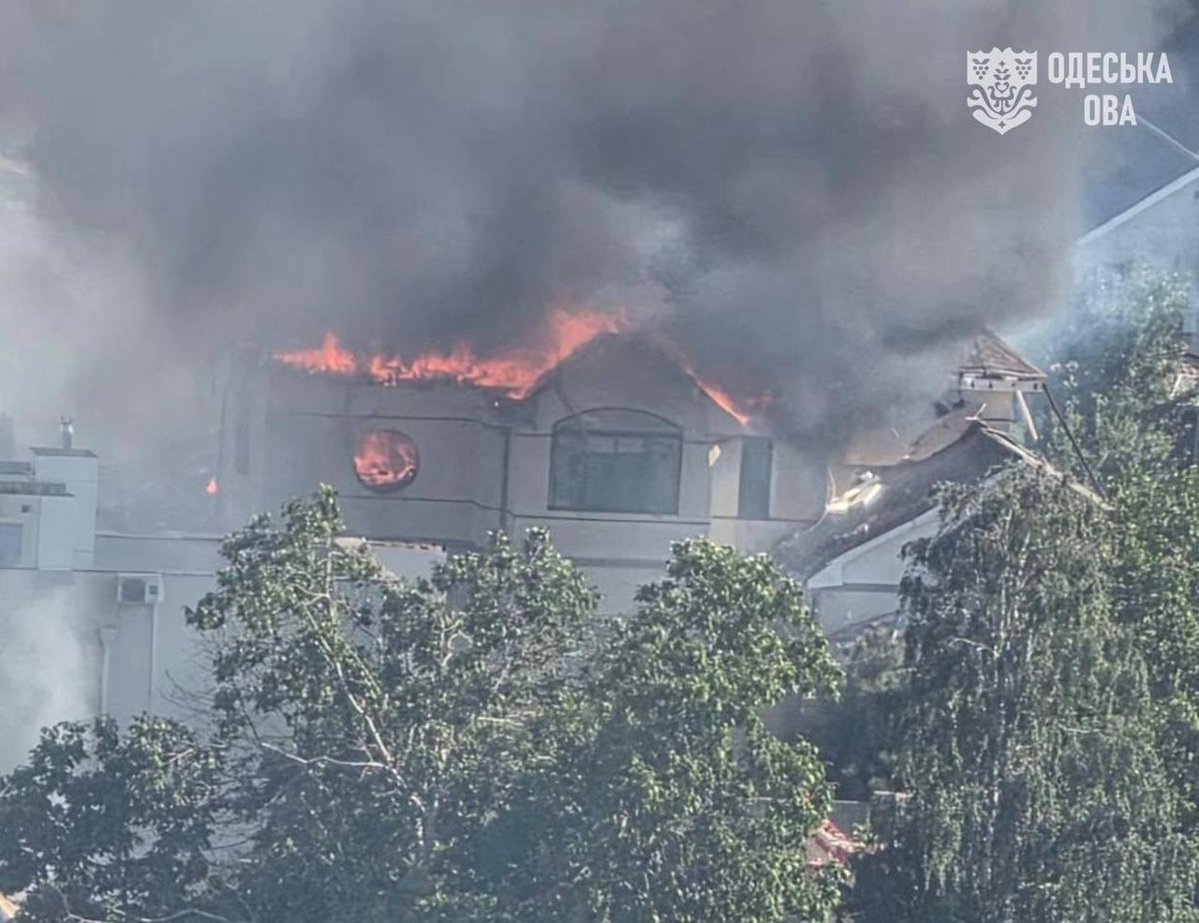
Later, at 16:50 UTC, a Russian Kh‑31P missile hit a private residence in Chornomorsk, Odesa Oblast, destroying the roof and damaging neighboring homes. The same report noted a missile‑drone entering Moldovan airspace, underscoring the regional spill‑over risk.
"Russian Kh‑31P missile struck a private home in Chornomorsk, Odesa region," – monitor_the_situation, source
These incidents reflect the escalating use of long‑range precision weapons by both sides, increasing civilian exposure and complicating de‑confliction efforts.
Naval and Maritime Dimensions Affecting Ukraine
While primarily a land conflict, Ukraine’s maritime front saw notable kinetic activity. Russian forces reported striking two vessels delivering weapons to Odesa and Mykolaiv ports, a claim that aligns with Ukraine’s ongoing efforts to secure sea‑borne supply lines.
"Russian Ministry of Defense reported striking two vessels delivering weapons to Odesa and Mykolaiv," – intelslava, source
In a related development, Ukrainian drones set fire to the Russian frigate Admiral Makarov at the Novorossiysk port, damaging the vessel and surrounding naval infrastructure. The attack, captured on video, demonstrates Kyiv’s capacity to project power into the Black Sea Fleet’s rear areas.
"Ukrainian drone attack sets Russian frigate Admiral Makarov ablaze at Novorossiysk," – Monitor the Situation, source
These maritime actions, though limited in scale, signal a broader contest for control over supply routes and naval assets in the Black Sea region.
Analytical Assessment
The capture of Vovchansk represents a tactical victory for Russian forces, potentially enabling deeper incursions toward the Ukrainian‑Russian border and threatening supply corridors in northeastern Ukraine. However, Kyiv’s layered response—combining air‑defence interceptions, precision airstrikes, and drone‑enabled sabotage—has constrained Russian operational tempo in several sectors.
Cross‑border missile strikes illustrate the conflict’s expanding geographic footprint, raising the risk of civilian casualties beyond the immediate frontlines. The simultaneous maritime engagements underscore the importance of securing both land and sea logistics for sustained combat operations.
Overall, the kinetic events of August 17 highlight a fluid battlefield where territorial gains are rapidly contested, and both sides rely heavily on precision weapons, UAVs, and integrated air‑defence networks to shape outcomes.