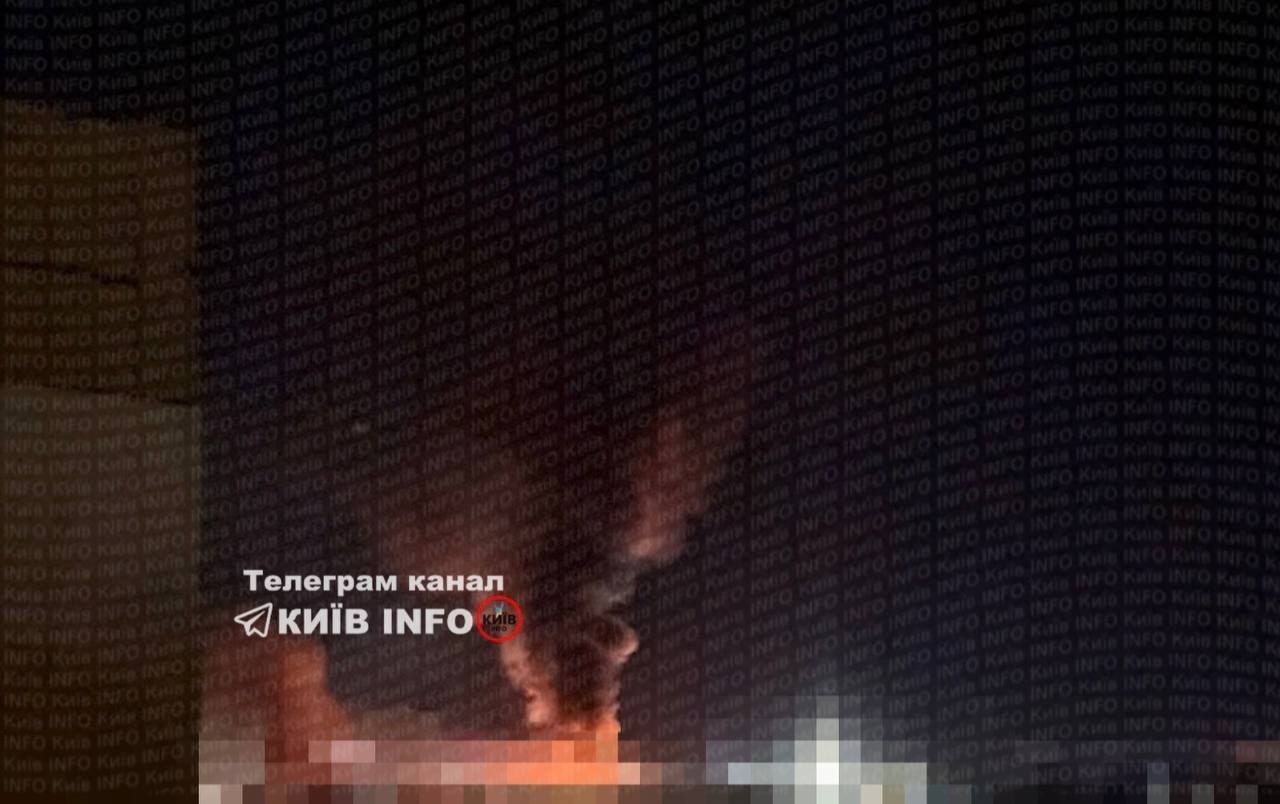
On 16 August 2026, Ukrainian unmanned aerial vehicles (UAVs) launched a series of coordinated attacks on critical logistics infrastructure in the Moscow region, igniting fires at multiple e‑commerce distribution centers and a logistics complex. The first confirmed strike occurred at 02:18:38 UTC when drones targeted the Koledino Wildberries facility, a major hub for the Russian online retailer. Video evidence released by the Telegram channel monitor_the_situation shows the facility engulfed in flames, though no casualty figures have been disclosed.
Scale and Targets of the Moscow Suburban Assault
Earlier in the night, at 01:02:08 UTC, Ukrainian drones expanded the operation to Moscow’s southern and western suburbs, with explosions reported in the town of Chekhov. A photo posted by the same channel (monitor_the_situation/27802) depicts a burning structure and smoke plumes over the residential area. The attacks were attributed to Ukrainian forces, and the use of commercially available UAVs suggests a shift toward low‑cost, high‑impact tactics.
British‑Supplied Drones Enable Long‑Range Strikes
At 00:04:27 UTC, the channel monitor_the_situation/27800 reported that Ukraine is employing United Kingdom‑provided drones for deep‑strike missions inside Russian territory. The statement links the recent Moscow attacks to the deployment of these platforms, which are capable of carrying small payloads over distances exceeding 500 km. While the exact model was not disclosed, analysts have identified the British‑made Switchblade‑300 and similar loitering munitions as likely candidates.
Secondary Logistics Facility Hit
At 04:41:25 UTC, another logistics site in the Moscow area suffered a drone‑induced fire, as documented in a video posted by monitor_the_situation/27810. The facility, whose name was not released, appears to serve as a regional distribution node for multiple retailers. No injuries were reported, but the incident underscores the expanding geographic scope of Ukrainian UAV operations.
Wilberries Facility in Koledino Engulfed
GeoPWatch (GeoPWatch/38521) posted video at 05:59:02 UTC showing the Wilberries warehouse in Koledino completely ablaze after a missile strike attributed to Ukrainian forces. The facility had been targeted in late July, but the current attack caused substantially greater damage, with the entire complex reportedly destroyed. The source described the weapon as a missile, though the exact type remains unconfirmed.
Russian Retaliatory Strike on Kyiv
In a parallel development, Russian forces launched Iskander‑M ballistic missiles against Kyiv at 00:24:47 UTC, as reported by the Telegram channel intelslava (intelslava/92651). Photographs show impact craters in residential districts, but casualty numbers have not been released. The timing of the missile salvo, coinciding with the Ukrainian drone offensive, suggests a coordinated escalation.
Airspace Interceptions and Drone Shoot‑downs
Russia’s air‑defence network responded to the UAV threat beyond its borders. At 04:04:57 UTC, a Spanish‑operated F‑18 fighter intercepted a drone that entered Romanian airspace over Bucharest, according to the Romanian Defence Ministry’s statement on monitor_the_situation/27809. The incident was linked to a Russian Geran‑2 drone attack on Odesa, indicating a complex, multi‑theater drone environment.
Later, intelslava (intelslava/92652) confirmed that an additional 13 Ukrainian drones were shot down over Russian territory. No details on the interception platform were provided, but the figure reflects a heightened level of aerial engagement on the front lines.
Operational Assessment
The August 16 drone campaign demonstrates Ukraine’s increasing reliance on UAVs to strike high‑value logistical targets deep inside Russia. The use of UK‑supplied loitering munitions expands the operational reach of Ukrainian forces, while the selection of e‑commerce hubs maximizes economic disruption. Russian counter‑measures, including ballistic missile strikes on Kyiv and rapid air‑defence responses, indicate a reciprocal escalation but have not yet neutralized the UAV threat. Continued monitoring of casualty reports, infrastructure damage assessments, and the provenance of drone technology will be essential for evaluating the conflict’s trajectory.