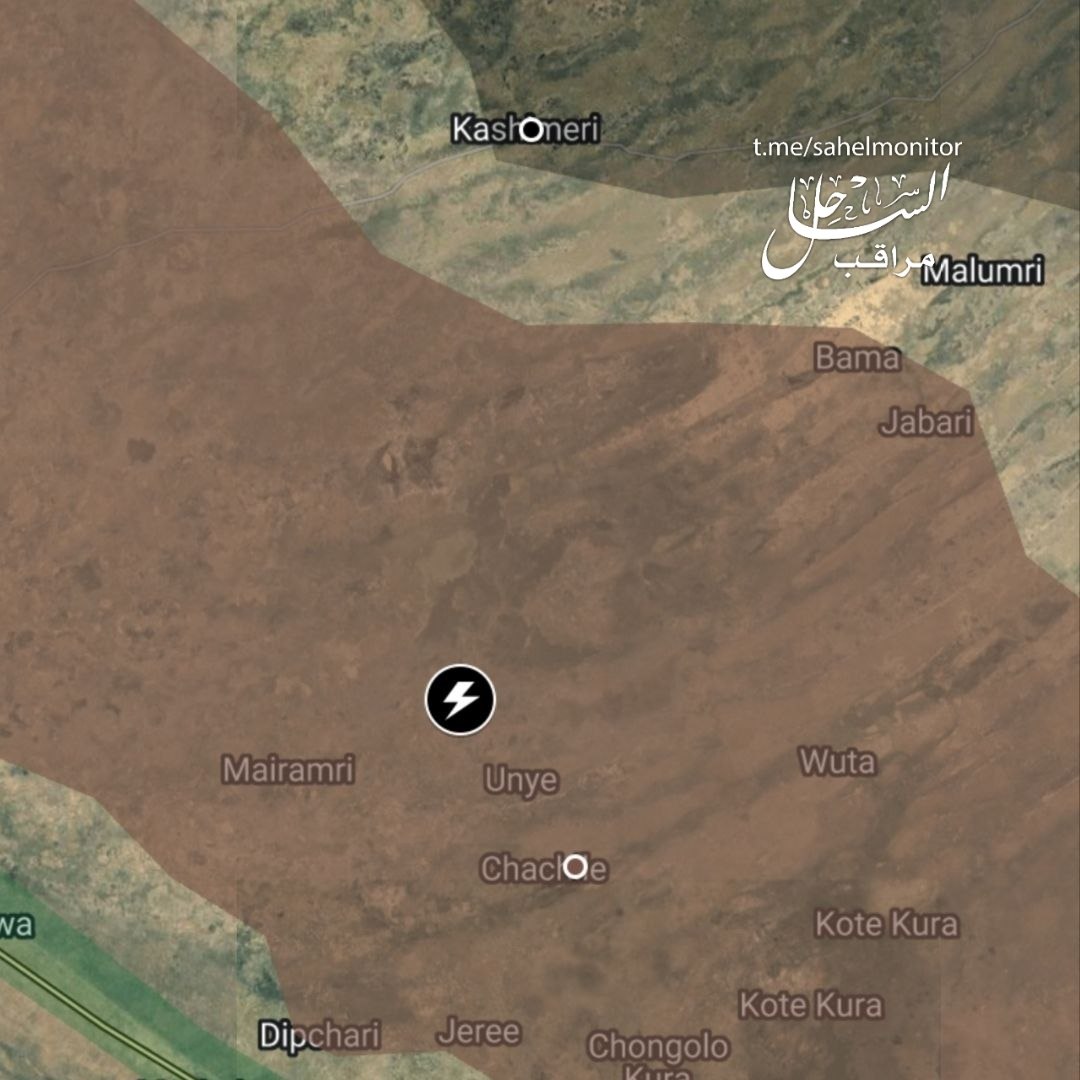
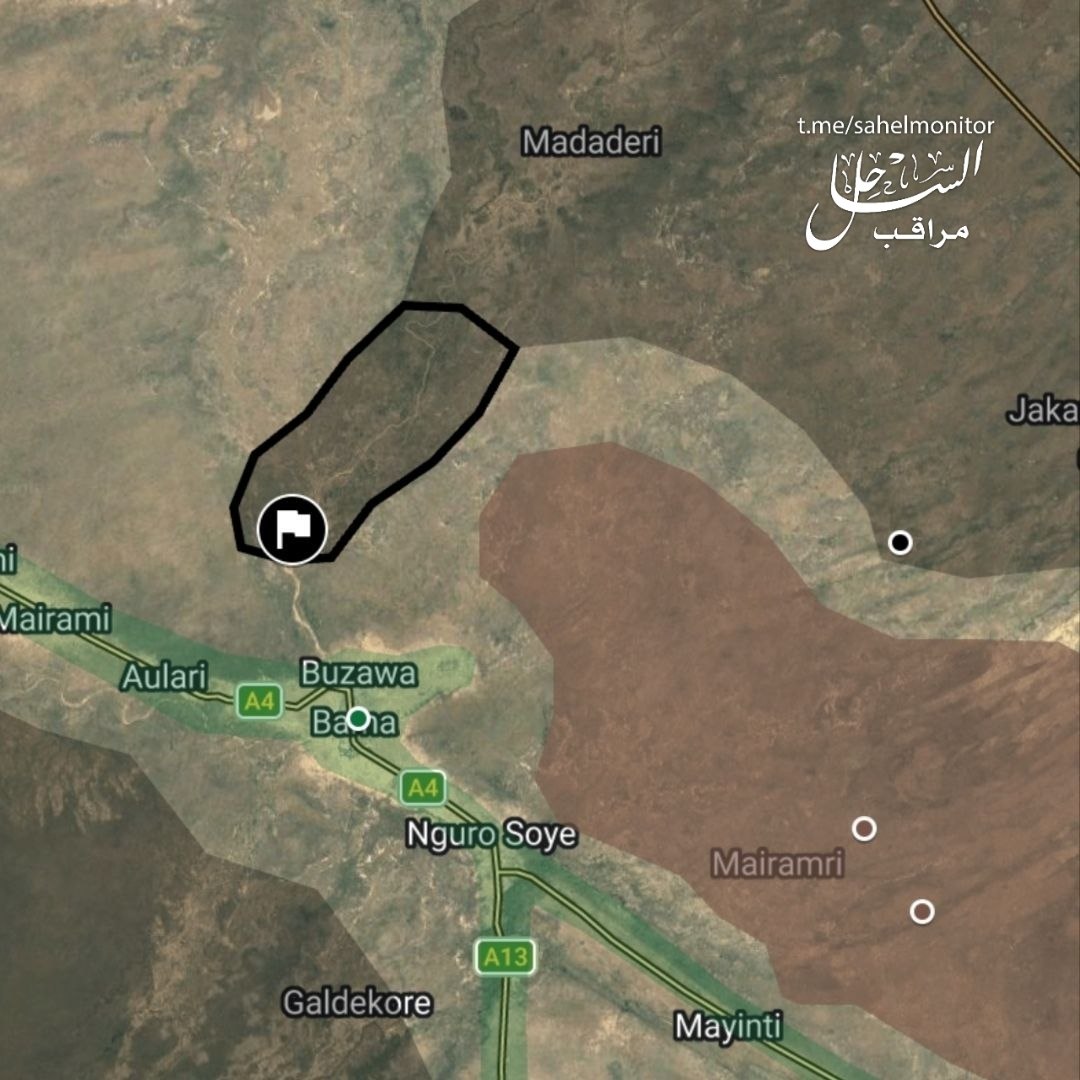
On 16 August 2026 a series of high‑intensity kinetic events unfolded across multiple theatres, underscoring the expanding role of unconventional firepower in contemporary conflicts. The most consequential development occurred in Nigeria, where the Islamic State West Africa Province (ISWAP) seized the JAS stronghold of Gazuwa and subsequently burned the JAS camp at Bula Murge, eliminating seven senior JAS commanders and displacing dozens of families. Simultaneously, Ukraine intensified its aerial campaign against the Russian Federation, deploying both indigenous and foreign‑supplied drone systems in large‑scale swarms that struck civilian and commercial targets. NATO forces responded to a separate incursion by shooting down a suspected Russian UAV that entered Romanian airspace. The day also saw a tragic civilian death in the Moscow region when a drone crashed into a private residence.
ISWAP Seizes Gazuwa and Destroys Bula Murge Camp
At 10:30 UTC, ISWAP forces launched a coordinated ground movement against the JAS (Boko Haram) stronghold of Gazuwa in northern Nigeria. According to GeoPWatch, the operation resulted in the capture of the town, effectively depriving the Gazuwa faction of its eponymous headquarters. Within hours, ISWAP advanced to the nearby JAS encampment at Bula Murge, setting the facility ablaze. The fire killed seven high‑ranking JAS commanders, a loss described by local sources as a “decisive blow” to JAS command structure. The attack forced the relocation of numerous JAS families, creating a new wave of internally displaced persons in the region. No conventional weapons were reported; the operation relied on small‑arms fire and incendiary tactics.
"ISWAP seized the JAS stronghold of Gazuwa in Nigeria and then burned the JAS camp at Bula Murge, killing seven commanders and displacing families." – GeoPWatch, https://t.me/GeoPWatch/38533
Ukraine Deploys Massive Drone Swarm Over Russian Territory
At 15:35 UTC, Ukrainian forces launched what Russian authorities described as the largest drone attack in the conflict to date. Moscow reported the launch of hundreds of unmanned aerial systems, of which 822 were claimed to have been shot down by Russian air defenses. The swarm succeeded in striking a Wildberries logistics hub in the Moscow region and caused six civilian fatalities. The drones employed were a mix of commercially available quadcopters modified for payload delivery and purpose‑built loitering munitions. The attack demonstrated Ukraine’s capacity to conduct deep‑strike operations far beyond the front lines, leveraging low‑cost platforms to overwhelm air‑defence networks.
"Largest Ukrainian drone attack on Russia, Moscow says 822 drones shot down. Ukraine launched hundreds of drones across Russia, killing at least six people and striking a Wildberries logistics hub." – Al Jazeera, https://www.aljazeera.com/video/newsfeed/2026/8/16/16-08-sv-ukraine-largest-drone-attack-russia-ua?traffic_source=rss
Ukraine Introduces British‑Made Nyan Drones for Deep‑Strike Missions
Earlier in the day, at 15:56 UTC, intelligence reports from intelslava confirmed that Ukraine has begun operational use of the Nyan drone, a British‑manufactured system developed by Callen‑Lenz, a subsidiary of BAE Systems. The Nyan platform is a fixed‑wing, long‑range UAV capable of carrying a 30‑kilogram payload and operating at altitudes up to 15,000 feet. While specific target data remain classified, the deployment signals a widening of Ukraine’s procurement channels and a deepening of Western technical support. The introduction of a high‑performance, export‑controlled drone expands Ukraine’s ability to conduct precision strikes against strategic Russian infrastructure, complementing the larger swarm tactics observed later in the day.
"Ukraine has started using British‑made Nyan drones to strike deep inside Russia." – intelslava, https://t.me/intelslava/92670
NATO Intercepts Suspected Russian Drone Over Romanian Airspace
At 10:16 UTC, a NATO fighter aircraft intercepted and destroyed an unmanned aerial system that had entered Romanian sovereign airspace. The aircraft, operating under a joint NATO‑US command, identified the UAV as likely Russian based on flight pattern and electronic signatures. NATO spokesperson US Army Colonel Martin O'Donnell confirmed the engagement, noting that “additional details regarding Sunday’s incident remain under investigation, but the drone appears to be Russian.” The interception underscores NATO’s heightened vigilance along its eastern flank and the increasing prevalence of cross‑border UAV incursions in the post‑2022 security environment.
"NATO fighter shoots down suspected Russian drone that illegally entered Romanian airspace" – JPost, https://www.jpost.com/international/article-905647
Drone Strike Kills 83‑Year‑Old in Moscow Region
At 06:04 UTC, an 83‑year‑old resident of the Ramenkovo municipal district in the Moscow region was killed when a drone crashed onto the grounds of his private home. The incident, reported by Governor Andrei Vorobyov and corroborated by intelslava, represents one of the few confirmed civilian fatalities directly attributable to a Ukrainian‑launched UAV on Russian soil. No injuries were reported beyond the fatality. The drone’s origin was not officially confirmed, but the timing and location align with the broader pattern of Ukrainian drone activity targeting Russian civilian areas.
"One person was killed in a nighttime drone attack in the Moscow region, according to Governor Andrei Vorobyov. An 83‑year‑old man died in the Ramenkovo municipal district. The drone crashed on the grounds of a private house." – intelslava, https://t.me/intelslava/92656
Collectively, these events illustrate a shift toward high‑velocity, low‑cost kinetic tools that enable actors to project power across vast distances with limited logistical footprints. In West Africa, ISWAP’s ground offensive demonstrates the continued relevance of conventional maneuver warfare when combined with terror tactics such as camp burnings. In the Eurasian theater, the proliferation of drone technology—ranging from inexpensive swarms to sophisticated long‑range platforms—has expanded the operational envelope of both state and non‑state actors. NATO’s rapid response to airspace violations further highlights the growing need for integrated air‑defence coordination among alliance members. As these trends converge, monitoring agencies must prioritize real‑time intelligence on UAV deployments, cross‑border incursions, and the evolving command structures of insurgent groups to anticipate future kinetic escalations.