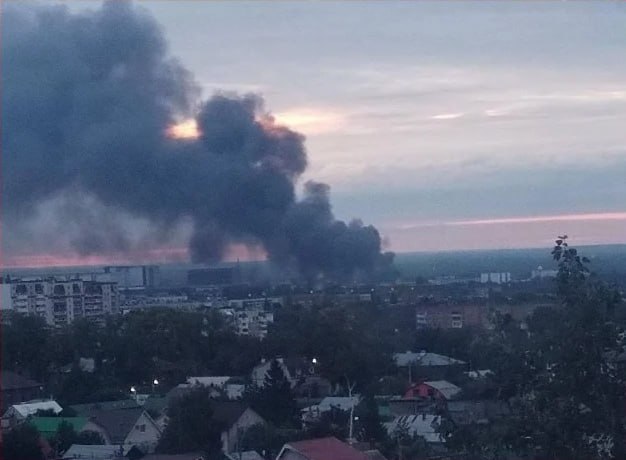
On 15 August 2026, a Russian precision strike hit a civilian bomb shelter in Kyiv's Darnytsia district, killing multiple civilians and underscoring the vulnerability of urban protection infrastructure. The attack, reported by the Telegram channel monitor_the_situation at 15:52, is the most lethal single event recorded in Ukraine on this date and raises immediate concerns about the effectiveness of shelter locations and warning protocols.
"Direct Russian strike on a bomb shelter in Kyiv's Darnytsia district killed civilians, raising questions about the city's shelter system effectiveness." – monitor_the_situation, 15:52:33 UTC
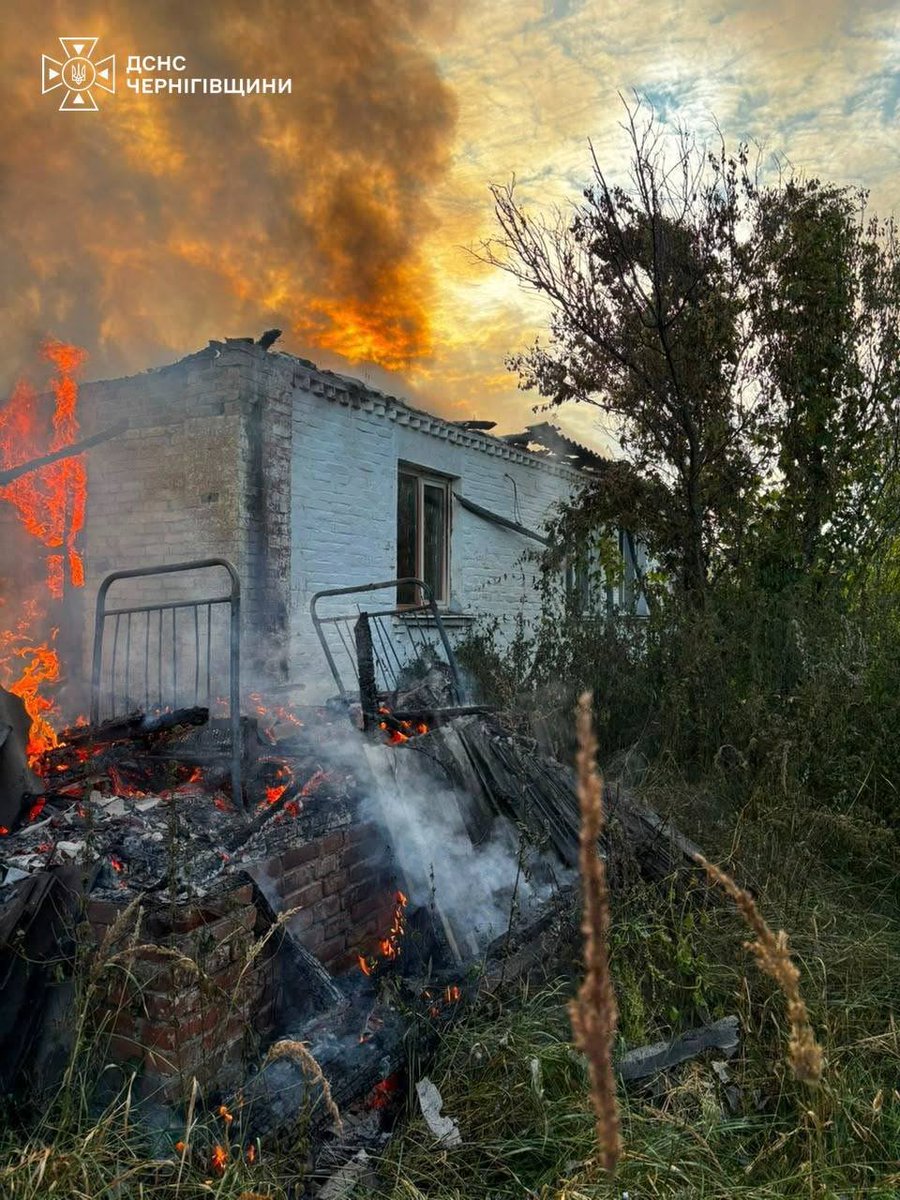
Within the same 24‑hour window, coordinated unmanned aerial vehicle (UAV) and multiple launch rocket system (MLRS) attacks were documented across the country, resulting in 17 civilian deaths and 156 injuries. The incidents spanned the capital and the northern regions of Chernihiv and Sumy, as detailed by the same source at 15:29. The scale of these strikes reflects a sustained Russian effort to target both civilian populations and critical infrastructure.
"UAV and MLRS Strikes Kill 17 Civilians in Ukraine" – monitor_the_situation, 15:29:02 UTC
Widespread UAV and MLRS Assaults
The UAV and MLRS barrage employed a mix of loitering munitions and artillery rockets, striking residential districts, schools, and medical facilities. While the exact weapon models were not disclosed, the pattern aligns with previously observed Russian tactics of using low‑altitude drones to evade air defenses and MLRS salvos to saturate target areas. Casualties were concentrated in densely populated neighborhoods, where the lack of adequate shelters amplified the human toll.
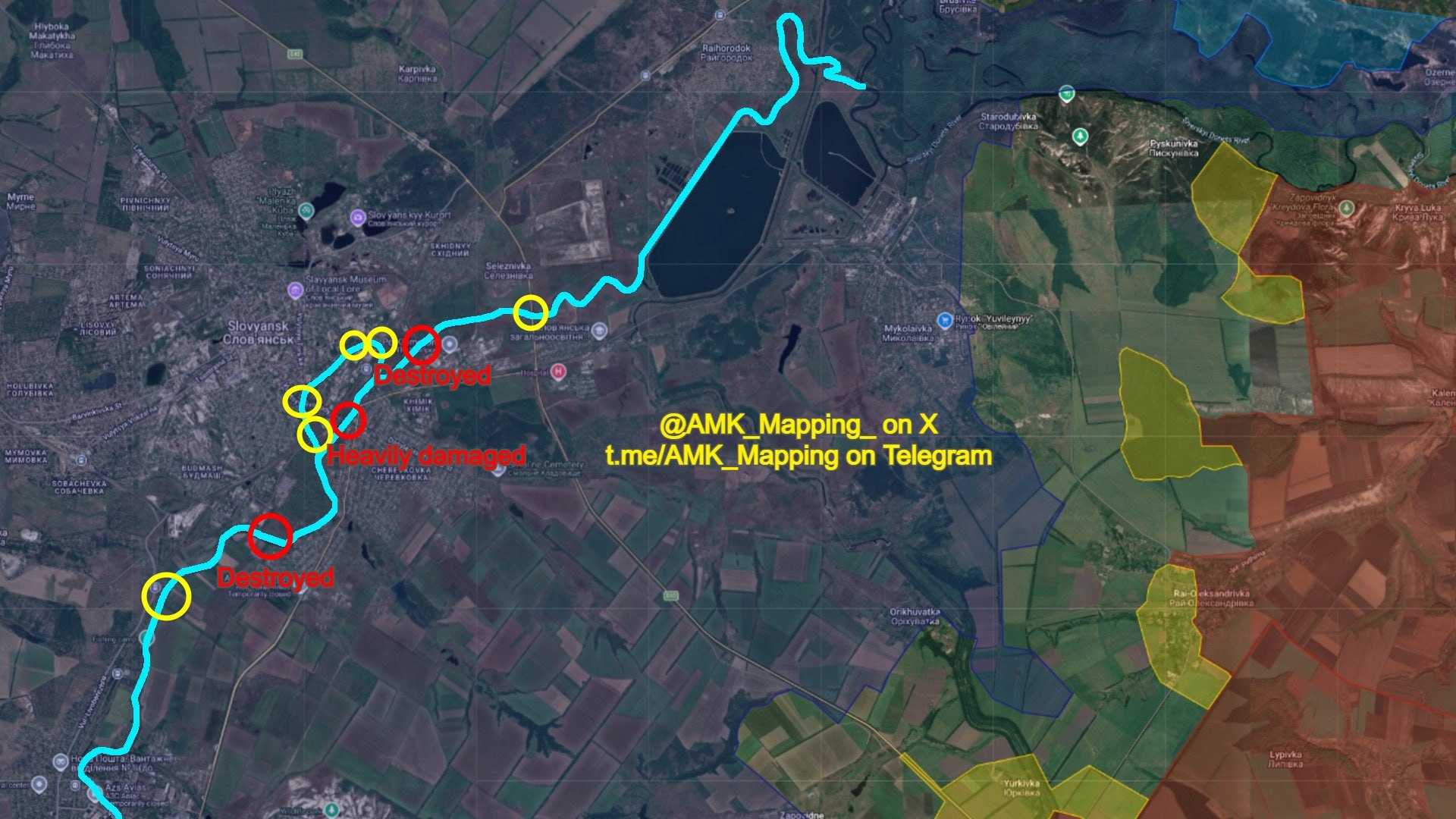
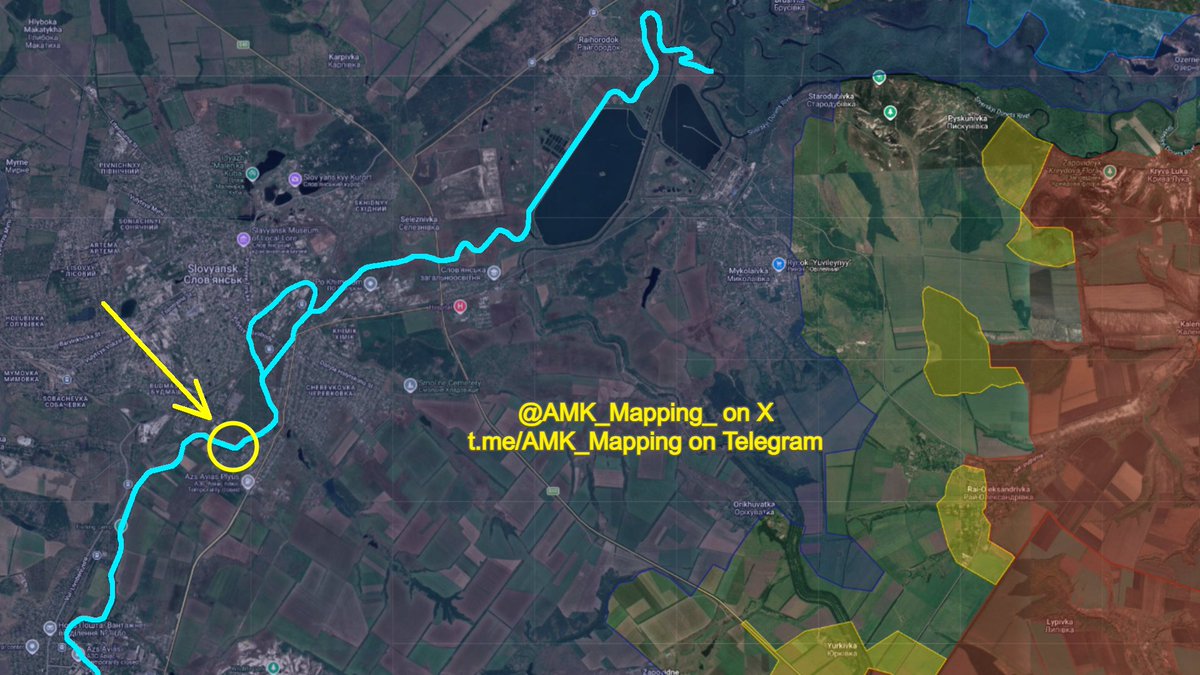
These attacks coincided with a separate series of high‑explosive aerial bomb (FAB) strikes on pedestrian bridges in the Donetsk city of Slavyansk. According to intelslava, multiple FABs equipped with gliding modules impacted the Kazenny Torets river bridge, causing structural collapse and temporarily disrupting civilian movement across the city.
"A pedestrian bridge in Slavyansk, crossing the Kazenny Torets river, was hit by several high‑explosive aerial bombs (FABs) with gliding modules." – intelslava, 14:10:34 UTC
Targeting Civilian Infrastructure: Bridges and Bomb Shelters
Bridge destruction has become a recurring element of the kinetic campaign. In addition to the Slavyansk incident, Russian forces employed glide‑bombs to demolish a second pedestrian bridge in Slovyansk, as reported by monitor_the_situation at 09:24. The cumulative effect of these strikes is a fragmented transport network that hampers civilian evacuation and complicates humanitarian aid delivery.
"Russian glide bombs destroyed a pedestrian bridge in Slovyansk, the fourth bridge struck in the city in recent weeks." – monitor_the_situation, 09:24:07 UTC
The bomb shelter strike in Kyiv represents a stark escalation in targeting protected civilian spaces. While the shelter was not officially listed as a military target, its location within a residential district suggests either a misidentification or a deliberate attempt to maximize civilian impact.
Drone Interdiction of Logistics
Ukrainian drone operations continued to shape the battlefield by disrupting Russian supply lines. At 10:00, monitor_the_situation reported that Ukrainian UAVs prevented the delivery of food and ammunition to Russian troops stationed on the Dnipro River islands in Kherson Oblast. The interdiction forced Russian units to rely on limited stockpiles, extending their exposure on the islands and potentially affecting combat readiness.
"Ukrainian drones still prevent the delivery of food and ammunition to Russian soldiers on Dnipro River islands, leading to prolonged deployments and lack of rotation." – monitor_the_situation, 15:01:21 UTC
These aerial disruptions complement ground offensives, such as the Ukrainian breakthrough near Dvorichna in Kharkiv Oblast. Ukrainian forces entered the contested town, threatening Russian positions further south, as documented by monitor_the_situation at 09:43.
"Ukrainian troops forced a breakthrough near Dvorichna, entering the contested town and threatening Russian positions further south in Kharkiv Oblast." – monitor_the_situation, 09:43:33 UTC
Frontline Dynamics: Breakthroughs and Defensive Measures
The Dvorichna advance illustrates a broader pattern of Ukrainian offensives aimed at exploiting Russian overextension on the Dnipro islands and in the Donetsk corridor. Simultaneously, Russian forces have adopted defensive engineering tactics. At 07:40, OSINTdefender reported that Russian troops are digging tunnels along the front line, drawing on Vietnam War‑era methods to protect personnel from artillery and aerial strikes.
"Russian troops are reportedly digging tunnels to protect personnel at the front, drawing on historical military strategies similar to those used during the Vietnam War." – OSINTdefender, 07:40:12 UTC
These tunnels could provide shelter from high‑explosive munitions and serve as concealed movement corridors, potentially altering the tactical calculus for both sides.
Additional Kinetic Incidents
Other notable events include a HIMARS rocket salvo launched by Ukrainian forces toward Belgorod, Russia, intercepted by Russian air defenses without casualties (monitor_the_situation, 09:04). While the interception demonstrates the effectiveness of Russian air defense, it also signals Ukraine's willingness to strike deep into Russian territory using precision‑guided rockets.
"Ukrainian forces launched HIMARS rockets at Belgorod City; Russian air defense intercepted the projectiles, with interceptions visible over the city. No casualties reported." – monitor_the_situation, 09:04:34 UTC
In the Samara region of Russia, Ukrainian forces employed domestically produced Flamingo missiles to target a Starlink‑style communications network and a Roscosmos facility, as reported by Al Jazeera and OSINTdefender respectively. These strikes, while outside Ukraine's borders, reflect an expanding kinetic reach that aims to degrade Russian command, control, and communications capabilities.
Implications and Outlook
The convergence of high‑intensity UAV/MLRS attacks, targeted strikes on civilian shelters, bridge demolitions, and logistical interdictions marks a significant escalation in kinetic operations across Ukraine on 15 August 2026. The civilian casualty figures—17 dead and 156 injured from UAV/MLRS strikes alone, plus additional deaths from the Kyiv shelter attack—highlight the acute humanitarian impact of these tactics.
Russian adoption of tunnel construction suggests a shift toward fortified defensive postures, potentially prolonging stalemates in contested sectors. Conversely, Ukrainian breakthroughs and persistent drone operations indicate a continued emphasis on disrupting Russian supply chains and exploiting weak points in the occupation line.
Monitoring agencies should prioritize verification of shelter locations, assess the effectiveness of early‑warning systems, and track the evolution of Russian tunnel networks, as these factors will influence both civilian safety and future combat dynamics.