In the early hours of 15 August 2026, Russian authorities announced a large‑scale aerial engagement that they say resulted in the destruction of 598 Ukrainian drones. The claim, posted by the monitoring channel GeoPWatch, includes a report of civilian injuries—a woman and a child—in the Moscow region, marking a notable expansion of the conflict beyond the front lines traditionally associated with the war.
Massive Drone Intercept Over Moscow Region
According to the GeoPWatch telegram post dated 05:50 UTC, Russian air defenses engaged a wave of unmanned aerial systems (UAS) that originated from Ukrainian‑controlled territory. The channel states that eight of the intercepted drones flew over the Moscow region, where the impact of a stray fragment caused injuries to a civilian woman and her child. While the exact launch points remain undisclosed, the sheer volume of claimed interceptions—598 drones—suggests a coordinated effort by Ukrainian forces to target strategic assets deep within Russian airspace.
"Russia says it shot down 598 Ukrainian drones overnight, injuring a woman and a child in the Moscow region," GeoPWatch, 15 Aug 2026, https://t.me/GeoPWatch/38505
The statement did not provide independent verification of the drone count or the nature of the injuries, but the claim aligns with a pattern of increased Ukrainian drone activity observed in previous weeks. Russian officials have previously emphasized the vulnerability of critical infrastructure to low‑cost aerial platforms, and the reported injuries underscore the potential for civilian harm when engagements occur over populated areas.
Rocket Attack on Samara Enterprise
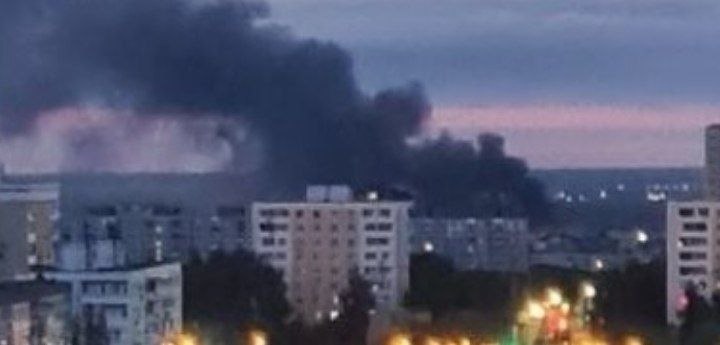
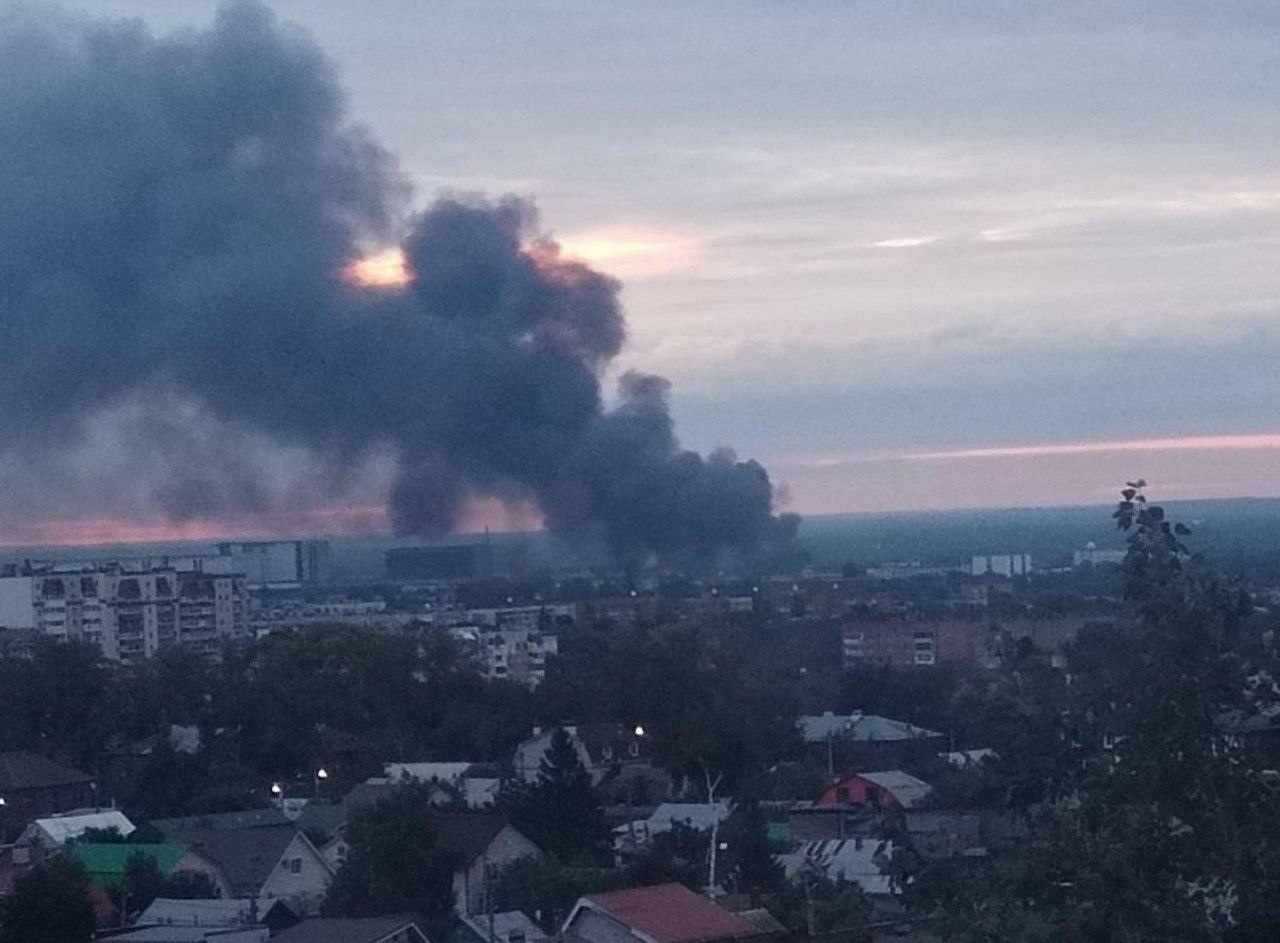
Simultaneously, the Telegram channel intelslava reported a rocket strike on the city of Samara, located on the Volga River in southwestern Russia. The attack, logged at 04:06 UTC, reportedly hit a local enterprise, though the specific facility and the extent of material damage were not detailed. The source attributes the strike to Ukrainian forces, though no claim of responsibility has been publicly made by Kyiv.
Photographic evidence accompanying the intelslava post shows smoke and structural damage consistent with a high‑explosive rocket impact. While casualty figures were not released, the incident marks a rare instance of Ukrainian long‑range fire reaching the Samara industrial corridor, an area previously considered beyond the immediate reach of the conflict.
Destruction of Ukrainian Drone Control Stations in Zaporizhzhia
On the ground, Russian mechanized units conducted a targeted operation against Ukrainian drone infrastructure along the Zaporizhzhia axis. The 394th Motor Rifle Regiment, part of the 127th Motor Rifle Division within the 5th Guards Combined Arms Army of the Vostok Group of Forces, reportedly destroyed multiple ground control stations used to direct Ukrainian UAVs. The operation, documented by intelslava at 02:22 UTC, included video footage of Russian troops securing the sites and confirming the destruction of equipment.
This action directly impairs Ukrainian aerial reconnaissance and strike capabilities in the region, where drone usage has become integral to artillery spotting and battlefield surveillance. By eliminating the control nodes, Russian forces aim to degrade the effectiveness of Ukrainian UAV sorties, potentially shifting the tactical balance in the contested southern front.
Implications for the Conflict
The convergence of these three events illustrates a multi‑dimensional escalation. The reported mass drone intercept over Moscow suggests that Ukrainian forces are extending their operational reach, employing swarms to overwhelm air defense systems and create psychological pressure on the Russian capital. Conversely, the rocket strike on Samara demonstrates a willingness to target industrial assets far from the front, potentially aiming to disrupt logistics and signal vulnerability.
On the ground, the destruction of drone control stations in Zaporizhzhia reflects a focused Russian effort to neutralize Ukrainian aerial assets that have proven decisive in recent engagements. By targeting the command and control layer rather than the drones themselves, Russian forces may achieve a higher cost‑effectiveness in degrading Ukrainian capabilities.
Collectively, these actions indicate a strategic shift toward integrated air‑ground operations, where both sides leverage UAV technology and long‑range precision weapons to apply pressure across a broader geographic spectrum. The civilian injuries reported in the Moscow region also raise concerns about the humanitarian impact of such escalations, emphasizing the need for robust protective measures for non‑combatants in and around contested zones.
Monitoring agencies will continue to verify the claims from both sides, as independent corroboration remains limited. The events of 15 August underscore the fluid nature of the Russia‑Ukraine conflict, where advances in drone warfare and the willingness to strike deep targets are reshaping the operational environment.