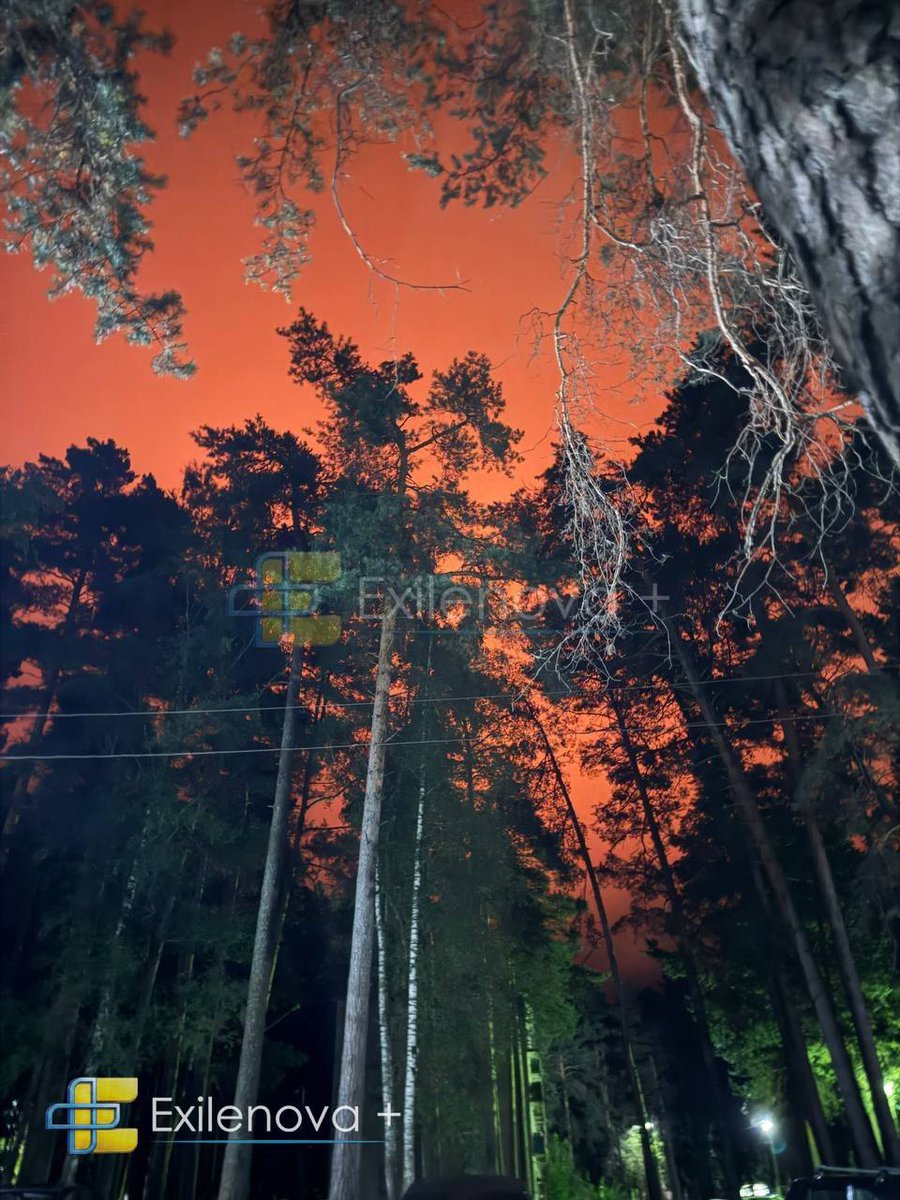
On 15 August 2026, Iran’s integrated air‑defence network achieved a rare multi‑platform interception, shooting down an American F‑15E strike aircraft, several U.S.-made drones, Emirati kamikaze drones, AGM‑158 JASSM cruise missiles and Starlink‑equipped Lucas loitering munitions. The event, reported by the open‑source outlet intelslava, marks the most significant kinetic development of the day and underscores the heightened risk of broader escalation across the Middle East.
Iranian Air‑Defence Success
According to the intelslava briefing (source https://t.me/intelslava/92631), debris recovered from the downed aircraft included the F‑15E “Strike Eagle” airframe, MQ‑9 Reaper and MQ‑1C Gray Eagle drones, a Hermes 900 UAV (serial 923), Emirati Yabhon H kamikaze drones, and an AGM‑158 Joint Air‑to‑Surface Standoff Missile (JASSM). All were intercepted by Iranian surface‑to‑air systems operating within Iranian sovereign airspace. The presence of Starlink terminals and Lucas‑type kamikaze drones indicates a layered, network‑centric approach to modern aerial warfare.
"Debris from the fighter‑bomber F‑15E, multiple U.S.‑made drones, Emirati kamikaze drones and cruise missiles were found among the wreckage, confirming successful interception by Iranian air‑defence systems," intelslava reported.
The interception did not result in reported casualties, but the loss of high‑value platforms represents a material setback for the United States and United Arab Emirates, both of which have been supplying advanced UAVs and precision‑strike munitions to regional partners.
Israeli Airstrikes on Hezbollah Targets
In parallel, the Israeli Defense Forces (IDF) continued a series of airstrikes against Hezbollah positions in southern Lebanon. The JPost article (source https://www.jpost.com/middle-east/iran-news/article-905584) notes that the strikes were framed as a response to recent cease‑fire violations by the Lebanese militant group. Hezbollah’s public statement warned that the latest Israeli attack would be "met accordingly," suggesting a potential escalation of ground‑level hostilities.
"Hezbollah says the latest strike would be 'met accordingly.'" – JPost
While casualty figures were not disclosed, the repeated use of airpower indicates Israel’s intent to degrade Hezbollah’s command‑and‑control infrastructure and rocket‑launch capabilities.
Netanyahu’s Justification for Retaliatory Action
Prime Minister Benjamin Netanyahu addressed the Israeli public and international media at 15:30 UTC, asserting that the strikes were a direct retaliation for Hezbollah attacks that wounded three IDF soldiers. The OSINTdefender channel (source https://t.me/OSINTdefender/19836) recorded his remarks, in which he called for intensified military action to protect Israeli forces and civilians.
"The attacks on Lebanon were a response to Hezbollah aggression that seriously wounded three of our soldiers. We will intensify our actions to ensure security," Netanyahu said.
Netanyahu’s statement reinforces the political narrative that Israel will not tolerate further provocations, potentially widening the operational tempo of the Israel‑Hezbollah front.
Russian UAV Operations in Ukraine
On the eastern front, Russian forces employed the “Sirin” Unmanned Systems Battalion of the Russian Unmanned Systems Forces to conduct FPV (first‑person view) drone attacks against Ukrainian military assets. The intelslava video (source https://t.me/intelslava/92627) shows the drones targeting Ukrainian vehicles and communication equipment, demonstrating the continued reliance on low‑cost, high‑impact UAVs in the conflict.
These operations, while tactically limited, illustrate the expanding role of commercial‑grade drone technology in conventional warfare and the ongoing contest for electronic‑warfare dominance.
Ukrainian Drone Strike on Russian Airfield
Earlier in the day, Ukrainian drones attacked the Savasleyka military airfield in Nizhny Novgorod, Russia. The monitor_the_situation channel (source https://t.me/monitor_the_situation/27764) posted photographs of fires and evacuation procedures following the strike. The target was identified as a squadron of MiG‑31K aircraft capable of launching Kinzhal hypersonic missiles, indicating a strategic intent to degrade Russia’s long‑range strike capability.
No casualty figures were released, but the incident underscores Ukraine’s growing ability to project power deep inside Russian territory using UAVs.
Ukrainian Interception of Russian Drones
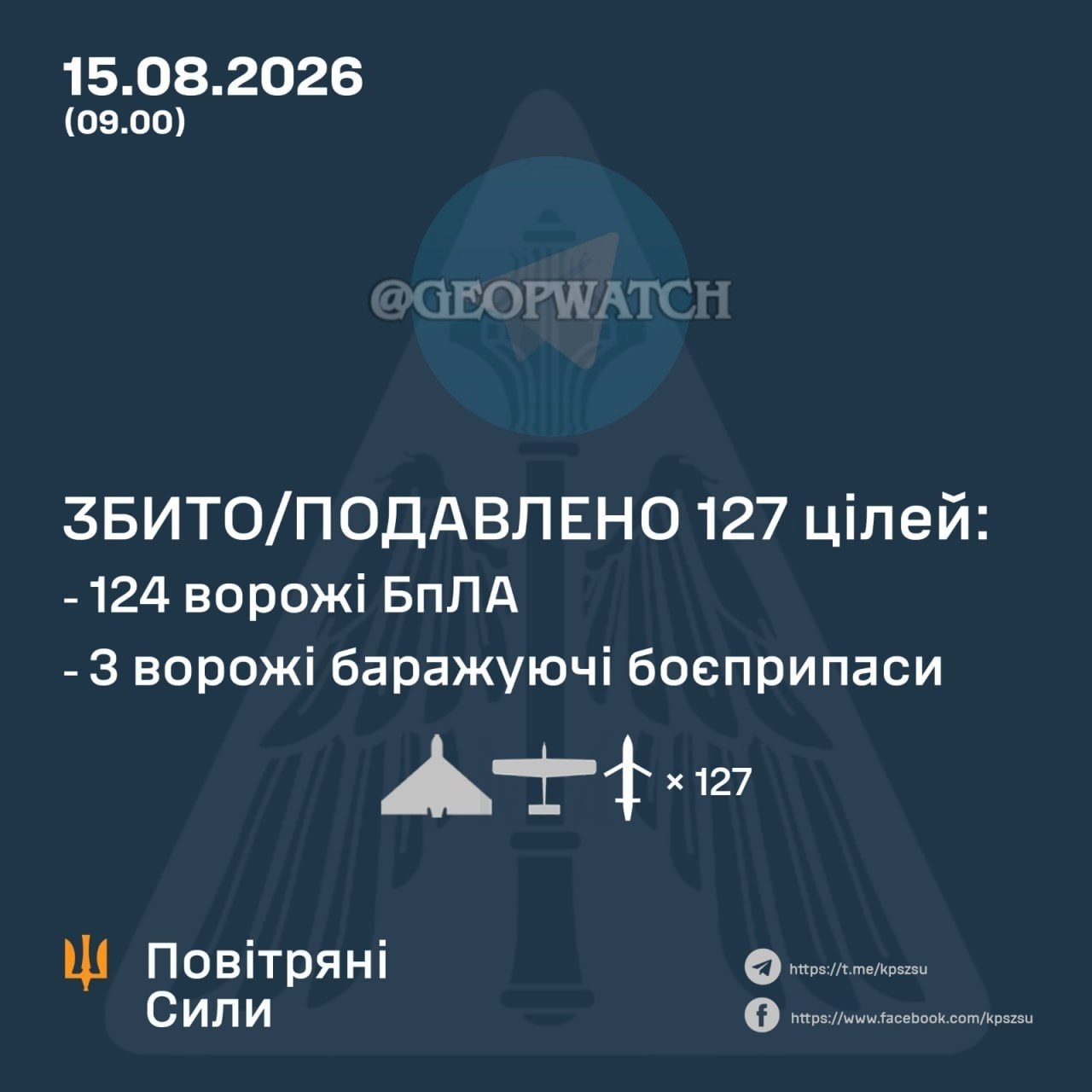
In a separate development, Ukrainian forces reported shooting down 127 Russian drones and loitering munitions overnight, including Geran, Shahed, and Bandera types. The GeoPWatch report (source https://t.me/GeoPWatch/38507) also confirmed successful strikes on at least 16 Russian targets, though no missile interceptions were recorded.
The high volume of downed UAVs reflects both the intensity of Russia’s aerial harassment campaign and Ukraine’s improving air‑defence proficiency.
Implications for Regional Stability
The convergence of these kinetic events on a single day highlights a broader pattern of escalation across multiple theatres. Iran’s successful interception demonstrates its capacity to defend against sophisticated aerial threats, potentially deterring further incursions by U.S. or allied platforms. Simultaneously, Israel’s renewed air campaign against Hezbollah raises the risk of a ground confrontation along the Israel‑Lebanon border.
In Eastern Europe, the continued use of UAVs by both Russian and Ukrainian forces illustrates a shift toward asymmetric air warfare, where low‑cost drones can achieve strategic effects traditionally reserved for manned aircraft.
Collectively, these developments suggest that state and non‑state actors are increasingly willing to employ high‑technology kinetic tools to achieve tactical objectives, raising the probability of inadvertent escalation and complicating diplomatic de‑escalation efforts.