On 15 August 2026, a series of Israeli airstrikes across southern Lebanon produced the deadliest civilian casualties recorded since the June cease‑fire agreements. The most severe attack, carried out at 15:53 local time in the town of Ansar, South Governorate, left eleven civilians dead and twelve wounded, according to GeoPWatch. The strike was followed by a public condemnation from Hezbollah, which called for national unity and promised retaliation against what it described as "Israeli aggression".
Deadliest Strike of the Day
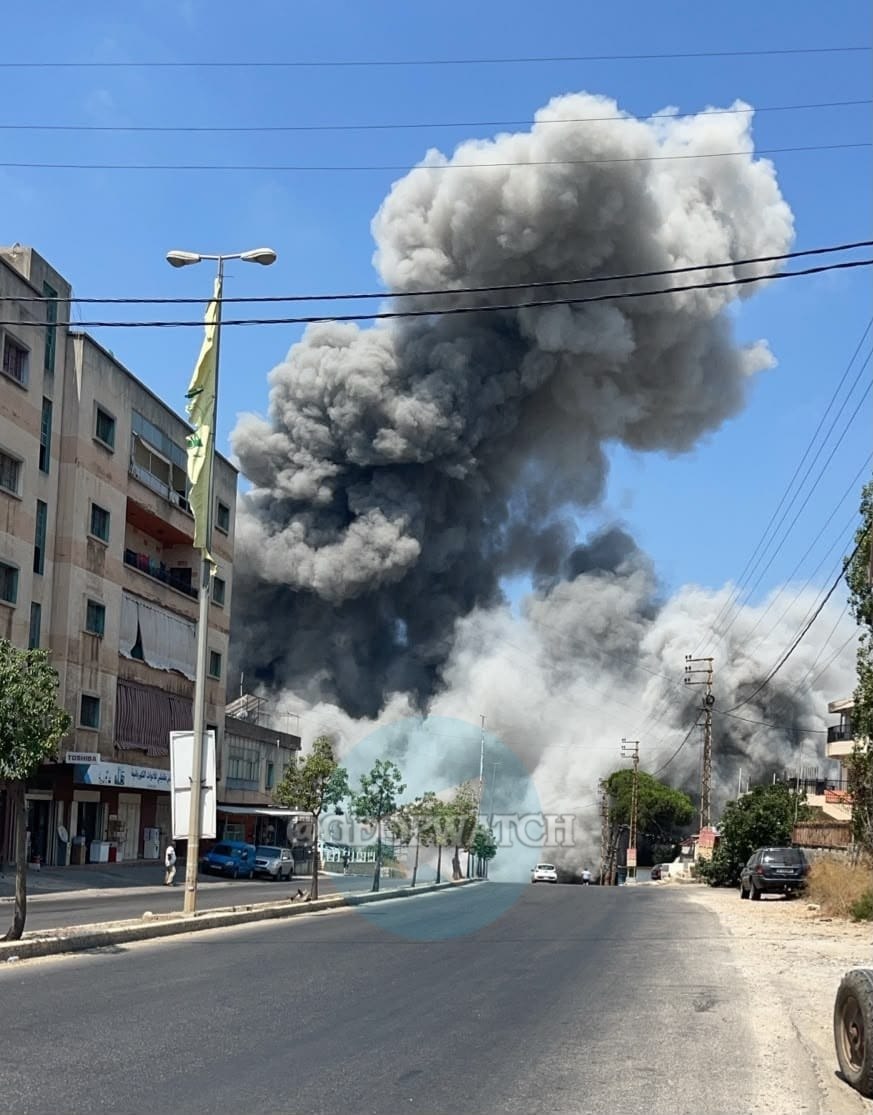
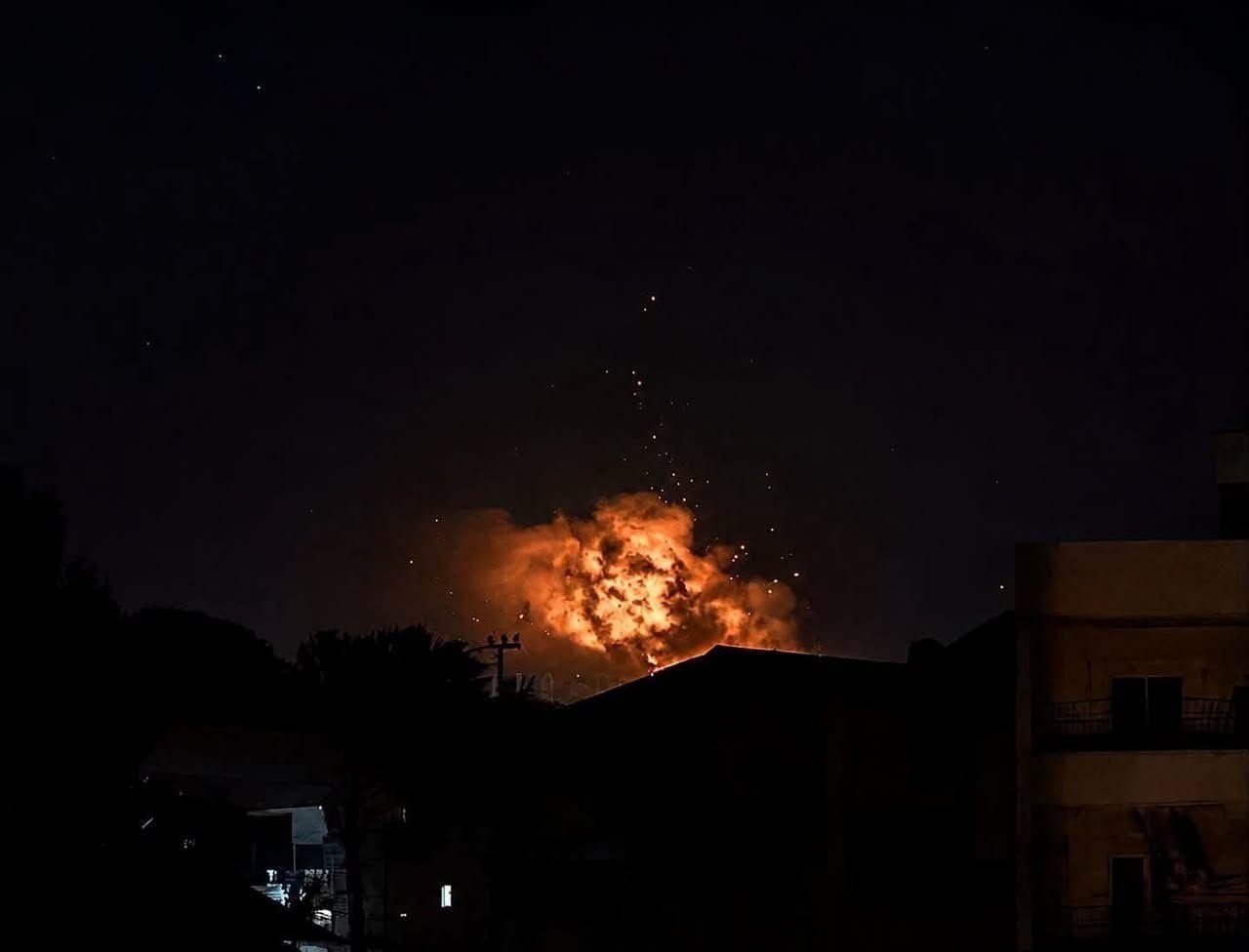
The 15:53 airstrike targeted a residential area in Ansar, a village that has previously been spared from large‑scale bombardment. GeoPWatch reported that the Israeli Air Force deployed precision‑guided munitions, although the exact weapon type was not disclosed. The resulting blast destroyed multiple homes, killing eleven civilians—including women and children—and injuring twelve others who were transported to nearby hospitals in Nabatieh and Sidon. Casualty figures were confirmed by local health officials and corroborated by on‑the‑ground video released by GeoPWatch.
"Hezbollah condemns new Israeli airstrikes in southern Lebanon that killed 11 civilians and injured 12, calling for unity and retaliation," GeoPWatch, 15 Aug 2026.
The strike marks a significant escalation, surpassing the seven‑person death toll of earlier attacks and violating the spirit of the June cease‑fire that had limited large‑scale operations.
Earlier Morning Attacks
Two critical strikes occurred earlier in the day. At 07:18, an Israeli Defense Forces (IDF) airstrike hit an unspecified location in southern Lebanon, killing seven civilians. Al Jazeera’s coverage described the attack as the deadliest since the June agreements, noting that the victims were members of a single family residing in a modest home. A second strike at 10:18 targeted another family home in Ansar, also resulting in seven fatalities. Both incidents were reported without details on the weapon systems used, but the timing suggests the use of conventional aerial munitions.
"An overnight Israeli strike on a family home in Ansar, southern Lebanon, killed at least seven people," Al Jazeera, 15 Aug 2026.
These coordinated attacks underscore a pattern of targeting civilian structures, raising concerns about compliance with international humanitarian law.
Additional Airstrikes
Between the morning and evening operations, Israeli forces conducted two further airstrikes with no reported casualties. At 10:07, an IDF strike hit Deir ez‑Zahrani in the southern district, captured on video by GeoPWatch. Later, at 15:49, the Israeli Air Force bombed Deir al‑Zahrani north of Nabatieh; photographic evidence was released, but casualty figures remain unavailable. While the lack of reported deaths may indicate either successful precision or limited target density, the repeated use of air power in densely populated areas heightens the risk of future civilian harm.
Failed IDF Infiltration Attempt
At 08:03, the IDF launched a cross‑border infiltration attempt targeting the Ali al‑Taher heights in the Nabatieh District. According to rnintel, an armored vehicle advancing toward the heights was engaged by Hezbollah forces, resulting in Israeli casualties. The encounter triggered immediate Israeli airstrikes and helicopter gunship fire on Hezbollah positions. Media released by rnintel includes video and photographs of the armored vehicle’s damage and the subsequent aerial response.
"The IDF attempted a cross‑border infiltration of the Ali al‑Taher heights, was repelled by Hezbollah causing casualties, and was followed by Israeli airstrikes and helicopter fire," rnintel, 15 Aug 2026.
The incident illustrates the fluidity of the front line and the willingness of both sides to employ combined arms—ground vehicles, airstrikes, and rotary‑wing assets—in rapid succession.
Analysis of Trends
The concentration of lethal airstrikes on civilian neighborhoods within a single day signals a marked intensification of kinetic operations by Israel in southern Lebanon. The escalation follows a period of relative calm after the June cease‑fire, during which both Israel and Hezbollah adhered to a tacit understanding to limit large‑scale attacks. The recent pattern suggests a strategic shift, possibly aimed at degrading Hezbollah’s logistical networks embedded within civilian areas, but at the cost of increased civilian casualties.
Hezbollah’s public response—calling for unity and promising retaliation—indicates a potential escalation on the Lebanese side. The organization’s statement, disseminated through its official channels and amplified by GeoPWatch, frames the attacks as a collective national affront, which could mobilize broader support for armed resistance.
From an operational perspective, the use of both fixed‑wing aircraft and helicopter gunships, combined with ground armored incursions, reflects a multi‑domain approach by the IDF. This coordination increases the pressure on Hezbollah’s defensive positions but also raises the probability of collateral damage, especially in villages where combatants and civilians coexist.
International observers have noted that the casualty figures—eleven dead and twelve injured in the evening strike alone, plus fourteen additional deaths from earlier attacks—represent a significant breach of the cease‑fire’s intent to protect civilian lives. Monitoring agencies such as Al Jazeera, GeoPWatch, and rnintel continue to document these events, providing real‑time verification that can inform diplomatic responses.
In summary, the day's kinetic events underscore a rapid deterioration of the security environment in southern Lebanon. The escalation of airpower, combined with ground infiltration attempts, has produced the highest civilian death toll in the region since the June agreements, and it has provoked a strong retaliatory rhetoric from Hezbollah. Continued observation will be essential to assess whether these incidents herald a broader resurgence of hostilities or remain isolated spikes within an otherwise restrained conflict dynamic.