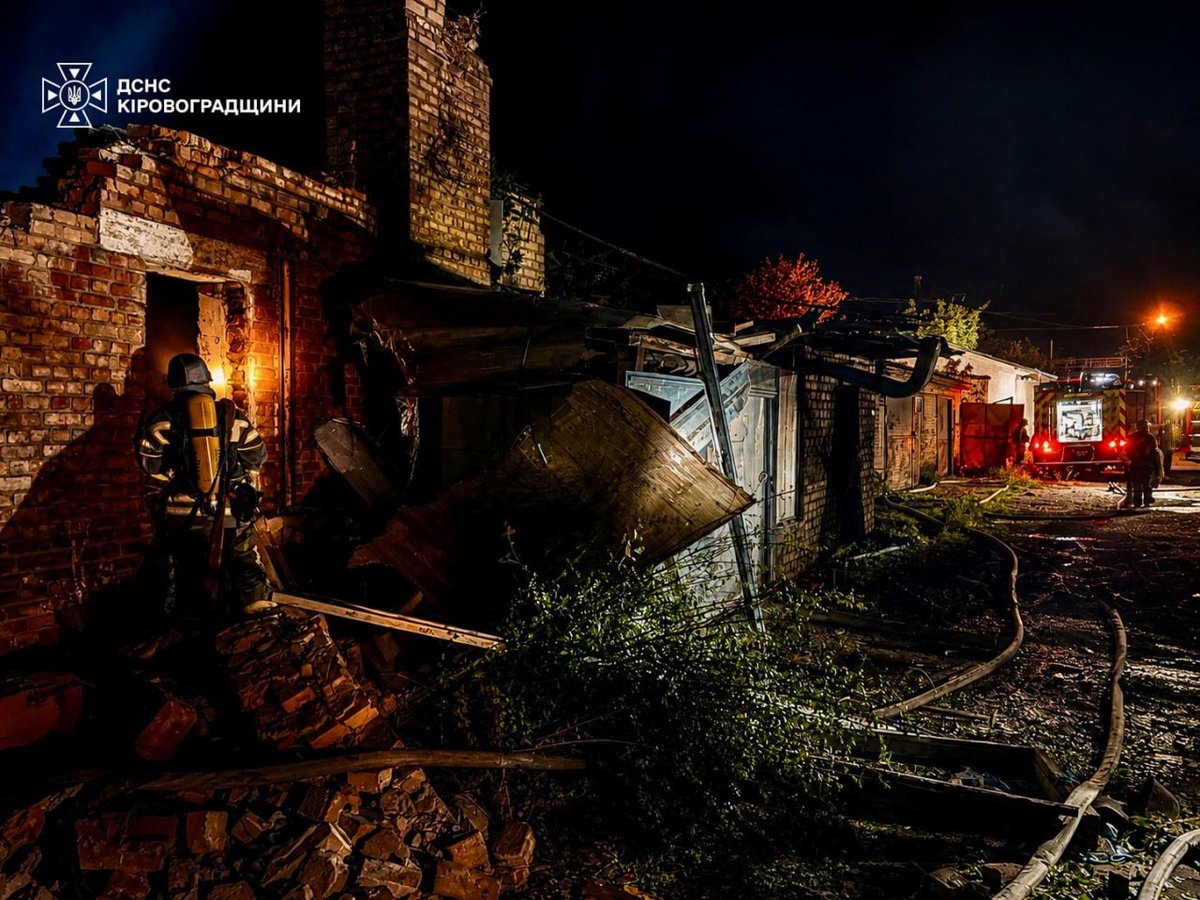
Russian air operations intensified overnight, killing three civilians—including a child—in Kramatorsk and Stepanivka and wounding sixteen across Kramatorsk and Smila. The strikes employed guided bombs, a weapon class the Russian Ministry of Defence has confirmed is being used at a rate of roughly 220 per day. NOELreports documented the damage, noting that residential structures were hit and that the civilian toll underscores the growing humanitarian impact of Russia’s aerial campaign.
Bridge Demolitions Disrupt Eastern Supply Lines
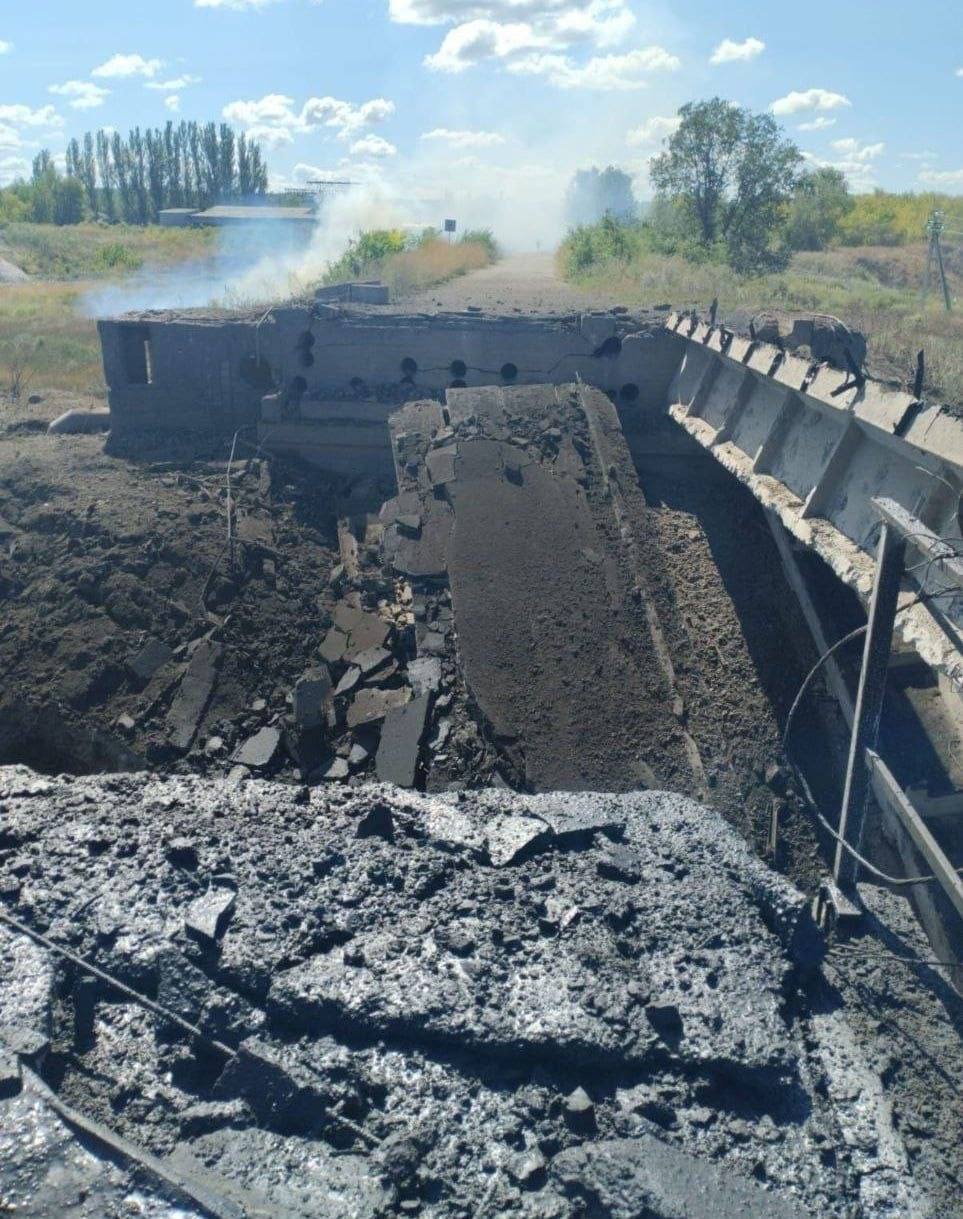
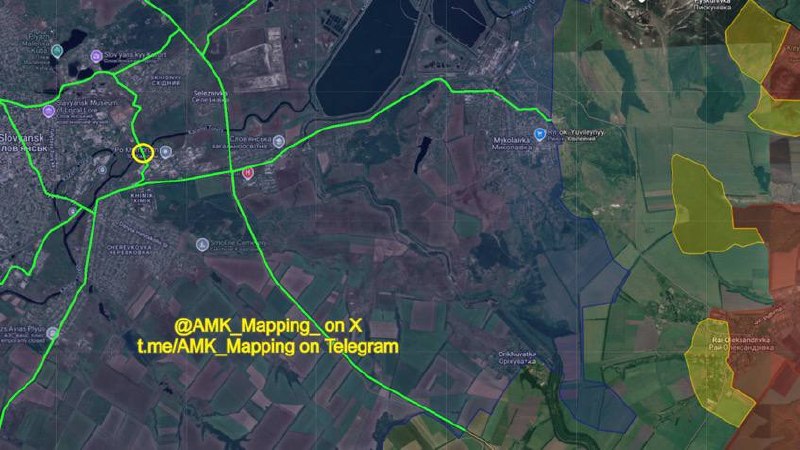
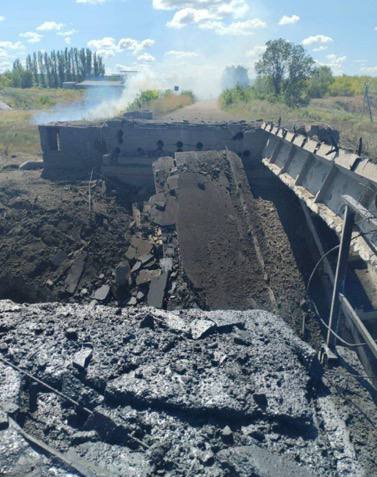
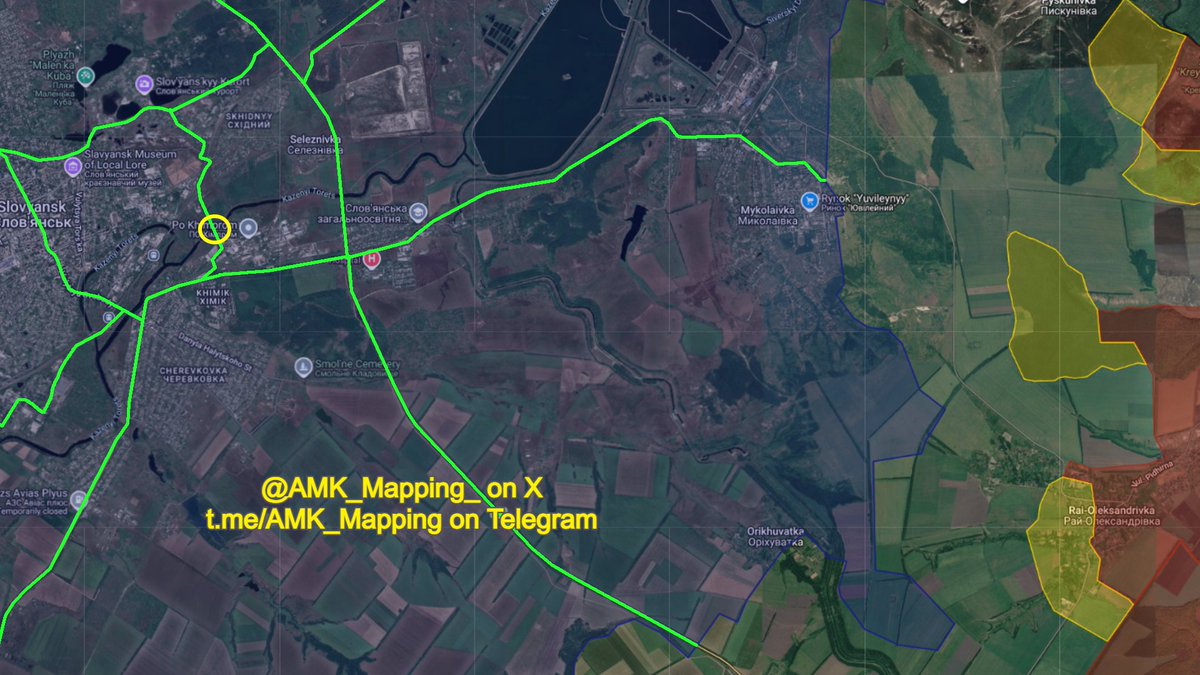
Between 07:43 and 17:32 UTC, Russian forces destroyed three key bridges in Donetsk Oblast. At 16:10 a bridge over the Kazennyi Torets River near Sloviansk was demolished, severing a local transport corridor used by Ukrainian logistics. Earlier, glide‑bomb attacks using KAB munitions razed bridges in Slovyansk (07:43) and Slavyansk (08:34), the latter connecting industrial districts to northeastern suburbs. The coordinated strikes aim to impede Ukrainian troop movements and supply flows, a tactic highlighted in intelslava reports that described the operations as part of a broader “bridge‑denial” strategy.
Maritime Targeting at Odesa’s Pivdennyi Port
At 15:08, Russian forces struck the TIS container terminal in Pivdennyi Port, Odesa Oblast, damaging a warehouse owned by the Swiss‑based Mediterranean Shipping Company. While no casualties were reported, the attack illustrates Russia’s effort to pressure Ukraine’s export infrastructure, a critical node for grain and other commodities. The incident was reported by monitor_the_situation and aligns with a pattern of maritime targeting observed since the start of the conflict.
Ballistic Missile Strikes on Urban Centers
Russian ballistic missiles hit Kyiv on 05 August, targeting warehouses that supply foodstuffs, and again on 14 August in the Dnipropetrovsk region, where the missiles were part of a broader barrage that coincided with Ukrainian claims of liberating 26 settlements in the south. The Kyiv attack disrupted supplies of vegetables, dairy and meat, as reported by monitor_the_situation. In Dnipropetrovsk, the missile strikes were documented by AlJazeera, which noted an escalation in missile frequency as Ukrainian forces advanced near the city.
Ukrainian Drone Operations Against Russian Logistics
Mid‑range strike drones operated by Ukrainian forces hit Russian logistics convoys in Luhansk Oblast, damaging Ural and Kamaz transport vehicles. The attacks, posted by monitor_the_situation, demonstrate Ukraine’s growing reliance on unmanned systems to interdict rear‑area supply lines. A separate cross‑border missile strike by Ukrainian forces hit a residential building in Bryansk, Russia, causing casualties and injuries, as reported by intelslava.
Ground Movements and Air Defences
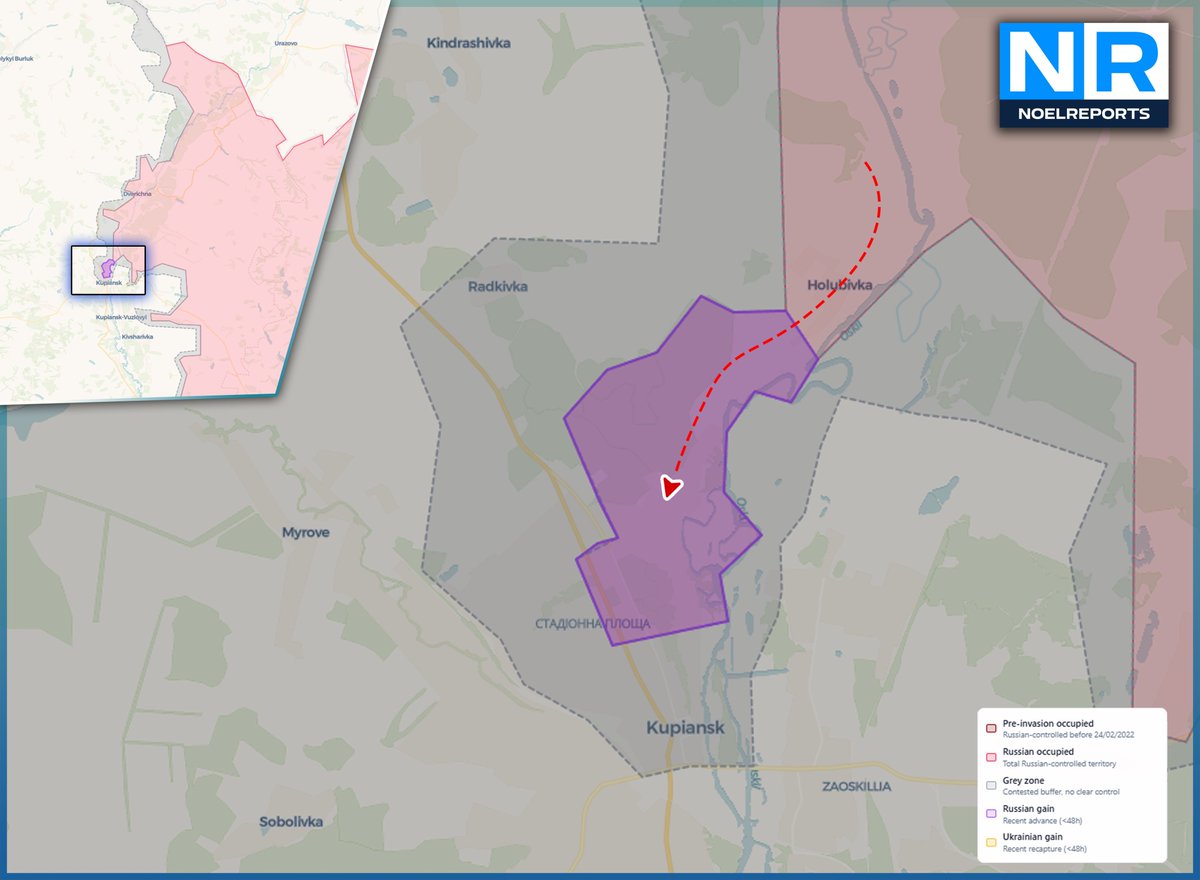
Russian troops re‑entered northern Kupyansk in Kharkiv Oblast, with an estimated 50‑100 soldiers present, prompting Ukrainian counter‑operations to push them back (monitor_the_situation). Simultaneously, the 144th Motor Rifle Division advanced along the Rubtsovsk and Redkodub‑Novoye axes in Donetsk Oblast, while Ukrainian forces reinforced the front with National Guard and Border Guard units (intelslava). Ukrainian MiG‑29 fighters intercepted Russian drones over Odesa amid a cruise‑missile and drone barrage, a defensive action captured on video and shared by monitor_the_situation.
"The systematic targeting of civilian infrastructure and transport links reflects a deliberate strategy to erode Ukraine’s operational depth and civilian resilience," said a senior analyst at NOELreports.
Collectively, these kinetic events illustrate a marked escalation in both offensive and defensive operations across Ukraine’s contested zones. The convergence of air, missile, drone and ground actions underscores the multidimensional nature of the conflict as both sides seek to shape the battlefield ahead of the upcoming autumn campaigning season.