At 04:19 GMT on 14 August 2026, Houthi forces launched a series of unmanned aerial vehicle (UAV) attacks across western Yemen, targeting Saudi‑backed Yemeni government positions and critical infrastructure. The strikes, reported by the open‑source monitoring channel OSINTdefender, resulted in significant casualties among combatants and civilians and caused damage to power lines, water facilities, and a coastal logistics hub near the port city of Al‑Hudaydah. These coordinated drone operations represent the most lethal aerial offensive by the Houthis since the 2022 truce, underscoring a marked escalation in their capability to project force beyond ground engagements.
"Houthi forces are intensifying clashes with Saudi‑backed Yemeni government troops, launching drone attacks in western Yemen that have caused significant casualties and infrastructure damage," OSINTdefender, 14 Aug 2026, https://t.me/OSINTdefender/19820
Drone Campaign Intensifies
The UAVs employed were identified as medium‑range, armed drones capable of carrying up to 30 kg of explosives. While exact loss figures remain unverified, local health officials in Al‑Hudaydah reported at least 27 civilian injuries and 12 combatant fatalities in the immediate aftermath. The attacks also disrupted the flow of humanitarian aid through the port, prompting the World Food Programme to reroute shipments to alternative facilities farther inland. The use of drones aligns with the Houthis' broader strategy of leveraging asymmetric air power to offset the Saudi‑UAE coalition's superior conventional forces.
Mokha Front Advances
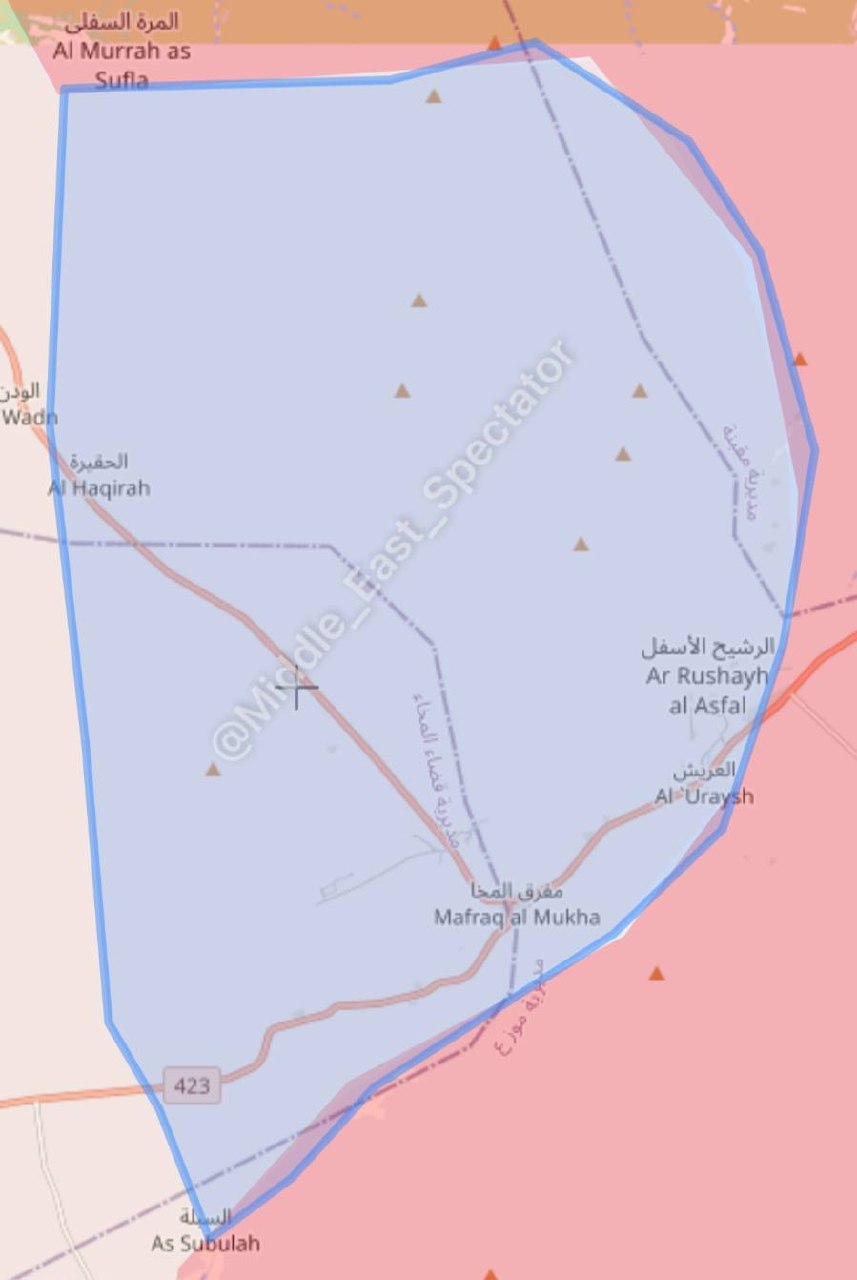
Concurrently, ground movements on the Red Sea coast intensified. At 02:00 GMT, the CIG_telegram channel documented that Houthi (Ansarallah) forces launched a coordinated offensive in the port city of Mokha, capturing several strategic positions after heavy fighting with Saudi‑backed troops. Video evidence shared by the channel shows Houthi fighters consolidating control over a former government checkpoint and establishing defensive lines along the coastal road.
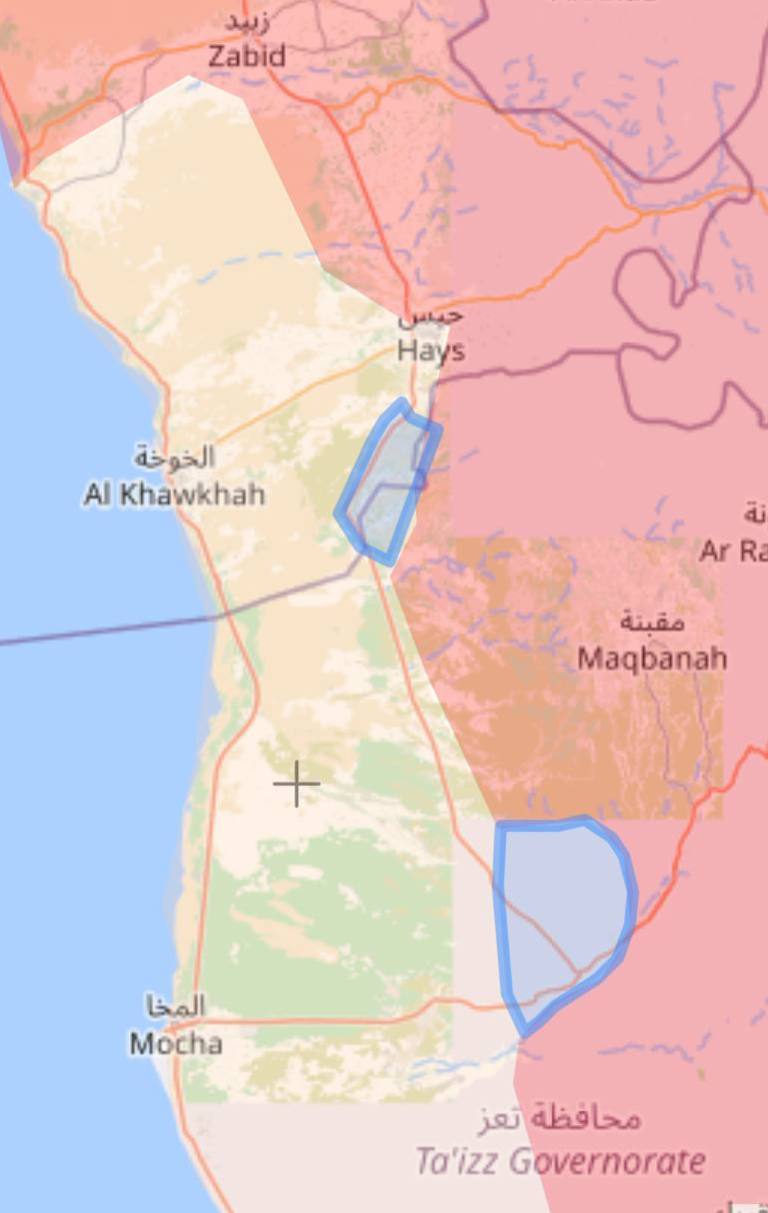
Within the same hour, additional reports indicated the capture of the towns of Al‑‘Uraysh and Mafraq Al‑Mukha, located on the 423 Road that links Mokha to inland supply routes. The seizure of these settlements effectively isolates the city’s northern approaches and threatens the security of the nearby oil terminal.
"Ansarallah (Houthi) forces have captured the towns of Al‑‘Uraysh and Mafraq Al‑Mukha, on the 423 Road to the port city of Mokha," CIG_telegram, 14 Aug 2026, https://t.me/CIG_telegram/82218
Strategic Road Disruptions
Further compounding the tactical gains, Houthi units cut the Taiz‑Al Hodeidah highway south of Hays in the Al‑Khawkha sector. This disruption severs a critical supply corridor that has historically enabled the Saudi‑backed government to move troops, ammunition, and humanitarian convoys between the interior and the western coast. The blockage forces logistics to be rerouted through longer, less secure mountain passes, increasing transit times and exposing convoys to ambushes.
Satellite imagery released by independent analysts corroborates the road blockage, showing bulldozed sections and the placement of improvised explosive devices (IEDs) along the route. The loss of this artery not only hampers military resupply but also delays the delivery of essential goods to civilian populations in Taiz and Al Hodeidah provinces.
UN Warning on War Resumption
Amid the rapid territorial shifts, the United Nations issued a stark warning on 14 August that Yemen faces its highest risk of slipping back into full‑scale war since the 2022 truce. The UN statement, cited by Al Jazeera, highlighted the surge in both civilian and military casualties across multiple fronts, emphasizing that the recent escalation threatens to undo years of diplomatic progress.
"Yemen faces highest risk of returning to war since 2022 truce, UN warns," Al Jazeera, 14 Aug 2026, https://www.aljazeera.com/news/2026/8/14/yemen-faces-highest-risk-of-returning-to-war-since-2022-truce-un-warns
The UN’s assessment underscores the fragility of the ceasefire mechanisms that have held since late 2022, noting that renewed hostilities could exacerbate the humanitarian crisis, which already affects over 24 million Yemenis. The organization called for an immediate de‑escalation, urging all parties to respect humanitarian corridors and to engage in renewed dialogue under the auspices of the Saudi‑brokered peace process.
In sum, the synchronized drone campaign and ground offensives illustrate a deliberate Houthi strategy to pressure the Saudi‑backed government on multiple fronts. By targeting both aerial and terrestrial assets, the Houthis aim to erode the coalition’s operational depth while leveraging the resulting humanitarian strain to gain political leverage in forthcoming negotiations.