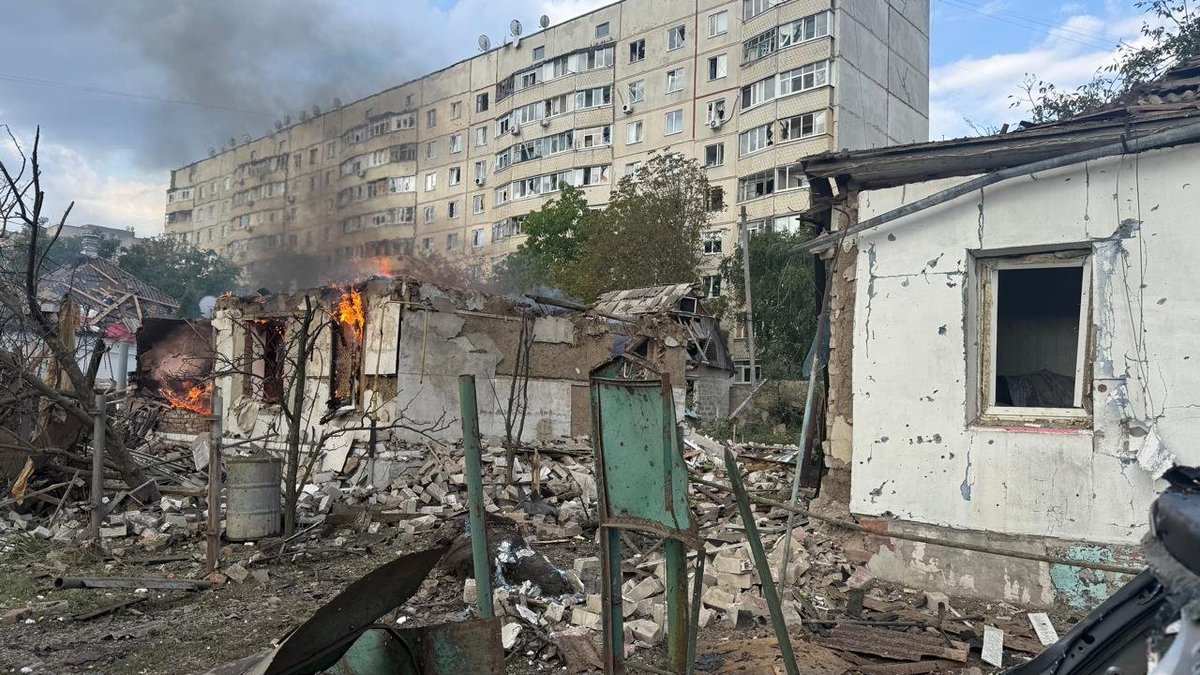
Over the past 24 hours, coordinated unmanned aerial vehicle (UAV) attacks in the Chernihiv and Sumy regions have resulted in the deadliest civilian toll recorded this week in the conflict. Sixteen civilians were killed and 115 injured, according to the Telegram channel monitor_the_situation (source link). The strikes, described as part of a broader wave of aerial assaults across Ukraine and Russia, underscore the escalating use of drones in kinetic operations.
Escalating Civilian Casualties Across Ukraine
The United Nations Human Rights Monitoring Mission reported that July 2026 saw 437 civilian deaths and 2,610 injuries in Ukraine, the highest monthly figures since May 2022 (AlJazeera, link). While the UN data do not attribute each casualty to a specific weapon system, the surge aligns with the recent intensification of UAV and artillery strikes documented by multiple open‑source monitors.
"July’s civilian death toll marks a grim milestone, reflecting the growing intensity of kinetic engagements and the widening impact on non‑combatants," the UN mission stated.
Russian Losses Reported by Ukrainian General Staff
In a separate development, the Ukrainian General Staff disclosed heavy Russian losses on 13 August in Donetsk Oblast. According to monitor_the_situation (link), Russian forces suffered 1,310 personnel casualties, the destruction of three tanks, three armored combat vehicles, 51 artillery pieces, one multiple‑launch rocket system (MLRS), one air‑defence system, 1,634 UAVs, and 12 ground‑radar complexes (GRCs). The report, corroborated by the NOELreports analysis channel, indicates a significant attrition rate, particularly in aerial assets.
Ground Offensive Dynamics: Russian Advances and Ukrainian Counter‑Moves
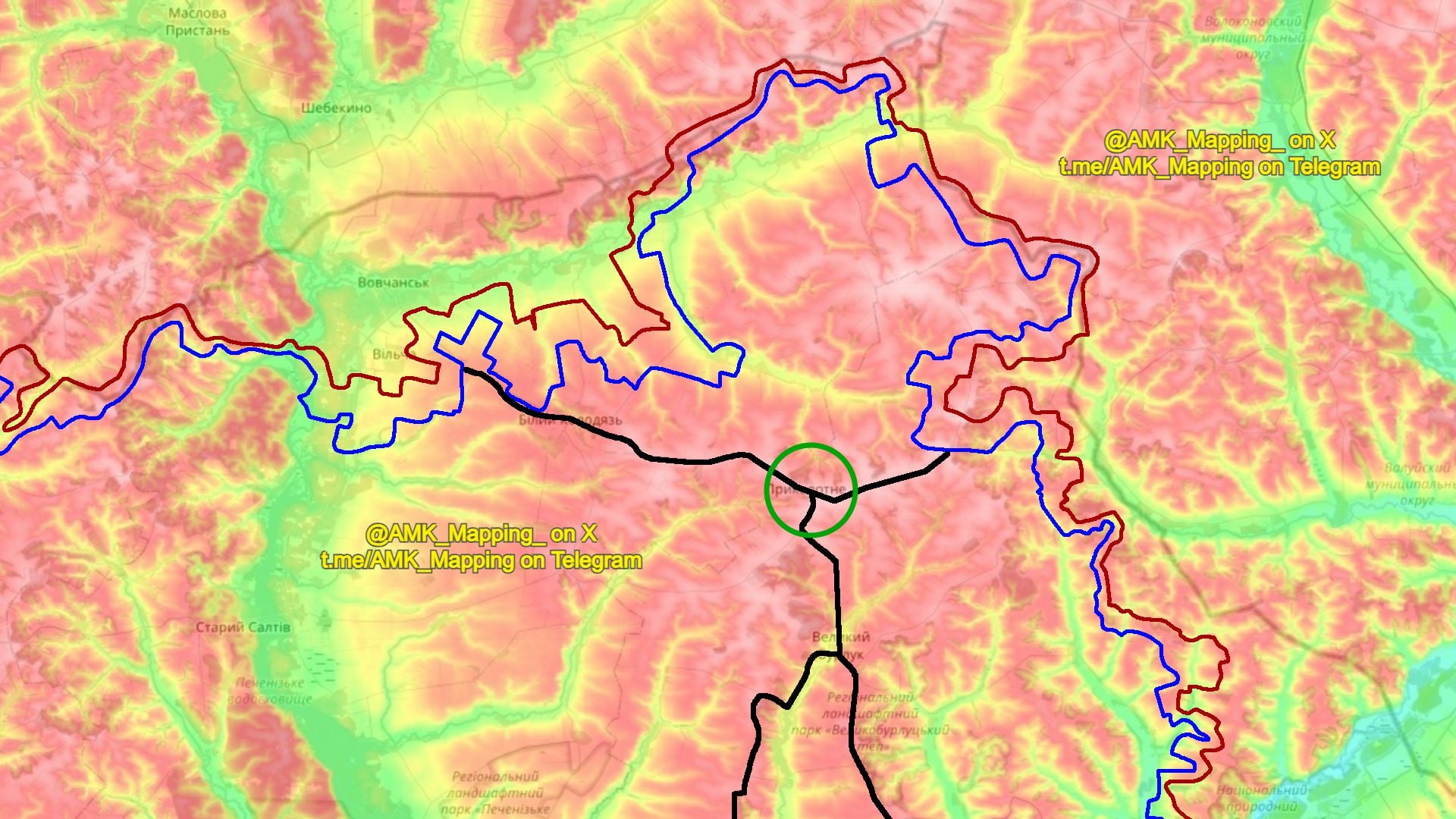
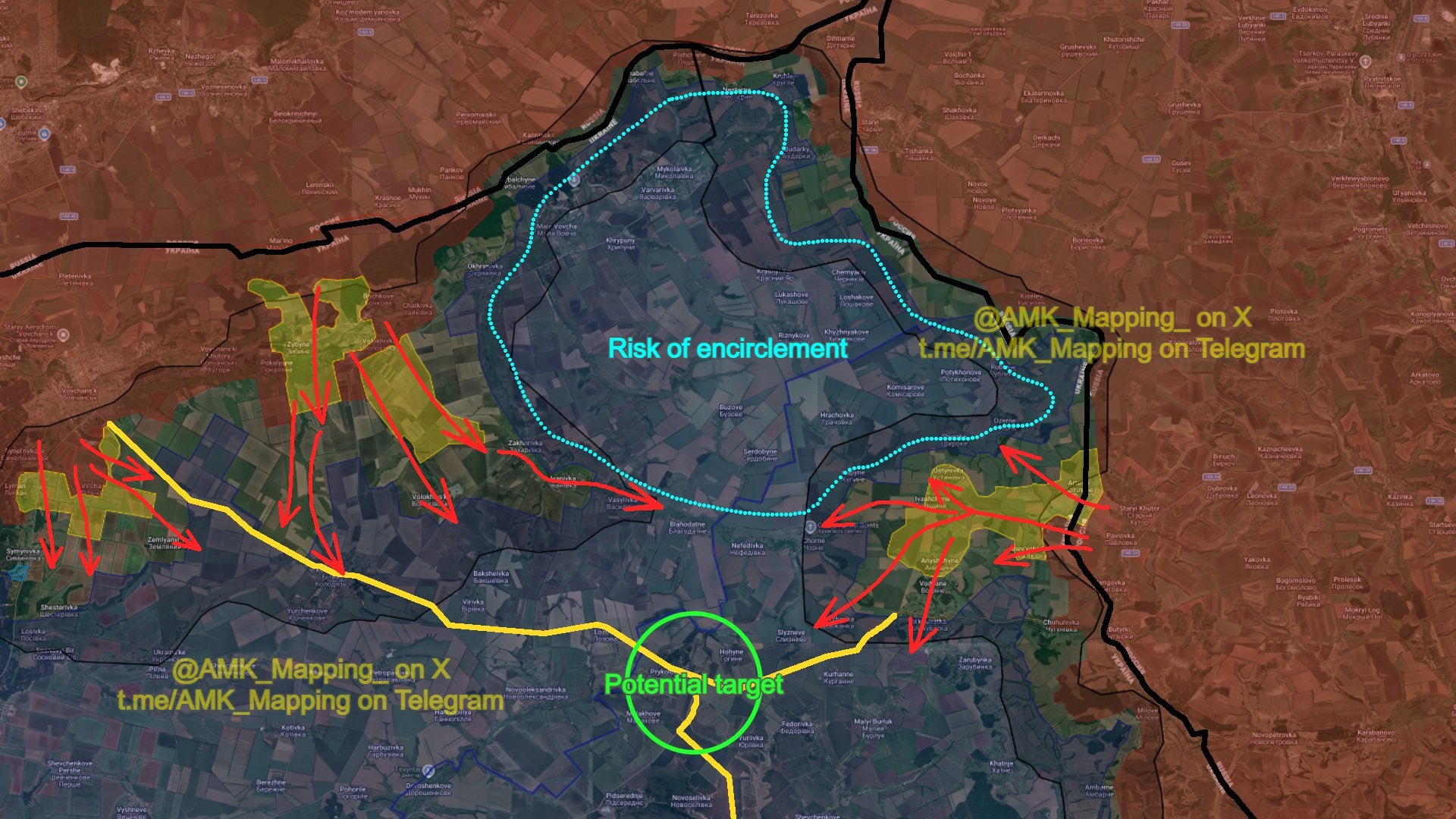
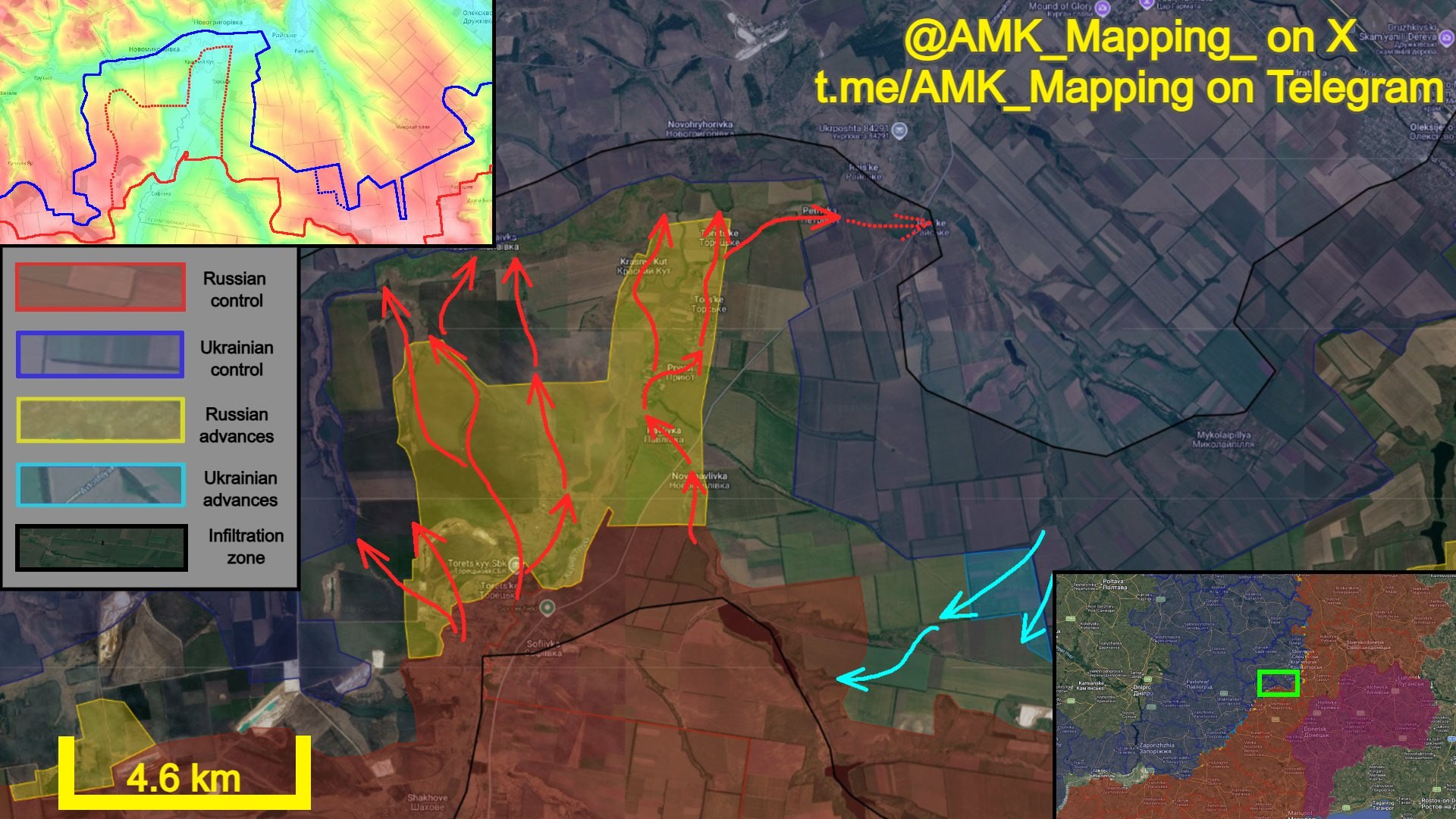
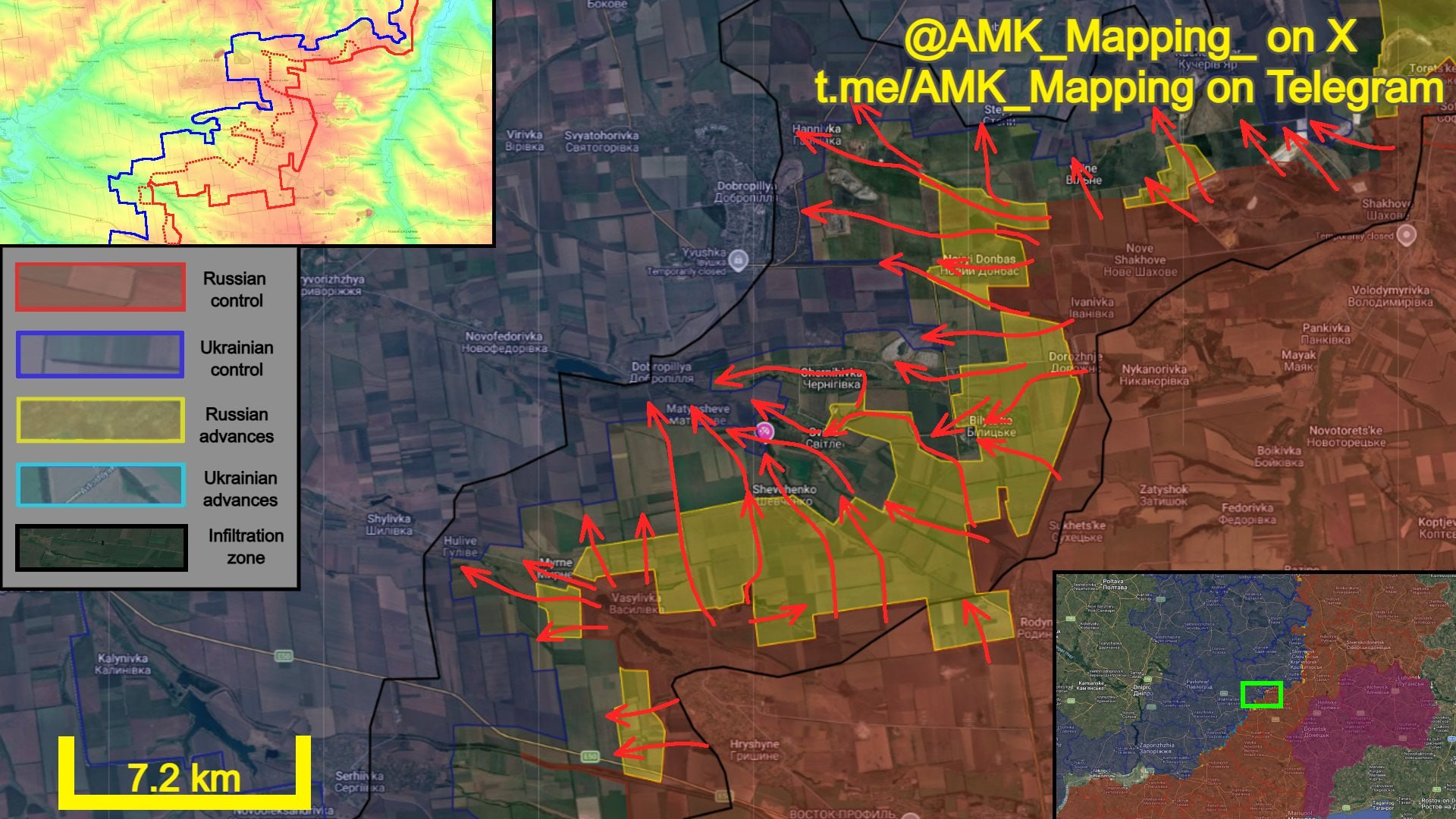
Multiple ground‑movement events illustrate a fluid front line. Russian forces launched a two‑pronged breakthrough in the Volchansk‑Prykolotnoye sector of Kharkiv Oblast, capturing a string of villages—including Artyolnoe, Ustinovka, Ivashchino, and others—and positioning within 8 km of a strategic Ukrainian salient (CIG_telegram, link). Simultaneously, in the Druzhkovka sector of Donetsk Oblast, Russian units broke a year‑long stalemate, seizing seven villages and advancing to within roughly 6 km of Druzhkovka (link).
Conversely, Ukrainian forces reported recapturing the village of Muravka in Dnipropetrovsk Oblast after three months of fighting (monitor_the_situation, link), and the village of Voskresenka in Donetsk Oblast was also reclaimed (link). These localized gains suggest a contested environment where territorial control shifts frequently.
UAV and Loitering Munition Activity
Drone warfare remains a central feature of the conflict. Russian FPV drones struck a civilian car in Kramatorsk, injuring a man (monitor_the_situation, link). In Odesa Oblast, a Russian Geran‑4 loitering munition destroyed a locomotive on the Odesa‑Dnipro railway, halting freight movement (intelslava, link). Ukrainian border guard operators from the Izmail detachment employed FPV drones to attack Russian personnel, an artillery system, vehicles, a UAV control point, an electronic‑warfare system, and a communications antenna in northern Ukraine (link).
Russian forces, in turn, deployed pixel‑lock guided FPV drones near Dobropillia, enabling precision strikes despite video‑jamming attempts (link). Ukrainian forces also reported Geran‑4 loitering munitions striking a repair train and locomotive near Rozdilna and Stari Shompoly in Odesa Oblast (intelslava, link).
Air‑Defense Interceptions
The Ukrainian 208th Anti‑Aircraft Missile Brigade successfully engaged Russian Geran‑4 attack drones over the Donbas region using U.S.-made MIM‑23 Hawk missiles (monitor_the_situation, link). Conversely, the Russian 50th Separate “VARYAG” Brigade shot down Ukrainian drones over Kherson Oblast (intelslava, link), highlighting the contested airspace over both sides of the front.
Missile and Rocket Strikes on Strategic Assets
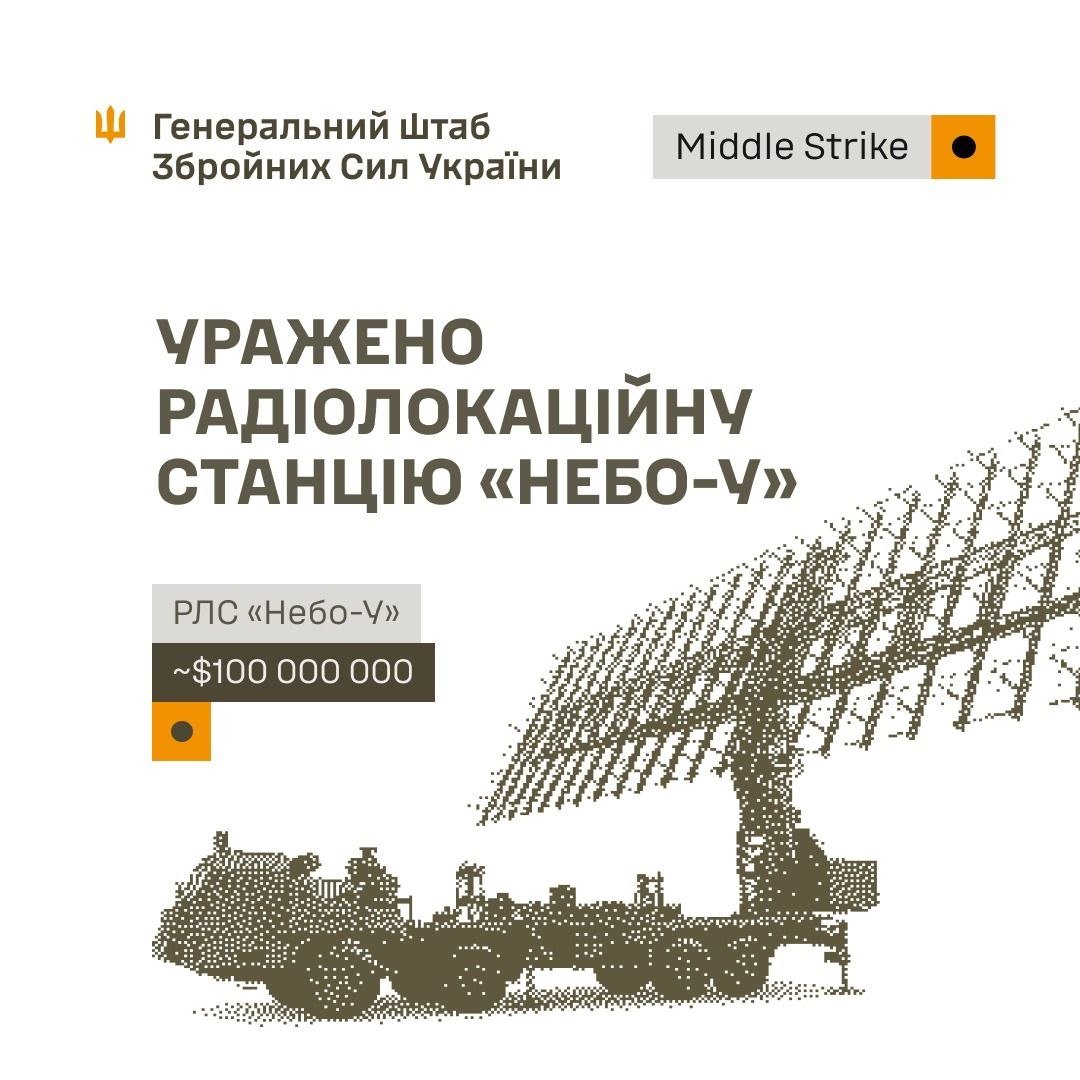
Ukraine’s General Staff announced a series of missile strikes targeting Russian infrastructure: a Nebo‑U radar in Sevastopol, a UAV control point near Myrne (Zaporizhzhia Oblast), fuel and ammunition depots near Dovzhansk and Novyi Hai, a logistics depot near Kalanchak, and a troop concentration near Butyrky in Belgorod region (monitor_the_situation, link). In response, Russian forces hit the Novorossiysk grain export terminal on the Black Sea, damaging the facility (AlJazeera, link).
Additional rocket attacks were reported in Myrne, Donetsk Oblast, and a fire erupted at a Ukrainian port in Odesa following a Russian strike, prompting President Zelenskyy to call for additional Patriot interceptors (AlJazeera, link).
Humanitarian Incidents in Occupied Crimea
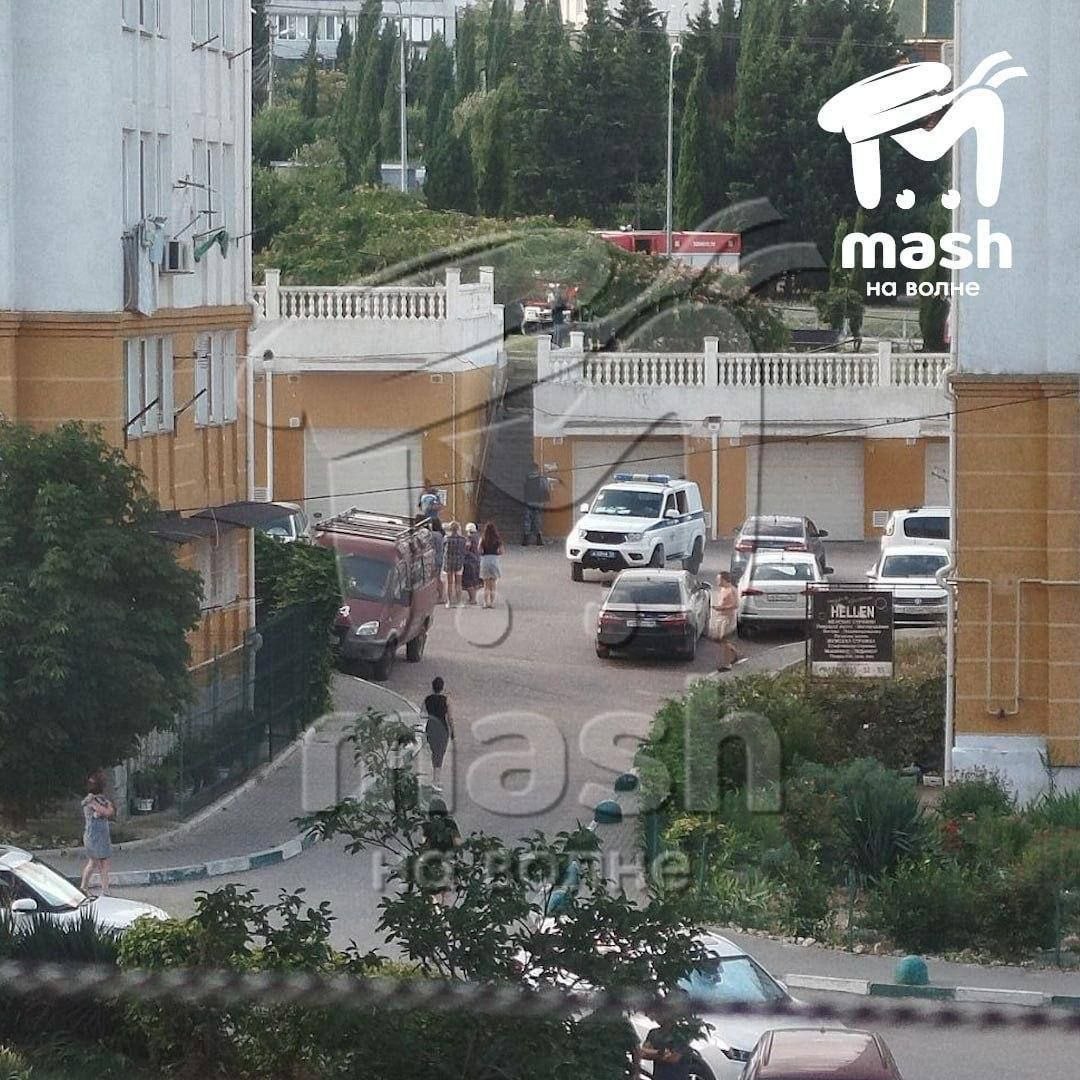
In Sevastopol, five individuals—including four emergency‑service pyrotechnicians—were killed while clearing unexploded ordnance left after a Ukrainian attack (intelslava, link). Earlier, a bomb placed in a trash bin on Stoletovsky Avenue killed former Ukrainian submarine commander Robert Shageev (monitor_the_situation, link), and a separate explosive device detonated in a trash can on Stoletovsky Prospekt, killing a man (intelslava, link). These incidents illustrate the lingering dangers of unexploded munitions and targeted assassinations in the occupied peninsula.
Analytical Summary
The convergence of high‑intensity UAV attacks, extensive ground offensives, and targeted strikes on critical infrastructure indicates a marked escalation in kinetic operations across Ukraine. While Ukrainian forces claim significant Russian attrition—particularly in aerial platforms—the continued civilian toll, especially from drone strikes in Chernihiv and Sumy, raises concerns about compliance with international humanitarian law. The fluid front lines, evidenced by rapid territorial changes in Kharkiv, Donetsk, and Dnipropetrovsk oblasts, suggest that both sides are seeking to exploit operational windows before the onset of winter.