On 13 August 2026 a massive explosion ripped through an ammunition plant located near Rome, Italy. The facility is owned by the Franco‑German defence conglomerate KNDS, a principal supplier of munitions to Ukraine. The blast, reported by the CIG_telegram channel at 16:46 UTC, caused extensive structural damage and prompted immediate emergency response, though no casualty figures have been released as of the time of reporting. The incident underscores the vulnerability of European defence‑industry sites that support frontline states.
"Massive explosion tears through an ammunition plant near Rome owned by Franco‑German defense giant KNDS, a major supplier of weapons systems and munitions to Ukraine." – CIG_telegram, https://t.me/CIG_telegram/82173
The plant’s proximity to major transport corridors raises questions about supply‑chain resilience for Ukraine and the broader European defence market. While the exact cause of the blast remains under investigation, preliminary assessments suggest a possible accidental detonation of stored munitions. The event has prompted heightened security alerts across Italy and neighboring states, with the Ministry of Defence coordinating with KNDS to secure remaining stockpiles.
Houthi Naval Blockade Threatens Saudi Shipping
Earlier in the day, the Al Jazeera network reported that Yemen’s Houthi movement announced a new naval blockade aimed at Saudi Arabian maritime traffic. The declaration, made at 06:21 UTC, signals a potential escalation in the Red Sea theatre, where Houthi‑linked missile and drone attacks have intermittently disrupted commercial shipping since 2015. The blockade could effectively halt the flow of oil and goods through the Bab al‑Mandeb strait, raising the risk of a broader confrontation with Saudi Arabia.
"Will the Houthis shut down Saudi Arabian shipping? The announcement of a new naval blockade threatens to restart full‑scale war between Yemen's Houthis and Saudi Arabia." – AlJazeera, https://www.aljazeera.com/video/project-force-2/2026/8/13/will-the-houthis-shut-down-saudi-arabian-shipping?traffic_source=rss
Regional navies, including the United States Fifth Fleet, have already increased patrols in the area, and Saudi authorities are reportedly preparing contingency plans for rerouting vessels.
US Carrier Group Transits Singapore Strait
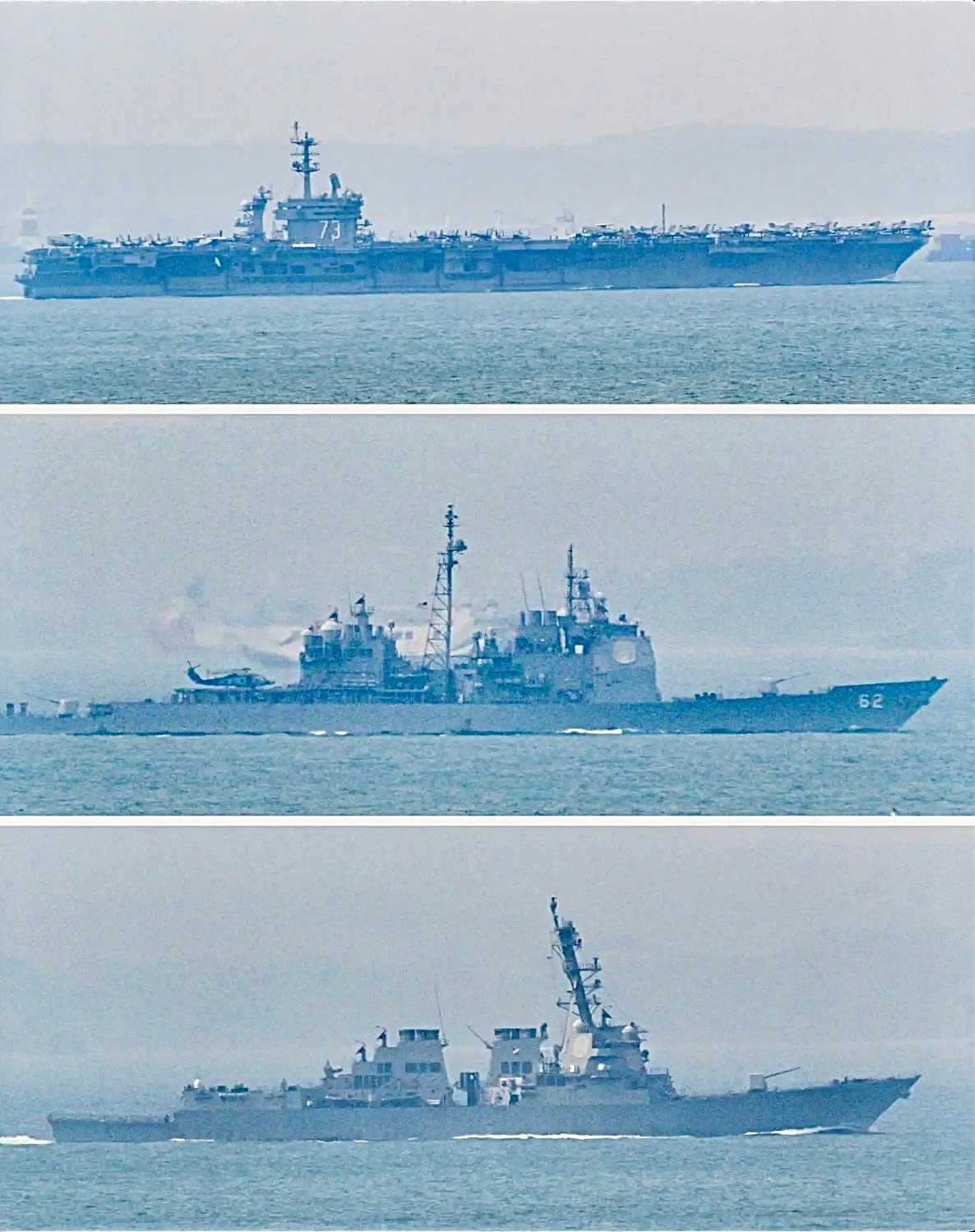
At 15:54 UTC, the CIG_telegram channel posted photographs of the US Navy carrier strike group comprising the Nimitz‑class aircraft carrier USS George Washington (CVN‑73), the Ticonderoga‑class cruiser USS Robert Smalls (CG‑62), and the Arleigh Burke‑class destroyer USS Shoup (DDG‑86) moving westbound through the Singapore Strait. Analysts interpret the movement as a repositioning to relieve the USS Abraham Lincoln in the Indo‑Pacific, reflecting continued US commitment to freedom of navigation in contested waters.
"USS George Washington, USS Robert Smalls and USS Shoup photographed traveling westbound in the Singapore Strait – likely to relieve the USS Abraham Lincoln." – CIG_telegram, https://t.me/CIG_telegram/82167
The transit underscores the strategic importance of the Strait as a chokepoint for global trade and as a venue for power projection by major navies.
Russian UAV Incursions Over Romania Prompt NATO Response
Three separate incursions by Russian unmanned aerial vehicles (UAVs) entered Romanian airspace within a 24‑hour period, as reported by the monitor_the_situation channel at 15:19 UTC. NATO scrambled fighter jets in an unprecedented coordinated response, marking a notable escalation in the alliance’s eastern flank vigilance.
"Russian Drones Violate Romanian Airspace 3 Times in 24 Hours – NATO scrambles jets in an unprecedented response." – monitor_the_situation, https://t.me/monitor_the_situation/27642
The drones, identified as reconnaissance platforms, did not engage targets but demonstrated the expanding reach of Russian UAV operations in NATO airspace.
Ukrainian Phoenix Regiment Claims 250 Drone Kills in July
According to a video released by the same monitor_the_situation channel at 11:50 UTC, Ukraine’s Phoenix unmanned‑systems regiment reported shooting down 250 Russian UAVs in July. The tally includes a mix of strike drones—Molniya, KUB, Gerbera, Shahed, and Lancet—and reconnaissance types. The regiment’s success reflects the maturation of Ukrainian air‑defence tactics against a high‑volume UAV threat.
"Ukrainian Phoenix unmanned systems regiment says its interceptor‑drone pilots destroyed 250 Russian fixed‑wing UAVs in July, including strike drones Molniya, KUB, Gerbera, Shahed and Lancet." – monitor_the_situation, https://t.me/monitor_the_situation/27628
While the figures are self‑reported, they align with broader assessments that Ukrainian air‑defence units have increased interception rates through integrated radar‑guided systems and portable air‑defence missiles.
Russian Hexacopter and Drone Strikes on Ukrainian Positions
Two separate reports from the intelslava channel detail Russian UAV activity against Ukrainian forces. At 11:35 UTC, footage showed the 36th Guards Combined Arms Army deploying “Mangas” heavy hexacopters to strike Ukrainian strongpoints. These six‑rotor platforms, equipped with precision‑guided munitions, represent an evolution in Russian low‑altitude strike capability.
"Operators of the ‘Mangas’ heavy hexacopters from the 36th Guards Combined Arms Army conduct strikes on Ukrainian strongpoints." – intelslava, https://t.me/intelslava/92527
Later, at 11:25 UTC, the “Sirin” Unmanned Systems Battalion was reported to have targeted Ukrainian supply routes, disrupting logistics to front‑line units.
"Sirin Unmanned Systems Battalion conducts strikes against Ukrainian supply routes, degrading their ability to sustain operations." – intelslava, https://t.me/intelslava/92526
Both incidents illustrate Russia’s diversification of UAV assets beyond the widely reported Shahed loitering munitions.
Russian Drone Swarm Over Ukraine
At 07:57 UTC, monitor_the_situation posted that Russia launched a swarm of 133 drones against Ukraine overnight. Ukrainian air‑defence forces reported downing or suppressing 11 of the drones across 15 strike locations, with debris observed at 16 sites. The swarm included Shahed loitering munitions, jet‑powered variants, Gerbera strike drones, and Parodiya decoys, indicating a layered attack strategy designed to overwhelm defensive systems.
"Russia Launches 133 Drones at Ukraine Overnight – Ukrainian air defenses downed or suppressed 11 of 133 drones across multiple locations." – monitor_the_situation, https://t.me/monitor_the_situation/27609
The limited interception rate underscores the challenges faced by Ukrainian air‑defence networks in countering high‑volume, mixed‑type UAV attacks.
Israel Receives Large‑Scale Military Equipment Shipment
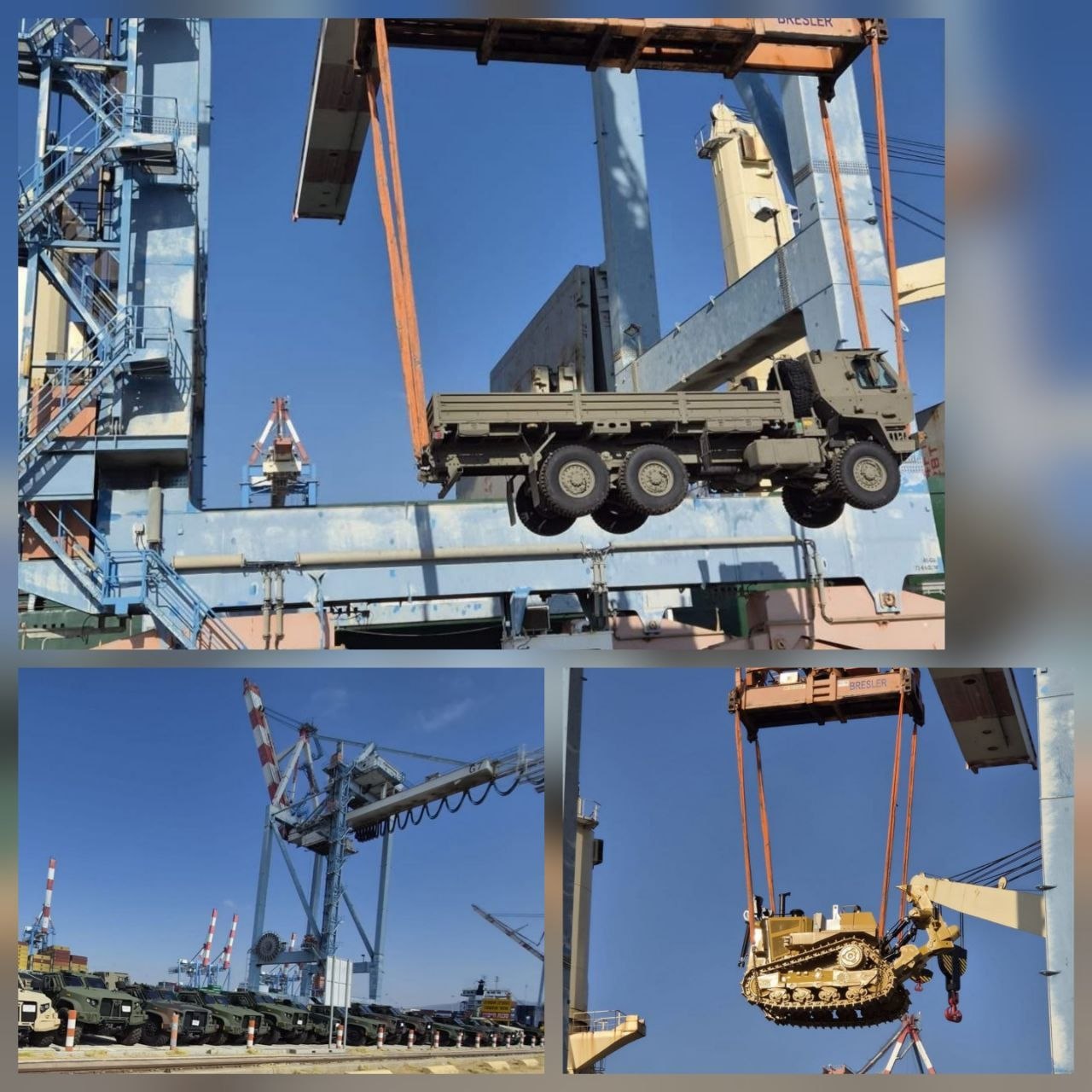
At 10:57 UTC, the idkunim_il channel reported that Israel’s Ministry of Defence and the IDF completed a special procurement operation delivering thousands of tons of military equipment, including D9 bulldozers and various combat vehicles. The shipment, part of a broader effort to reinforce ground capabilities, reflects Israel’s ongoing modernization and readiness posture amid regional tensions.
"Thousands of tons of military equipment, including D9 bulldozers and combat vehicles, have arrived in Israel as part of a special procurement and transport operation by the Ministry of Defense and the IDF." – idkunim_il, https://t.me/idkunim_il/62485
The arrival of heavy engineering assets such as D9 bulldozers suggests preparation for both combat engineering and civil‑defence tasks.
Fiber‑Optic Technicians Engage Ukrainian Forces in Combat
Finally, at 06:16 UTC, intelslava shared a video showing fiber‑optic technicians in direct combat with Ukrainian Armed Forces personnel. While the context of the encounter remains unclear, the footage highlights the increasingly blurred lines between civilian infrastructure work and frontline engagements in contested zones.
"Footage of fiber optic technicians engaging Ukrainian Armed Forces personnel in combat." – intelslava, https://t.me/intelslava/92512
Such incidents raise concerns about the protection of critical communications infrastructure and the potential for civilian actors to become inadvertent combatants.