Ukrainian forces announced the liberation of 745 square kilometres in the Oleksandrivka sector of Kherson Oblast, marking the most significant ground advance reported on 12 August 2026. President Volodymyr Zelenskyy cited the operation as part of a broader counteroffensive that has inflicted at least 9,550 Russian fatalities and wounded over 6,600 troops since January, according to the monitoring channel monitor_the_situation.
🟠 Ukraine Liberates 745 Sq Km in Oleksandrivka Sector
The advance was achieved by combined arms units advancing from the north and south of the sector, supported by artillery and drone‑guided munitions. Ukrainian officials confirmed that the reclaimed area includes several villages and key road junctions, improving logistical lines for further operations toward the Dnipro River.
Escalation of Russian UAV Activity Over Kyiv
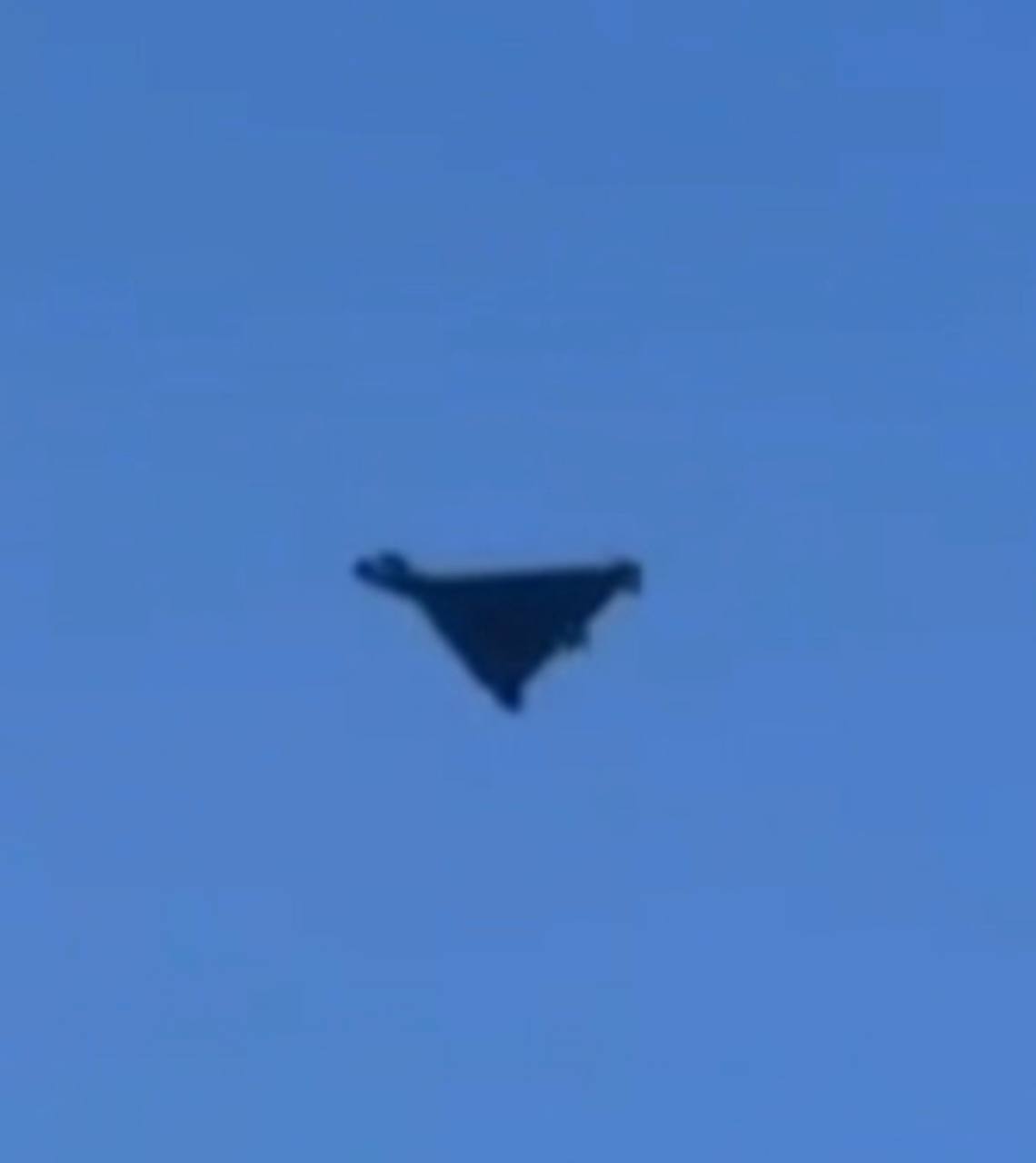
Concurrent with the ground gains, Kyiv experienced a large‑scale drone offensive attributed to Russian forces. The rnintel channel reported multiple explosions across the capital as air defenses engaged a swarm of unmanned aerial systems. While exact numbers were not disclosed, the intensity of the attack forced temporary closures of several metro stations and prompted the activation of the city’s integrated air‑defence network.
In addition, a separate incident in Kherson Oblast saw a Russian drone from the 18th Combined Arms Army drop a grenade onto a civilian vehicle, causing injuries but no fatalities (monitor_the_situation).
Ukrainian Airborne Assault Expands Control in Zaporizhzhia
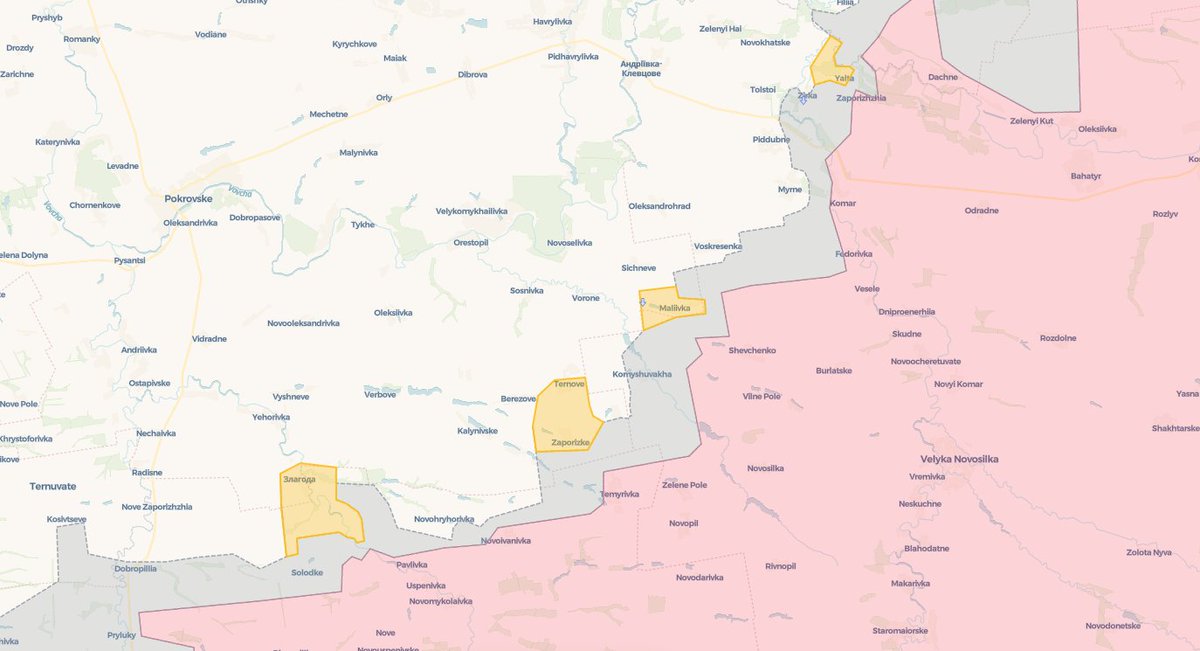
Later in the day, Ukraine’s Airborne Assault Forces seized eight settlements in Zaporizhzhia Oblast, adding roughly 39.7 sq km to the front line. The captured localities—Yalta, Maliivka, Ternove, Zaporizke, Zlahoda, Krasnohirs'ke, Rybe, and Pryvillne—were confirmed via satellite imagery and on‑the‑ground reports (monitor_the_situation).
The operation involved coordinated helicopter insertions and close‑air support, with no reported Ukrainian casualties. Russian defensive positions in the area were reported to have suffered significant material losses, though exact figures remain unverified.
Targeted UAV Strikes on Russian Logistics in Luhansk
Ukraine’s 8th Regiment deployed middle‑strike UAVs against Russian logistical routes in Luhansk Oblast, destroying nine heavy and five light vehicles and killing seven Russian soldiers (monitor_the_situation). The drones, equipped with precision‑guided munitions, were launched from forward operating bases near the front line and intercepted by Russian air‑defence systems only after completing their strike runs.
Russian Missile and Drone Threats to Ukrainian Infrastructure
Multiple missile and drone threats were recorded across Ukrainian territory on 12 August. In Mykolaiv Oblast, explosions were reported following the approach of Russian Tornado‑S rockets toward Bashtanka (monitor_the_situation). Simultaneously, two Kh‑59/69 cruise missiles were detected heading for Yuzhnyi Port in Odesa Oblast, prompting the activation of coastal defence batteries (monitor_the_situation).
In Kyiv, a Russian FPV drone attacked firefighters and damaged a fire truck in Kramatorsk, Donetsk Oblast, highlighting the expanding use of low‑altitude, high‑speed drones against emergency services (monitor_the_situation).
Historical Context: Damage to Cultural Heritage
While not a 2026‑2028 event, the ongoing conflict’s impact on cultural sites remains relevant. A Russian missile strike on 15 June 2026 ignited the roof of the Assumption Cathedral at the Kyiv‑Pechersk Lavra, causing extensive damage to UNESCO‑listed icons and structures (monitor_the_situation). The incident underscores the broader risk to heritage sites amid intensified kinetic operations.
Operational Assessment
The juxtaposition of Ukrainian territorial gains with a surge in Russian UAV and missile activity illustrates a dynamic battlefield where both sides are leveraging precision strike capabilities. Ukrainian forces appear to be consolidating gains in the south while simultaneously disrupting Russian supply lines in the east through targeted drone strikes. Russian forces, in turn, are intensifying aerial harassment of Ukrainian urban centres and critical infrastructure, aiming to degrade morale and logistical capacity.
Air‑defence performance remains a critical factor. Ukrainian systems successfully intercepted a portion of the Kyiv drone swarm, yet the sheer volume of attacks suggests a need for expanded coverage and rapid‑reaction assets. Conversely, Russian air‑defence units reported limited success against Ukrainian UAV incursions in Luhansk, indicating potential gaps in their layered defence architecture.