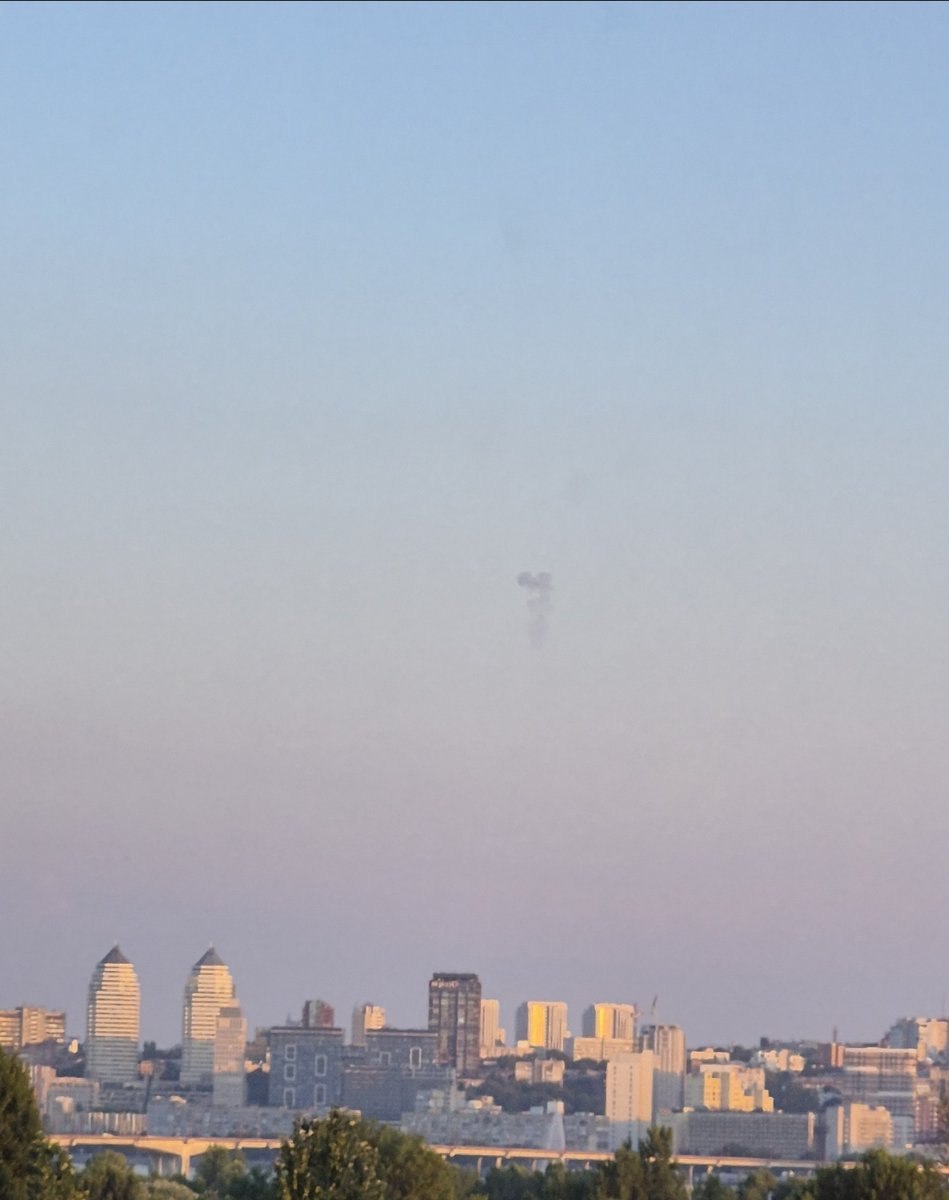
At 02:09 UTC on 12 August 2026, Russian forces launched an Iskander‑M ballistic missile equipped with a cluster warhead at western Dnipro, Ukraine. The strike ignited a large fire in a residential‑industrial zone, prompting an immediate emergency response. No civilian casualties were reported in the initial assessment, but the explosion damaged multiple structures and disrupted power supplies. The incident was documented by the Telegram channel monitor_the_situation and accompanied by a photograph of the blaze.
"Russia fired an Iskander‑M ballistic missile with a cluster warhead at western Dnipro, causing a fire." – monitor_the_situation, 02:09 UTC, 12 Aug 2026 (https://t.me/monitor_the_situation/27515)
Geran‑4/5 Jet‑Drone Assault on Brovary
At 03:16 UTC, Russian‑operated Geran‑4/5 jet‑drones penetrated the airspace over Brovary, a city in Kyiv Oblast. The unmanned aircraft released multiple munitions, producing a series of explosions that were reported across the municipal area. Local authorities confirmed damage to several civilian buildings and a temporary suspension of public transport. The attack was reported by the same monitoring channel, which provided video footage of the explosions.
"Russian Geran‑4/5 jet‑drones attacked the city of Brovary in Kyiv Oblast, Ukraine, causing explosions across the city." – monitor_the_situation, 03:16 UTC, 12 Aug 2026 (https://t.me/monitor_the_situation/27521)
Kh‑31P Anti‑Radar Missile Strike in Rybakivka
Shortly before the Brovary incident, at 03:15 UTC, a Russian Kh‑31P anti‑radar missile impacted the village of Rybakivka in Mykolaiv Oblast. The missile, designed to neutralise enemy radar installations, struck a known radar site without causing reported injuries. Damage to the radar array was confirmed by satellite imagery, suggesting a targeted effort to degrade Ukrainian air‑defence capabilities. The event was also recorded by monitor_the_situation.
"A Russian Kh‑31P anti‑radar missile struck Rybakivka in Mykolaiv Oblast, Ukraine, with no casualties reported." – monitor_the_situation, 03:15 UTC, 12 Aug 2026 (https://t.me/monitor_the_situation/27520)
Large‑Scale Geran‑2 Drone Campaign Over Kherson
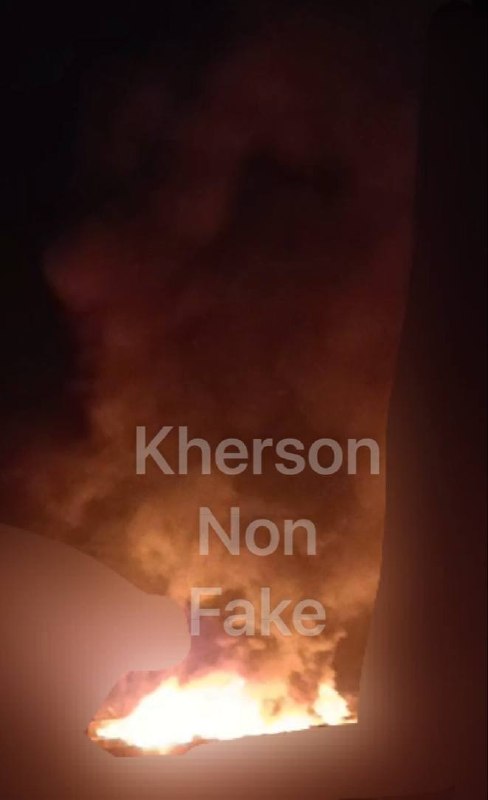
At 02:24 UTC, a coordinated swarm of Geran‑2 drones targeted Kherson’s Dniprovs’kyi district and adjacent zones. The drones focused on energy infrastructure, igniting large fires that threatened the Kherson Thermal Power Plant and surrounding substations. Photographic evidence released by the monitoring channel showed flames engulfing transformer yards and visible smoke plumes over the city. The attack underscores a pattern of Russian strikes aimed at crippling Ukraine’s power grid during the summer heat season.
"Russia carried out a large‑scale Geran‑2 drone attack on Kherson, hitting energy infrastructure and sparking large fires." – monitor_the_situation, 02:24 UTC, 12 Aug 2026 (https://t.me/monitor_the_situation/27516)
Lancet Loitering Munition Hits Military Pickup Near Verovka
At 01:27 UTC, a Russian Lancet loitering munition equipped with an IRRA automated target‑recognition system struck a moving Ukrainian military pickup near the village of Verovka in the Dobropillia district of Donetsk Oblast. The munition’s precision guidance allowed it to engage a fast‑moving vehicle, resulting in the destruction of the vehicle and the death of at least two Ukrainian servicemen, according to the video released by the intelligence outlet intelslava.
"A Russian Lancet loitering munition, equipped with the IRRA automated target recognition and guidance system, struck a moving Ukrainian military pickup truck near Verovka." – intelslava, 01:27 UTC, 12 Aug 2026 (https://t.me/intelslava/92457)
Russian Ministry of Defence Claims Massive Drone Interception
In a separate development, the Russian Ministry of Defence announced at 05:44 UTC that its air‑defence forces had shot down 502 Ukrainian drones overnight. The claim, posted on the Telegram channel GeoPWatch, represents a significant escalation in the aerial contest over Ukrainian airspace. Independent verification of the figure is pending, but the statement reflects Moscow’s emphasis on portraying a robust defensive posture amid the intensified drone campaign launched by Kyiv.
Analytical Overview
The coordinated use of ballistic missiles, anti‑radar weapons, jet‑drones and loitering munitions on 12 August demonstrates a multi‑vector approach by Russian forces to pressure Ukrainian urban centres and critical infrastructure. The Iskander‑M strike on Dnipro marks the most severe single event of the day, employing a cluster warhead capable of dispersing sub‑munitions over a wide area, thereby increasing the risk of secondary damage and civilian harm. The Geran‑4/5 and Geran‑2 drone attacks illustrate a shift toward persistent, low‑altitude threats that can evade traditional radar detection, compelling Ukrainian air‑defence units to allocate additional resources to counter‑UAV systems.Targeting of radar installations with Kh‑31P missiles further indicates an intent to degrade early‑warning capabilities, potentially paving the way for subsequent aerial incursions. The Lancet loitering munition’s precision strike on a moving vehicle underscores the growing role of autonomous weapons in shaping battlefield outcomes, especially in contested ground‑level environments.Collectively, these actions reflect a concerted effort by Russian forces to combine kinetic strikes with electronic and psychological pressure, aiming to disrupt civilian life, strain emergency services, and erode confidence in the resilience of Ukraine’s critical infrastructure.