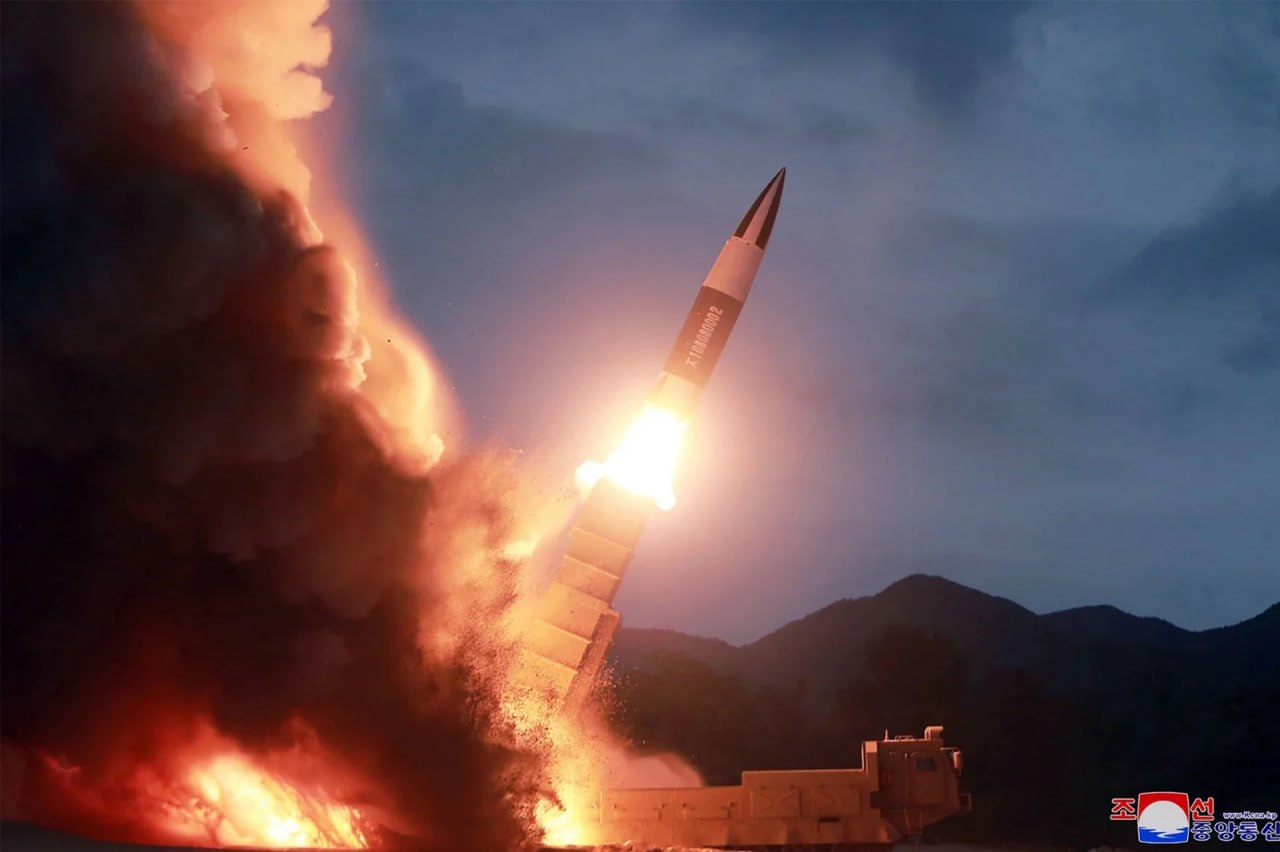
On 12 August 2026, the Democratic People’s Republic of Korea conducted a ballistic‑missile launch from the Wonsan coastal area toward the East Sea. The test, confirmed by the open‑source monitoring channel OSINTdefender, is part of a series of launches announced as a response to the upcoming joint United States‑South Korean military exercises. The missile travelled approximately 1,200 km before its trajectory was terminated by the Korean‑based early‑warning system, according to the channel’s post (see source). The launch underscores Pyongyang’s continued emphasis on strategic deterrence and its willingness to demonstrate operational readiness despite international sanctions.
“North Korea launched a ballistic missile from the Wonsan area toward the East Sea on August 12, 2026. This was part of a series of missile tests that North Korea has conducted in response to upcoming U.S.-South Korean military drills.” – OSINTdefender
Ukrainian Air‑Defense and Drone Operations
In the same 24‑hour window, Ukraine reported a series of unmanned‑system engagements that altered the tactical landscape on its front lines. At 15:21:54, a Ukrainian Air Force MiG‑29 intercepted and destroyed a Russian reconnaissance drone using an R‑73 air‑to‑air missile, as documented by the Telegram channel monitor_the_situation (source). The engagement demonstrates the Ukrainian Air Force’s growing proficiency in point‑defence against low‑observable aerial platforms.
Earlier, at 12:15:47, the 1st Separate Unmanned Systems Center claimed the destruction of “dozens” of Russian air‑defence batteries and radar stations in Leningrad Oblast, Russia. The strikes, carried out by Ukrainian drones, were said to open corridors for long‑range attacks on strategic assets such as the Ust‑Luga port, the Primorsk oil terminal, and the Novatek refinery. The channel monitor_the_situation provided video evidence of the operations (source). While exact casualty figures were not released, the removal of air‑defence coverage in the region could enable future high‑value strikes by Ukrainian long‑range missiles.
Russian Counter‑UAV Activity
Russia responded with its own unmanned‑system campaigns. At 11:55:38, the Phobos Unmanned Systems Battalion of the Smersh Brigade released footage of attacks on Ukrainian UAV command posts and associated military infrastructure (source). The video shows coordinated strikes using small‑scale UAVs equipped with kinetic payloads, highlighting the escalating use of autonomous platforms on both sides of the conflict.
Later, at 11:35:08, the 50th Separate “VARYAG” Brigade deployed Geran‑2/4 loitering munitions against a series of Ukrainian logistical targets, including two locomotives, multiple gas stations, a UAV launch vehicle, a logistics centre, and an oil refinery. The operation, reported by intelslava (source), underscores Russia’s reliance on expendable loitering munitions to disrupt supply chains and energy infrastructure deep within Ukrainian‑controlled territory.
Regional Violence Beyond the Eurasian Theatre
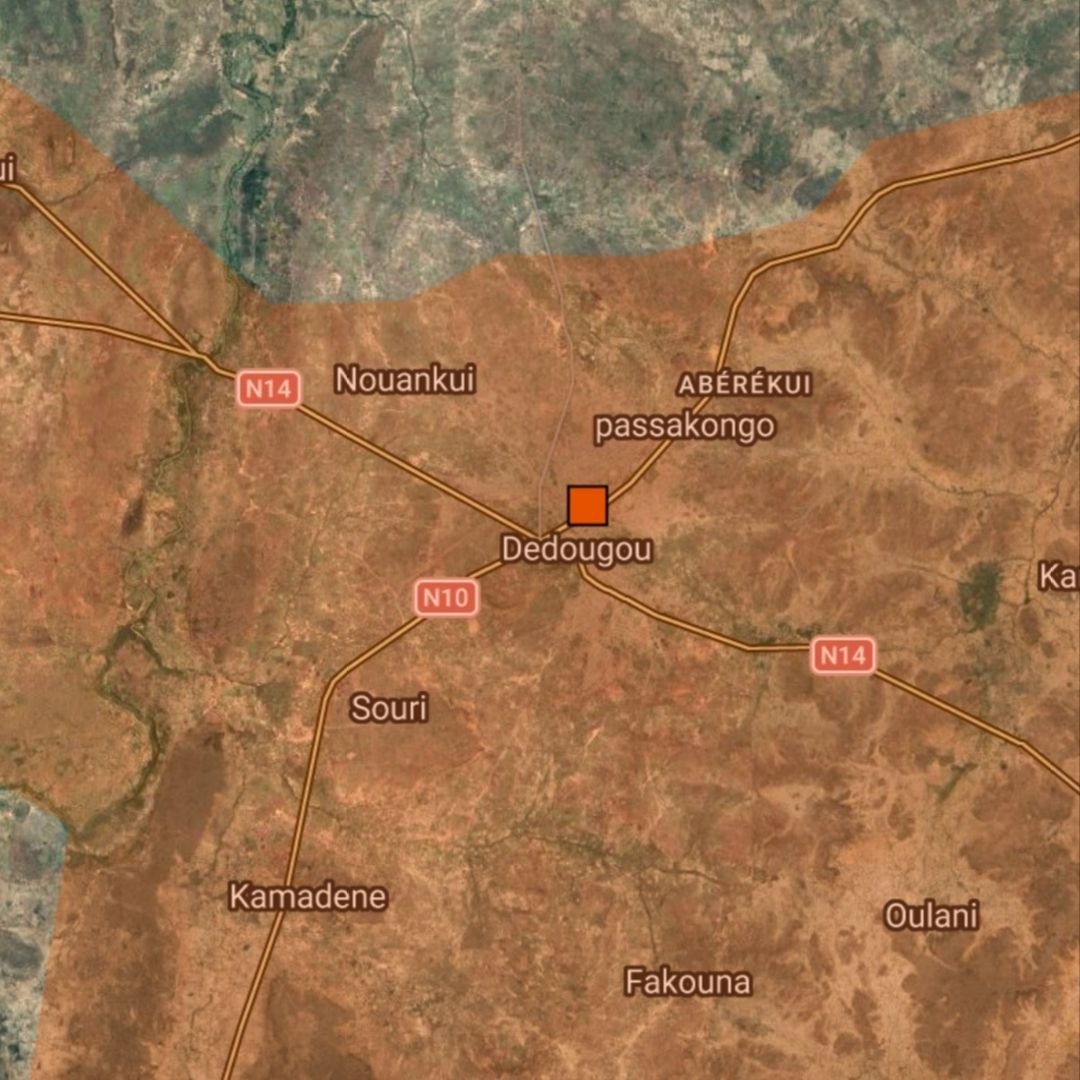
In West Africa, the Burkinabé army successfully repelled an attack by the Jama’at Nasr al‑Islam wal‑Sunna (JNIM) insurgents on the town of Dédougou, capital of the Bankui Region. According to GeoPWatch, the engagement resulted in the capture of several motorbikes and “heavy insurgent casualties” (source: GeoPWatch). While casualty numbers were not disclosed, the seizure of equipment suggests a decisive defensive outcome for Burkinabé forces.
Targeted Assassination in Iran
Separately, Iranian authorities are investigating the abduction, torture, and murder of Hamidreza Rajabzadeh, a pro‑government religious singer. BellumActaNews reported that Rajabzadeh disappeared on 4 August, was held captive for several days, and his family later received a graphic video showing his body with signs of torture and the removal of his heart (source). The Iranian Police are leading the investigation, though no group has claimed responsibility. The incident adds a layer of internal security tension within Iran.
Collectively, these events illustrate a pattern of kinetic engagements across multiple theatres: from strategic missile launches in East Asia to drone‑driven attrition in Eastern Europe, and insurgent confrontations in the Sahel. The prevalence of unmanned systems, both for surveillance and kinetic effect, signals a shift toward remote‑operated warfare that reduces personnel exposure while increasing the speed of strike cycles. Simultaneously, state actors continue to employ conventional ballistic capabilities to signal strategic intent, as seen in the North Korean test.