On 11 August 2026 at 08:42 UTC, a Russian ballistic missile struck the Shevchenkivskyi district of Kyiv, creating two large craters on the grounds of a children’s hospital. The impact was captured on video shared by the open‑source monitoring channel OSINTdefender. No official casualty figures have been released, and hospital officials have reported that the structures were not breached, limiting potential injuries.
Ballistic Missile Attack on Kyiv
The missile, identified as a conventional ballistic projectile, landed within the perimeter of the Kyiv City Children’s Hospital, a facility that serves the city’s southern districts. OSINTdefender’s post noted that the craters measured approximately 12 meters in diameter each, indicating a high‑explosive warhead. The source URL (https://t.me/OSINTdefender/19778) includes a video showing the immediate aftermath and the response of emergency services.
A recent Russian ballistic missile attack on Kyiv caused two large craters on the grounds of a children’s hospital in the Shevchenkivskyi district.
While the strike did not damage the hospital’s main building, the incident underscores the continued use of long‑range kinetic weapons against urban infrastructure, a pattern observed throughout the conflict.
Ukrainian Advances in Southern Donetsk
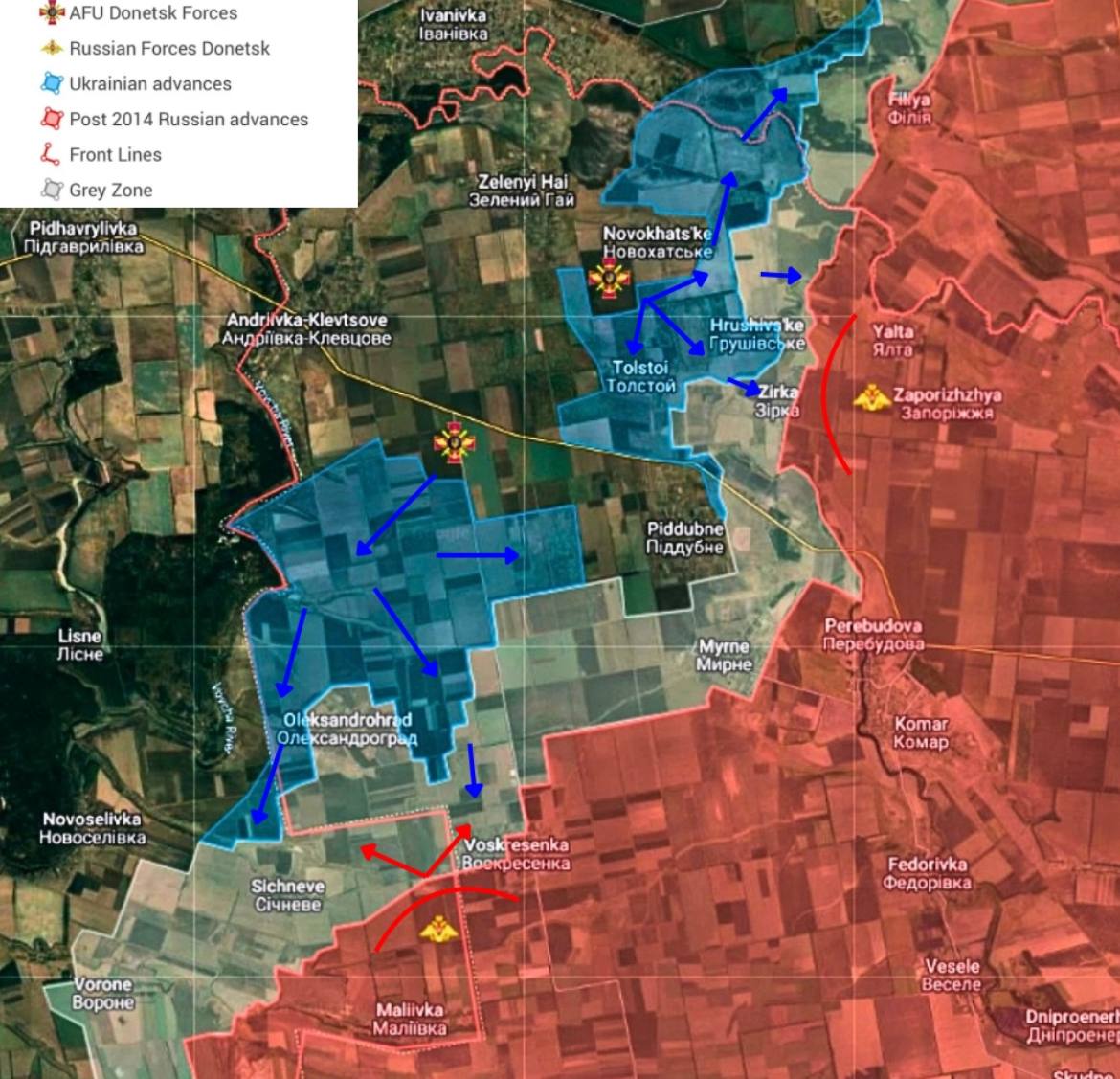
At 17:53 UTC, Ukrainian forces reported a forward movement in the southern sector of Donetsk Oblast near the Mokri Yaly river, north of the settlement of Komar. According to GeoPWatch, the Ukrainian Armed Forces pushed Russian troops back from the western bank of the river, securing positions on the eastern side. Photographic evidence posted by the channel shows Ukrainian units under fire in Tolstoi and northeast of Hrushivske, with the deepest confirmed advance recorded at Zirka.
The operation reflects a broader Ukrainian effort to exploit gaps in Russian defensive lines following recent artillery exchanges. No casualty numbers were disclosed, and the report did not specify the weapons employed, indicating a primarily infantry‑driven maneuver.
Russian Gains in Kharkiv Oblast
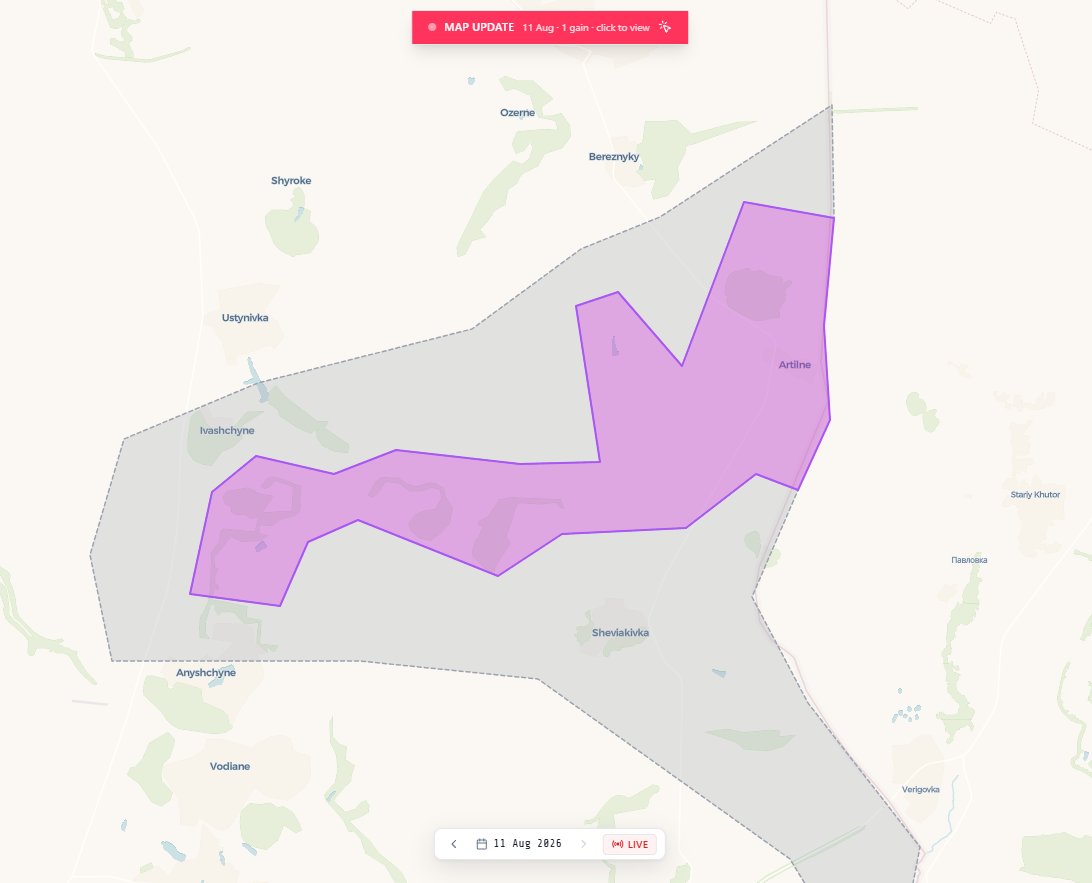
Simultaneously, at 17:37 UTC, the Telegram channel monitor_the_situation documented Russian troop movements originating from the border village of Artilne in Kharkiv Oblast. Russian forces occupied areas near Ivashchyne and engaged Ukrainian defenders in Anyshchyne on the Velykyi Burluk front. Control of these localities remains unverified by independent observers.
The advance follows a pattern of Russian attempts to reinforce positions along the Kharkiv border after a series of Ukrainian counter‑offensives earlier in the month. No artillery or armored assets were explicitly mentioned in the report.
Aerial Engagements and Drone Activity
In Kherson Oblast, the 50th Separate “VARYAG” Brigade of the Russian Aerospace Forces intercepted and destroyed multiple Ukrainian UAVs at 11:35 UTC, as shown in video released by intelslava. The footage confirms the use of short‑range air‑defence systems, though the specific missile type was not identified.
Earlier, at 10:37 UTC, Ukrainian forces employed a loitering munition to destroy a Russian P‑18 “Terek” radar installation in Donetsk Oblast. The strike, reported by monitor_the_situation, temporarily degraded Russian air‑defence coverage in the sector. Video evidence demonstrates the munition’s impact and the subsequent smoke plume.
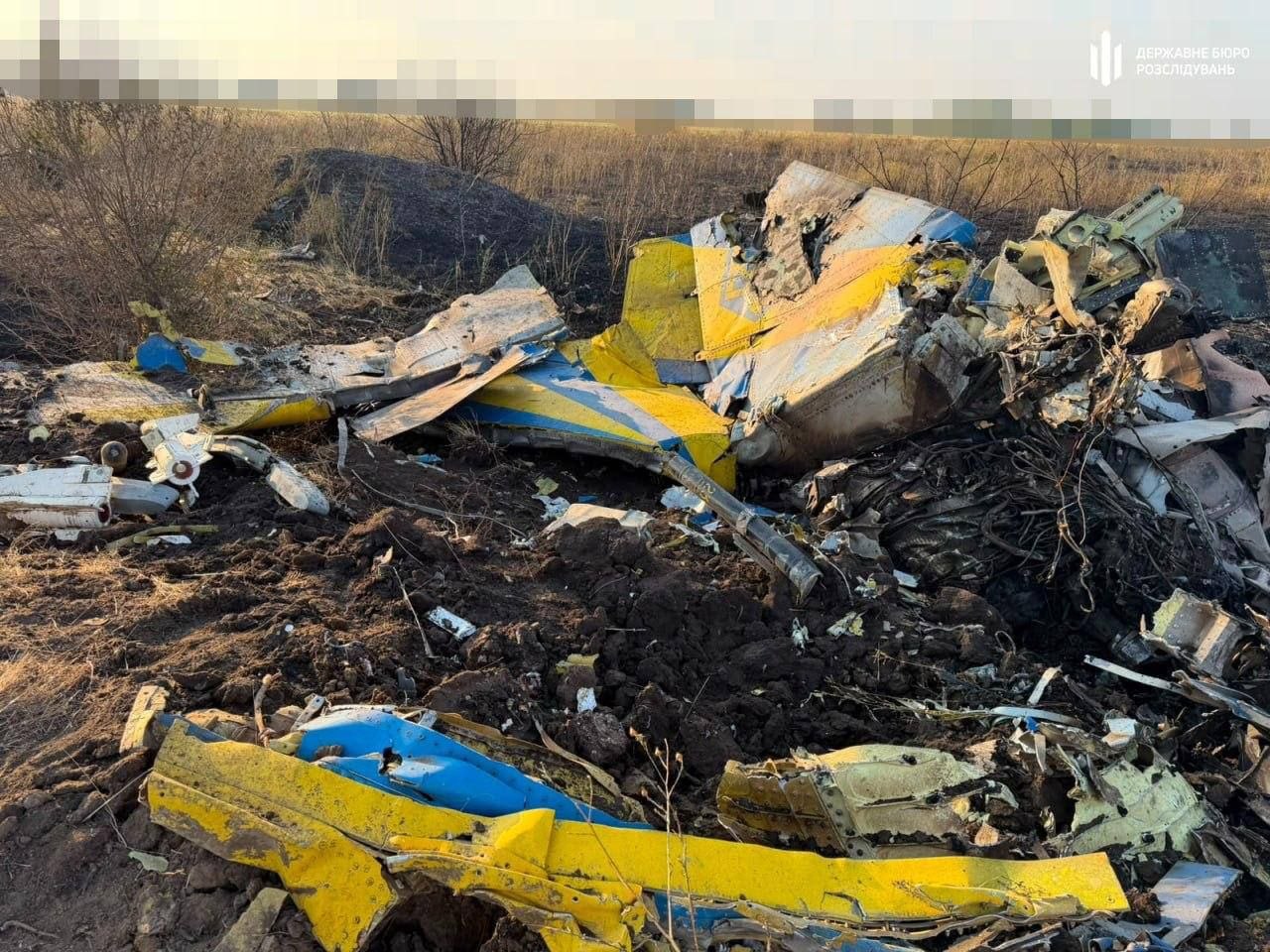
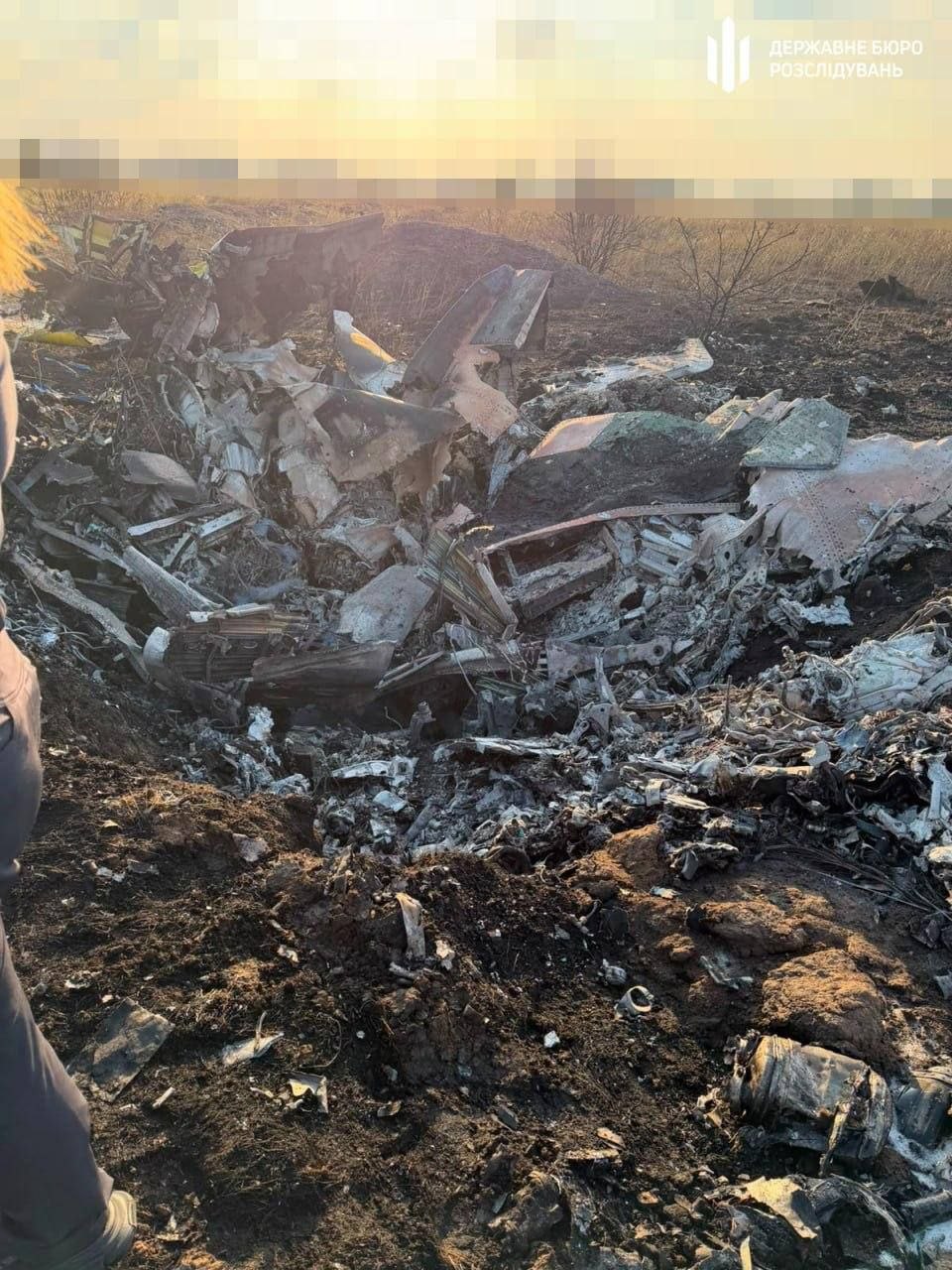
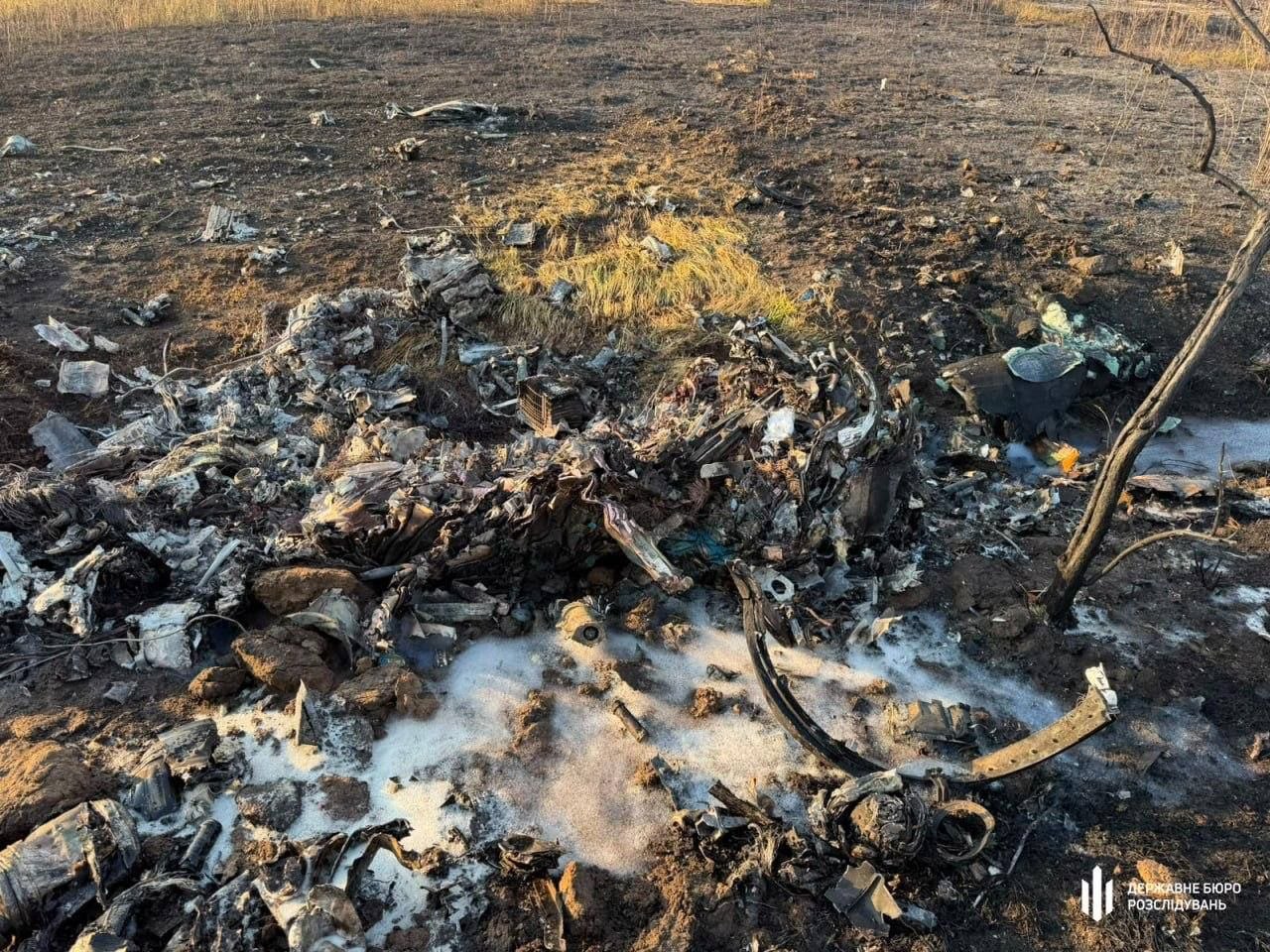
At 10:18 UTC, a Ukrainian MiG‑29 operating over the Odesa region crashed after being hit by an R‑60 air‑to‑air missile, according to intelslava. Photographs of the wreckage show fragments of the missile, confirming a direct hit during a sortie aimed at countering kamikaze drone attacks. The incident marks a rare instance of an air‑to‑air engagement resulting in a fighter loss.
Ground Captures and Logistics Disruptions
Russian Defence Ministry statements released at 09:50 UTC indicated the capture of the villages of Shcherbakivka in Kharkiv Oblast and Nove Pole in Zaporizhzhia Oblast. The announcements, circulated via monitor_the_situation, were accompanied by a single photograph of Russian troops in the newly seized locations.
In the occupied Crimean peninsula, a powerful explosion on the Mariupol‑Dzhankoi highway was reported at 07:16 UTC. The blast damaged fuel tankers, suggesting a targeted strike on Russian logistical routes. The incident was documented by monitor_the_situation, though no attribution was provided.
Operational Assessment
The events of 11 August illustrate a day of intensified kinetic activity across multiple fronts. The ballistic missile strike on Kyiv represents the most severe single‑event impact on civilian infrastructure, while simultaneous ground movements indicate fluid frontlines in both Donetsk and Kharkiv. Aerial engagements, including the downing of UAVs and the loss of a MiG‑29, demonstrate the continued contest for air superiority and the growing role of loitering munitions. Finally, the capture of villages and the explosion on a key supply route highlight ongoing efforts by both sides to shape logistical and territorial advantages.