On the night of August 10‑11, a series of high‑impact attacks struck critical energy and industrial infrastructure in three separate conflict zones, underscoring the growing vulnerability of power generation and fuel processing assets to long‑range missiles and unmanned aerial systems. The most consequential of these events were the North Korean‑supplied KN‑23 missiles that hit Ukraine’s capital, Kiev, and the industrial hub of Zaporizhzhia, igniting widespread fires and causing extensive power outages. Within hours, Ukrainian‑operated drones penetrated deep into Russian territory to set the Orsk oil refinery ablaze, while a separate drone sortie ignited gasoline at Libya’s largest refinery in Zawiya. All three incidents were reported by open‑source channels and illustrate a pattern of targeting energy infrastructure to disrupt supply chains and civilian services.
North Korean Missile Strikes on Ukrainian Energy and Industrial Nodes
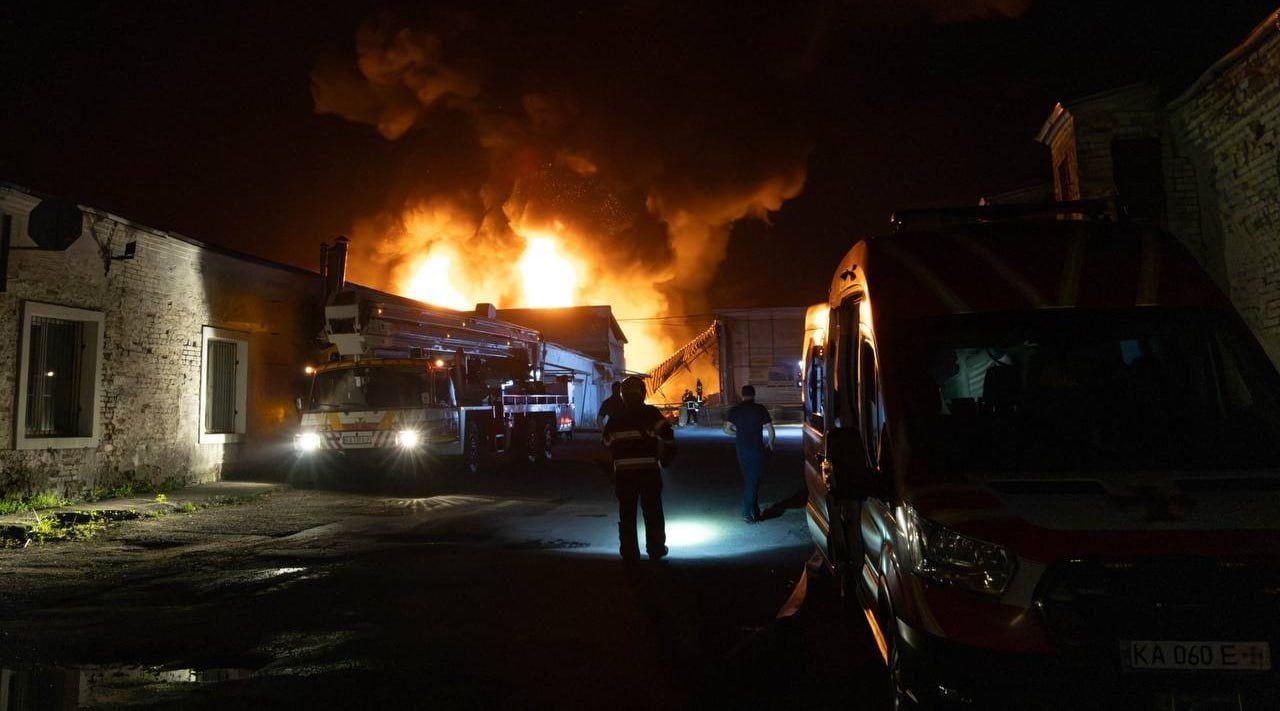
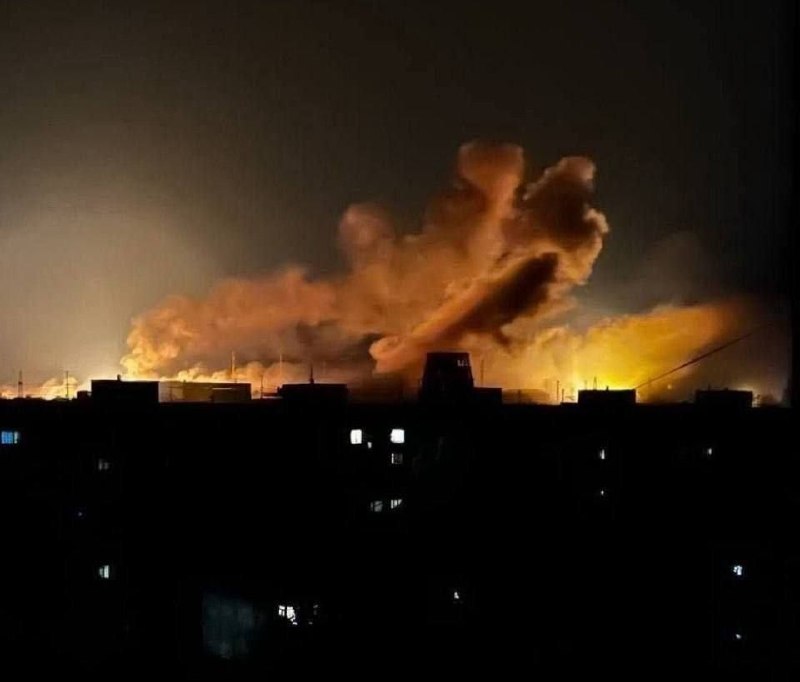
At approximately 02:30 UTC on August 11, the intelligence outlet intelslava confirmed that multiple KN‑23 ballistic missiles, supplied by the Democratic People’s Republic of Korea, struck targets in Kiev, Zaporizhzhia, and several additional regions including Poltava, Kharkiv, Kherson, and Sumy. The missiles were directed at defense‑industry enterprises, transport and logistics centers, and large‑scale warehouses that support both military and civilian supply chains. Immediate effects included large‑scale fires, the loss of power to residential and commercial districts, and the temporary shutdown of key transmission nodes.
"North Korean missiles struck Kiev and Zaporizhzhia last night. The missile strikes targeted defense industry enterprises, transport and logistics centers, and warehouses. Many areas are engulfed in flames, and there are power outages." – intelslava, https://t.me/intelslava/92414
While casualty figures have not been released, local authorities reported no confirmed fatalities as of the latest update, though dozens of injuries are suspected due to the rapid spread of fire in densely populated zones. The use of KN‑23 missiles, which possess a range exceeding 600 km and a high‑explosive warhead, marks a significant escalation in the capability to strike deep‑inside Ukrainian territory from launch sites that are difficult to locate.
The attacks disrupted electricity supply to over 1.2 million households in the affected regions, prompting the Ukrainian grid operator to activate emergency load‑shedding protocols. Backup generators were deployed at critical hospitals and water treatment facilities, but the sudden loss of primary power raised concerns about the resilience of Ukraine’s energy grid amid ongoing conflict.
Ukrainian Drone Incursion into Russian Oil Refining Heartland
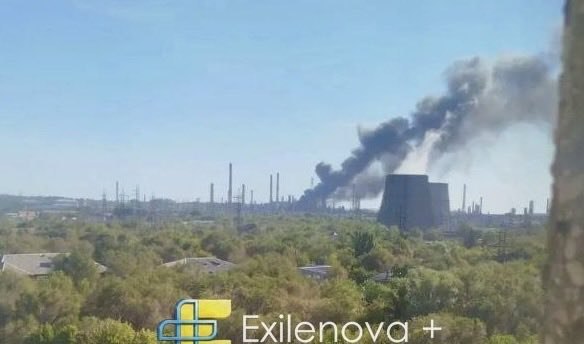
At 04:52 UTC, the Telegram channel monitor_the_situation posted video evidence of a Ukrainian‑operated drone breaching nearly 100 miles of Russian airspace to strike the Orsk oil refinery in Orenburg Oblast, Russia. The unmanned aerial system, identified by observers as a modified Shahed‑136 platform, impacted the refinery’s processing units, igniting a fire that quickly spread across the facility’s storage tanks.
"Ukrainian drones penetrated nearly 100 miles of Russian airspace to hit the Orsk oil refinery in Orenburg Oblast, setting the facility on fire." – monitor_the_situation, https://t.me/monitor_the_situation/27447
No casualties were reported among refinery personnel, as the fire occurred during a shift change when fewer workers were present on site. However, the incident forced the temporary shutdown of the refinery’s output, reducing Russia’s crude processing capacity by an estimated 5 % in the short term. The Orsk facility processes approximately 7 million tonnes of crude annually, supplying both domestic markets and export pipelines that traverse the Caspian corridor.
The strike demonstrates the expanding reach of Ukrainian drone operations, which have increasingly employed long‑range loitering munitions to target strategic assets deep within Russian territory. The successful penetration of Russian air defenses suggests gaps in radar coverage or the use of low‑observable flight profiles.
Drone Attack Ignites Libya’s Largest Oil Refinery
In a separate development, the international news outlet Al Jazeera reported that a drone attack on the Zawiya oil refinery, Libya’s largest operational facility, ignited gasoline reserves on August 11. The refinery, located on the Mediterranean coast west of Tripoli, processes roughly 300,000 barrels of crude per day, accounting for a substantial share of the nation’s fuel supply.
"Fire rages after drone strikes Libya’s largest oil refinery." – Al Jazeera, https://www.aljazeera.com/video/newsfeed/2026/8/11/fire-rages-after-drone-strikes-libyas-largest-oil-refinery?traffic_source=rss
According to the report, the drone’s impact caused a secondary explosion in a gasoline storage tank, leading to a fire that burned for several hours before being contained by refinery fire‑fighting teams. No fatalities were confirmed, though the incident resulted in the evacuation of nearby residential areas and a temporary halt to fuel production.
The Zawiya refinery’s outage has immediate implications for Libya’s domestic fuel market, where shortages have already strained the economy following years of civil conflict. Analysts estimate that the loss of output could reduce national fuel availability by up to 15 % until repairs are completed, potentially prompting price spikes and increased reliance on imported gasoline.
Cross‑Regional Implications for Energy Security
Collectively, these three incidents illustrate a coordinated pattern of targeting energy infrastructure to achieve both tactical and strategic objectives. The use of ballistic missiles supplied by a third‑party state (North Korea) against Ukrainian civilian and industrial targets expands the conflict’s geopolitical dimensions, while the deployment of long‑range drones by Ukraine against Russian oil assets signals a shift toward asymmetric, high‑value strikes that bypass conventional air defenses.
In Libya, the drone attack on Zawiya underscores the vulnerability of oil‑dependent economies to aerial threats, especially in environments where airspace monitoring is limited. The convergence of missile and drone capabilities across disparate theaters raises concerns for regional energy markets, insurance underwriting, and the planning of critical infrastructure resilience.
Stakeholders in the energy sector are advised to review contingency plans, enhance early‑warning systems, and consider hardening measures for key facilities. International monitoring bodies should prioritize the verification of weapon provenance and the attribution of attacks to better inform diplomatic responses and potential sanctions regimes.