On 10 August 2026, Ukrainian military operations intensified across several fronts, combining drone strikes, artillery engagements, and ground assaults that collectively altered the tactical landscape in the contested regions of Ukraine and occupied Crimea. The most consequential action was a coordinated strike by Ukrainian Military Intelligence (HUR/DIU) that reportedly destroyed two Russian S‑400 air‑defence batteries and an Orion drone‑control antenna in Crimea using Magura V5 naval drones. The operation, announced by BellumActaNews, marks a rare successful deep‑strike against Russia's high‑value air‑defence assets on the peninsula.
Crimean S‑400 Strike
The Ukrainian HUR/DIU claimed that, on 10 August, two Magura V5 naval drones, modified for precision targeting, penetrated Russian‑controlled airspace in Crimea and neutralised two S‑400 surface‑to‑air missile systems along with an antenna used to control Orion UAVs. The strike was reportedly executed without loss of Ukrainian personnel and was corroborated by video footage posted on the BellumActaNews Telegram channel. The S‑400 system is a cornerstone of Russia’s integrated air‑defence network, capable of engaging aircraft, cruise missiles, and ballistic missiles at ranges up to 400 km. Its removal, even temporarily, could create a window for Ukrainian air operations over the Black Sea and the southern front.
"Ukrainian Military Intelligence announced the destruction of two S‑400 launchers and an Orion control antenna in Crimea using Magura V5 naval drones," BellumActaNews, 10 August 2026, https://t.me/BellumActaNews/176335
While independent verification remains pending, the claim underscores Ukraine’s expanding use of maritime‑derived unmanned platforms to project power beyond its borders, a development noted by multiple open‑source analysts.
Escalating Drone Activity on the Frontline
Drone operations continued to dominate the kinetic picture across the Ukrainian theatre. In the Donetsk city of Slovyansk, Russian forces employed first‑person‑view (FPV) drones to strike a pickup truck and a van, suggesting a tactical focus on disrupting civilian‑linked logistics and possibly probing Ukrainian defensive positions (monitor_the_situation).
Conversely, Ukrainian forces leveraged drone assets to target Russian artillery. The 68th Separate Airmobile Brigade deployed drones to destroy a 2S19 Msta‑S self‑propelled howitzer in Russia’s Kursk region, marking a cross‑border kinetic strike that demonstrates Ukraine’s capacity to strike deep into Russian territory (monitor_the_situation).
In Kherson Oblast, Russian air‑defence units of the 50th Separate VARYAG Brigade intercepted and shot down multiple Ukrainian drones, indicating a robust defensive response to Ukrainian aerial incursions (intelslava).
Ground Movements and Territorial Shifts
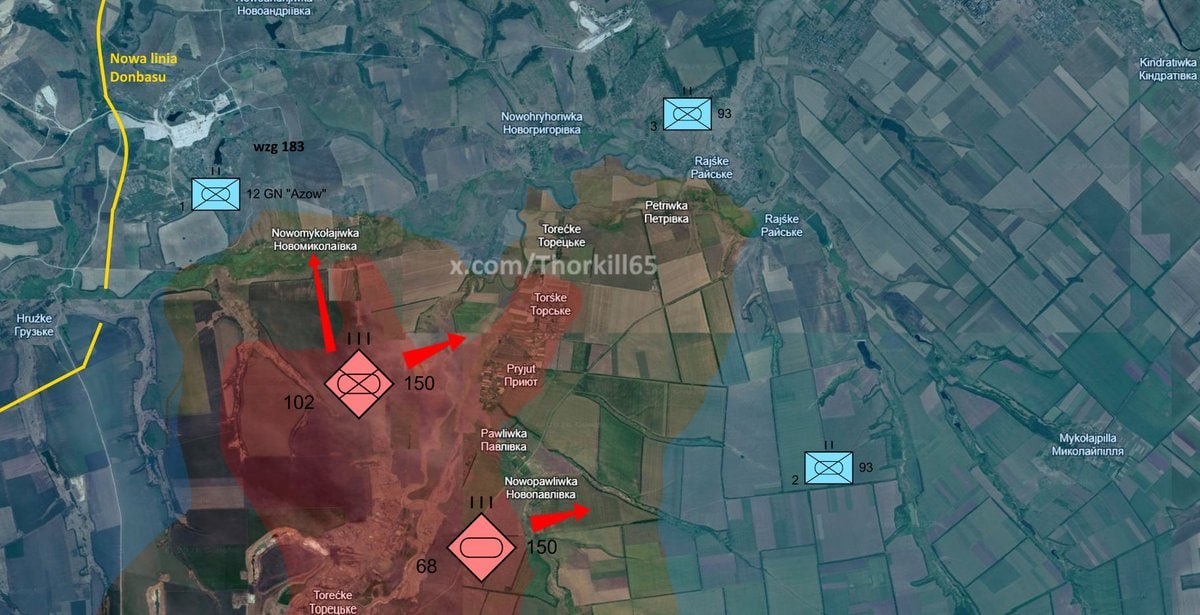
Ground combat remained fluid in the Donetsk region. Satellite analysis released by CIG_telegram identified a significant advance by Russia’s 150th Motorized Rifle Division, which now controls most of the former Ukrainian screening belt south of Druzhkovka. The analysis, based on Sentinel‑2 imagery from 7 August, noted extensive cratered terrain consistent with FAB bomb impacts, suggesting a concerted offensive push (CIG_telegram).
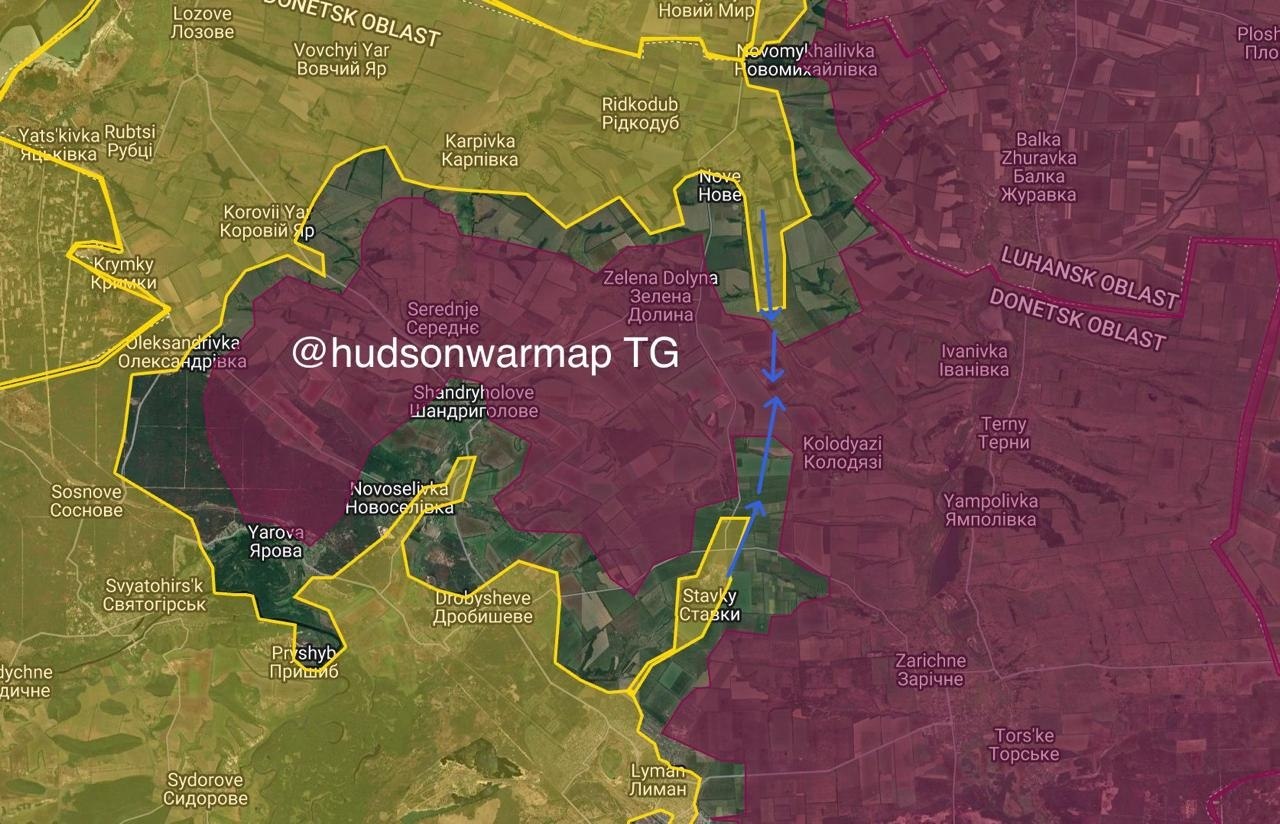
Ukrainian forces responded with localized counter‑attacks. In the Limen sector, Ukrainian units launched a series of assaults aimed at encircling Russian troops, a maneuver highlighted by the Hudson War Map analysis, which warned of Russian forces being overextended in the Yarova pocket (rnintel).
Further north, the 24th Brigade reported intensified fighting in Chasiv Yar, Donetsk Oblast, where Russian troops massed in basements and ruins. Ukrainian artillery and precision strikes targeted Russian personnel, shelters, and equipment, reflecting a high‑intensity urban contest (monitor_the_situation).
On the eastern front, Ukrainian forces recaptured the settlement of Tolstoi after a three‑and‑a‑half‑month battle, demonstrating sustained offensive capability despite Russian pressure (GeoPWatch).
Logistics Disruption and Rear‑Area Explosions
Logistical corridors remained vulnerable. A powerful explosion on the Mariupol‑Dzhankoi Highway, a key Russian rear‑line supply route, damaged multiple fuel tankers, potentially impairing Russian fuel distribution to front‑line units (monitor_the_situation).
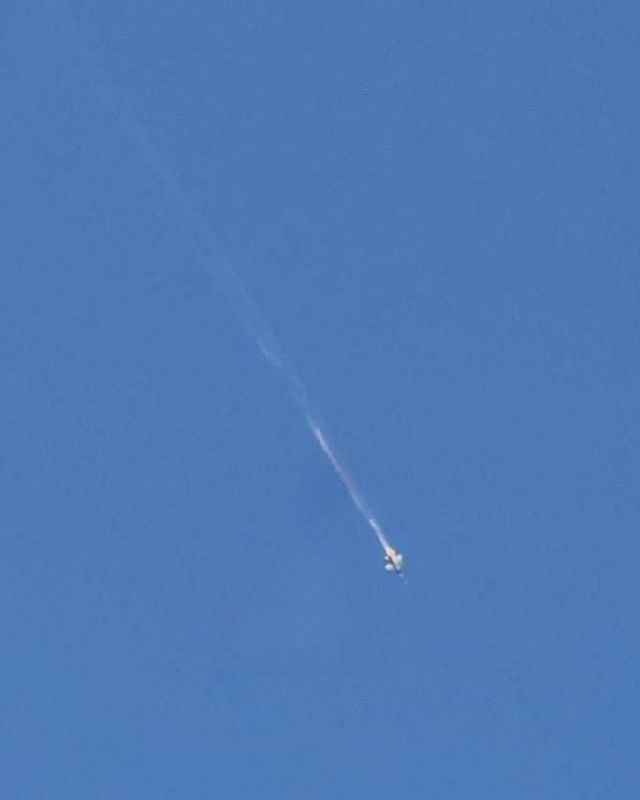
In addition, a MiG‑29 fighter jet of the Ukrainian Air Force crashed while attempting to intercept kamikaze drones over Odesa Oblast. While the incident resulted in the loss of an aircraft, no casualties were reported, and the event highlights the growing threat posed by autonomous drone swarms (GeoPWatch).
Strategic Implications
The coordinated use of maritime‑derived drones, cross‑border strikes, and targeted logistics attacks reflects a shift in Ukrainian operational doctrine toward high‑precision, asymmetrical tactics. By degrading Russian air‑defence coverage in Crimea, Ukraine may seek to open a corridor for aerial reconnaissance or limited strike operations in the Black Sea region. Simultaneously, the persistent drone warfare on both sides underscores an escalating contest for air‑space dominance, with each side adapting to counter‑UAV measures.
Ground movements indicate that while Russian forces continue to make territorial gains in Donetsk, Ukrainian counter‑offensives are preventing a decisive breakthrough, particularly in the Limen and Chasiv Yar sectors. The recapture of Tolstoi and the disruption of Russian logistics suggest that Ukraine retains the capacity to conduct localized offensives that can erode Russian momentum.
Overall, the kinetic events of 10 August 2026 illustrate a multi‑dimensional conflict where aerial, ground, and maritime domains intersect, and where both sides employ increasingly sophisticated unmanned systems to achieve tactical objectives.