On 10 August 2026, the Russian Ministry of Defence announced a coordinated missile strike that targeted the Odesa Thermal Power Plant and seven high‑voltage substations across Odesa Oblast. The attack, reported by the Telegram channel intelslava, listed the substations Usatovo, Centrolit, Artsyz, Novoodeska and Mayaki (each operating at 330 kV) together with Belgorod‑Dnistrovsky and Karolino‑Bugaz (110 kV). Video evidence released by the same channel shows smoke and damage at the Usatovo facility. No civilian casualties were immediately confirmed, but the loss of multiple transmission nodes is expected to reduce electricity supply to the southern coastal region, which already faces seasonal demand spikes.
Operational Details of the Missile Strike
The weapons employed were described simply as “missiles,” with no further classification provided. The Russian Ministry of Defence attributed the operation to its strategic air‑defence forces, emphasizing precision targeting of critical energy infrastructure.
“The Russian Ministry of Defense has announced a missile strike on the Odesa Thermal Power Plant and seven substations in the region.” – intelslava, 05:47 UTCThe strike aligns with a pattern of targeting energy assets that began in 2022, aiming to degrade Ukraine’s ability to sustain both civilian and military operations.
Russian Ground Gains in Donetsk Oblast
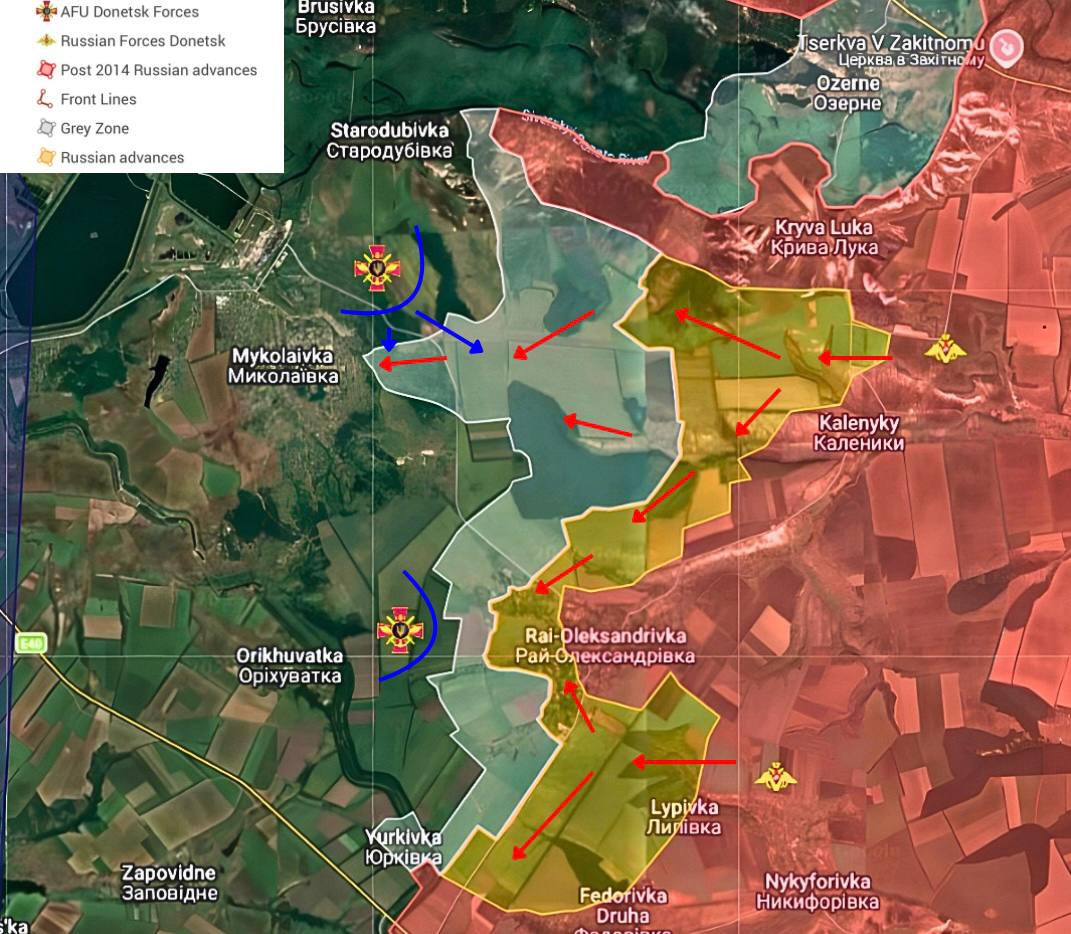
Simultaneously, ground movements were reported in the Donetsk region. According to the GeoPWatch channel, Russian forces captured approximately 95 % of the village of Rai Oleksandrivka by 04:40 UTC, effectively closing the pocket between Kryva Luka and Kalenyky and pushing to the eastern outskirts of Mykolaivka. Photographic material posted by GeoPWatch shows Russian troops clearing the last western residential blocks of Rai Oleksandrivka. No casualty figures were released, and the Russian military did not issue a formal statement beyond the operational update.
Ukrainian Drone Activity and Russian Interceptions
Ukrainian aerial assets continued to be employed across the front. The intelslava channel documented two separate incidents in which Russian air‑defence systems shot down eight Ukrainian drones each, first over Moscow at 00:54 UTC and later in an unspecified location at 01:02 UTC. The Moscow incident was highlighted by Mayor Sergei Sobyanin, who posted a brief message confirming the interceptions. No damage or injuries were reported in either case, underscoring the high‑intensity electronic contest over the airspace surrounding both capitals.
Cross‑Border Drone Strike on Russian Refinery
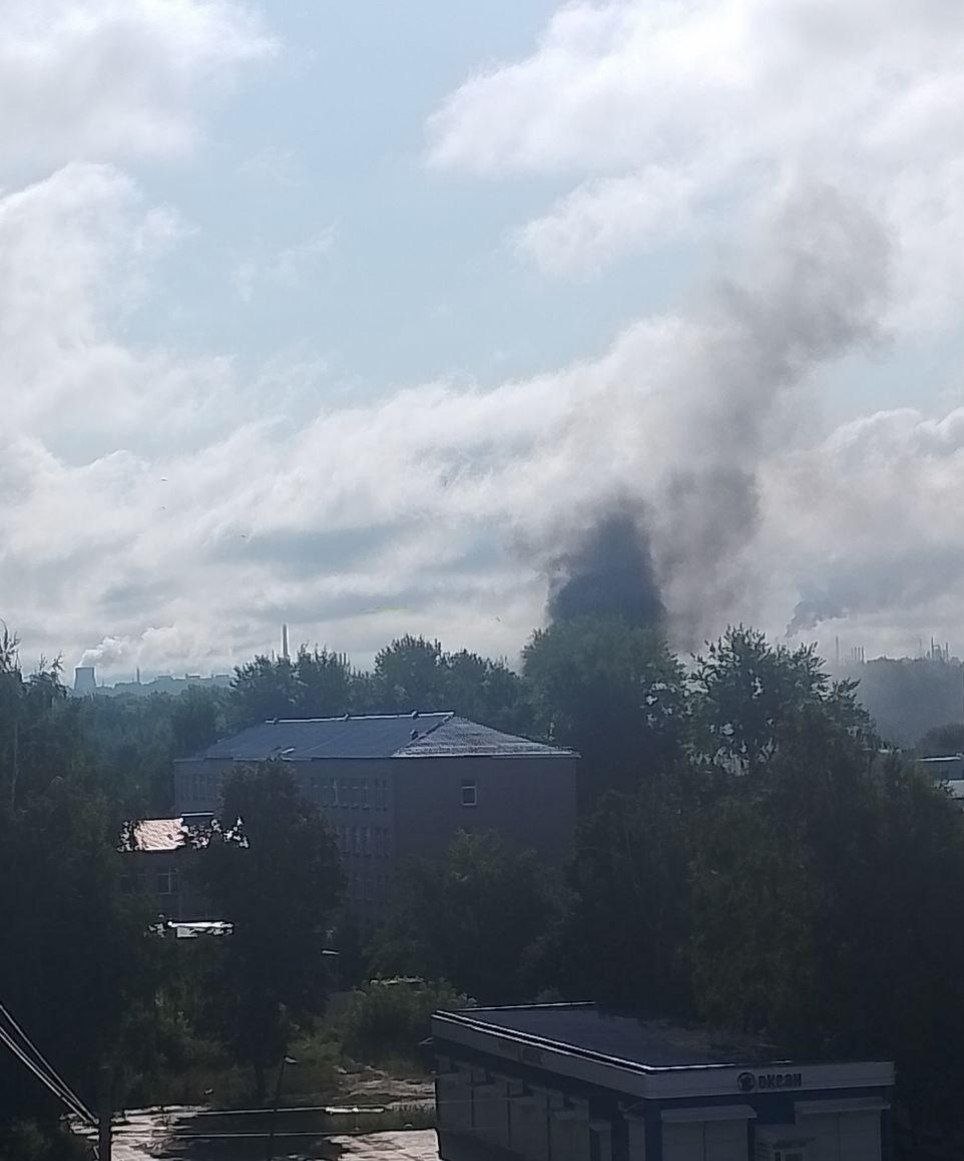
In a development that expands the geographic scope of the conflict, a series of hostile UAVs struck the oil refinery in Nizhnekamsk, Republic of Tatarstan, Russia, at 04:57 UTC. The intelslava channel shared three media items—photos and video—showing smoke rising from the refinery’s processing units. While the channel did not attribute the attack to a specific Ukrainian unit, the broader context suggests a coordinated effort to disrupt Russian fuel production. Casualty numbers were not disclosed, and the refinery’s operational status remains to be independently verified.
Strategic Implications
The concurrent execution of long‑range missile strikes, ground offensives, and drone operations illustrates a multi‑domain escalation on the Eastern Front. The targeting of Odesa’s power grid directly threatens civilian resilience and may compel Ukraine to divert repair crews and resources from frontline duties. The capture of Rai Oleksandrivka reduces the depth of the Ukrainian defensive line in Donetsk, potentially opening routes for further advances toward Mykolaivka and beyond. Meanwhile, the successful interception of Ukrainian drones over Moscow demonstrates the robustness of Russian air‑defence networks, yet the ability of Ukrainian UAVs to reach deep into Russian territory—evidenced by the Nizhnekamsk strike—highlights persistent vulnerabilities.
Overall, the events of 10 August 2026 reflect a coordinated Russian effort to combine kinetic strikes on critical infrastructure with territorial consolidation, while Ukrainian forces continue to leverage unmanned systems to impose costs on Russian logistical hubs. The absence of reported casualties in the documented incidents does not preclude longer‑term humanitarian or economic impacts, particularly in the energy‑deficient southern regions of Ukraine.