On 9 August 2026 the Russian Aerospace Forces (VKS) executed a coordinated air campaign against Ukrainian military assets in the Dnipropetrovsk and Kharkiv regions. Five FAB‑250 general‑purpose bombs were dropped on a Ukrainian Armed Forces personnel deployment point in the settlement of Havrylivka, Dnipropetrovsk Oblast. Two FAB‑500 bombs struck a Ukrainian UAV control station near the settlement of Hresy, Kharkiv Oblast, and a further five FAB‑500 bombs were delivered onto a National Guard of Ukraine facility in Dobropillia. The strikes were captured on video and posted by the Telegram channel intelslava. No casualty figures were released, but the use of high‑explosive ordnance against command and control nodes underscores a tactical focus on degrading Ukrainian air‑defence and reconnaissance capabilities.
Airstrikes Across the Frontline
In addition to the Havrylivka‑Hresy‑Dobropillia attacks, Russian forces employed ballistic missiles in a broader wave of strikes that morning. At 08:43 UTC, missile impacts in Kharkiv killed two civilians and injured 17 people across multiple oblasts, including eight injuries in Odesa and nine in Pavlohrad, four of whom were children. The attacks also damaged energy infrastructure, contributing to widespread power outages. The source channel monitor_the_situation reported that 56 ballistic missiles had been launched in the preceding week, indicating a sustained high‑intensity missile campaign.
Rocket and Missile Attacks on Civilian and Industrial Targets
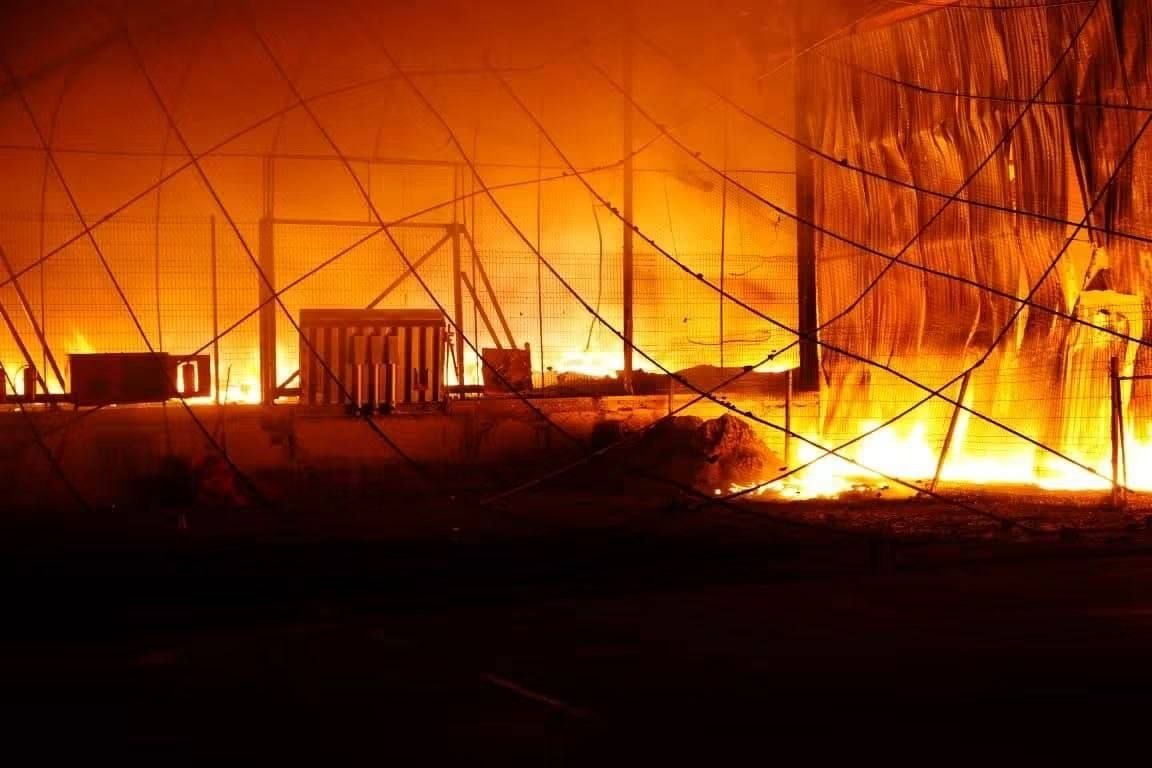
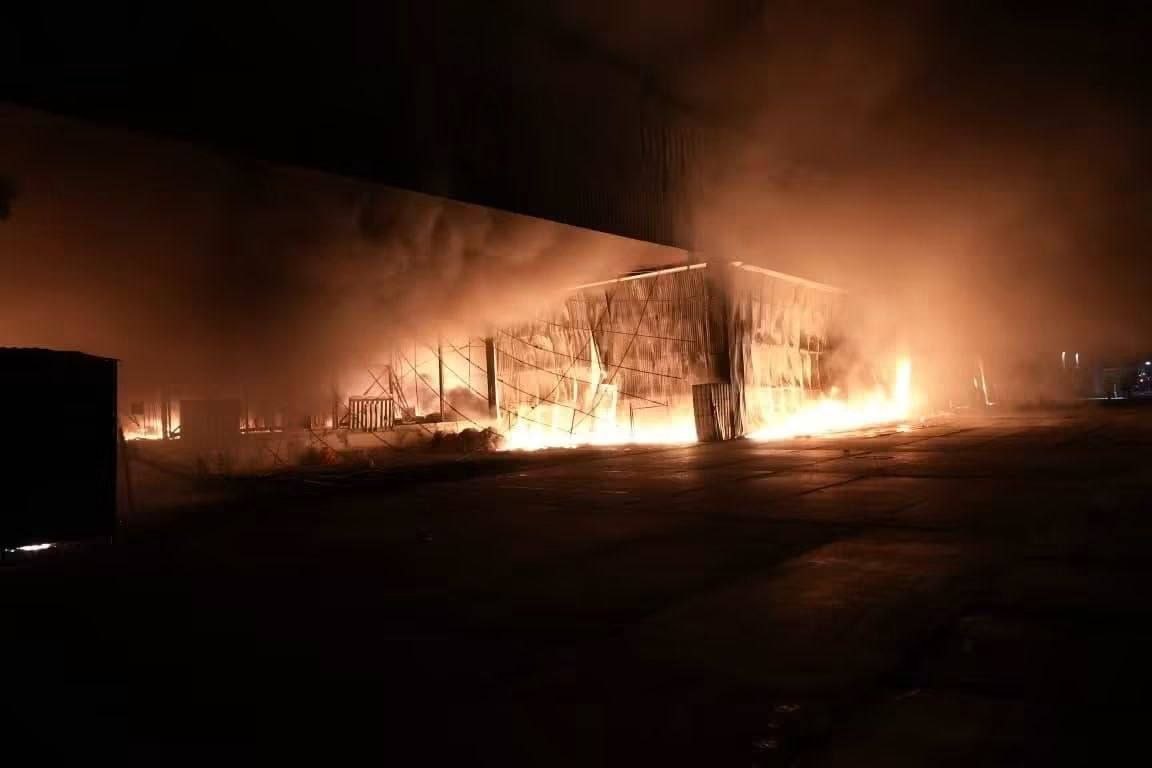
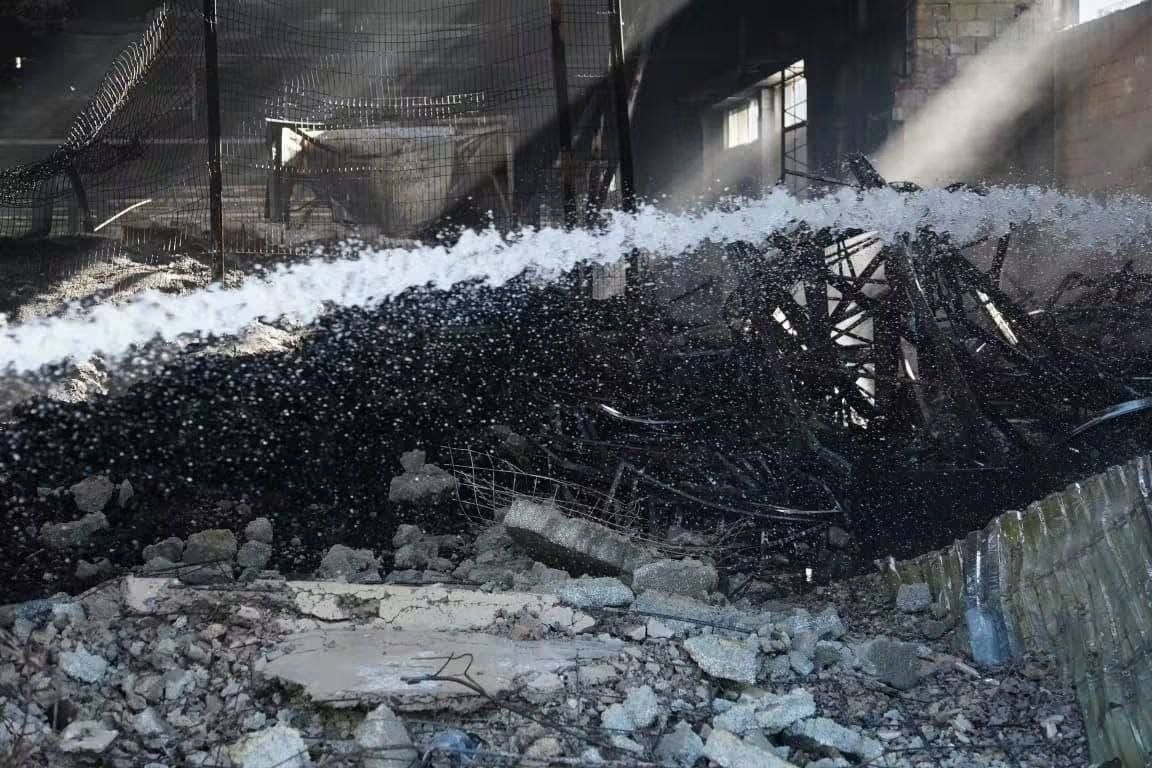
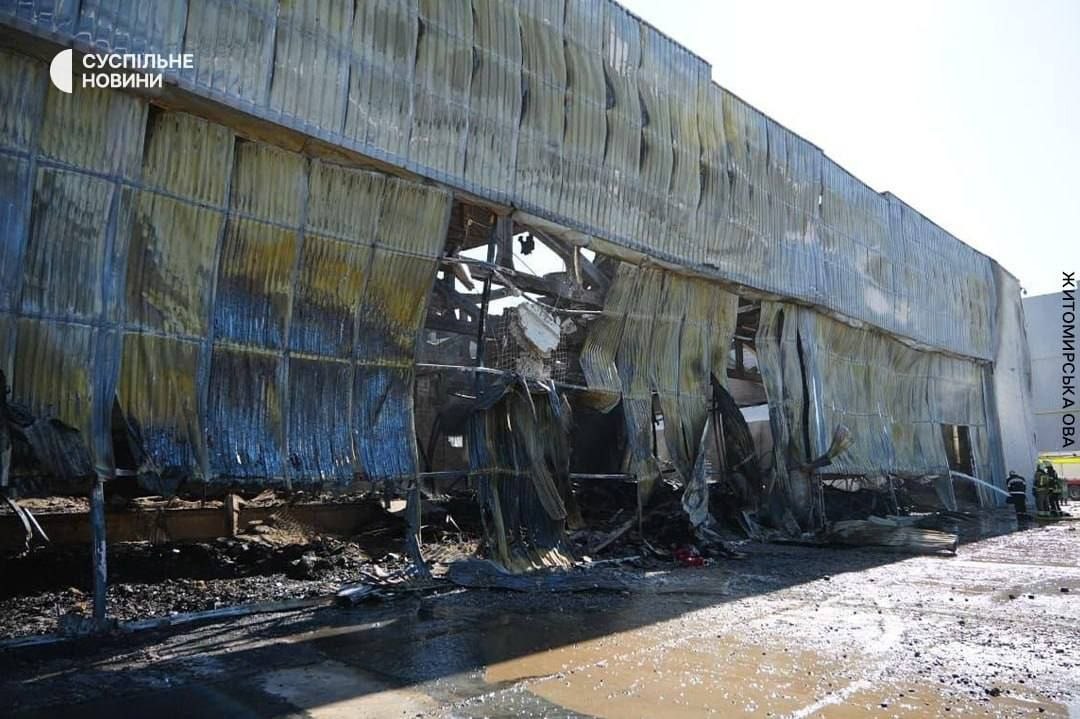
Rocket fire continued to affect civilian and commercial sites. In Zhytomyr, a German‑owned logistics firm, Kromberg & Schubert, sustained damage from an unexplained rocket impact. Photographs posted by intelslava show the facility’s exterior compromised, though casualty numbers were not disclosed.
Further north, Russian forces struck oil production facilities in Sumy Oblast, employing missile systems to target two refineries. The Russian Defence Ministry confirmed the strikes via Interfax, and images released on intelslava depict smoke rising from the sites. No immediate casualty data were provided, but the attacks threaten regional fuel supplies.
In the Odesa region, a bridge at Mayaki was hit, severing a critical transport corridor to the Danube ports that serve as Ukraine’s remaining maritime trade arteries after Black Sea access was restricted. Video evidence from intelslava shows the bridge’s central span collapsed, prompting traffic congestion and logistical bottlenecks for grain and other exports.
Ground Movements and Territorial Shifts
Mid‑day reports indicated a rapid Russian advance in Donetsk Oblast. According to intelslava, Russian forces captured the town of Dobropillya after Ukrainian troops withdrew following seven months of attrition. The same source listed six additional localities seized in the same operation, including the villages of Belytska, Svitle, and Shevchenko. The capture expands Russian control along the front and places additional pressure on Ukrainian defensive lines.
In the same oblast, Russian forces took the villages of Vasyutinske and Toretske, as reported by the Telegram channel monitor_the_situation. Photographs accompanying the announcement show Russian soldiers raising flags over the settlements, confirming the territorial gain.
On the southern coast, Russian forces launched a “brutal” attack in Odesa city, resulting in several civilian deaths. Ukrainian President Volodymyr Zelenskyy warned that the assault could exacerbate global food‑security concerns, given Odesa’s role as a grain export hub. The Al Jazeera report (Al Jazeera) provided the first public account of the incident.
Unmanned Aerial Vehicle (UAV) Engagements
Russian UAV operations intensified across multiple fronts. In Zaporizhzhia Oblast, a crew from the Vostok Group of Forces deployed a ZALA Z‑16 UAV to locate a concealed Ukrainian M777 155 mm towed howitzer. The UAV then released a Lancet loitering munition, destroying the artillery piece. Video of the strike was posted by intelslava.
Simultaneously, the 57th Separate Guards Motor Rifle Brigade of the 5th Army, part of the Vostok (East) Grouping of Forces, conducted UAV attacks against Ukrainian personnel in the Zaporizhzhia direction. The same channel shared footage of the UAVs operating at low altitude, engaging ground targets.
On the Ukrainian side, the 98th Guards Airborne Division’s paratroopers destroyed a Ukrainian UAV control station on Kherson’s eastern flank, as documented by intelslava. The operation demonstrates Ukraine’s continued capability to interdict Russian aerial reconnaissance assets despite overall pressure on its defensive lines.
Cross‑Border Drone Activity
Ukrainian drone strikes extended beyond the frontlines. In the Russian city of Novorossiysk, two facilities were targeted by Ukrainian UAVs, according to the city’s mayor, Andrey Kravchenko. No damage assessment was released, but the incident illustrates the expanding reach of Ukrainian long‑range UAVs.
Conversely, Ukrainian drones attacked Russian territory near Grafovka, Belgorod Oblast, destroying two Msta‑S self‑propelled howitzers. The 57th Brigade reported the operation as a rapid strike conducted within 30 minutes inside Russian borders, as shown in video posted by monitor_the_situation.
Casualties and Humanitarian Impact
Casualty figures for the day remain fragmented. The Kharkiv missile strike resulted in two civilian deaths and 17 injuries, including four children. The Odesa bridge attack caused no reported fatalities but disrupted critical supply routes for humanitarian aid. The Odesa city assault led to an unspecified number of civilian deaths, prompting international concern over food‑security implications.
Overall, the kinetic events of 9 August 2026 reflect a marked escalation in Russian offensive operations across eastern Ukraine, combined with a series of Ukrainian counter‑UAV actions and cross‑border strikes. The pattern of high‑explosive airbursts, missile strikes on energy and industrial infrastructure, and rapid ground advances suggests a concerted effort to degrade Ukrainian command, control, and logistics capabilities while pressuring civilian populations in contested regions.
"The coordinated use of FAB‑250 and FAB‑500 bombs against personnel and UAV control sites demonstrates a clear Russian intent to neutralize Ukrainian air‑defence and reconnaissance assets," – analysis from intelslava, 13:30 UTC, 9 August 2026.