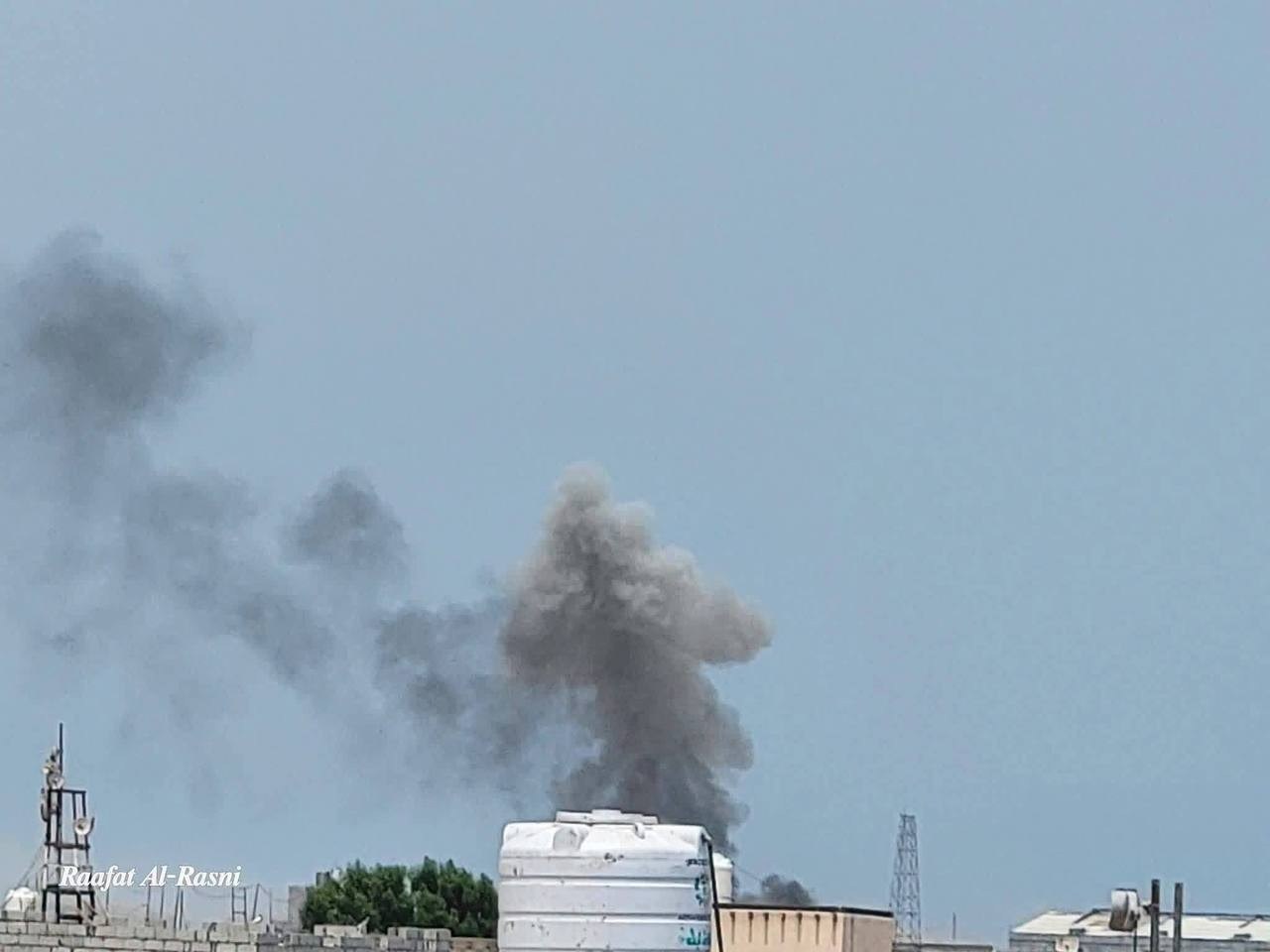
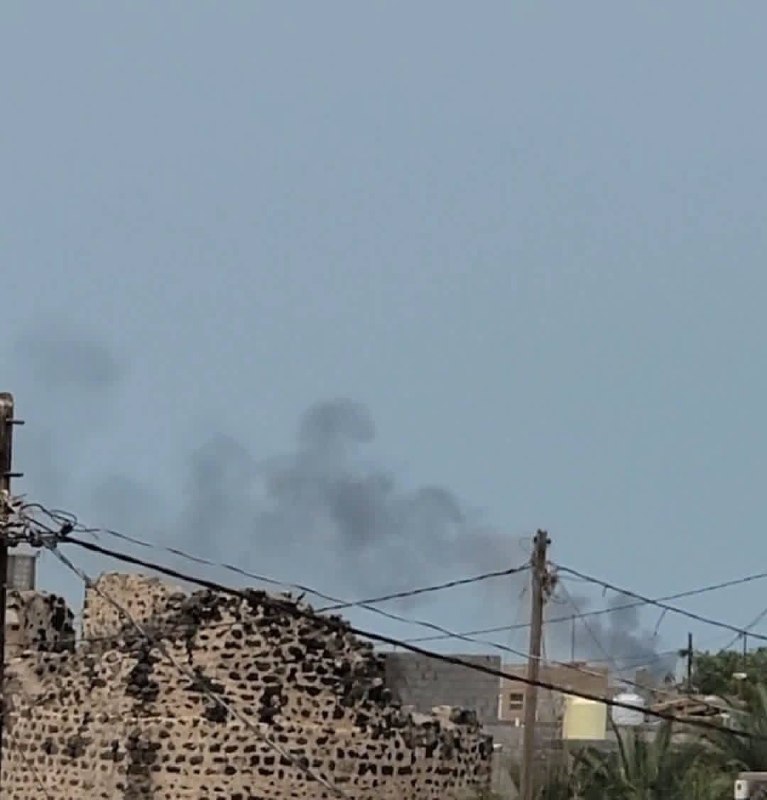
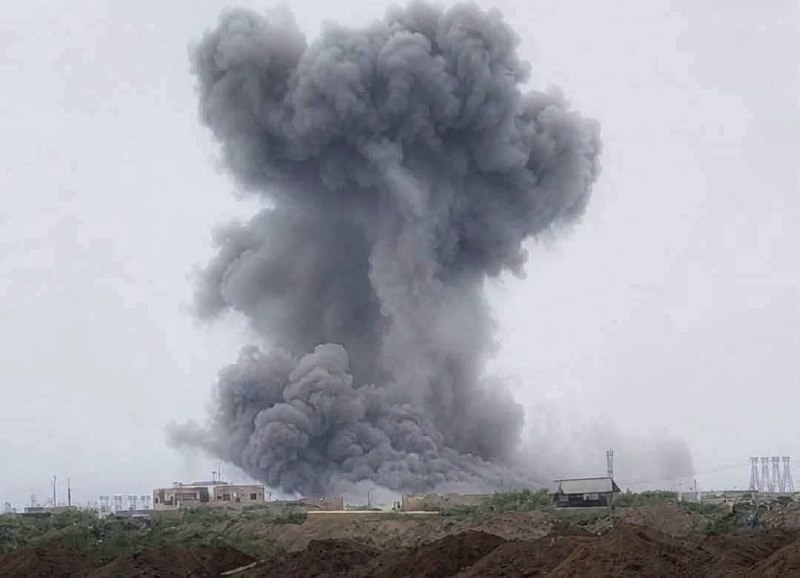
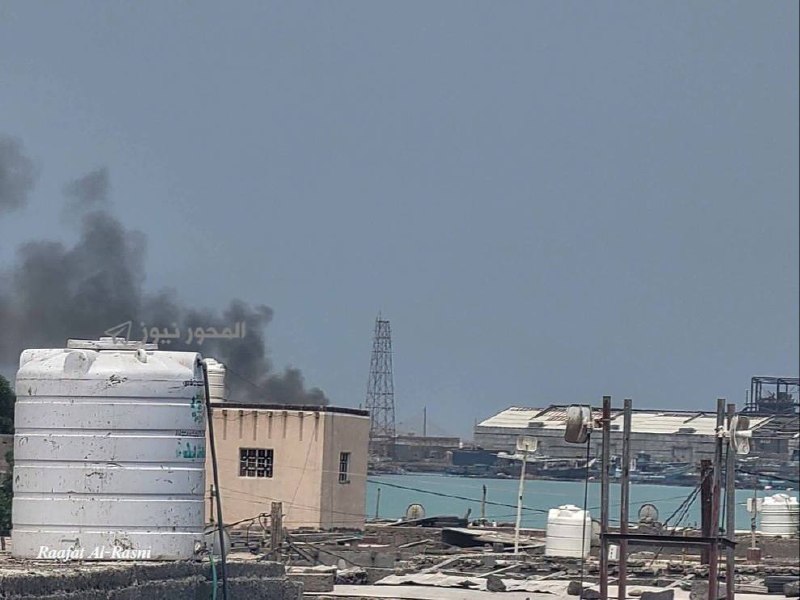
On August 9, 2026, a coordinated missile and drone attack by Ansarallah (Houthi) forces struck the strategic Al-Mukha port in Taiz Governorate, killing at least seven individuals and igniting a large fire that threatened critical aid and trade infrastructure. The Yemeni government publicly condemned the assault, describing it as a blatant violation of international humanitarian law. Seven fatalities were confirmed by the Yemeni spokesperson, and the incident was captured on video by the monitoring channel monitor_the_situation (source: Telegram).
"The Yemeni Government condemns the Houthi missile and drone barrage on Al-Mukha port, which resulted in the loss of innocent lives and jeopardized humanitarian deliveries," the statement read.
Al-Mukha Port Under Fire
Two separate reports from distinct monitoring channels documented the attack. At 08:35:53, monitor_the_situation reported that ballistic missiles struck the port, igniting a large blaze that quickly spread across the dockside facilities. Later, at 15:46:56, the same channel confirmed that the barrage included both missiles and unmanned aerial vehicles (UAVs), resulting in the confirmed death toll. GeoPWatch corroborated the casualty figure, noting seven deaths in its 12:29:10 report (Telegram). The weapons employed—ballistic missiles, cruise missiles, and armed drones—demonstrate the Houthi’s expanding capability to conduct combined‑arms strikes against maritime nodes.
Assassination Attempt on Hodeidah Governor
In a related development, Houthi forces launched a ballistic missile targeting the residence of the Governor of Hodeidah in the Al‑Khawkhah district at 12:10:41. The governor survived the impact, and no casualties were reported among civilians. GeoPWatch identified the weapon as a ballistic missile and attributed the attack solely to Houthi forces (Telegram). The incident underscores a pattern of high‑profile targeting aimed at undermining regional administration.
Saudi Drone Operations in Ghamr District
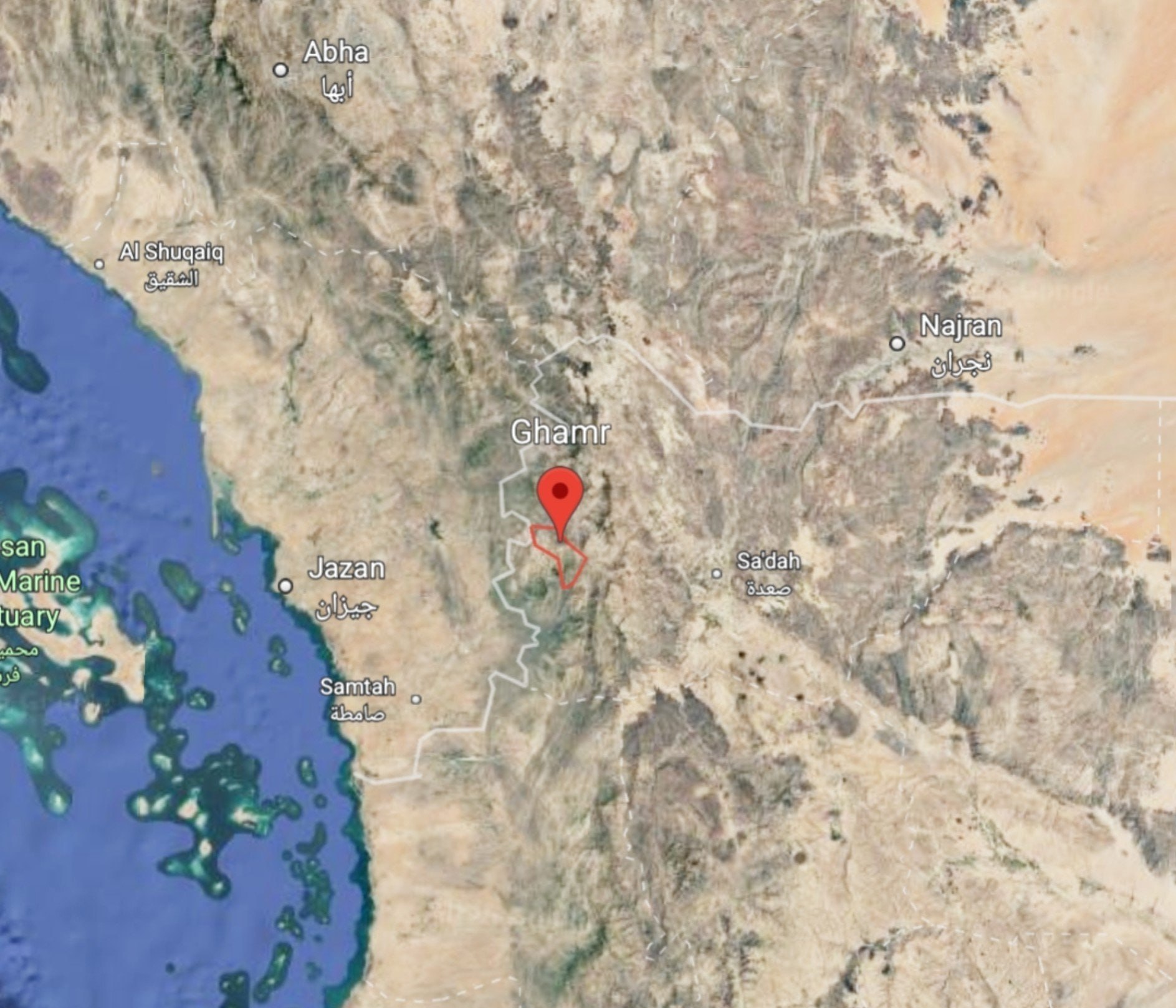
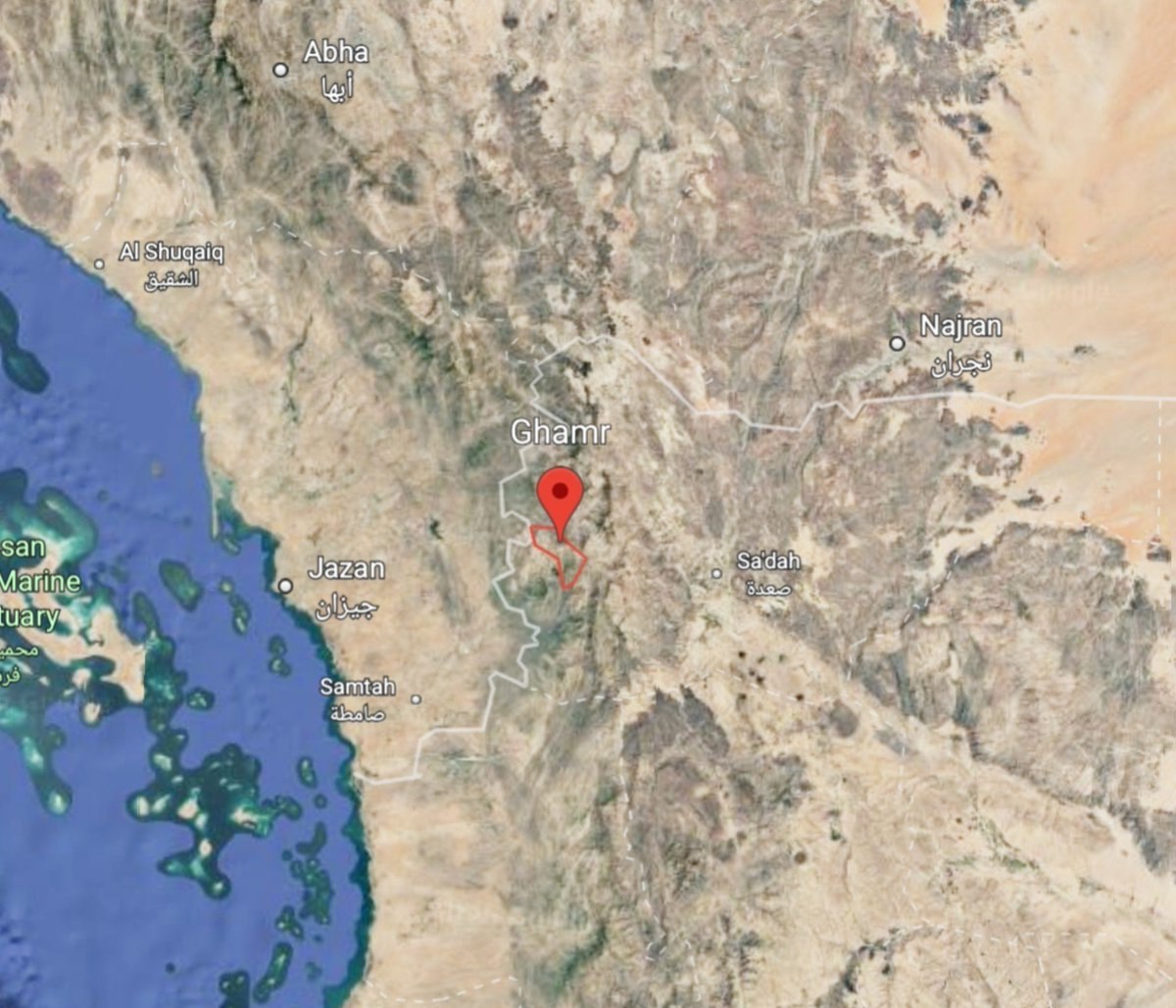
Saudi Arabia conducted multiple UAV strikes in the Ghamr district of Yemen on the same day. At 13:15:38, monitor_the_situation reported a Saudi drone airstrike in the Ghor Al‑Mashwat area, noting the presence of a photo of the impact site. Later, at 17:19:48, the channel CIG_telegram documented another Saudi drone strike on an “unknown target” within the same locality (Telegram). Both incidents were classified as hostile UAV actions, though no casualty figures were released. The strikes raise concerns about potential escalation, particularly given the proximity of Saudi‑backed Yemeni National Resistance Forces (YNRF) installations.
Ansarullah Drone Activity Over Mocha Port
Mocha (also spelled Mokha) port, controlled by the Saudi‑backed YNRF, experienced sustained Houthi UAV activity throughout the day. At 09:52:58, rnintel reported that Ansarullah drones were operating over the port city, indicating a persistent aerial threat (Telegram). Earlier, at 09:37:37, the same source documented a direct strike on a cargo shipment as it arrived at Mocha port, though the report listed “none” under weapons, implying the use of a precision‑guided munition or drone‑delivered payload. Three photographs accompanying the report illustrated damage to the cargo containers (Telegram). The attacks on Mocha complement the broader Houthi campaign targeting maritime logistics corridors that support humanitarian aid and commercial trade.
Overall Assessment of August 9 Kinetic Activity
The events of August 9 reflect a marked intensification of kinetic operations across Yemen’s western coastline and interior districts. The Houthi’s ability to deploy ballistic missiles, cruise missiles, and armed drones against high‑value maritime infrastructure demonstrates a significant escalation in both range and precision. Simultaneously, Saudi UAV strikes in Ghamr district indicate a reciprocal increase in offensive posture, potentially aimed at deterring further Houthi aggression against Saudi‑aligned assets. The convergence of these actions has heightened the risk of collateral damage to civilian populations and disrupted critical supply chains for humanitarian assistance.