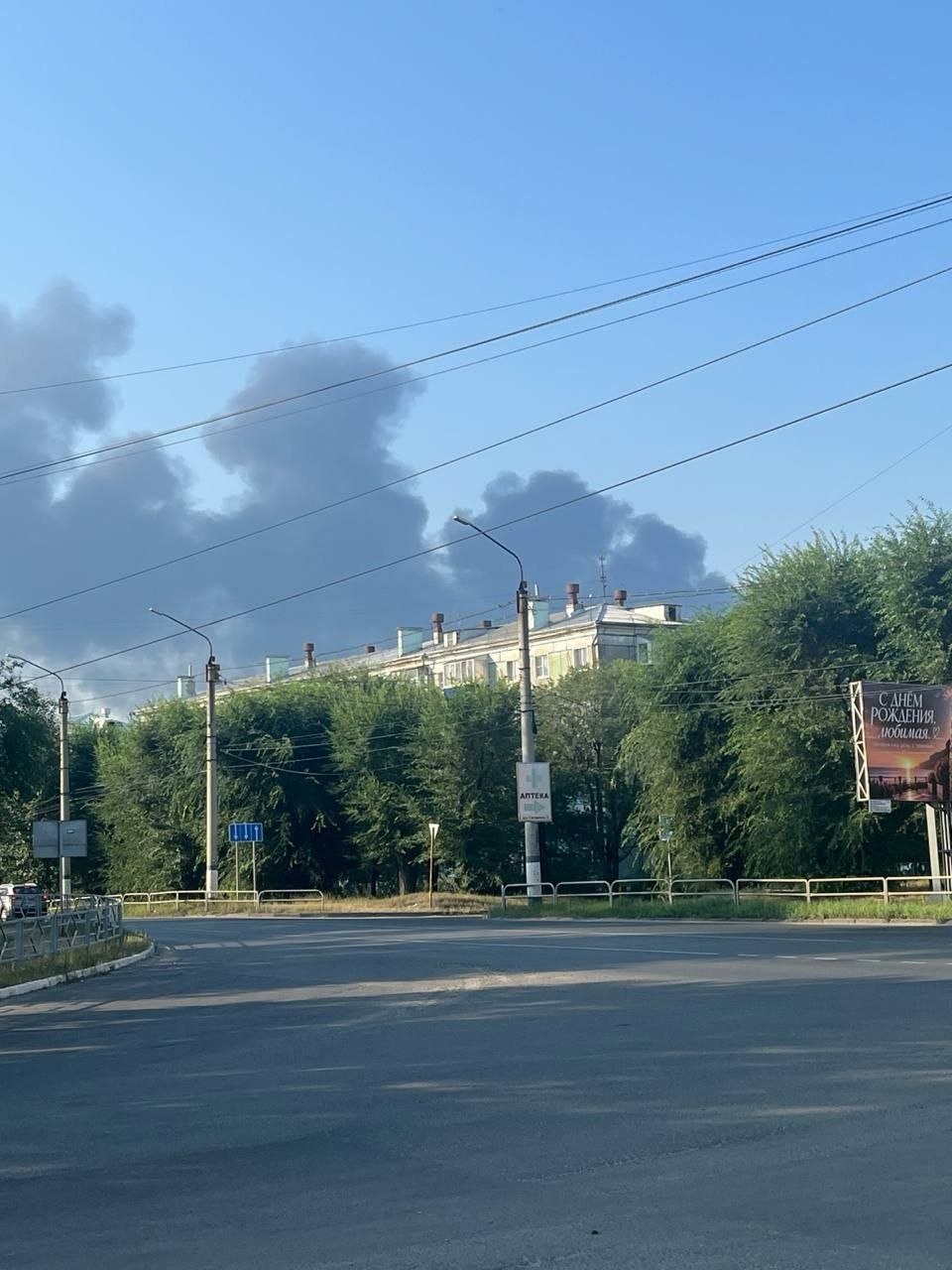
On 8 August 2026, a series of hostile unmanned aerial vehicle (UAV) incidents underscored the growing vulnerability of Russian industrial assets to drone operations. The most consequential event occurred in the early hours of the day when a UAV ignited a fire at the Syzran Oil Refinery in Samara Oblast, a key node in Russia's fuel supply chain. The attack, attributed to Ukrainian forces, resulted in significant damage to refinery infrastructure but, according to local authorities, caused no civilian casualties.
Incident chronology and operational details
At 00:06:33 UTC, the first confirmed strike was reported by the open‑source intelligence channel intelslava. Video footage released on the channel showed a UAV approaching the refinery perimeter before detonating, producing a plume of smoke that quickly engulfed a processing unit. The weapon system was identified as a conventional drone, with no evidence of a larger payload beyond the explosive charge. The organization behind the attack was listed as “Ukrainian,” and the incident was corroborated by a second intelslava post at 04:54:40 UTC, which described a subsequent fire that spread to a nearby oil storage facility in the city of Syzran. Both posts emphasized that the refinery remained operationally compromised, though emergency crews managed to contain the blaze within several hours.
"Syzran' is under attack by drones. Preliminary reports indicate that one of the local oil refineries is on fire," – intelslava, 04:54:40 UTC, https://t.me/intelslava/92282
While casualty figures were not disclosed, the absence of reported injuries suggests that the attacks were timed to avoid populated areas, focusing instead on strategic industrial targets. The use of relatively low‑tech UAVs aligns with a broader pattern of asymmetric tactics employed in the Russia‑Ukraine conflict, where both sides have increasingly turned to commercially available drones modified for kinetic impact.
Parallel developments: Russian‑linked drone activity in Europe
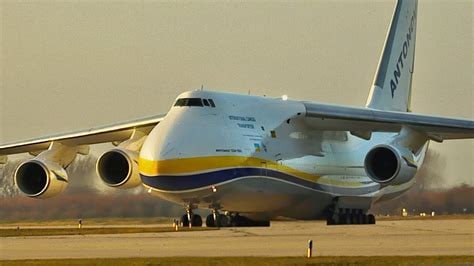
In a related development, the OSINT platform OSINTdefender posted at 04:35:48 UTC that U.S. intelligence had identified an explosive drone near a Ukrainian cargo aircraft at a German airfield. The analysis linked the device to the Russian government, raising alarms about potential provocations aimed at NATO members. Although this incident occurred outside Russian territory, it illustrates the transnational dimension of drone warfare and the strategic calculus of using UAVs to exert pressure on adversaries beyond the immediate battlefield.
#USA #EU #Russia\n\nU.S. intelligence suggests that the explosive drone found near a Ukrainian cargo plane in Germany is likely linked to the Russian government. This incident has raised concerns about potential provocations from Russia towards NATO. – OSINTdefender, https://t.me/OSINTdefender/19725
The German case involved an “explosive drone” equipped with a small charge designed to damage aircraft on the ground. While no damage was reported, the incident prompted heightened security measures at NATO‑aligned airfields and reinforced existing concerns about the proliferation of drone technology among state and non‑state actors.
Strategic implications for Russian industrial security
The Syzran attacks demonstrate a clear shift in the targeting calculus of Ukrainian drone operators, moving from purely military installations to critical economic infrastructure. Oil refineries such as Syzran are integral to Russia’s domestic fuel distribution and export capacity; disruption, even temporary, can affect regional energy markets and undermine public confidence in state security provisions. The attacks also expose gaps in Russia’s air‑defense coverage for low‑altitude, small‑RCS platforms, which traditional radar and missile systems struggle to detect.
In response, Russian authorities have announced a series of counter‑measures, including the deployment of electronic warfare (EW) units capable of jamming UAV command links, the expansion of point‑defense systems around high‑value facilities, and the acceleration of domestic drone‑interception programs. These steps reflect an acknowledgment that conventional air‑defense assets are insufficient against the evolving UAV threat landscape.
Assessment and outlook
Collectively, the events of 8 August illustrate an expanding theater of drone operations that transcends conventional frontlines. The successful strike on the Syzran Oil Refinery underscores the vulnerability of Russia’s industrial backbone to relatively inexpensive aerial platforms, while the German incident highlights the potential for Russian‑linked UAVs to be employed as instruments of strategic signaling in the broader Euro‑Atlantic security environment. Monitoring of UAV activity, both within Russian territory and across NATO borders, will remain a priority for intelligence analysts as the conflict continues to drive innovation in low‑cost, high‑impact weaponization of commercial drone technology.