In the early hours of 8 August, six Russian ballistic missiles struck Ukrainian territory, none of which were intercepted by the Ukrainian Air Force, according to a post by the Telegram channel intelslava (source). The missiles, launched from undisclosed launch sites, impacted multiple locations across the country, though precise impact points remain classified. No casualty figures have been released, but the failure of air‑defence systems to engage the projectiles marks a notable degradation in Ukraine’s short‑range missile interception capability.
Ballistic Missile Attack: Scope and Implications
The strike represents the most severe kinetic event reported in Ukraine on 8 August. While the exact targets were not disclosed, the use of ballistic missiles—capable of high‑altitude trajectories—suggests an intent to bypass conventional surface‑to‑air defenses. Ukrainian officials have not confirmed the missile types, but the pattern aligns with previous deployments of short‑range systems such as the Iskander‑M. The Ukrainian Air Force confirmed the lack of interceptions, highlighting potential gaps in radar coverage or saturation of existing systems.
"Six ballistic missiles struck Ukraine last night, with none intercepted by its air defenses," intelslava reported.
Analysts note that the inability to neutralize these missiles may embolden further Russian use of similar weapons, increasing pressure on Ukraine’s already strained air‑defence network.
UAV Engagements Across Multiple Fronts
UAV activity intensified throughout the day. In Kherson Oblast, the Russian 50th Separate "Varyag" UAV Brigade successfully shot down several Ukrainian drones, as documented in video footage shared by intelslava (source). The engagement underscores Russia’s growing proficiency with portable air‑defence systems against low‑observable UAVs.
Conversely, Ukrainian forces employed loitering munitions and combat drones to strike Russian logistics and equipment. At approximately 14:38, Russian Geran‑4 loitering munitions—identified by their electro‑optical seekers—hit Ukrainian Armed Forces warehouses in Savintsy, Zydky, Barvinkove, and Volokhiv Yar, destroying stored UAVs and electronic‑warfare gear (intelslava).
Later, at 13:57, Ukrainian drones attacked a Russian logistics park in occupied Luhansk, setting fire to supply trucks destined for front‑line units (monitor_the_situation). These strikes demonstrate Ukraine’s focus on disrupting Russian supply chains through precision UAV attacks.
Territorial Shifts and Ground Movements
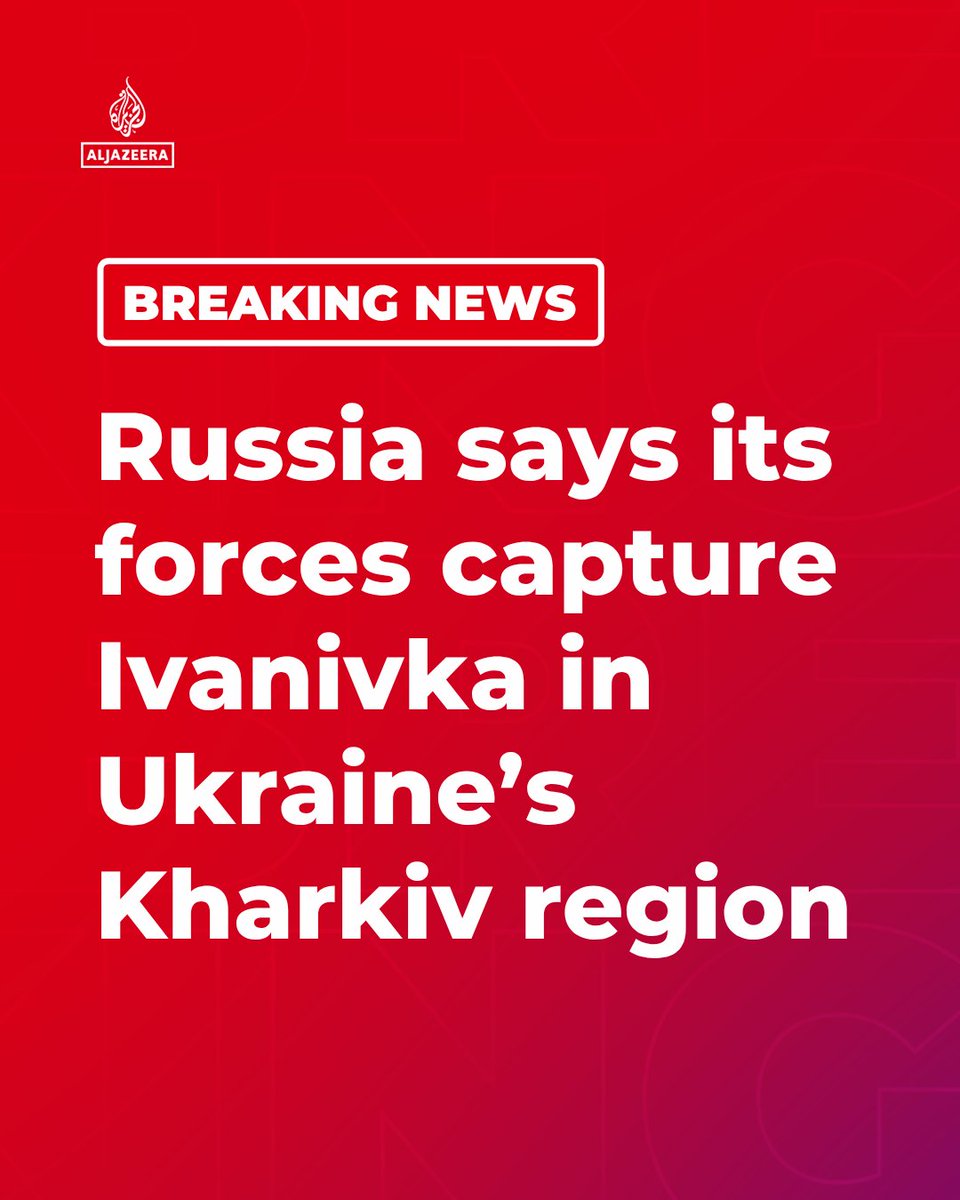
On the ground, the Russian Defence Ministry announced the capture of the settlement of Ivanivka in Kharkiv Oblast at 09:32, claiming control after a brief but intense firefight (monitor_the_situation). Photographic evidence released by the ministry showed Russian infantry consolidating positions within the village.
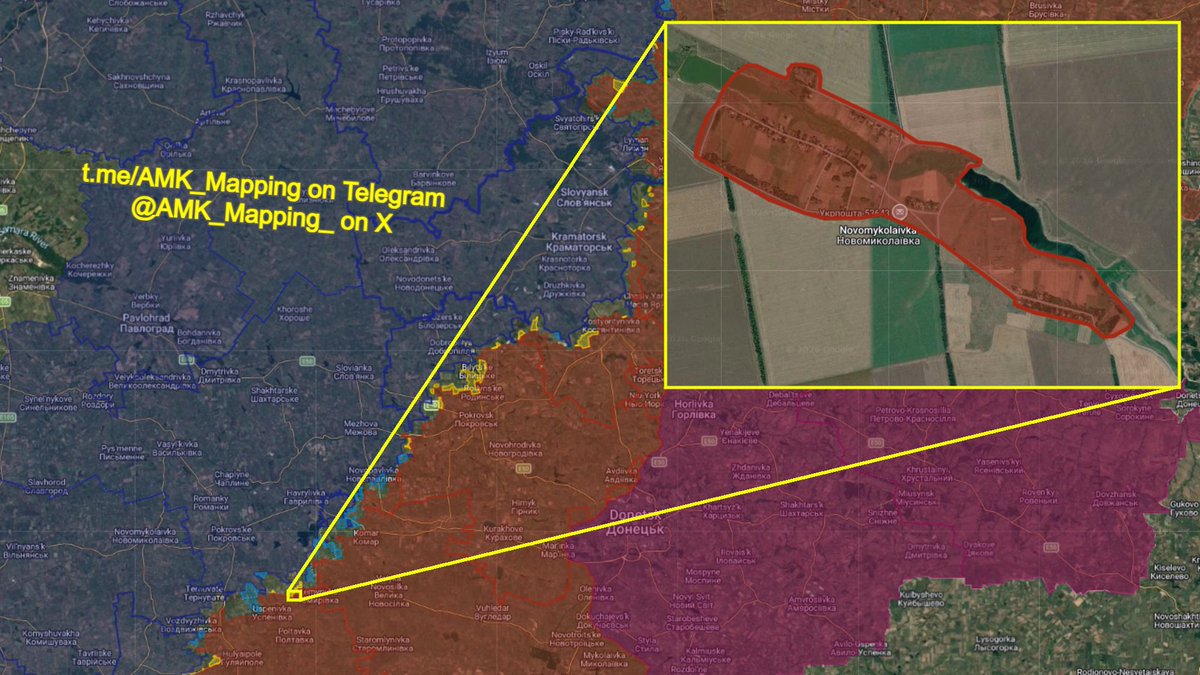
In Dnipropetrovsk Oblast, Russian forces re‑established control over Novomykolaivka after three months of contested fighting, according to the same source (monitor_the_situation). The settlement lies on a strategic supply route linking the Pokrovsk direction to the broader eastern front, suggesting a modest but meaningful territorial gain for Moscow.
Energy Infrastructure Under Fire
The Zaporizhzhia Nuclear Power Plant in Enerhodar suffered its 25th loss of off‑site power during the conflict, forcing a switch to emergency diesel generators (monitor_the_situation). While no safety breach was reported, the repeated power outages raise concerns about the plant’s long‑term operational stability and the potential for a radiological incident.
Ukrainian drone attacks also targeted Russian energy assets. At 06:02, drones struck the Syzran Oil Refinery in Samara Oblast and the Ilsky refinery in Krasnodar Krai, igniting large fires (GeoPWatch). Although visual confirmation was limited, satellite imagery later showed smoke plumes over both sites, indicating successful disruption of Russian fuel processing capabilities.
Naval and Maritime Operations
Maritime kinetic actions continued in the Black Sea. The German‑owned cargo vessel Emil, sailing under the Liberian flag, was attacked by drones near Odessa at 08:36, as reported by intelslava (source). The attack, attributed to Russian forces, caused minor damage but highlighted the vulnerability of commercial shipping in contested waters.
Ukraine’s Unmanned Systems Forces claimed a successful operation—codenamed MoLoChKa—in the Kerch Strait, striking 12 additional vessels of the Russian “shadow fleet” and raising the cumulative tally to 218 since early July (monitor_the_situation). The operation underscores Ukraine’s sustained offensive against Russian naval logistics in the Black and Azov seas.
Overall Assessment
The kinetic landscape in Ukraine on 8 August reflects a multi‑dimensional escalation. The ballistic missile barrage demonstrates Russia’s willingness to employ higher‑energy weapons that can overwhelm air‑defence assets. Simultaneously, UAV warfare has become a decisive factor, with both sides leveraging drones and loitering munitions to target logistics, command‑and‑control nodes, and critical infrastructure. Ground movements, while limited in scale, indicate incremental territorial adjustments that could affect supply lines in the eastern theater. Finally, attacks on energy facilities—both nuclear and oil—remain a persistent risk, with potential ramifications for civilian safety and regional energy markets.