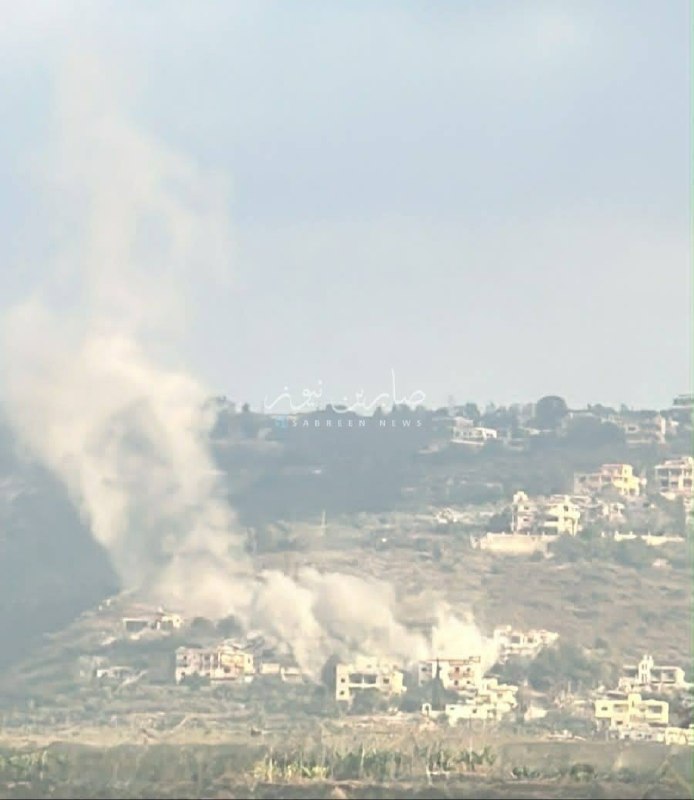
On August 8, 2026, an Israeli unmanned aerial vehicle (UAV) conducted a strike on the village of Mayfadoun in southern Lebanon, marking the most significant kinetic event recorded in the region for the day. Lebanese state media confirmed the attack, citing a video released by the monitoring channel monitor_the_situation (source). The drone strike resulted in material damage to civilian infrastructure, though no casualties were reported in the immediate aftermath.
Unexploded Ordnance Injures Lebanese Soldiers
Earlier in the afternoon, at approximately 16:46 local time, three members of the Lebanese Army were wounded by unexploded ordnance (UXO) in an area of southern Lebanon that has seen recent Israeli bombardments. The incident was documented by the same monitoring channel, which posted a video showing the soldiers receiving medical attention (source). The UXO is believed to be a remnant of prior Israeli artillery fire, underscoring the lingering danger of unexploded munitions in contested border zones.
Artillery Shelling of Mansouri
At 16:41, the Israel Defense Forces (IDF) fired three artillery shells into the town of Mansouri, also located in southern Lebanon. The shells were captured on a photograph shared by the open‑source monitoring outlet GeoPWatch (source). No civilian casualties were reported in the immediate report, but the shelling contributed to the cumulative pressure on Lebanese communities situated near the border.
Israeli Ground Troop Movement Near Mays al‑Jabal
In the morning, at 10:00, Israeli ground forces advanced into the northern outskirts of the village of Mays al‑Jabal. The movement was recorded in a video posted by monitor_the_situation (source). While the troops did not engage in direct combat during the observed maneuver, the presence of Israeli forces on Lebanese soil represents a notable escalation of ground operations and raises the risk of further kinetic encounters.
Operational Context and Weaponry
The events of August 8 illustrate a multi‑dimensional approach by Israeli forces, employing aerial, artillery and ground assets within a short time frame. The UAV strike in Mayfadoun demonstrates the continued use of precision‑guided platforms for targeted attacks, while the artillery shells in Mansouri reflect conventional indirect fire capabilities. The UXO incident highlights the residual hazards of previous bombardments, and the ground movement near Mays al‑Jabal signals a potential shift toward more sustained incursions.
Implications for Regional Stability
These kinetic actions occur against a backdrop of heightened tension along the Israel‑Lebanon border, where both sides have exchanged fire intermittently since the last major escalation in 2024. The Lebanese Army’s involvement in UXO clearance and casualty response underscores the domestic security challenges faced by Lebanon, a nation already grappling with economic hardship and political fragmentation. For Israel, the coordinated use of drones, artillery and infantry suggests an intent to maintain pressure on Hezbollah‑aligned positions while testing the responsiveness of Lebanese defensive measures.
"The drone strike on Mayfadoun is a clear indication that Israel is willing to employ high‑tech assets to achieve tactical objectives across the border," a senior analyst at the Institute for Middle Eastern Strategic Studies noted in a briefing released on the same day.
All four incidents were reported by open‑source channels that monitor conflict dynamics in real time. While the immediate human toll appears limited for the drone strike and artillery shelling, the injuries to Lebanese soldiers and the presence of unexploded ordnance raise concerns about longer‑term civilian risk and the potential for inadvertent escalation.