The strategic chokepoint of the Strait of Hormuz has entered a new phase of kinetic activity, with multiple incidents on 8 August 2026 converging to cripple oil logistics across the Gulf. The most consequential development emerged from Iraq, where the oil minister announced a 75% plunge in exports after a blockade in the strait disrupted shipments, underscoring the broader economic shockwaves rippling through the region.
Blockade Forces Iraqi Oil Export Collapse
At 10:46 UTC, the monitoring outlet monitor_the_situation reported that Iraq’s oil minister confirmed a precipitous 75% reduction in daily oil exports. The decline is directly linked to a blockade imposed in the Strait of Hormuz, a narrow maritime corridor that channels roughly 20% of global petroleum traffic. The minister’s statement highlighted that the blockade has halted the transit of Iraqi tankers, forcing a reroute through longer, risk‑laden pathways or a complete suspension of shipments.
"Iraqi oil exports have fallen by three‑quarters due to the blockade in the Strait of Hormuz," the minister told reporters. Source
The economic ramifications are immediate: reduced revenue for Baghdad, heightened pressure on the Iraqi Ministry of Oil, and potential spikes in global oil prices as supply tightens. While no casualties were reported, the incident illustrates how maritime security actions can translate into swift economic consequences without direct kinetic force.
Alleged Iranian Attack on ADNOC Vessel
At 14:46 UTC, the Jerusalem Post (JPost) relayed a condemnation from the United Arab Emirates accusing Iran of targeting an Abu Dhabi National Oil Company (ADNOC) vessel in the same strait. According to the UAE, the attack marks the 15th incident involving ADNOC vessels since the onset of the broader conflict, suggesting a pattern of state‑linked aggression against commercial shipping.
"The United Arab Emirates condemns the alleged Iranian attack on an ADNOC vessel in the Strait of Hormuz," JPost reported. Source
While the report did not specify weaponry, the repeated targeting of commercial tankers raises concerns about escalation and the potential for miscalculation involving naval assets from multiple states.
Commercial Vessel Fire in US‑Secured Lane
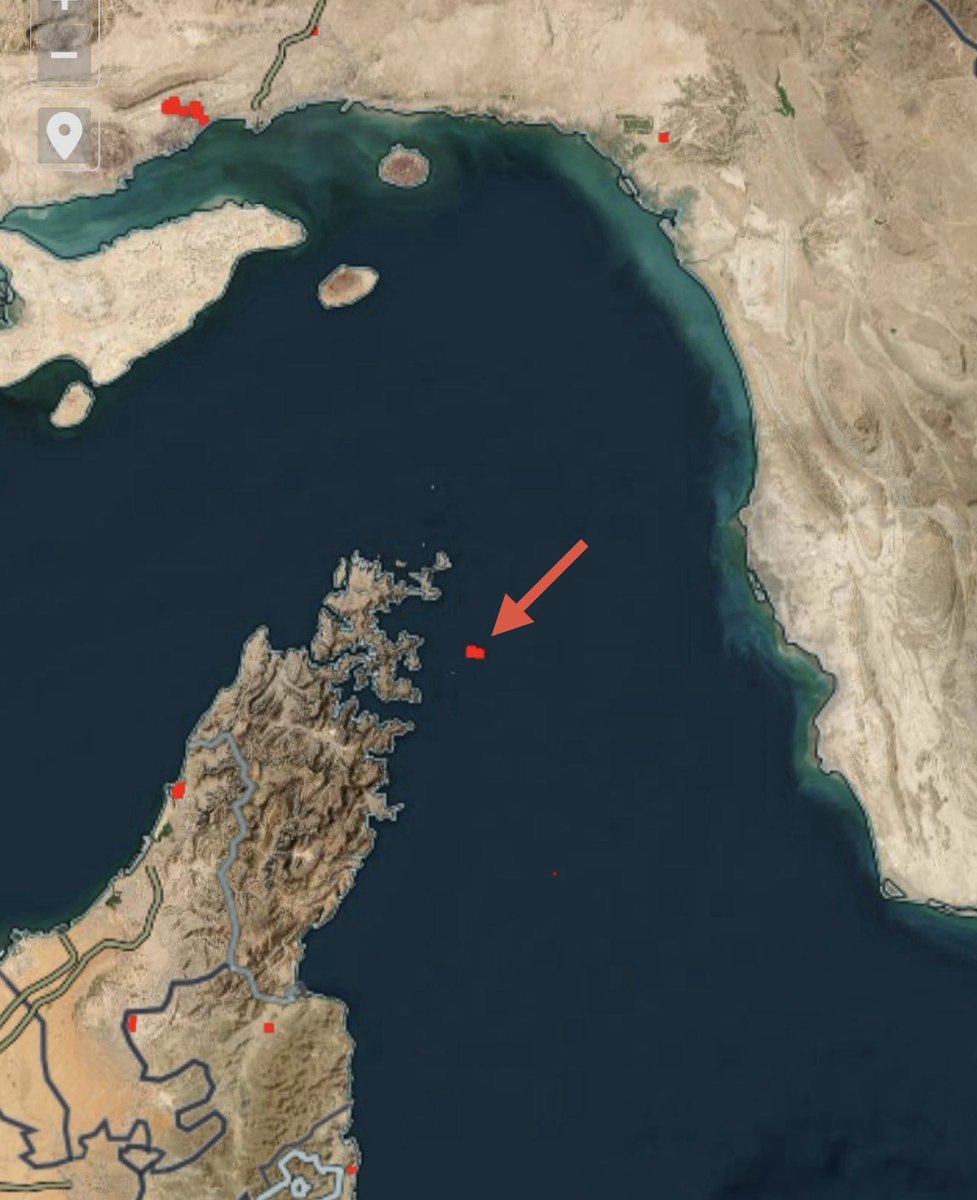
Earlier, at 13:27 UTC, monitor_the_situation documented an incident where a commercial vessel transiting a US‑secured lane caught fire after an alleged attack. NASA’s FIRMS (Fire Information for Resource Management System) detected a drifting fire plume, confirming the vessel’s distress. No crew casualties were reported, but the incident marks the third consecutive day a ship has been set ablaze in the strait.
"A commercial vessel was attacked and set on fire while transiting a US‑secured lane in the Strait of Hormuz," the monitor noted. Source
The lack of identified weapons suggests either a low‑tech explosive device or a sabotage operation, but the pattern of fires points to a coordinated campaign to disrupt maritime traffic.
US Naval Blockade Halts Iranian Exports from Kharg Island
At 09:26 UTC, the CIG_telegram channel released satellite imagery indicating that the United States has reinstated a naval blockade around Iran’s primary oil export hub, Kharg Island in Bushehr Province. All three berths on the island were observed empty, and no tankers have loaded since 31 July, effectively suspending Iran’s export capacity for at least a week.
"Iranian oil exports come to a halt amid renewed US blockade," CIG reported. Source
The blockade aligns with broader US strategic objectives to pressure Tehran’s regional activities, yet it also compounds the supply crunch already affecting Iraq and the UAE. No direct combat was recorded, but the operational pause underscores the potency of maritime interdiction as a tool of statecraft.
Continued Vessel Fires Confirmed by Satellite
At 09:23 UTC, another CIG_telegram update confirmed a vessel on fire in the Strait of Hormuz, marking the third day in a row that a ship has been struck. VIIRS (Visible Infrared Imaging Radiometer Suite) data from NASA corroborated the visual evidence, reinforcing the credibility of the earlier reports.
"Nasa VIIRS data confirms there is a vessel on fire in the Strait of Hormuz," CIG noted. Source
The persistence of these incidents, despite the presence of US‑secured lanes, suggests either gaps in maritime surveillance or the deployment of asymmetric tactics by non‑state actors or proxy forces operating in the region.
Analytical Assessment
The convergence of a large‑scale economic blockade, alleged state‑directed attacks, and repeated vessel fires signals a coordinated effort to leverage the Strait of Hormuz as a pressure point. While no conventional weapons have been reported in these incidents, the strategic impact is profound: oil export volumes from Iraq have collapsed, Iranian export infrastructure is immobilized, and commercial shipping faces heightened risk across a critical global artery.
From a conflict‑monitoring perspective, the pattern indicates an escalation in non‑kinetic maritime disruption tactics, potentially serving as a proxy for broader geopolitical contests involving the United States, Iran, and Gulf Cooperation Council (GCC) states. The absence of casualty figures does not diminish the severity; economic attrition and supply chain instability constitute a form of kinetic pressure that can precipitate further diplomatic and military responses.