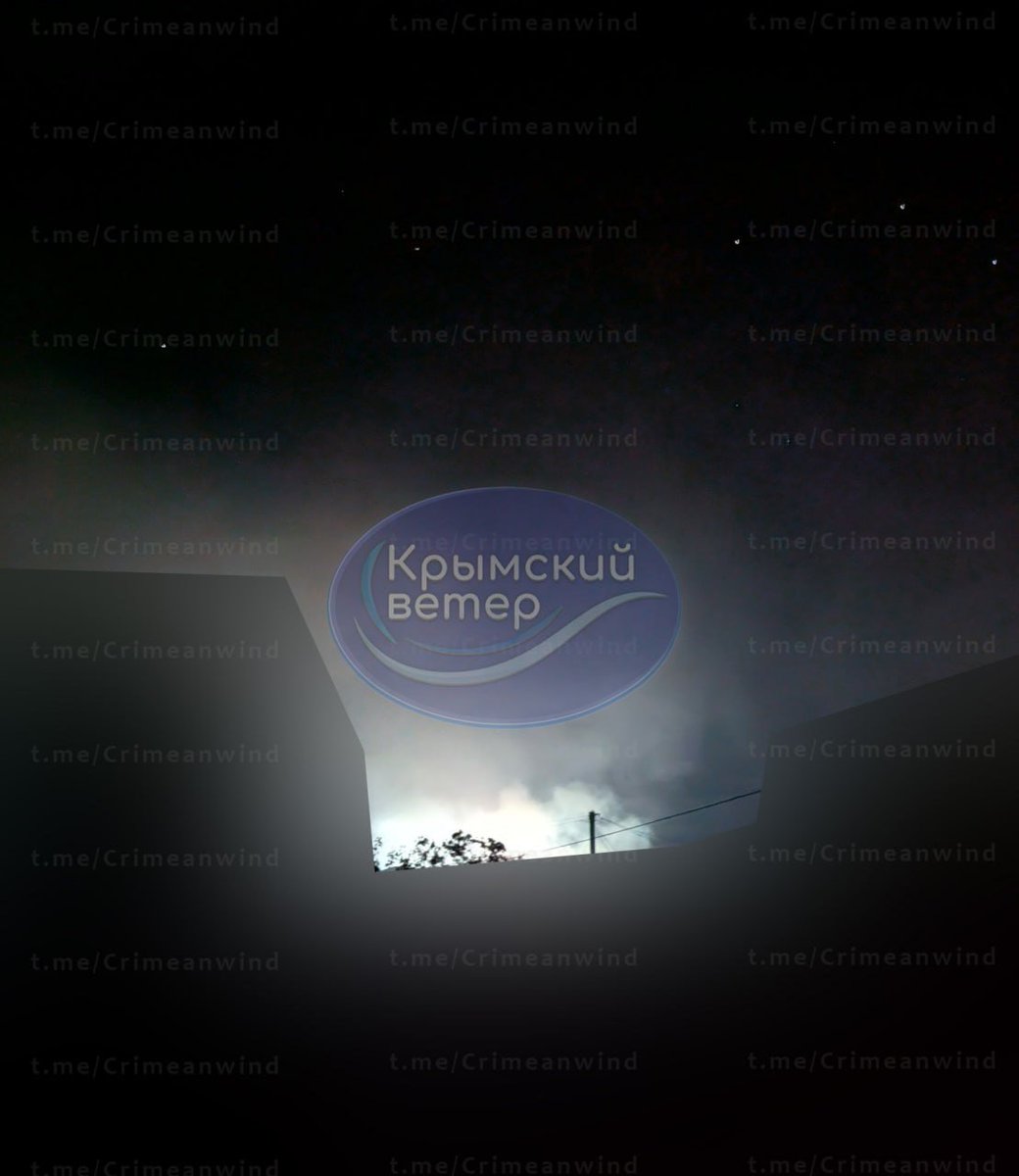
On August 7, 2026, Ukrainian unmanned aerial systems conducted a coordinated strike on the 13th Military Compound in occupied Kerch, Crimea, igniting a blaze that engulfed the Russian Army equipment depot. The attack, reported by the Telegram channel monitor_the_situation, underscores a widening pattern of aerial aggression that is reshaping the strategic calculus of both sides.
Kerch Drone Attack
At approximately 01:54 UTC, a swarm of Ukrainian attack drones penetrated Russian air defenses and targeted the Russian military base located on the Kerch Peninsula. The facility, which stores armored vehicles, ammunition, and logistical supplies, was set alight, producing visible flames that were captured in a photograph posted to the source channel. No casualty figures were released, but the destruction of materiel is considered a material loss for the Russian Armed Forces operating in the annexed region.
"Ukrainian drones swarmed and set ablaze the 13th Military Compound, a Russian Army equipment base in occupied Kerch, Crimea," the post read.
The strike demonstrates Ukraine’s growing proficiency in employing loitering munitions and larger combat drones to strike high‑value targets deep within contested territory. Analysts note that the ability to reach Kerch—a location separated from mainland Ukraine by the Kerch Strait—requires either long‑range UAV platforms or the use of launch points in Russian‑controlled areas, indicating a sophisticated logistical network.
Black Sea Cargo Ship Drone Strikes
Just hours later, at 05:19 UTC, the Russian Ministry of Defense announced that three cargo vessels en route to Ukrainian ports in the Black Sea had been hit by drones. The claim, disseminated by the Telegram channel intelslava, did not specify the vessels’ names, tonnage, or the extent of damage, and no casualties were reported. The statement aligns with a broader Russian narrative that frames Ukrainian drone activity as a threat to international shipping and a justification for heightened naval patrols.
While the precise weapon systems used were not identified, the reference to “drone” attacks suggests the involvement of either commercially available quad‑copters equipped with explosives or more advanced loitering munitions capable of striking moving maritime targets. The incident adds to a growing list of Black Sea confrontations that have seen both sides employ unmanned systems to contest supply lines, raising concerns about the security of grain exports and energy shipments that pass through the region.
Ground Confrontation Involving Fiber Optic Technicians
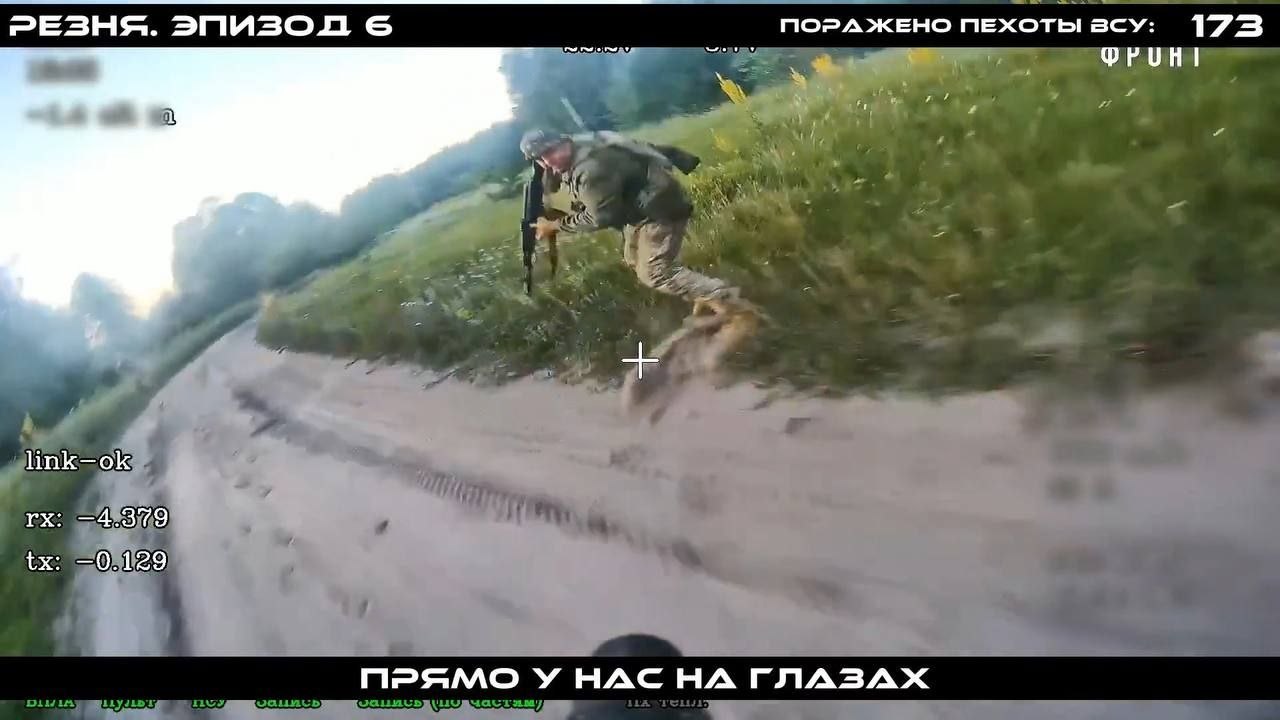
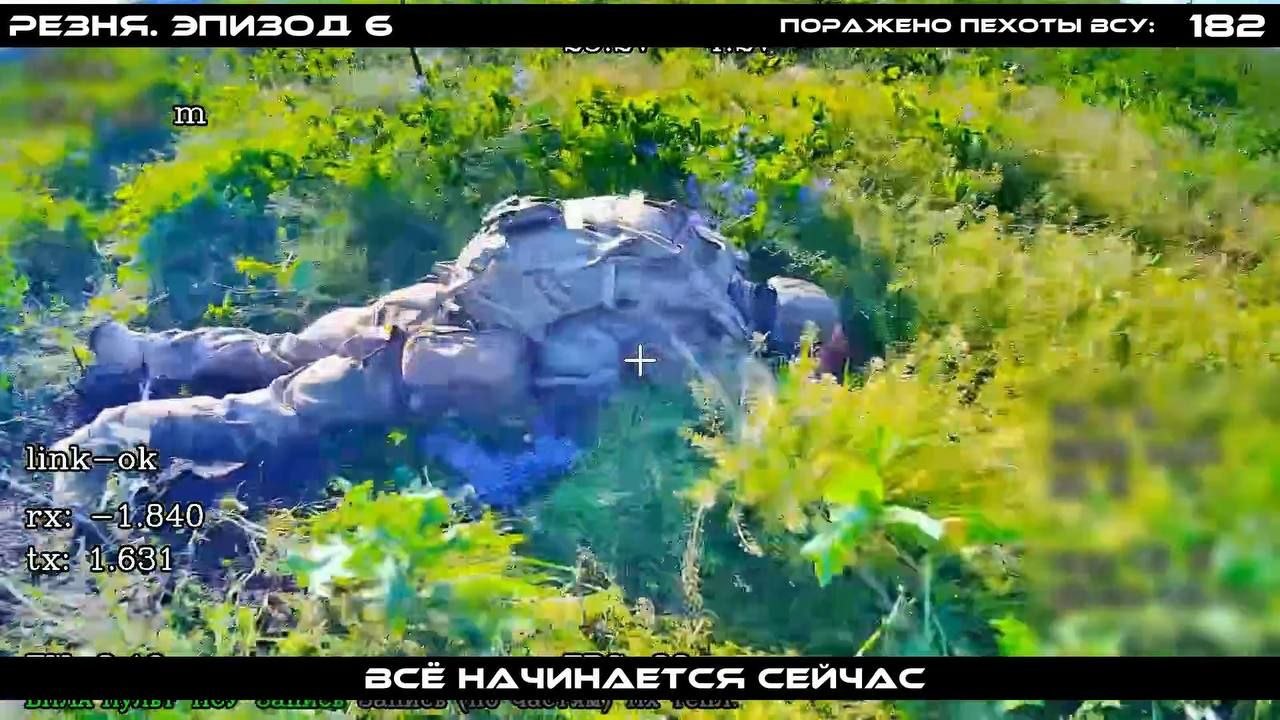
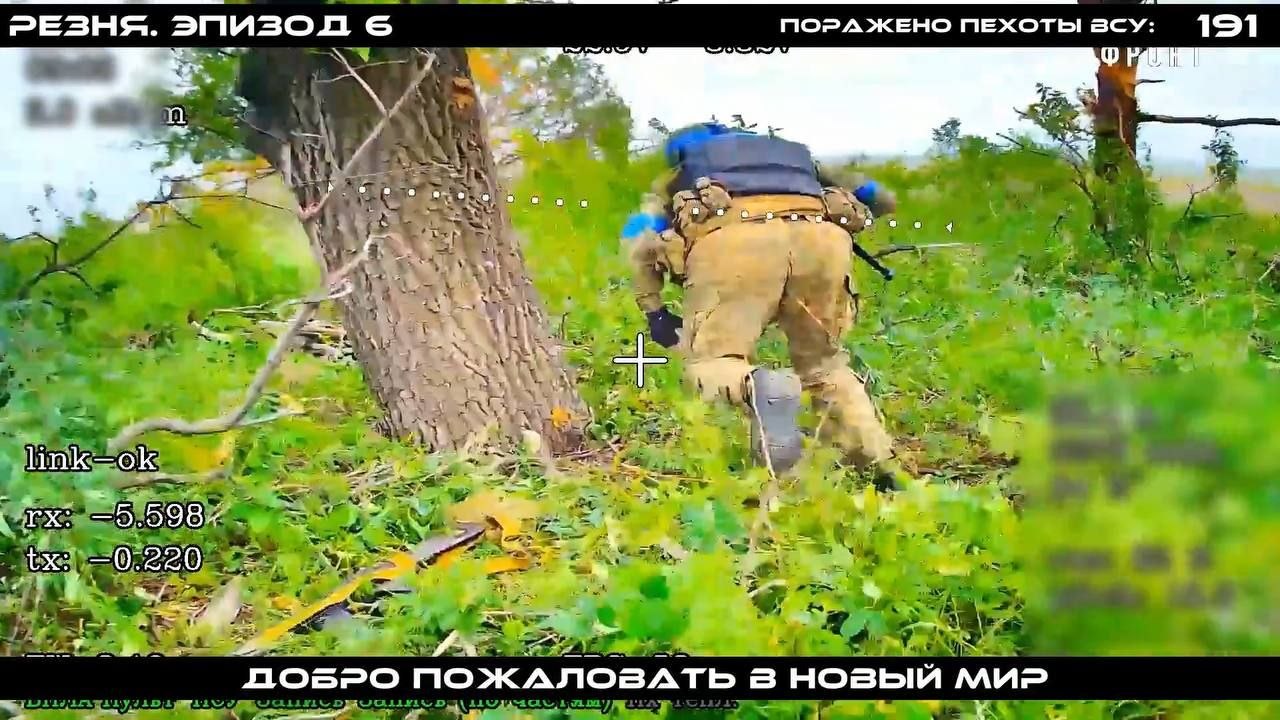
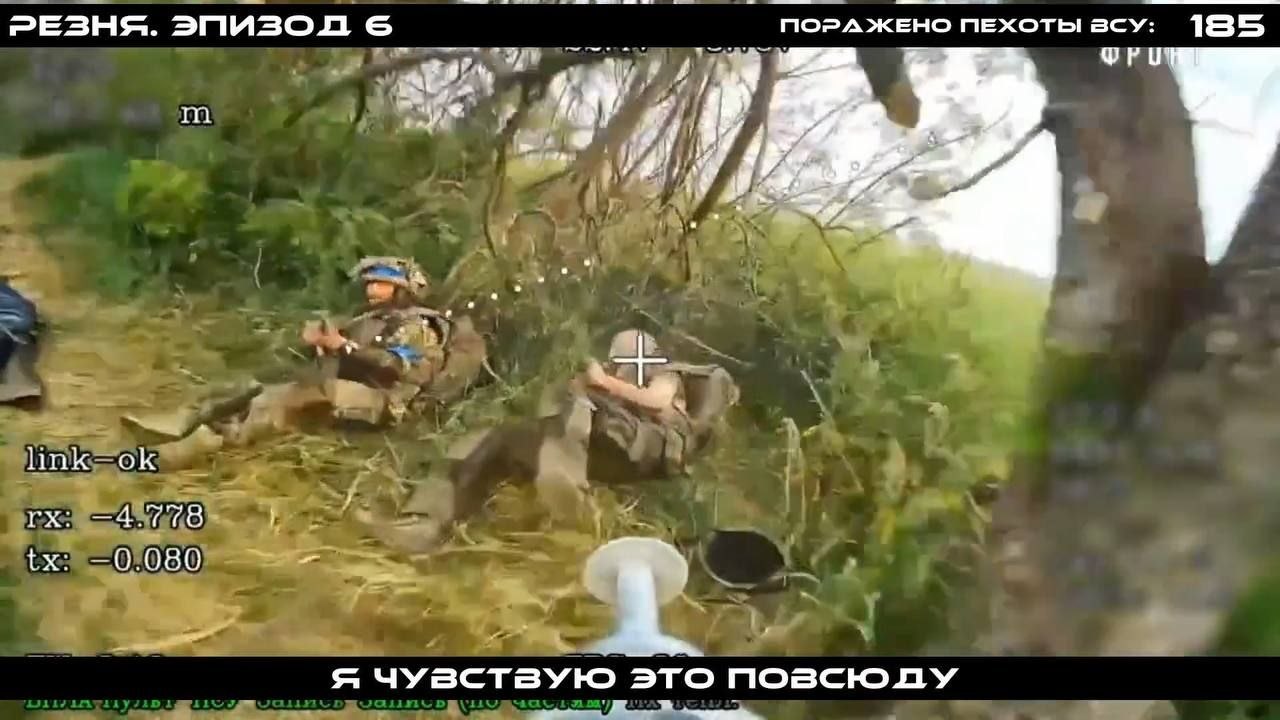
In a separate development unrelated to aerial warfare, a video posted by intelslava at 05:49 UTC showed a group of civilian fiber‑optic technicians engaging in a firefight with Ukrainian Armed Forces personnel. The location of the encounter was not disclosed, and no weapons were reported on the technicians’ side. The footage, accompanied by eight photographs, suggests that infrastructure workers in contested zones are increasingly drawn into hostilities, either as collateral participants or as proxies for broader strategic objectives.
The incident highlights the blurred lines between civilian and military actors in the conflict’s frontlines, where control over communications infrastructure can have outsized strategic value. While casualty numbers were not provided, the visual evidence of armed confrontation raises questions about the protection of civilian workers under international humanitarian law.
Parallel Conflict: Yemen Airport Attack
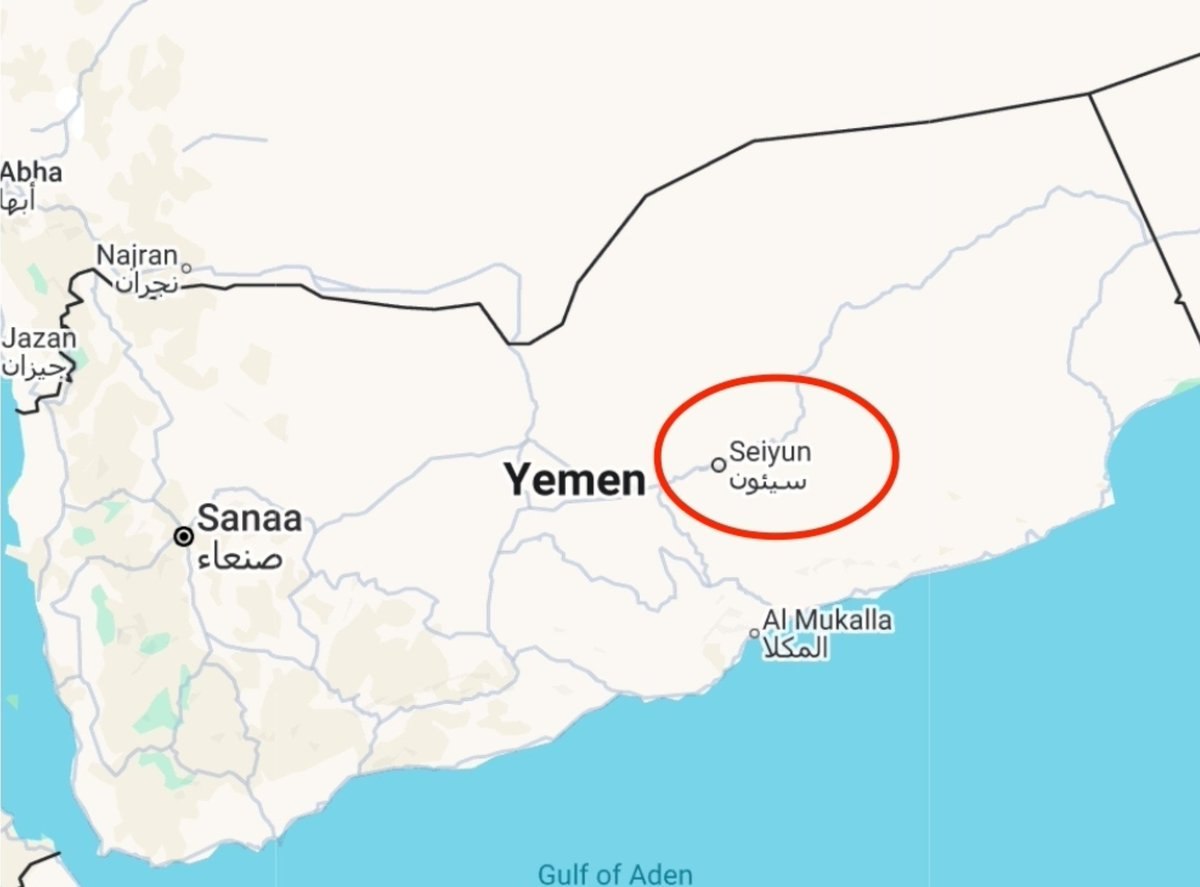
On the same day, a distinct but contemporaneous conflict unfolded in Yemen. At 05:30 UTC, the Telegram channel monitor_the_situation reported that Yemeni Armed Forces, including the Houthi‑aligned Ansarallah militia, launched an assault on Saudi‑backed forces stationed at Seiyun Airport in Hadhramaut Governorate. The attack, captured in a single photograph, involved ground forces but no specific weapons were listed. While unrelated to the Russia‑Ukraine theater, the event illustrates the global proliferation of proxy warfare and the simultaneous escalation of multiple armed confrontations.
Both the Yemeni and Ukrainian fronts demonstrate how non‑state actors and regional powers are leveraging asymmetric tactics—drones, sabotage of infrastructure, and rapid ground incursions—to achieve strategic aims without committing large conventional forces.
Strategic Implications
The convergence of drone‑focused operations and unexpected ground engagements on August 7 signals a shift toward multi‑domain warfare in the Russia‑Ukraine conflict. Ukrainian forces are exploiting the reach and deniability of unmanned aerial platforms to strike high‑value Russian assets far beyond the front line, while Russia is emphasizing the vulnerability of maritime logistics to similar threats. Simultaneously, the involvement of civilian technicians in combat underscores the expanding battlefield, where infrastructure and communication networks become contested assets.
For policymakers and analysts, the events of the day reinforce the need to monitor drone proliferation, assess the resilience of supply chains in contested waters, and evaluate the protection mechanisms for civilian workers operating in conflict zones. As both sides continue to integrate unmanned systems into their operational doctrines, the risk of escalation—whether through accidental targeting of commercial vessels or inadvertent civilian casualties—remains elevated.