On 7 August 2026, Yemen experienced a surge of kinetic engagements that underscored the expanding reach of both Houthi and Ansarullah militias. The day began with a high‑impact missile strike in Marib that killed two civilians and wounded fourteen, marking the most lethal single incident reported for the date. Subsequent attacks—including rocket barrages, drone assaults, and a sea‑surface drone interception—produced a cumulative death toll that now exceeds sixty, with significant civilian involvement.
Critical missile strike in Marib
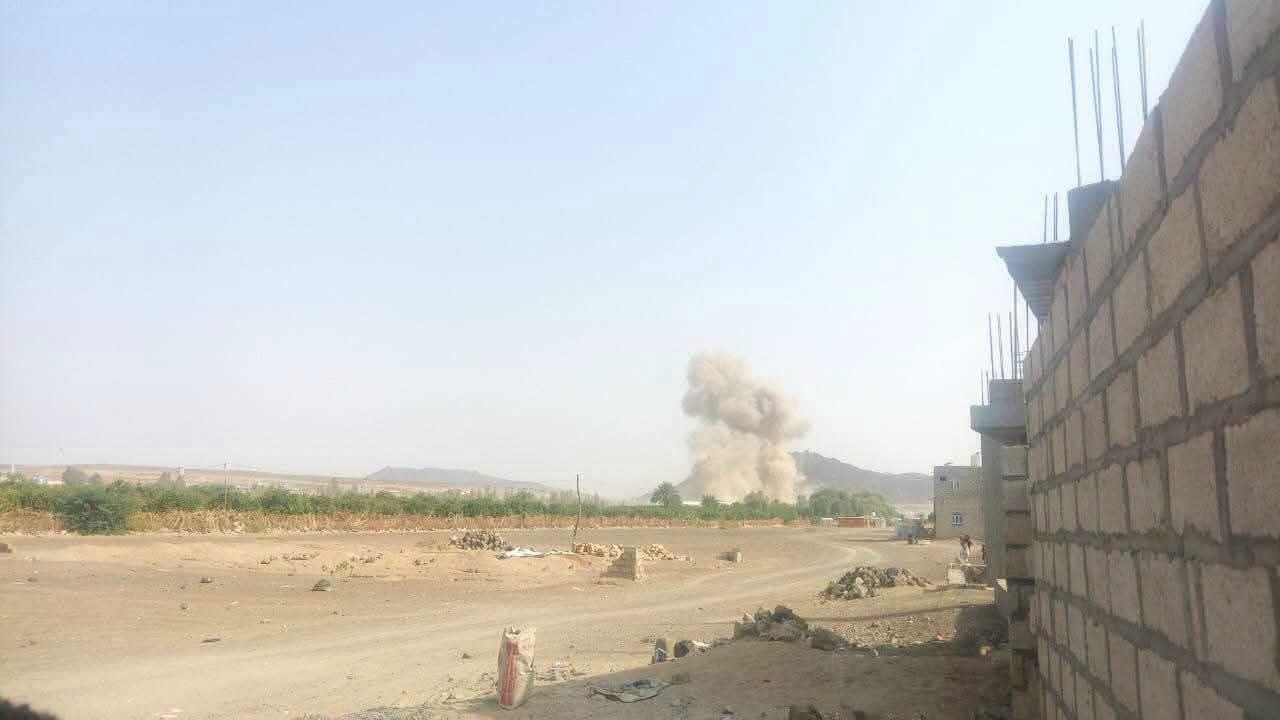
At 12:43 GMT, Houthi forces launched a missile at Marib city, Yemen, killing two people and injuring fourteen, according to the Telegram channel monitor_the_situation (source). The Yemen Ministry of Health confirmed the casualties. The strike targeted a densely populated area, demonstrating the Houthi’s continued capability to deliver precision‑guided munitions deep into territories held by the Saudi‑backed Presidential Leadership Council.
"Houthi Missile Strikes Kill 2, Wound 14 in Marib, Yemen" – monitor_the_situation, 12:43 GMT
Ansarullah’s multi‑front offensive
Parallel to the Houthi missile, the Ansarullah movement intensified operations across central and eastern Yemen. At 09:54 GMT, Ansarullah rockets struck a Saudi‑backed Yemeni government base in Marib, killing three and wounding four (rnintel). Within the same hour, the group attacked the 9th Brigade Base of the Shabwah Emergency Forces in Bayhan, Shabwah Governorate, resulting in undisclosed casualties (rnintel). The attacks were part of a broader campaign to destabilise government‑controlled strongholds.
Later, at 06:53 GMT, Ansarullah renewed rocket attacks on the Marib region, targeting locations under the control of the Presidential Leadership Council (rnintel). The same day, a separate missile barrage hit a Saudi‑backed Yemeni government base in Marib, as reported by GeoPWatch (source).
Al‑Ruwyk base massacre in Hadhramaut
The most lethal single incident of the day occurred at the al‑Ruwyk base of the Saudi‑backed Hadhramaut Emergency Forces, located in the al‑Abr direction of Hadhramaut Governorate. Ansarullah’s double‑tap attack raised the death toll to 58, including a large number of civilians, first responders and non‑military security personnel (rnintel). The high civilian proportion highlights the indiscriminate nature of the assault and raises concerns about compliance with international humanitarian law.
"Death toll from yesterday's Ansarullah attack on the Saudi‑backed Hadhramaut Emergency Forces al‑Ruwyk base has risen to 58" – rnintel
Sea‑surface drone interception in the Red Sea
At 15:31 GMT, Yemeni National Resistance Forces (NRF) shot down an Ansarullah‑operated sea‑surface drone attempting to strike a tanker in the strategic Bab el‑Mandeb strait (rnintel). The interception prevented potential disruption of a major oil transit route and demonstrated the NRF’s growing anti‑drone capabilities.
Additional kinetic incidents
Other notable events included:
- Rocket strike on Sahhan al‑Jinn military base in Marib at 17:31 GMT, confirmed by GeoPWatch (source).
- Drone attack on Seiyun International Airport in Hadhramaut Governorate, reported by rnintel at 07:48 GMT. Although circulating footage was later deemed outdated, the incident confirms Ansarullah’s ability to target aviation infrastructure (source).
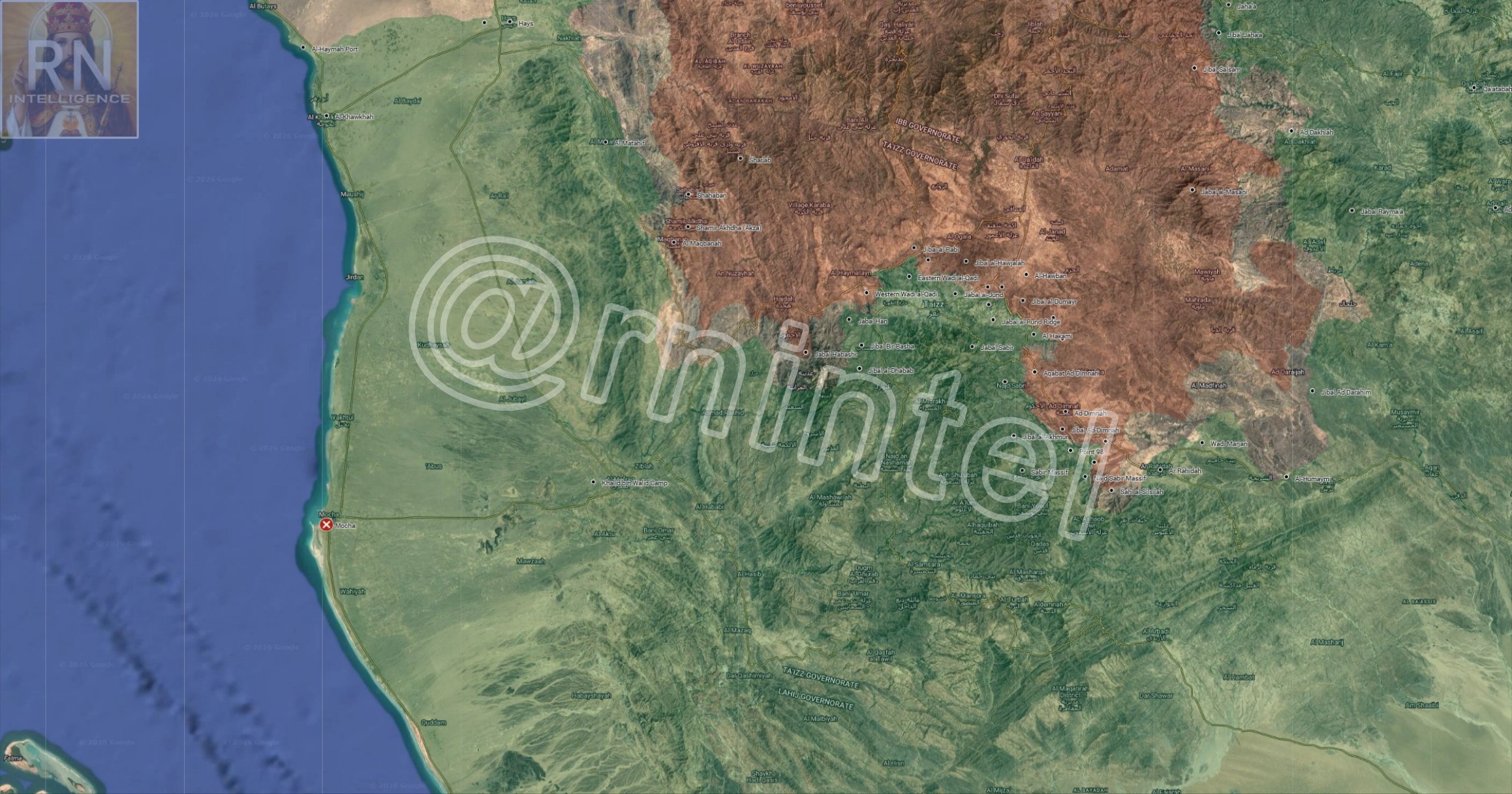
- Explosions in Mocha, a coastal city held by Saudi‑backed pro‑Hadi forces, were reported at 15:20 GMT (rnintel).
- Two explosions in Marib at 15:45 GMT, likely carried out by Ansarullah (rnintel).
These incidents collectively illustrate a pattern of coordinated, high‑intensity attacks aimed at both military and civilian targets across Yemen’s central and eastern theatres.
Strategic implications
The concentration of kinetic actions in Marib, Shabwah and Hadhramaut suggests a deliberate effort by anti‑government forces to erode the operational capacity of Saudi‑backed units. The use of diverse weapon systems—missiles, rockets, drones (both aerial and sea‑surface), and improvised explosive devices—indicates a maturing arsenal capable of striking at varied ranges and environments.
Furthermore, the high civilian casualty figures, especially at al‑Ruwyk base, risk amplifying humanitarian distress and could trigger renewed calls for international mediation. The NRF’s successful drone interception in the Bab el‑Mandeb also underscores the strategic importance of securing maritime chokepoints, a priority for global energy markets.
Overall, the day's kinetic events reflect an escalation in both frequency and lethality, with the potential to reshape front‑line dynamics in Yemen’s protracted conflict.